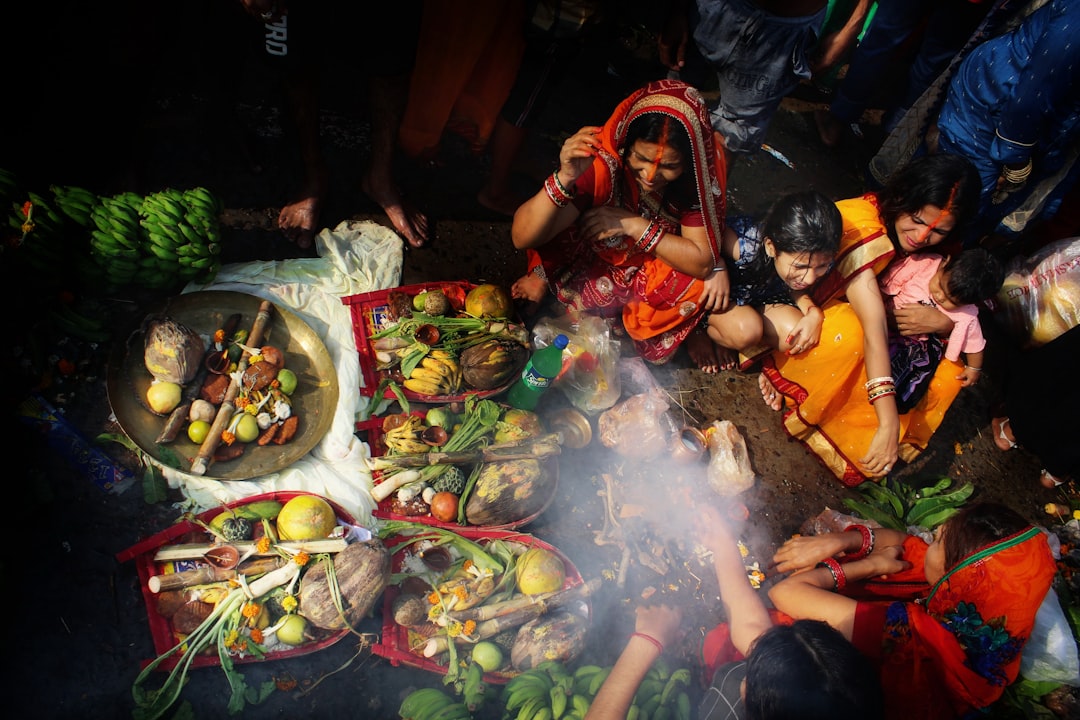
Are you curious about the dietary choices of Hindus? You might have noticed that many Hindu friends and acquaintances have unique eating habits.
Have you ever wondered why certain foods are embraced while others are avoided? This article will unravel the fascinating principles behind the Hindu diet, revealing the cultural and spiritual significance that shapes these choices. Imagine understanding not just what Hindus eat, but why these foods hold a special place in their hearts and traditions.
By the end of this read, you’ll gain insight into how diet intertwines with beliefs, and perhaps discover new perspectives that resonate with your own lifestyle. Keep reading to uncover the secrets behind the Hindu diet and see how it might inspire your own eating habits.

Credit: www.twinkl.com
Hindu Dietary Principles
The Hindu dietary principles are a fascinating blend of spirituality, culture, and health. These principles are deeply rooted in ancient traditions and offer a guide to mindful eating. Whether you’re exploring these ideas for personal growth or simply curious, understanding these principles can add a new dimension to your dietary choices.
Role Of Ahimsa
Ahimsa, or non-violence, plays a vital role in Hindu dietary practices. It encourages you to avoid harm to living beings, making vegetarianism a common choice among Hindus. By choosing plant-based foods, you align your diet with compassion and respect for life.
Consider a meal you recently enjoyed. Was it prepared with the idea of causing the least harm possible? This principle challenges you to think about the impact of your food choices on the world around you.
In practice, this means opting for fruits, vegetables, grains, and legumes. Such choices are not only environmentally friendly but also promote personal health and well-being.
Spiritual Significance
The food you eat isn’t just fuel; it has spiritual significance in Hinduism. Certain foods are believed to influence your mind and spirit, affecting your overall energy. This belief encourages mindful eating, where each meal becomes a spiritual practice.
Have you ever noticed how certain foods make you feel more energetic or calm? This awareness is central to the spiritual aspect of eating in Hinduism.
Foods like fresh fruits, vegetables, nuts, and dairy are considered Sattvic, or pure, and are thought to promote clarity and peace. By choosing Sattvic foods, you nourish your body and spirit, fostering a balanced and harmonious life.
The Hindu dietary principles invite you to explore the deeper connection between food, health, and spirituality. What small change can you make today that aligns with these insights? Embrace the journey and discover how these principles can enrich your life.

Credit: en.wikipedia.org
Vegetarianism In Hinduism
Vegetarianism is a significant aspect of Hinduism that influences millions of lives across the globe. Many Hindus choose a vegetarian diet due to religious beliefs, cultural norms, and personal ethics. This practice isn’t just about avoiding meat; it’s a lifestyle that reflects compassion and respect for all living beings.
Cultural Influences
Hinduism’s roots in India have shaped its dietary practices over centuries. The sacred texts, like the Vedas and Upanishads, emphasize non-violence, which translates to abstaining from meat. Temples and religious ceremonies often serve vegetarian meals, reinforcing the connection between spirituality and diet.
Take a stroll through any Indian market, and you’ll see stalls brimming with colorful fruits and vegetables. The vibrant produce is a testament to the cultural importance of vegetarianism. It’s fascinating how food can be a bridge between ancient traditions and modern living.
Have you ever considered how your food choices reflect your values? In Hinduism, choosing a vegetarian diet isn’t just about health; it’s a moral decision too.
Health Benefits
Embracing vegetarianism in Hinduism isn’t only about faith; it has tangible health benefits. A plant-based diet is rich in fiber, vitamins, and antioxidants, which can improve digestion and boost immunity. Many Hindus find that eliminating meat leads to more energy and better overall health.
Imagine starting your day with a bowl of fresh fruit and nuts, nourishing your body with nature’s bounty. This diet can help you maintain a healthy weight and reduce the risk of chronic diseases like heart disease and diabetes.
Have you noticed how a simple change in diet can transform your life? The health benefits of vegetarianism can be profound, but it’s also about feeling good from the inside out.
How do your dietary choices impact your wellbeing? Reflecting on this can lead to more mindful eating habits, inspired by Hindu traditions.
Regional Variations
Hindu diets vary across regions in India. In the south, rice and coconut are staples, while the north favors wheat and dairy. Some Hindus practice vegetarianism due to religious beliefs, while others include meat like chicken or fish, depending on local customs and community practices.
Regional Variations The diet followed by Hindus is a fascinating tapestry woven with cultural, geographical, and historical threads. India’s vast landscape means that the food habits of Hindus can vary significantly from one region to another. These regional variations offer an intriguing insight into how local customs and available resources shape dietary practices. Northern Indian Traditions In Northern India, Hindu diets often feature rich and hearty dishes. Wheat is a staple here, so you’ll find plenty of breads like chapati and naan. Dairy products also play a crucial role, with paneer (a type of cheese) being a favorite. Spices such as cumin, coriander, and cardamom are commonly used, adding a distinctive aroma and taste. Vegetables like potatoes, peas, and spinach are popular choices in dishes like aloo gobi and palak paneer. During my visit to Punjab, I was amazed by the tradition of serving food on large thalis. Each thali had a variety of items, showcasing the rich diversity of flavors. Have you ever thought about how a simple change in spices can completely transform a dish? Southern Indian Practices In contrast, Southern Indian diets heavily rely on rice as a staple food. Dishes such as dosa and idli are popular breakfast choices and are often accompanied by sambar and coconut chutney. Lentils and beans are frequently used, providing a rich source of protein. The region’s proximity to the coast means that coconut and seafood are integral to the cuisine. Spices like mustard seeds, curry leaves, and tamarind bring vibrant flavors to the table. During a trip to Kerala, I enjoyed a traditional meal served on a banana leaf. It was a delightful experience that made me wonder—how does the choice of serving vessel influence the taste and enjoyment of food? These regional variations highlight the diverse and adaptable nature of Hindu diets. How might you incorporate some of these regional practices into your own meals? Exploring different culinary traditions can be both an educational and delicious journey.Festivals And Fasting
Hindus often embrace a vegetarian diet, focusing on fruits, vegetables, grains, and dairy. Festivals frequently involve fasting, emphasizing spiritual growth and discipline. These practices reflect deep cultural and religious beliefs, shaping dietary habits and traditions.
Festivals and fasting hold a special place in Hindu culture, weaving spirituality with daily life. During various festivals, Hindus often engage in fasting as a way to purify the body and mind, showing devotion to deities and expressing gratitude. Understanding these practices offers a glimpse into the deeply spiritual and community-oriented nature of Hindu traditions.Sacred Rituals
Fasting during Hindu festivals is not merely about abstaining from food. It’s a sacred ritual that aligns the mind and body with spiritual goals. Each fast has unique significance, like Ekadashi fasting, observed twice a month, which is believed to cleanse the soul. Have you ever wondered why fasting is so common in many religions? In Hinduism, fasting is seen as a form of tapasya, or penance, believed to bring one closer to the divine. Participating in these rituals can be a deeply personal journey, offering peace and clarity.Common Practices
During festivals, many Hindus follow a vegetarian diet, avoiding meat, fish, and sometimes even eggs. This practice is rooted in the principle of ahimsa, or non-violence, which extends to all living beings. Common fasting practices include consuming only fruits, milk, or water during the fast. Some may choose a “Nirjala” fast, where even water is avoided, demonstrating extreme devotion and discipline. Have you ever tried fasting? It’s not just about skipping meals; it’s about self-control and mindfulness. Engaging in these practices encourages reflection and a deeper connection with one’s beliefs. Whether you are participating in a community feast or observing a day-long fast, these practices reflect the vibrant tapestry of Hindu culture. They remind us of the importance of discipline, devotion, and gratitude in our lives. What role does fasting play in your personal journey?Impact Of Modernization
The diet of Hindus has evolved significantly. Modernization has changed traditional eating habits. Globalization plays a key role in these shifts.
Western Influence
Western diets have influenced Hindu eating patterns. Fast food chains have spread widely. Many Hindus now enjoy burgers and pizza. These foods are popular in urban areas. They offer convenience and quick meals. TV and internet promote Western cuisine. Cooking shows often feature international recipes. Younger generations experiment with new flavors.
Adaptations And Changes
Hindus have adapted their diets creatively. Fusion foods combine traditional and modern tastes. Paneer tacos and masala pasta are examples. These dishes offer familiar flavors in new forms. Health concerns also drive dietary changes. Organic and gluten-free options are gaining popularity. Many Hindus prefer plant-based meals. Vegetarianism aligns with cultural beliefs. Food delivery apps make it easy to access diverse options.

Credit: www.pinterest.com
Controversies And Debates
Hindu dietary practices often spark debates. Many follow a vegetarian diet, avoiding meat due to religious beliefs. Others include eggs and fish, reflecting regional and personal preferences.
When discussing the dietary practices of Hindus, you may find yourself navigating a landscape filled with a variety of opinions and practices. While many might assume that all Hindus follow a strict vegetarian diet, the reality is far more nuanced. This diversity of thought and practice often sparks debates and controversies within the community, raising questions about tradition, ethics, and modern lifestyle choices.Non-vegetarian Practices
In some Hindu communities, non-vegetarian diets are not just accepted but are a norm. You might be surprised to find that regions like Bengal and Kerala have a rich culinary tradition that includes fish and meat. The choice to eat meat can often be linked to local customs and availability of resources. Yet, this practice sometimes stirs controversy among those who advocate for vegetarianism based on religious texts. Have you ever wondered how these diverse practices coexist within the same religion? The answer might lie in the adaptability and regional variations of Hinduism itself.Ethical Considerations
The debate over dietary choices isn’t just about tradition; it also delves into ethics. Many Hindus choose vegetarianism out of compassion for animals, citing principles like “Ahimsa” or non-violence. But what happens when modern ethical movements, like veganism, enter the conversation? Some Hindus are now questioning not just meat consumption, but also the ethical treatment of dairy animals. This shift challenges traditional views and raises important questions about how you can align your dietary practices with evolving ethical standards. Are you ready to rethink what it means to eat ethically in today’s world? Dietary debates in Hinduism reveal a fascinating tension between tradition and modernity. They invite you to explore how you can honor your heritage while making choices that reflect your values.Frequently Asked Questions
What Foods Are Common In A Hindu Diet?
Hindus often eat grains, legumes, vegetables, fruits, and dairy products. Many follow a vegetarian diet. Spices like turmeric, cumin, and coriander are commonly used. Foods are chosen for their health benefits and spiritual significance. The focus is on balance and nourishment.
Do Hindus Eat Meat?
Many Hindus follow a vegetarian diet due to religious beliefs. However, some Hindus may consume meat, particularly chicken and fish, based on personal or regional practices. The consumption of beef is generally avoided due to the sacred status of cows in Hinduism.
Why Do Hindus Avoid Beef?
Cows are considered sacred in Hinduism, symbolizing life and sustenance. They are respected and revered in Hindu culture. Avoiding beef is a way to honor and protect these animals. It reflects the principle of ahimsa, which means non-violence and compassion towards all living beings.
Is Fasting Common In Hinduism?
Fasting is a significant part of Hindu religious practices. It is observed during festivals, specific days of the week, or phases of the moon. Fasting is seen as a way to purify the body and mind. It enhances concentration and spiritual growth.
Conclusion
Hindu diets are diverse and deeply rooted in tradition. Many Hindus prefer vegetarian meals, avoiding meat and fish. This choice often stems from spiritual beliefs and respect for all life. Some follow Ayurvedic principles, choosing foods based on body type and health.
Dairy products like milk and yogurt are commonly enjoyed. Spices play a big role, adding flavor and health benefits. Lentils and grains are staples, offering nutrition and energy. Festivals might include special foods, marking cultural and religious significance. Understanding Hindu dietary habits can offer insight into their rich cultural heritage.
Respect and mindfulness are key.