Have you ever heard someone at the gym talking about “reps” and wondered what they mean? Understanding gym lingo can sometimes feel like learning a new language.
But don’t worry, you’re not alone. Knowing what “rep” means can transform your workout experience and boost your results. Imagine lifting weights with confidence and precision, knowing exactly how to execute each move for maximum impact. Curious to find out how this simple term can redefine your fitness journey?
Stick around, and you’ll discover the secrets behind “reps” and how mastering them can elevate your workout game to a whole new level.

Credit: www.tiktok.com
Understanding Gym Reps
Understanding gym reps is essential for effective workouts. A “rep,” short for repetition, refers to completing one exercise movement. Tracking reps helps monitor progress and ensures proper technique.
Understanding gym reps is essential to your fitness journey. A rep, short for repetition, refers to the number of times you perform a specific exercise movement. This seemingly simple concept is foundational in building strength, endurance, and muscle growth. But what does it really mean for you? Whether you’re lifting weights, doing push-ups, or performing squats, each rep is a step towards your fitness goals.What Is A Gym Rep?
A gym rep is a single complete movement of an exercise. When you lift a dumbbell from your waist to your shoulder, that’s one rep. The number of reps you do in a set can vary based on your fitness objectives.Why Do Reps Matter?
Reps dictate how your muscles respond to exercise. More reps with lighter weights focus on endurance and toning. Fewer reps with heavier weights build strength and size. Consider what you’re aiming for—are you looking to increase muscle mass or improve endurance? Your choice in reps will guide you.Reps Vs. Sets: Understanding The Difference
A set is a collection of consecutive reps. For example, if you do ten reps of a bench press, that’s one set. Sets help structure your workout, allowing you to manage fatigue and recovery.How To Determine The Right Number Of Reps
The right number of reps depends on your fitness goals. If you’re aiming to build muscle, try 6-12 reps per set. For endurance, go for 12-20 reps. Experiment with different rep ranges and listen to your body. Are you pushing yourself enough, but not overdoing it?Common Mistakes To Avoid With Reps
Avoid rushing through reps without proper form. Quality beats quantity. Pay attention to your technique to prevent injuries. Ensure your reps are consistent—each should be performed with the same focus and effort. Are you maintaining your form throughout your set? Understanding gym reps is crucial for maximizing your workout’s effectiveness. By mastering reps, you’re not just lifting weights; you’re crafting a stronger, healthier you.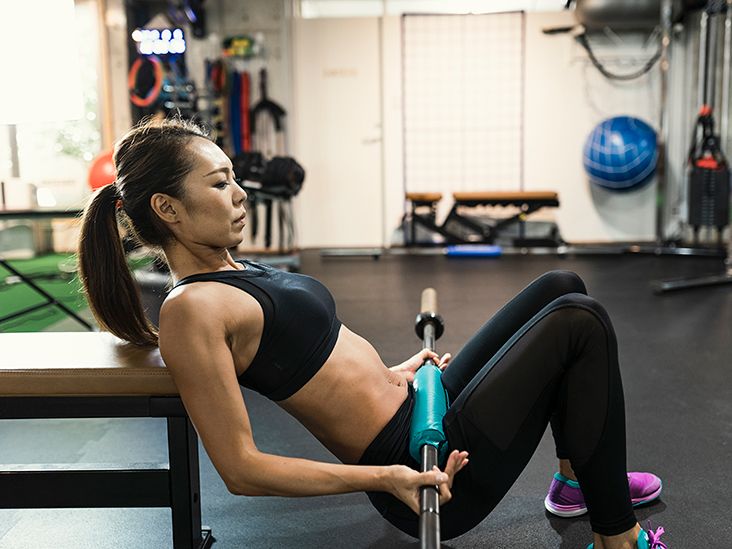
Credit: www.healthline.com
Importance Of Reps In Workouts
Understanding reps in workouts is key for effective gym sessions. Reps, short for repetitions, refer to the number of times you perform a specific exercise movement. They help in tracking progress and determining workout intensity.
The importance of reps in workouts cannot be overstated. Reps, short for repetitions, form the backbone of strength training. They are key to building muscle and endurance. Each rep challenges your muscles, pushing them to adapt and grow. Understanding the significance of reps helps improve workout results. It allows you to tailor your fitness routine effectively.Understanding Muscle Growth Through Reps
Muscle growth relies on repeated stress. Reps create this stress, leading to muscle fiber damage. Your body repairs these fibers, making them stronger. More reps mean more growth potential. It’s a simple yet powerful process.Balancing Reps For Strength And Endurance
Different goals require different rep ranges. Low reps build strength. High reps increase endurance. Choose reps based on your fitness objectives. This balance is crucial for achieving desired results.Tracking Progress With Reps
Reps help track workout progress. Increasing rep counts shows improvement. It’s a clear metric for measuring gains. This tracking keeps motivation high and workouts challenging.Reps Influence Caloric Burn
Reps affect how many calories you burn. More reps lead to higher energy expenditure. This aids in weight loss and fitness. Adjusting reps can fine-tune caloric goals.Safety And Form In Reps
Proper form is vital when performing reps. It prevents injury and ensures effectiveness. Focus on technique over speed. Quality reps outweigh quantity. This approach safeguards your health. Understanding reps transforms workouts. It maximizes results and personalizes fitness. Each rep counts towards a stronger, healthier you.Types Of Reps Explained
Understanding different types of reps is crucial in gym training. Reps, short for repetitions, are the number of times you perform an exercise. Each type of rep has its unique purpose and benefits. Let’s explore these types to enhance your workout routine.
Single Reps
Single reps focus on maximum effort for one repetition. They are common in powerlifting and strength training. The goal is to lift the heaviest weight possible for one rep. Single reps help in building raw strength.
Multiple Reps
Multiple reps involve performing several repetitions in one go. This type aims at improving endurance and muscle growth. Typically, you perform between 8 to 12 reps. Multiple reps help in toning muscles and enhancing stamina.
Set Reps
Set reps refer to a group of reps performed in sequence. For example, a set might include three sets of 10 reps each. Set reps help in structuring workouts and tracking progress. They provide a balanced approach to strength and endurance.
Rep Ranges For Different Goals
Understanding “rep” is key in the gym. It refers to the number of times you perform an exercise. Different rep ranges target various goals like strength, muscle growth, or endurance. Adjusting reps helps tailor workouts to specific fitness objectives.
Understanding the right rep range in your gym routine can drastically influence your results. Whether you’re aiming for sheer strength, muscle growth, or improved endurance, each goal has its unique rep range. Knowing which one to target can help you make the most of your workouts. Imagine you’re at the gym, lifting weights. How many reps should you do to achieve your specific goal? The answer lies in understanding the nuances of rep ranges. Let’s break it down.Strength Building
To build strength, focus on low rep ranges. Typically, 1-5 reps per set is optimal. This allows you to lift heavier weights, pushing your muscles to their maximum capacity. Consider incorporating compound exercises like squats or deadlifts. These movements engage multiple muscle groups, enhancing your overall strength. Remember, rest periods are crucial here. Aim for 2-5 minutes between sets to recover fully. This ensures each lift is performed with maximum power.Muscle Growth
If your goal is muscle growth, think in terms of moderate rep ranges. Aim for 6-12 reps per set. This promotes hypertrophy, which is the enlargement of muscle fibers. Incorporate a mix of compound and isolation exercises. This combination targets muscles from different angles, promoting balanced growth. Keep rest periods shorter, around 30-90 seconds. This keeps your muscles under tension, a key factor in muscle growth.Endurance Improvement
For endurance, high rep ranges are your friend. Aim for 12-20 reps per set, or even more. This trains your muscles to sustain prolonged activity. Choose lighter weights to maintain form and avoid injury. Exercises like push-ups or cycling can be particularly effective. Shorten your rest periods to less than 30 seconds. This challenges your cardiovascular system, boosting endurance. Understanding these rep ranges can transform your gym experience. Instead of aimlessly lifting weights, you now have a clear path to your goals. So, what are you aiming for in your fitness journey?Common Rep Mistakes
Performing reps correctly is crucial for effective gym workouts. Many gym-goers make common rep mistakes that hinder progress. These mistakes can lead to injuries and wasted efforts. Understanding these errors can significantly improve your gym routine and results.
Overtraining
Overtraining occurs when you push your body too hard. This can lead to fatigue and injuries. Your muscles need time to recover. Balance your workouts with rest days. Listen to your body and avoid excessive reps.
Incorrect Form
Using the wrong form is a frequent mistake. It can cause injuries and reduce exercise effectiveness. Always maintain proper posture and alignment. Focus on quality, not just quantity. Watch tutorials or ask a trainer for guidance.
Ignoring Progression
Ignoring progression stalls your gains. Your body adapts to the same routine. Gradually increase weights and reps over time. This challenges your muscles and promotes growth. Track your progress to ensure consistent improvement.
Optimizing Your Rep Strategy
Optimizing your rep strategy in the gym can be the key to unlocking your fitness potential. Reps, short for repetitions, are the backbone of strength training, and tailoring them to fit your personal goals can make all the difference. Whether you’re aiming for muscle growth, increased endurance, or improved strength, understanding how to strategically plan your reps can lead to more effective workouts and faster results.
Personalized Rep Plans
Creating a personalized rep plan is like designing a blueprint for your body transformation. Everyone’s fitness journey is unique, so it’s crucial to tailor your reps to meet your specific goals and capabilities. If you’re looking to build muscle mass, consider higher weights with fewer reps. This approach focuses on hypertrophy, encouraging muscle fibers to grow. On the other hand, if endurance is your aim, opt for lighter weights with higher reps to enhance stamina.
Don’t shy away from experimenting with different rep ranges. Listen to your body and adjust based on how your muscles respond. Remember, what works for someone else may not work for you. Your personalized plan should evolve as you progress. Have you noticed changes in strength or muscle growth with a specific rep range?
Tracking Progress
Tracking your progress is essential to optimize your rep strategy effectively. Keeping a record of your workouts helps you monitor improvements and identify areas needing adjustment. Consider maintaining a workout journal or using fitness apps to log your reps, sets, and weights. This habit not only keeps you accountable but also provides insights into your progress.
Regularly review your records to spot trends. Are certain rep ranges delivering better results than others? Use this information to refine your strategy. Tracking progress is not just about numbers; it’s about understanding the story they tell. How will you measure success in your fitness journey?
Exploring Advanced Rep Techniques
Exploring advanced rep techniques in the gym involves understanding what “rep” means. A “rep” or repetition is a single complete movement of an exercise. This concept is key to building strength and endurance.
Exploring advanced rep techniques can transform your gym routine. Understanding different methods helps in achieving specific fitness goals. These techniques target muscle growth and endurance effectively. Let’s dive into some popular advanced rep methods.Supersets
Supersets combine two exercises back-to-back without rest. This technique saves time and boosts workout intensity. It challenges muscles by engaging different groups quickly. For example, pair a chest exercise with a back exercise. This keeps your heart rate high and burns more calories. Supersets are great for improving muscle endurance.Drop Sets
Drop sets involve reducing weight after reaching muscle fatigue. Start with your max weight. Perform reps until failure. Then, decrease the weight and continue. This method pushes muscles to their limit. It encourages muscle growth by maximizing stress. Drop sets are ideal for breaking through plateaus. They add variety to your routine and keep workouts exciting.Pyramid Sets
Pyramid sets start with lighter weights and increase progressively. Begin with a high number of reps and low weight. Gradually increase weight while reducing reps. This technique builds strength and muscle mass efficiently. It allows gradual adaptation to heavier loads. Pyramid sets can also be reversed for variety. They enhance both strength and endurance, making them versatile.Role Of Reps In Overall Fitness
Reps play a crucial role in overall fitness. They are the building blocks of any workout routine. Understanding reps can help optimize your fitness journey. Consistency and proper execution of reps lead to better results.
What Are Reps?
Reps, short for repetitions, are the number of times you perform an exercise. They are fundamental in strength training. Each rep involves a full range of motion.
Impact On Muscle Growth
Reps are key in muscle development. They help increase muscle endurance and strength. Performing more reps with lighter weights can enhance muscle endurance.
Reps And Weight Loss
Reps contribute to calorie burning. Higher reps can boost metabolic rate. This aids in weight loss by increasing energy expenditure.
Enhancing Cardiovascular Health
Reps improve cardiovascular fitness. They increase heart rate during workouts. This strengthens the heart over time.
Reps For Flexibility
Proper reps can enhance flexibility. Stretching through full ranges of motion aids in joint mobility. This reduces the risk of injury.
Reps And Mental Toughness
Reps build mental resilience. Completing a set number requires focus and determination. This mental strength translates to other life areas.
How To Optimize Your Reps
- Focus on quality over quantity.
- Maintain proper form throughout the exercise.
- Adjust weight based on your fitness level.
- Incorporate a mix of high and low reps.
Credit: www.healthline.com
Frequently Asked Questions
What Does 3 Sets Of 15 Reps Mean?
3 sets of 15 reps mean performing an exercise 15 times, taking a break, then repeating for a total of 3 rounds. This helps build endurance and strength effectively.
What Does Rep Mean For Gym?
“Rep” in the gym refers to a repetition. It counts one complete movement of an exercise. Reps help track the number of times you perform an exercise, contributing to workout intensity and progress. Increasing reps can enhance strength and endurance.
What Is 12 Reps Mean?
“12 reps” means performing an exercise 12 times in a single set. Reps, short for repetitions, help build strength and endurance. Completing 12 reps typically targets muscle growth and fitness improvement. Always focus on proper form for effective results and injury prevention.
What Does 3 Sets Of 8 Reps Mean?
“3 sets of 8 reps” means doing an exercise 8 times, resting, and repeating this cycle three times. Each group of 8 repetitions is one set. This format helps build strength and endurance.
Conclusion
Understanding “rep” is key to gym success. It helps track progress. Reps show how many times you perform an exercise. They are crucial for strength and endurance. Consistent reps lead to muscle growth. Tracking reps helps set goals. It also prevents overtraining.
Beginners should start with fewer reps. Gradually increase as strength builds. Remember, each rep counts. Listen to your body. Adjust reps based on your fitness level. Stay motivated. Keep challenging yourself. Tracking reps can boost confidence. It enhances your workout routine.
Stay consistent, and you’ll see results. Happy lifting!