Imagine effortlessly enhancing your vision without the hassle of glasses. Contact lenses can offer you just that freedom.
But before you dive into the world of contacts, there’s a crucial step you shouldn’t overlook: the contact lens fit. It’s not just a routine check; it’s the key to comfort, safety, and optimal vision. A well-fitted lens can mean the difference between a clear, comfortable experience and persistent discomfort or even eye health issues.
Are you curious to know how this fit is determined and why it’s so important for your eyes? Let’s unlock the secrets behind a perfect contact lens fit and ensure your eyes get the care and precision they deserve. Dive in to discover how you can make your contact lens experience seamless and worry-free.
Contact Lens Fit Basics
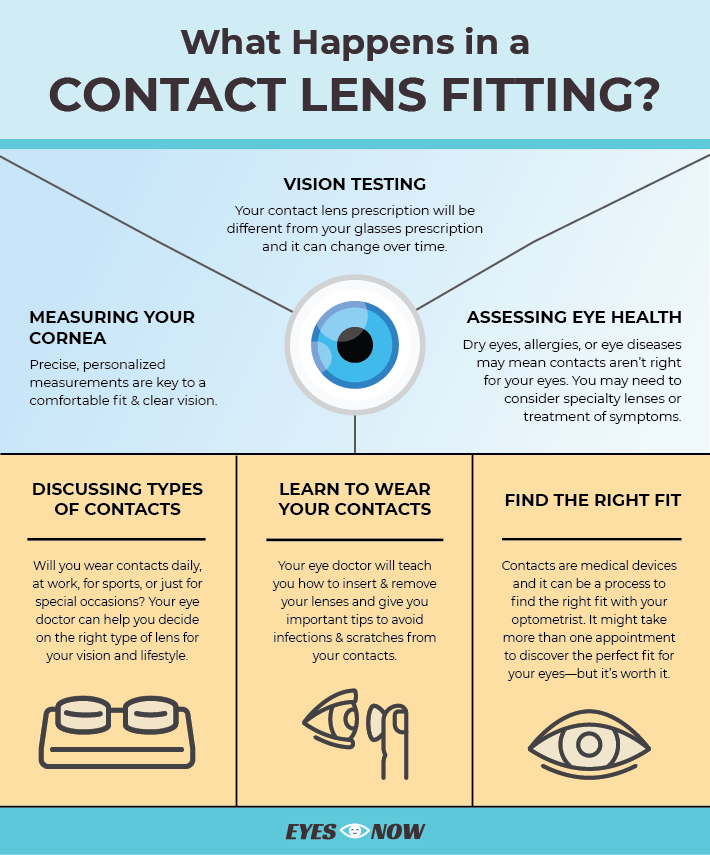
A contact lens fit ensures lenses match the shape and size of your eyes. It includes a proper fitting by an eye care professional. Comfort and clear vision depend on this process.
Contact Lens Fit Basics Choosing the right contact lens is more than just a matter of picking a brand or type. It’s about ensuring a perfect fit that caters to your unique eye shape and needs. A well-fitted contact lens can enhance comfort, vision, and eye health.Understanding Eye Measurements
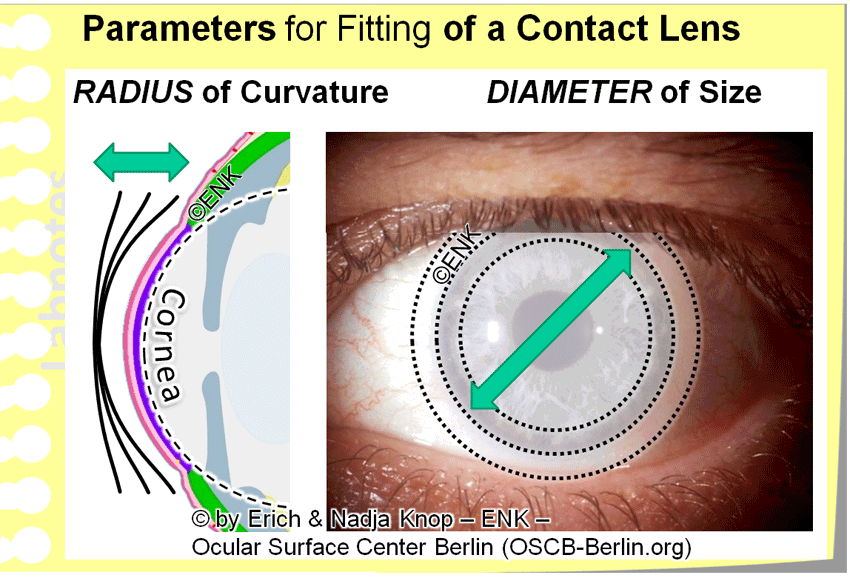
Your eye doctor will measure the curvature of your cornea. This determines the base curve of your lens. It’s similar to how shoe size works but for your eyes. They’ll also assess the diameter needed. This ensures the lens covers your eye properly without slipping or causing irritation. Ever wondered why lenses come in different sizes? This is why.Evaluating Tear Production
Tears are crucial in keeping lenses comfortable. Your optometrist will check your tear film. This helps to decide if you need lenses with higher moisture content. If your eyes tend to dry out, there are specific lenses designed to retain moisture better. Have you ever felt your lenses drying out by the afternoon? This could be your solution.Trial And Error Process
You’ll likely try several lenses before finding the perfect fit. This is normal, so don’t get discouraged. Each trial is a step closer to optimal comfort. During this period, wear the lenses for a few hours each day. This way, you can notice any discomfort or vision issues. Remember when you found that perfect pair of jeans after trying several? It’s a similar journey.Importance Of Follow-up Visits
After the initial fitting, follow-up visits are crucial. They allow your doctor to make necessary adjustments. Sometimes what feels right initially might need a tweak after a week’s wear. These visits help in fine-tuning your lens choice. Have you ever gone back for a second fitting of anything? The adjustments often make a big difference.Common Fitting Mistakes
Skipping professional fitting can lead to discomfort. Relying solely on recommendations from friends might not work for your eyes. Everyone’s eyes are different, and a professional fit ensures the best match. Neglecting follow-up visits can also hinder finding the right lens. Your lenses should adapt to your lifestyle, not the other way around. Have you ever tried someone else’s glasses and found them uncomfortable? The same principle applies here.Choosing the right contact lens fit can transform your experience. It’s about finding what works specifically for you. Are you ready to find your perfect fit?
Credit: oscb-berlin.org
Importance Of Proper Fit
Contact lenses have transformed the way we see the world, offering convenience and clarity. Yet, the magic lies in getting the perfect fit. A proper contact lens fit is crucial for your eye health and comfort. It’s not just about seeing better, but feeling better too. You wouldn’t wear shoes that pinch, so why settle for lenses that irritate?
Think about the last time you wore something uncomfortable. Did it distract you all day? Contact lenses can do the same if they don’t fit well. A poor fit can lead to eye irritation, redness, or even infection. You deserve lenses that feel like they’re barely there.
Imagine a day without worrying about your lenses. When the fit is right, your focus shifts from discomfort to the tasks at hand. Properly fitted lenses can boost your confidence and productivity. You can enjoy life’s moments without adjusting your lenses constantly.
Consider visiting your eye care professional regularly. They can ensure your lenses fit perfectly as your eyes change. Your eyes are unique, and so should be your lenses. Don’t miss out on the joy of having lenses that complement your lifestyle.
What Happens When Lenses Don’t Fit Properly?
If your lenses are too tight, they restrict oxygen to your eyes. This can cause dryness and potential damage. On the flip side, loose lenses might slip, causing blurred vision. You deserve to see the world clearly without compromises.
Ever felt like your lenses were fogging up? A poor fit might be the culprit. Your lenses should align with your eye’s curvature, ensuring seamless vision. It’s like finding the right puzzle piece; when it fits, everything comes together beautifully.
How To Ensure A Proper Fit
Schedule regular eye exams. Your optometrist can measure your eyes and recommend the best lenses. This is not a luxury; it’s a necessity for your eye health. You wouldn’t skimp on your car’s maintenance, so treat your eyes with the same care.
Ask questions during your appointment. Are you unsure about the fit? Voice your concerns. It’s your vision, and you should have a say in what feels right. Your comfort is a priority, and it should never be compromised.
Try different lens types if needed. Sometimes, a change in material or design can make all the difference. Your eyes have unique needs, and the right lenses can cater to them. Explore your options until you find your perfect match.
Personal Experience: The Difference A Proper Fit Makes
I once ignored the importance of a proper fit, thinking it was trivial. The discomfort was a daily distraction. When I finally got the right fit, it was life-changing. I could focus on my work without the constant irritation.
It made me realize how much I had been missing. Seeing clearly and comfortably is a gift you deserve. So, take the time to ensure your lenses fit perfectly. It’s a small effort for a big payoff.
Have you ever considered how much your lenses affect your daily life? Reflect on your comfort and make adjustments as needed. Your eyes will thank you for it.
Steps In A Contact Lens Fitting
Contact lens fitting is a crucial process for clear and comfortable vision. It ensures your lenses suit your eyes perfectly. This involves several steps. Each step is vital for the best experience.
Pre-fitting Eye Exam
An eye exam is the first step in the fitting process. The optometrist checks your vision and eye health. They assess your prescription needs. This exam helps in detecting any eye issues. Only a qualified professional should conduct this exam.
Choosing The Right Lens Type
Different lens types suit different needs. Soft lenses are flexible and comfortable. Rigid lenses provide sharper vision. Your lifestyle and eye health influence the choice. The optometrist will guide you through options.
Lens Measurements
Accurate measurements are crucial for a perfect fit. The optometrist measures the curvature of your cornea. This step ensures the lens sits correctly on your eye. The diameter of your eye is also measured. These measurements prevent discomfort and irritation.

Credit: www.realeyesoptometry.com
Types Of Contact Lenses
Contact lens fit is essential for comfort and eye health. Proper fit ensures lenses align correctly on the eye. Types vary, including soft, rigid gas permeable, and hybrid lenses, each suited for different needs. Always consult an eye care professional for the best fit.
Contact lenses have become a popular choice for those seeking an alternative to glasses. But did you know that not all contact lenses are the same? Different types cater to different needs and preferences. Understanding these types can help you make an informed decision when considering contact lenses for yourself.Soft Lenses
Soft lenses are the most common type of contact lenses. They are made from gel-like, water-containing plastics that are soft and flexible. This makes them incredibly comfortable to wear, even for extended periods. They are ideal for those who have an active lifestyle because they are less likely to dislodge from the eye. Have you ever tried wearing glasses during a workout? Soft lenses can be a game-changer.Rigid Gas Permeable Lenses
Rigid Gas Permeable (RGP) lenses offer a different experience. They are made from durable materials and provide crisp, clear vision. Although they are not as initially comfortable as soft lenses, they allow more oxygen to pass through to the eyes. RGP lenses are perfect for people with astigmatism or specific corneal irregularities. Have you ever felt your vision could be sharper? RGP lenses might be the solution you need.Specialty Lenses
Specialty lenses cater to unique vision needs. These include toric lenses for astigmatism, multifocal lenses for presbyopia, and orthokeratology lenses that reshape the cornea overnight. Consider specialty lenses if you have specific requirements that standard lenses can’t meet. Are you struggling to read the fine print or have a unique vision issue? There’s likely a specialty lens designed just for you. Choosing the right type of contact lens is crucial for comfort and vision clarity. Have you identified which type suits your lifestyle and vision needs? Your eyes deserve the best, and with the right choice, contact lenses can offer unparalleled convenience and clarity.Common Fit Issues
A contact lens fit ensures lenses sit comfortably on your eyes. Common fit issues include discomfort, blurry vision, or redness. Proper fitting avoids these problems, ensuring clear vision and comfort.
When it comes to contact lenses, a proper fit is crucial to ensure comfort and optimal vision. However, many people face common fit issues that can impact their daily experience. Whether you’re new to lenses or a seasoned user, understanding these issues can help you make informed decisions about your eye care. Let’s delve into some of the most prevalent problems: discomfort, blurry vision, and lens displacement.Discomfort And Irritation
Have you ever found yourself rubbing your eyes after putting in your lenses? Discomfort and irritation are often the first signs of an improper fit. This can result from dryness, allergies, or even a mismatch in lens size. Imagine sitting through a long meeting while your eyes feel like sandpaper. It’s not just physically bothersome; it can affect your focus and productivity. Regular eye exams and consultations can help you identify the root cause of discomfort and find solutions, such as switching to a different lens material or adding moisture drops.Blurry Vision
Blurry vision with contact lenses can be frustrating. It’s like looking through a foggy windshield on a rainy day. This issue might occur if the lens is not correctly centered over your eye or if there’s an incorrect prescription. Have you ever tried to read a menu and found yourself squinting despite wearing lenses? That’s a sign something’s off. To tackle blurry vision, ensure your lenses are clean and correctly positioned. Regular check-ups with your optometrist can help adjust your prescription and improve clarity.Lens Displacement
Lens displacement is when the lens moves around on your eye, sometimes slipping out of place entirely. It’s like a slipper that doesn’t quite fit, causing an awkward gait. This can happen due to incorrect lens size or shape. Think of a time when you blinked and suddenly felt your lens sliding. It can be both annoying and concerning. To prevent lens displacement, follow proper insertion techniques and consult with your eye specialist about the best lens type for your eye shape. These common fit issues can affect your daily activities and overall eye health. Are you experiencing any of these problems? What steps will you take to ensure your lenses fit perfectly? Remember, your comfort and vision are paramount, and addressing these issues promptly can make a world of difference.Tips For A Successful Fit
Getting a contact lens fit right is crucial for comfort and eye health. A successful fit enhances vision and avoids discomfort. Follow these tips to ensure your lenses fit perfectly. Good communication, patience, and regular check-ups are key.
Communicating With Your Eye Care Professional
Clear communication with your eye care professional is essential. Share your lifestyle and vision needs. Discuss any past issues with lenses. This helps in choosing the best lens type for you. Don’t hesitate to ask questions. Understanding your options is important.
Trial And Adjustment Period
Expect a trial and adjustment period with new lenses. It may take time to get used to them. Wear them for short periods initially. Gradually increase wear time as comfort improves. If discomfort persists, inform your eye care professional. Adjustments may be necessary.
Regular Follow-up Appointments
Regular follow-up appointments ensure the fit remains optimal. They help track your eye health. Your eye care professional will check for any changes. This includes vision or eye health changes. Regular visits are crucial for maintaining comfort and safety.
Caring For Your Contact Lenses
A proper contact lens fit ensures comfort and safety for your eyes. It involves measuring your eye’s shape and size. This helps to find lenses that align perfectly, reducing irritation and maintaining eye health.
Caring for your contact lenses is a vital part of maintaining both eye health and vision clarity. Proper care not only extends the life of your lenses but also prevents potential eye infections. A few simple habits can significantly impact how well your lenses perform and how comfortable they feel. Let’s dive into some practical tips that will help you care for your contact lenses effectively.Cleaning And Storage
Cleaning your contact lenses is essential to remove any debris or bacteria that may accumulate during the day. Use a lens solution specifically designed for your type of lenses. Avoid using water as it can introduce harmful germs. Storage is equally important. Always store your lenses in a clean lens case and replace the case every three months to prevent contamination. Remember, your lens solution should be changed daily to ensure a sterile environment for your lenses.Replacement Schedule
Following a replacement schedule for your contact lenses is crucial. Whether they are daily, bi-weekly, or monthly lenses, sticking to the timeline helps maintain optimal lens performance. Overusing lenses beyond their recommended period can lead to discomfort and potential eye issues. A practical tip is to set reminders on your phone for lens replacement. This ensures you never forget when it’s time for a fresh pair, safeguarding your eye health.Avoiding Common Mistakes
Even seasoned contact lens wearers can slip into bad habits. One common mistake is wearing lenses while sleeping, which can deprive your eyes of oxygen. Always remove them before bed unless they’re specifically designed for overnight use. Another mistake is not washing your hands before handling your lenses. Clean hands prevent transferring oils and germs from your fingers to your eyes. Are you guilty of wearing lenses while swimming or showering? This practice can expose your eyes to harmful bacteria, so it’s best to avoid it. Caring for your contact lenses might seem like a chore, but it’s a small effort for significant rewards. What changes will you make to improve your lens care routine? Implementing these simple tips will keep your eyes healthy and your vision clear.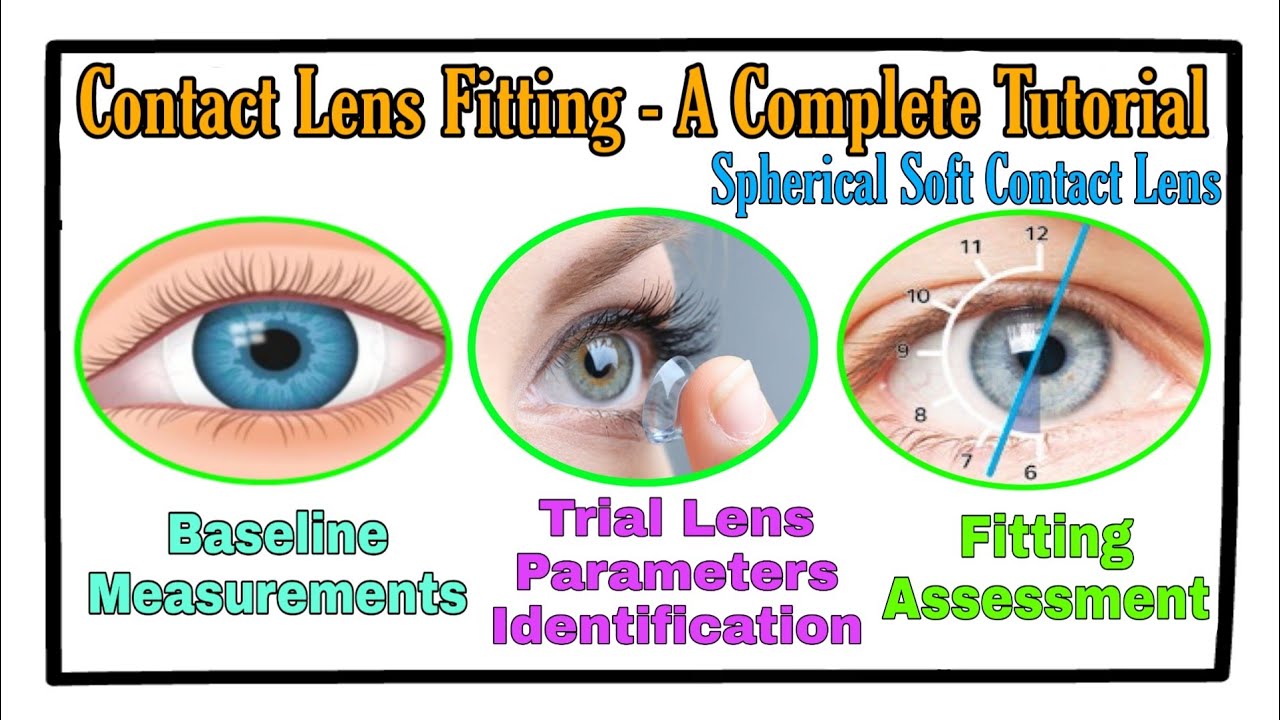
Credit: www.youtube.com
When To Seek Help
Contact lens fitting is crucial for comfort and eye health. It’s not just about choosing the right lens; it’s about ensuring it fits perfectly. Sometimes, issues arise that require immediate attention. Understanding when to seek professional help can prevent long-term problems.
Common Signs Of Discomfort
Redness or irritation in your eyes can indicate a poor fit. If lenses feel dry or uncomfortable, consult a specialist. Persistent discomfort may lead to eye infections or other complications.
Blurred Vision
If your vision is blurry, your lens might not be suitable. Blurred vision can affect daily activities and reduce safety. A professional can adjust the fit or recommend a different type.
Frequent Lens Movement
Does your lens move too often? It might be loose. Frequent movement can cause irritation or even damage. A fitting specialist can secure the lens properly.
Excessive Tearing
Excessive tearing can signal a fitting issue. Tears can wash away the lens, causing discomfort. Seek help if tearing persists for a better fit.
Allergic Reactions
Allergic reactions can occur with contact lenses. Itching or swelling might be signs. A professional can identify allergens and suggest alternatives.
Difficulty In Removal
Struggling to remove your lens? It might be too tight. This can lead to eye injuries if not addressed. Seek help to ensure safe removal.
Sudden Changes In Vision
Sudden changes in vision can be alarming. They might indicate a problem with the fit. Immediate consultation can prevent further issues.
Unusual Eye Pain
Unusual eye pain should never be ignored. Pain can signal serious problems. A fitting expert can diagnose and treat effectively.
Persistent Headaches
Headaches can result from improper lens fit. They affect daily life and productivity. Professional fitting can resolve this issue.
Recognizing these signs early ensures your eyes stay healthy. Regular check-ups and prompt attention to symptoms protect your vision.
Frequently Asked Questions
What Does Contact Lens Fit Mean?
Contact lens fit refers to how well lenses align with your eye’s shape, ensuring comfort and optimal vision. Proper fit prevents discomfort and eye health issues. An eye care professional measures your eyes to determine the best fit, considering factors like lens diameter and curvature.
What Is Done At A Contact Lens Fitting?
A contact lens fitting involves measuring your eyes and assessing their health. The optometrist determines the correct lens type and size. You will try different lenses to ensure comfort and vision clarity. The process includes instructions on lens care and usage.
It ensures lenses fit properly and safely.
What Is A Contact Lens Fitting Charge?
A contact lens fitting charge covers the professional service of measuring your eyes for contact lenses. It ensures proper fit, comfort, and vision correction. This fee might also include follow-up visits, training for lens care, and trial lenses. Prices can vary based on the provider and lens type.
Is A Contact Lens Fitting The Same As An Eye Exam?
A contact lens fitting is not the same as an eye exam. An eye exam checks overall eye health and vision. A contact lens fitting specifically measures your eyes for contact lenses and ensures the right fit and comfort. Both are important but serve different purposes.
Conclusion
A contact lens fit is crucial for eye comfort and health. The right fit prevents irritation and promotes clear vision. Always consult an eye care professional for accurate fitting. They ensure lenses match your eye shape and needs. Remember, proper hygiene is vital for lens wearers.
Clean and store lenses as advised to avoid infections. Regular check-ups help maintain eye health and lens comfort. Contact lenses can be a convenient option when fitted correctly. Take the time to find the perfect fit. Your eyes deserve it.