Imagine a diet that promises to heal your gut and transform your health. You’re probably wondering how that could be possible.
Enter the GAPS diet—a nutritional protocol designed to address gut-related issues by focusing on the foods you eat. If you’ve been struggling with digestive problems, allergies, or even mood disorders, this could be the answer you’ve been searching for. This introduction is just the beginning of unlocking the potential of the GAPS diet.
As you read on, you’ll discover how this unique approach to eating can impact your well-being. You’ll learn what makes the GAPS diet different from other diets and why it might be the key to solving your health puzzles. Ready to dive deeper into how you can transform your health through your diet? Let’s explore the fascinating world of the GAPS diet together.
Gaps Diet Basics
The Gaps Diet is gaining attention for its unique approach to gut health and mental well-being. Understanding its basics can help you decide if it’s the right fit for your health journey. From its origins to its core principles, let’s explore what makes the Gaps Diet intriguing and potentially transformative.
Origins And Development
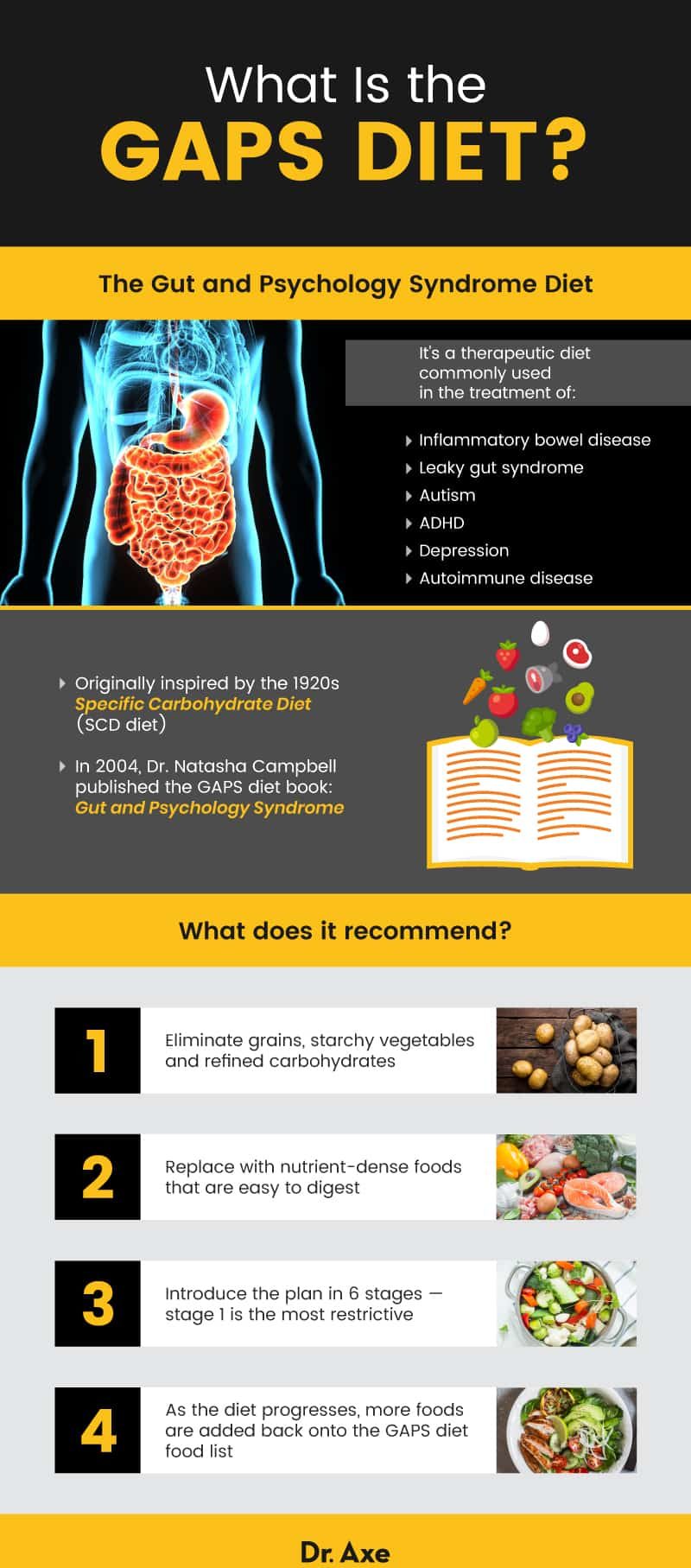
The Gaps Diet was developed by Dr. Natasha Campbell-McBride, a neurologist with a personal mission. After her son was diagnosed with learning disabilities, she searched for solutions beyond conventional medicine. This led her to create a diet focused on healing the gut, known as the Gut and Psychology Syndrome (GAPS) Diet.
Dr. Campbell-McBride combined her medical expertise with extensive research into nutrition. She believed that many neurological and psychological conditions are linked to gut health. Her innovative approach has been embraced by individuals seeking alternative treatments for issues like autism and ADHD.
Core Principles
The Gaps Diet centers around gut healing through specific dietary changes. It emphasizes consuming nutrient-rich foods that support the digestive system. Key foods include meat stocks, fermented foods, and fresh vegetables.
Avoiding certain foods is equally important. Processed foods, grains, and sugars are excluded to reduce gut inflammation. This elimination helps the gut repair itself, improving nutrient absorption and overall health.
Have you ever wondered how your diet affects your mental clarity? The Gaps Diet suggests that healing your gut can lead to better brain function. By focusing on gut health, you may see improvements in mood and cognitive abilities.
Exploring the Gaps Diet might challenge your usual eating habits. But could it offer the solution you’ve been seeking for better health? Understanding these basics is your first step toward discovering its potential benefits.
Credit: draxe.com
Key Components
The GAPS Diet, short for Gut and Psychology Syndrome Diet, aims to heal the gut. It supports digestion and can benefit those with certain mental health conditions. Understanding the key components of this diet is crucial. This involves knowing which foods are allowed and which to avoid.
Allowed Foods
The GAPS Diet emphasizes whole, unprocessed foods. Meat and fish are staples. These provide essential nutrients. Fresh fruits and vegetables are encouraged. They are rich in vitamins and minerals. Eggs are another important protein source. Fermented foods, like sauerkraut, support gut health. Probiotic-rich foods help restore healthy bacteria. Nuts and seeds are allowed in moderation. They offer healthy fats and proteins. Homemade bone broth is highly recommended. It aids in healing the gut lining.
Foods To Avoid
Processed foods are strictly off-limits. They can harm the gut and overall health. Sugar is to be avoided. It feeds harmful bacteria and yeast. Grains and starches are excluded. They may irritate the gut lining. Dairy is limited to fermented products only. Unfermented dairy can be difficult to digest. Artificial additives and preservatives are banned. They can disrupt gut flora. Legumes are not included in the diet. They may cause digestive distress. Avoiding these foods helps maintain gut balance.
Phases Of The Gaps Diet
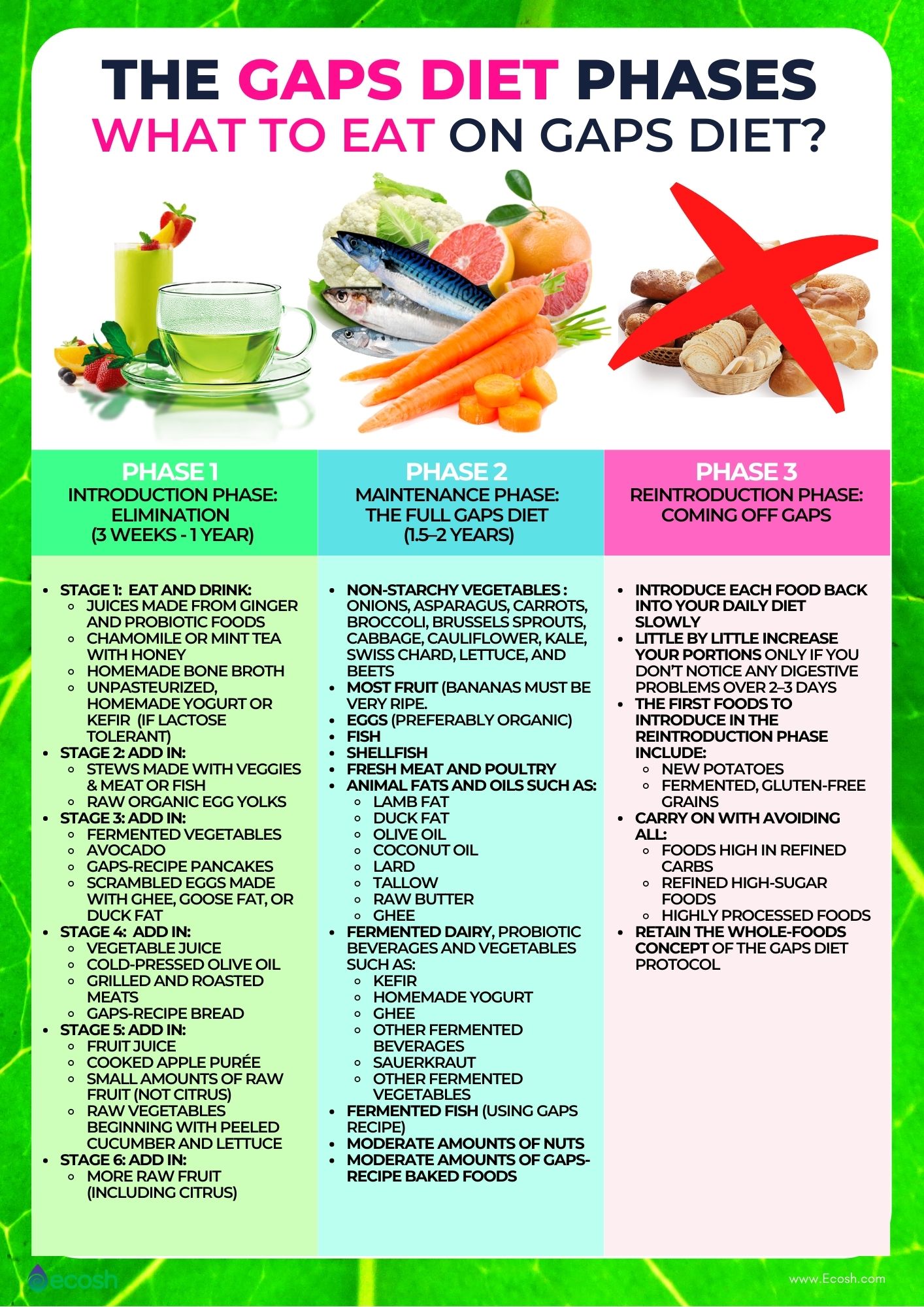
The Gaps Diet is designed to heal the gut. It is a structured eating plan. The diet consists of different phases. Each phase has a unique purpose. Understanding these phases can help you follow the diet correctly. Let’s explore each phase in detail.
Introduction Phase
The Introduction Phase is the first step. It focuses on healing the gut lining. This phase includes homemade broths and soups. Fermented foods are also introduced. These foods help restore healthy gut bacteria. The introduction phase is split into six stages. Each stage adds more foods gradually. This careful progression aids digestion and absorption. It also reduces symptoms like bloating and pain.
Full Gaps Diet
The Full Gaps Diet is the next phase. It allows a wider variety of foods. Fresh fruits and vegetables are included. Meats, fish, and eggs are staples. Fermented foods remain important. This phase supports long-term gut health. It provides essential nutrients and energy. The Full Gaps Diet can be followed for months. It depends on individual healing needs.
Transitioning Out
Transitioning Out is the final phase. It reintroduces foods slowly. This step ensures the gut is ready. Foods like grains and potatoes are added. Dairy is also reintroduced, if tolerated. Monitoring symptoms is crucial during this phase. It helps identify any problem foods. Transitioning out requires patience and care. The goal is to maintain a healthy gut long-term.
Credit: ecosh.com
Impact On Gut Health
Understanding the GAPS Diet and its impact on gut health is crucial. The diet targets digestive system healing. It aims to restore gut flora balance. This approach can improve overall health.
Gut Healing Mechanisms
The GAPS Diet focuses on gut lining repair. It introduces easy-to-digest foods. These foods reduce gut inflammation. They promote beneficial bacteria growth. Fermented foods are key components. They support gut ecosystem recovery. Bone broth provides essential nutrients. It aids in gut cell regeneration. Together, these elements heal the gut.
Benefits For Digestive Disorders
The GAPS Diet offers relief for digestive issues. It helps with conditions like IBS and Crohn’s disease. The diet reduces symptoms such as bloating and cramps. It assists in nutrient absorption improvement. People with chronic digestive disorders find benefits. Enhanced gut health leads to better digestion. Improved digestion supports overall well-being.
Scientific Perspectives
A GAPS diet focuses on healing the gut by eliminating certain foods. It emphasizes nutrient-dense meals like meat, fish, and vegetables. The goal is to improve digestive health and overall well-being.
Scientific Perspectives The GAPS diet, standing for Gut and Psychology Syndrome, has caught the attention of many for its claims to improve gut health and mental well-being. But what does science say about it? Understanding the scientific perspectives can help you make informed decisions about your health journey.Research Findings
Research on the GAPS diet is limited but growing. Some studies suggest that gut health significantly influences mental health. For instance, improving gut bacteria through diet may lessen symptoms of anxiety and depression. However, the GAPS diet itself lacks extensive scientific validation. While anecdotal evidence is widespread, rigorous trials are scarce. This raises the question: how much should we rely on personal testimonials versus scientific proof?Expert Opinions
Many health professionals have mixed feelings about the GAPS diet. Some nutritionists find it promising due to its focus on whole foods. They argue that reducing processed foods can naturally enhance gut health. On the flip side, some experts caution against its restrictive nature. Cutting out entire food groups may lead to nutritional deficiencies. Are you willing to trade variety for potential gut health benefits? Some experts also highlight the need for individualization. What works for one person might not work for another. Are you prepared to experiment and find what truly benefits your body? Navigating the world of diets can be overwhelming. When considering the GAPS diet, weigh scientific evidence alongside expert advice. What are your thoughts on balancing these perspectives in your health journey?Practical Tips
Gaps Diet focuses on healing the gut through natural foods. It emphasizes nutrient-rich meals like bone broths and fermented vegetables. Many find it helpful for improving digestion and overall health.
Transitioning to a GAPS Diet can feel overwhelming, but with some practical tips, you can make the journey smoother. It’s all about planning, understanding potential challenges, and finding solutions that fit your lifestyle. Let’s dive into how you can effectively manage the GAPS Diet with these simple yet effective strategies.Meal Planning Strategies
Start by organizing your meals around the core principles of the GAPS Diet. Focus on whole foods like meats, vegetables, and fermented products. Create a weekly meal plan to ensure you have the right ingredients on hand. Batch cooking can be a lifesaver. Prepare soups and stews in large quantities and freeze portions for later. This not only saves time but also keeps you consistent with your diet. Stock your pantry with GAPS-friendly staples. Items like homemade broths, coconut oil, and almond flour can be game changers. They help you whip up quick meals without straying from the diet.Common Challenges And Solutions
One common challenge is dealing with cravings for non-GAPS foods. When you feel tempted, have a list of GAPS-approved snacks ready. This could be as simple as carrot sticks or a cup of bone broth. Social gatherings can also pose a challenge. Inform your host about your dietary needs in advance. Offer to bring a dish that fits the GAPS Diet—this ensures you have something to eat and introduces others to delicious, healthy options. Feeling overwhelmed by the diet’s complexity? Break it down into manageable steps. Start by focusing on one meal at a time. Celebrate small victories to keep motivated. What strategies have helped you stick to a diet in the past? Could those tactics be adapted for the GAPS Diet? Reflecting on your own experiences may offer valuable insights as you embark on this dietary journey.Personal Experiences
The GAPS diet focuses on healing the gut to improve overall health. It involves removing certain foods and gradually reintroducing them. Personal experiences often highlight improved digestion and mental clarity.
Embarking on the GAPS diet is a journey. Many people choose this diet to improve gut health. Personal stories about this journey can be inspiring and insightful. They highlight both the successes and the challenges faced. These experiences help others understand what to expect. Let’s dive into some real-life accounts.Success Stories
Many have found relief from chronic conditions through the GAPS diet. Jane, a mother of two, saw her child’s eczema improve. She noticed changes within weeks. Another person, Tom, struggled with digestive issues for years. After starting the GAPS diet, he experienced significant relief. His energy levels increased. These stories show the potential benefits of the GAPS diet. They offer hope to those considering it.Challenges Faced
The GAPS diet is not without its hurdles. Some find the restrictions hard. Sarah found it difficult to give up her favorite foods. Meal preparation can be time-consuming. Many miss the convenience of ready-made meals. Others struggle with initial detox symptoms. Headaches and fatigue are common during the first weeks. These challenges require determination and support. Yet, many believe the health benefits make it worthwhile. `
Credit: www.amazon.com
Frequently Asked Questions
What Is The Gaps Diet?
The GAPS Diet, or Gut and Psychology Syndrome, focuses on healing the gut. It aims to improve brain function and overall health. It involves eliminating certain foods and introducing nutrient-dense foods. The diet is often used for conditions like autism, ADHD, and depression.
It emphasizes homemade broths, fermented foods, and vegetables.
How Does The Gaps Diet Work?
The GAPS Diet works by healing the gut lining and restoring healthy gut flora. It eliminates processed foods and sugars that harm the gut. By focusing on nutrient-rich foods, it supports the body’s healing processes. This dietary approach improves digestive health and mental well-being over time.
What Foods Are Allowed On Gaps Diet?
The GAPS Diet allows nutrient-dense foods like homemade broths, fermented foods, and vegetables. It includes meats, fish, eggs, and healthy fats. Fermented dairy products like yogurt and kefir are also included. The focus is on natural, unprocessed foods to support gut healing.
Is The Gaps Diet Good For Everyone?
The GAPS Diet may not be suitable for everyone. It’s primarily designed for those with gut-related health issues. Individuals should consult healthcare professionals before starting the diet. Personalized guidance ensures it meets specific health needs and conditions. It’s crucial to consider personal health goals and dietary preferences.
Conclusion
The GAPS Diet aims to heal the gut and improve health. It focuses on whole, nutrient-rich foods. Many find relief from digestive issues and mental health concerns. This diet emphasizes the connection between gut and brain. It may not suit everyone, so consult a healthcare provider.
Patience and commitment are key for success. Benefits vary from person to person. Trying the GAPS Diet could be worth exploring for some. Always prioritize your health and well-being. Remember, a balanced approach is essential for long-term results.