Preparing for a colonoscopy can feel daunting, especially when it comes to dietary restrictions. You might have heard about needing a low fiber diet before the procedure, but what does that actually mean for you?
Understanding this crucial step not only ensures a smoother process but also provides peace of mind. If you’ve ever wondered why a low fiber diet is essential or how it can impact your results, you’re in the right place. Let’s unravel the mystery together, so you feel confident and ready for your upcoming appointment.
Dive in, and discover how the right dietary choices can make all the difference for your health.
Purpose Of A Low Fiber Diet
Understanding the purpose of a low fiber diet is crucial for a colonoscopy. This diet prepares the colon for examination. It ensures the colon is clean and clear. Doctors need this for accurate results.
A low fiber diet helps reduce residue in the digestive tract. Fiber stays longer in the intestines. It can interfere with the colonoscopy process. Removing fiber minimizes this risk.
This diet also helps prevent bloating and discomfort. Fiber can cause gas and bloating. Limiting fiber reduces these issues. Patients feel more comfortable during the procedure.
Ensuring Clarity During Examination
The low fiber diet aids in clearing the colon. A clear colon improves visibility for doctors. It helps them spot any abnormalities. This clarity is essential for an accurate diagnosis.
Simplifying The Preparation Process
Preparing for a colonoscopy can be stressful. A low fiber diet simplifies this process. It reduces the need for aggressive bowel preparation. This makes the experience easier for patients.
Reducing Complications
Fiber can complicate a colonoscopy. It can obstruct the view or lead to discomfort. A low fiber diet minimizes these complications. It ensures a smoother procedure.
Improving Test Results
Accurate test results depend on a clear colon. A low fiber diet aids in achieving this clarity. It enhances the chances of a successful examination. Patients can trust the results.
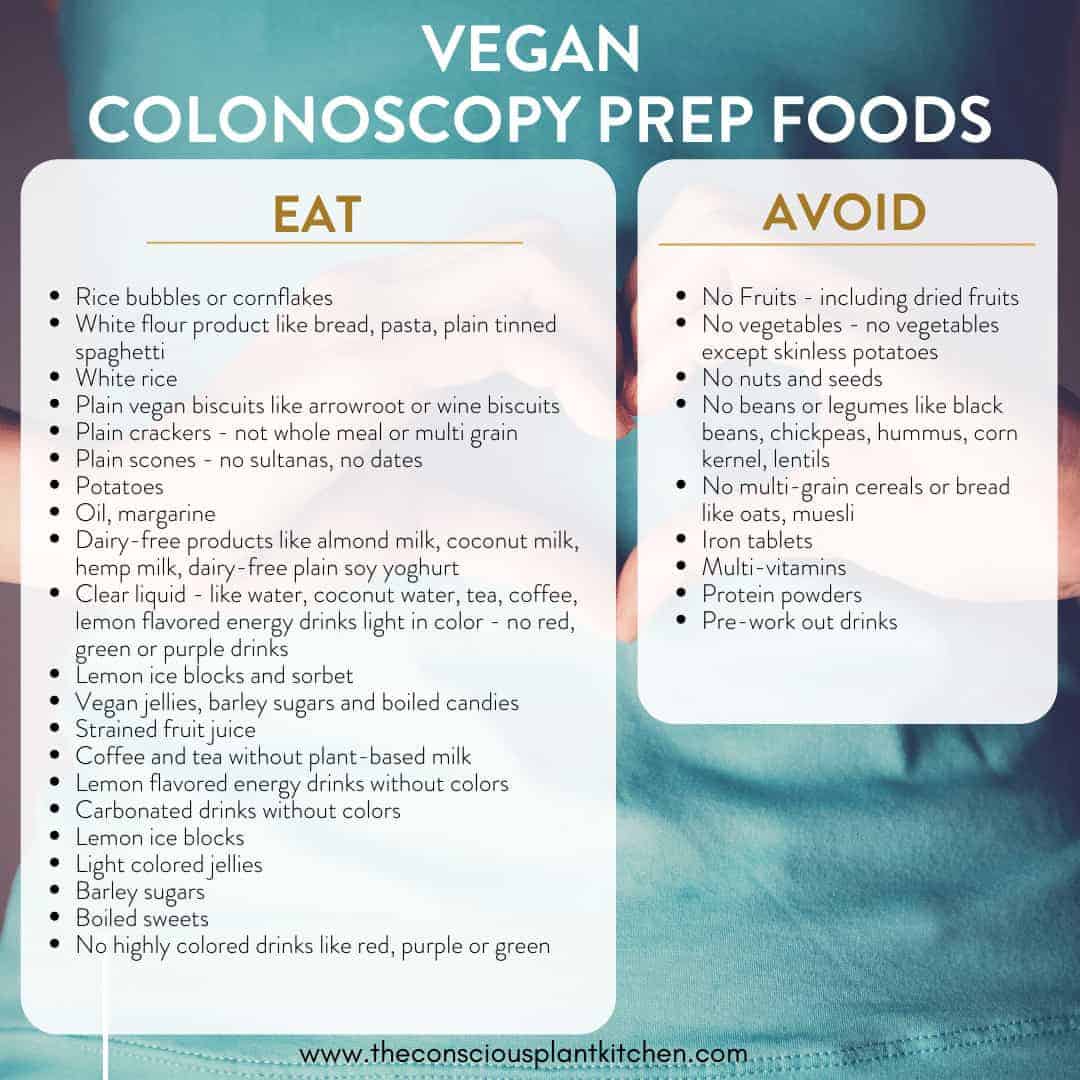
Credit: www.theconsciousplantkitchen.com
Preparing For A Colonoscopy
A low fiber diet is key before a colonoscopy. It helps clear the digestive tract for better examination. Foods like white bread, lean meat, and eggs are recommended, while whole grains and raw vegetables should be avoided.
Preparing for a colonoscopy might sound daunting, but understanding the process can make it manageable. It’s not just about the procedure; what you eat plays a crucial role. A low fiber diet is key in ensuring a clear view for your doctor. This diet might seem restrictive, but it’s temporary and vital for accurate results.Dietary Adjustments
Switching to a low fiber diet means making some changes to your meals. You’ll need to avoid whole grains, raw fruits, and vegetables. Instead, focus on white bread, rice, and pasta. Proteins like chicken, fish, and eggs are great. Dairy products are usually fine unless your doctor advises otherwise. Think about how much easier it will be to enjoy simple, plain foods. Have you ever noticed how comforting a plain bowl of white rice can be?Timing And Duration
When should you start this diet? Typically, you’ll begin two to three days before your colonoscopy. This gives your digestive system time to clear out fiber. It’s a short-term commitment for long-term health benefits. Imagine how satisfying it is to know you’re taking charge of your health. You might even find some new favorite foods along the way. The trick lies in planning your meals. Write down what you’ll eat each day to avoid last-minute stress. What if you turned this into a chance to try new recipes or cooking methods? Think of it as an opportunity to experiment with flavors you might not usually consider. Remember, this diet is temporary, and the peace of mind you’ll get from a successful colonoscopy is worth it. Preparation is key to success. How will you ensure you’re ready?Foods To Include
A low fiber diet for a colonoscopy includes white bread, rice, lean meats, and eggs. Choose smooth peanut butter and canned fruit without skin. Avoid seeds and whole grains for easy digestion and clear results.
When preparing for a colonoscopy, a low fiber diet is essential. It helps to clear your digestive tract. Knowing which foods to include can ease this process. Below are some food groups you can consider. These options ensure you stay nourished while preparing for your procedure.Fruits And Vegetables
Choose fruits without skins or seeds. Bananas are a great choice. Applesauce works well too. You can also eat canned fruits. Make sure they are peeled. Avoid berries and figs. They have tiny seeds. Cooked vegetables are good. Especially those without skins. Carrots and potatoes work if peeled. Avoid corn and broccoli. They have too much fiber.Proteins And Grains
Lean proteins are easy on your gut. Opt for chicken or turkey. Fish is another good option. Eggs are excellent too. They are easy to digest. White grains are best. Choose white bread and pasta. Rice is another safe choice. Avoid whole grains and nuts. They contain high fiber. Processed cereals can work. As long as they are not whole grain.
Credit: www.mycrohnsandcolitisteam.com
Foods To Avoid
Preparing for a colonoscopy involves dietary changes. A low fiber diet is necessary. Understanding foods to avoid is crucial. Certain foods can interfere with the procedure.
High fiber foods are off-limits. They can affect colon cleansing. Beverages and snacks also require attention. Some are surprisingly high in fiber.
High Fiber Foods
High fiber foods are abundant in grains. Whole grains top the list. Brown rice is a common example. Quinoa and barley are also high in fiber. Avoid whole grain bread and pasta.
Fruits and vegetables are fiber-rich. Apples and berries contain fiber. Leafy greens like spinach should be avoided. Beans and legumes are another source. Lentils and chickpeas are not suitable.
Beverages And Snacks
Fruit juices might seem healthy. Many contain pulp. Orange juice often has pulp, which is high in fiber. Choose clear juices instead. Vegetable juices can be problematic. They often contain fiber-rich vegetables.
Snacks require careful selection. Popcorn is a fiber-rich snack. Nuts and seeds are similar. Choose low fiber alternatives. Pretzels and plain crackers are better options.
Sample Meal Plan
A low fiber diet for a colonoscopy includes easy-to-digest foods. This helps clear the colon. Foods like white bread, eggs, and chicken are ideal. Avoid whole grains and nuts. Keep meals simple and bland to ensure a smooth procedure.
If you’re preparing for a colonoscopy, a low fiber diet is essential. This diet helps cleanse your colon effectively. A well-planned meal plan can make this process easier. Below, you’ll find a sample meal plan to guide you. It includes breakfast, lunch, dinner, snacks, and dessert options. Each section offers simple, tasty choices that align with a low fiber diet.Breakfast Options
Start your day with a light breakfast. Consider scrambled eggs. Add a slice of white toast. Opt for clear apple juice or tea. You can also try plain yogurt. Avoid added fruits or nuts. Another option is cream of wheat. It’s easy to digest and filling.Lunch And Dinner Ideas
For lunch, choose grilled chicken breast. Pair it with white rice or pasta. Boiled potatoes are also good. Keep vegetables soft and peeled. Carrots and zucchini work well. For dinner, fish is a great choice. Bake or broil for best results. Serve with mashed potatoes. Avoid spices and rich sauces.Snacks And Desserts
Snacks can be simple. Try plain crackers or white bread. A small serving of cheese is okay. For dessert, go with gelatin. It’s light and easy on the stomach. Vanilla pudding is another option. Remember to keep portions small. This helps your body stay comfortable.:max_bytes(150000):strip_icc()/VWH-AmeliaManley-LowFiberDiet-NoText-4000x2700-e52e8264d9f24e07bc08b3db2c57b3a2.jpg)
Credit: www.verywellhealth.com
Tips For Success
Preparing for a colonoscopy involves a low fiber diet. This means avoiding whole grains, nuts, and raw fruits. Cooked vegetables are okay, but no skins or seeds.
Preparing for a colonoscopy can be a daunting experience, especially when it involves following a low fiber diet. However, with the right strategies, you can navigate this smoothly and ensure the procedure goes without a hitch. Here are some essential tips to help you succeed on a low fiber diet, focusing on staying hydrated and managing hunger effectively.Hydration Importance
Staying hydrated is crucial while on a low fiber diet, as it helps your digestive system function smoothly. Water is your best friend during this time, so aim to drink at least eight glasses a day. This will help prevent constipation, which can be a common issue when fiber intake is reduced. Clear broths, herbal teas, and electrolyte drinks can also be good options to keep your fluid levels up. Remember, sugary drinks and caffeine can dehydrate you, so it’s best to limit them. Have you ever noticed how a simple glass of water can make you feel more energized?Managing Hunger
Feeling hungry is natural when you’re on a restricted diet, but you can manage it with smart choices. Opt for small, frequent meals throughout the day rather than sticking to the traditional three meals. This keeps your metabolism active and helps curb hunger pangs. Include low-fiber foods like white bread, chicken, fish, and eggs, which are filling yet easy on the digestive system. Consider how a simple boiled egg can keep you satisfied and full of energy. Planning your meals ahead of time can also make a huge difference. Have you ever tried keeping a food diary to track your meals and hunger levels? By following these tips, you’ll be better prepared for your colonoscopy and maintain a sense of control and comfort. Remember, your health is worth these temporary adjustments.Common Mistakes
Preparing for a colonoscopy often requires following a low fiber diet. This can be confusing for many. Mistakes during preparation might lead to rescheduling the procedure. Understanding common pitfalls ensures a smoother experience. Here are some errors to avoid while prepping for a colonoscopy.
Misconceptions About Fiber
People often misunderstand fiber content in foods. Not all foods labeled “healthy” are low in fiber. Whole grains and nuts are high in fiber and should be avoided. Instead, focus on white bread and rice. Some fruits are high in fiber. Bananas and cantaloupes are safer choices. Always check labels. High fiber can hide in unexpected places.
Neglecting Preparation Guidelines
Ignoring doctor’s instructions can lead to complications. Preparation guidelines are crucial for a successful procedure. Skipping meals or following a different diet plan can cause issues. Sticking to the prescribed diet is essential. Drinking clear liquids as instructed is important. Avoiding solid foods when advised is necessary. Following guidelines ensures the colon is clear. This helps doctors get accurate results.
Benefits Of Proper Preparation
Preparing for a colonoscopy requires careful attention to diet. A low fiber diet is crucial in this process. It offers several benefits that make the procedure smoother and safer. Proper preparation enhances the effectiveness of the examination. It also reduces the risk of complications. Understanding these benefits can alleviate concerns and improve compliance.
Improved Procedure Outcomes
A low fiber diet clears the colon efficiently. This makes it easier for doctors to spot abnormalities. Clear visibility leads to accurate diagnosis. It ensures the procedure is thorough and effective. Proper preparation increases the likelihood of finding issues early. Early detection can significantly improve treatment options.
Reduced Complications
Proper dietary preparation minimizes risks during the procedure. A clean colon reduces the chance of discomfort and complications. It lowers the likelihood of needing repeat procedures. This saves time and reduces stress for patients. Ensuring a clean colon is essential for a safe and smooth colonoscopy experience.
Frequently Asked Questions
What To Eat On A Low Fiber Diet Before A Colonoscopy?
Eat white bread, rice, pasta, lean meats, eggs, and clear broths. Avoid high-fiber foods like fruits, vegetables, and whole grains. Drink plenty of clear liquids.
What Are The Top 10 Low-fiber Foods?
Top 10 low-fiber foods include white rice, white bread, eggs, chicken, fish, yogurt, cheese, potatoes (peeled), bananas, and pasta. These foods are gentle on the digestive system and suitable for low-fiber diets.
What Is The Diet 3 Days Before A Colonoscopy?
Eat low-fiber foods and avoid nuts, seeds, and raw vegetables. Stick to white bread, pasta, and rice. Drink clear fluids like water, broth, and apple juice. Consume lean proteins such as chicken and fish. Avoid red meat, fatty foods, and alcohol.
Can I Eat Potatoes 2 Days Before A Colonoscopy?
Yes, you can eat potatoes 2 days before a colonoscopy. Choose peeled, cooked potatoes without skins or high-fiber toppings. Avoid fried or spicy preparations to ensure a clear colon. Always follow your doctor’s dietary guidelines for the best results.
Conclusion
A low fiber diet helps prepare the colon for a colonoscopy. It limits foods that are hard to digest. Focus on easy-to-digest choices like white bread and rice. Avoid nuts, seeds, and raw vegetables. These changes prevent complications during the procedure.
Follow your doctor’s instructions carefully. This diet is temporary but important. It makes the colonoscopy more effective. Remember, your health comes first. Preparing well leads to better results. Eating low fiber for a few days is worth the effort. You contribute to a smooth process.
Your body will thank you.