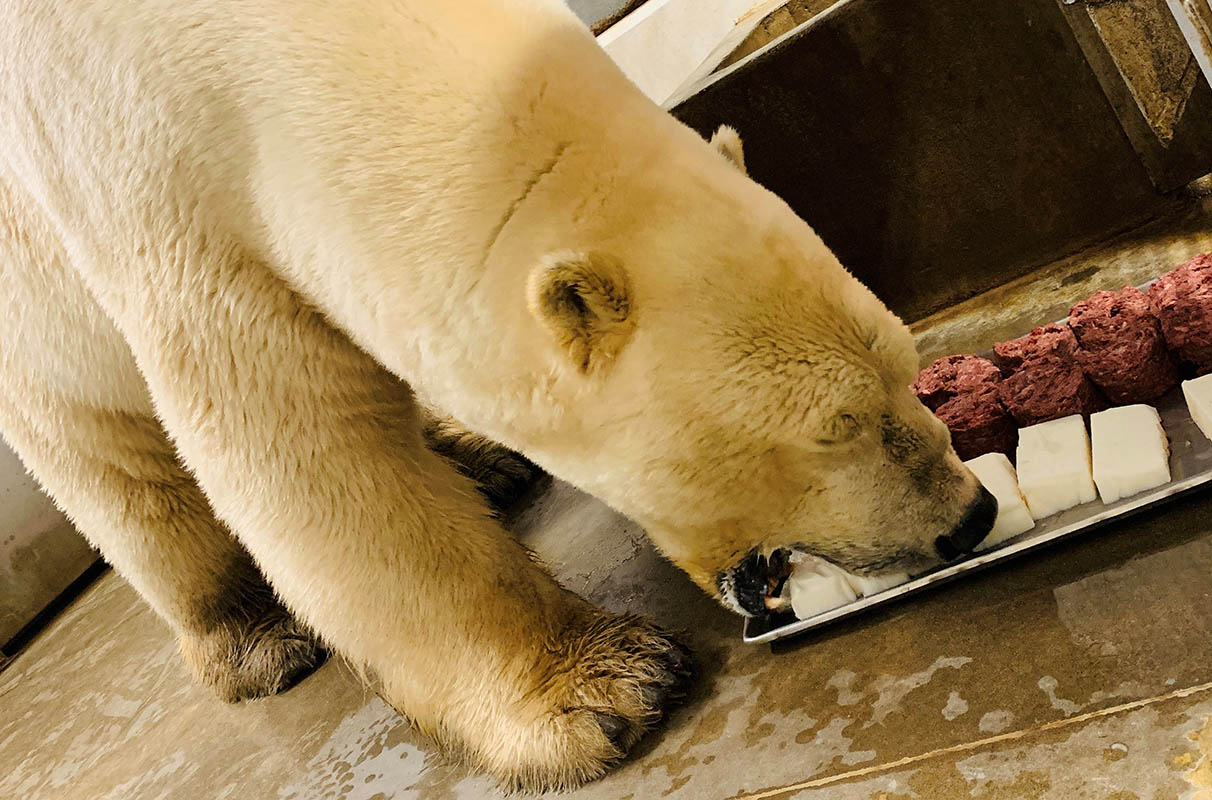
Ever wondered what keeps the majestic polar bear thriving in the harsh, icy realms of the Arctic? Imagine standing on the edge of a frozen wilderness, captivated by the sheer power and beauty of these incredible creatures.
But what fuels their strength and survival? Understanding the polar bear’s diet is not just fascinating; it’s a window into the delicate balance of nature in one of the planet’s most extreme environments. As you dive into the details, you’ll uncover surprising facts and insights that reveal how polar bears have adapted to their cold world.
These insights might just change how you view the natural world. Ready to explore the secrets of what keeps these bears at the top of their game? Let’s delve into the remarkable dietary habits of polar bears and discover the unexpected elements of their survival strategy.
Polar Bear’s Natural Habitat
Polar bears roam the Arctic’s icy expanse. Their habitat is vast and demanding. They adapt to survive in extreme cold. The habitat influences their diet and behavior. Understanding this helps us learn about their survival.
Arctic Environment
Polar bears live in the Arctic Circle. This region is cold and covered in ice. They are excellent swimmers, navigating icy waters with ease. Sea ice is crucial for hunting seals, their main food source. Ice provides a platform for resting and breeding.
The Arctic is isolated yet rich in wildlife. Polar bears rely on this ecosystem. It’s a delicate balance. Changes in the environment impact their diet. They must adapt to shifts in the sea ice.
Seasonal Changes
The Arctic undergoes dramatic seasonal changes. In winter, the ice expands, offering a wide hunting ground. Polar bears hunt seals by waiting at breathing holes.
During summer, ice melts, and food becomes scarce. Bears often travel long distances in search of prey. They may fast during times of scarcity. Their ability to adapt is vital for survival. Seasonal changes challenge their hunting strategies.
Primary Diet Components
Polar bears are fascinating creatures, and their diet is a vital aspect of their survival in the harsh Arctic environment. Understanding the primary components of their diet offers a glimpse into their unique lifestyle and the challenges they face. You might wonder, what makes up the bulk of a polar bear’s meals? Let’s dive into the specific elements.
Seal Hunting
Seal hunting is a crucial activity for polar bears, serving as their main source of nutrition. Seals are rich in fat, which is essential for the bears to maintain their energy levels, especially during cold months. Polar bears are skilled hunters, using stealth and patience to catch their prey.
Imagine waiting for hours by a seal’s breathing hole on the ice. That’s what polar bears do. They rely on their keen sense of smell and timing to make a successful catch. This method is not just about survival; it’s a strategic game of patience and precision.
Scavenging Behavior
Besides hunting, polar bears are also opportunistic scavengers. They often feed on carcasses left behind by other predators, or even leftovers from human activity. This behavior reflects their adaptability in an environment where food can be scarce.
Ever thought about the importance of being resourceful? Polar bears exemplify this by utilizing every available food source. This scavenging ability highlights their resilience and survival instincts in the wild.
Doesn’t it make you wonder about the balance between hunting and scavenging? Polar bears show us that survival often requires a mix of strategies. What can you learn from their adaptability in your own life?
Foraging Strategies
Polar bears are expert hunters. Their survival depends on effective foraging strategies. These strategies are key to finding food in the Arctic. Understanding these techniques offers insights into their survival skills.
Ice Edge Hunting
Polar bears often hunt at the ice edge. This area is rich in seals. Seals use the ice edge for breathing and resting. Polar bears wait patiently near these spots. Their keen sense of smell helps locate seal breathing holes. With great patience, they wait for seals to surface.
Ambush Techniques
Polar bears use clever ambush techniques. They hide near seal haul-out sites. These sites are where seals rest on the ice. The bear remains still, blending with the snow. A sudden pounce secures its meal. This method requires stealth and timing. It is a true test of patience and skill.
Credit: polarbearagreement.org
Seasonal Dietary Variations
Polar bears adapt their diet to the changing seasons. In winter, they primarily hunt seals. During summer, when ice is scarce, they consume berries and birds to survive.
Polar bears are magnificent creatures, known for their ability to adapt to the harsh Arctic environment. One fascinating aspect of their survival is how their diet changes with the seasons. Understanding these seasonal dietary variations can provide insight into their behavior and challenges in a rapidly changing world.Summer Scarcity
During the summer months, the Arctic ice melts, reducing the area where polar bears can hunt. This scarcity of ice means fewer opportunities to catch their primary prey, seals. With seals less accessible, polar bears are forced to rely on alternative food sources. They might scavenge bird eggs, vegetation, or even carcasses washed ashore. Have you ever imagined a polar bear eating berries? In some places, they do just that to survive. The summer months are tough, and polar bears often lose weight. They rely on the fat reserves they built up during more bountiful times. This adaptation is crucial for their survival during periods of scarcity.Winter Abundance
Winter brings back the ice, and with it, a feast of opportunities for polar bears. The vast ice sheets allow them to hunt seals more efficiently. This is the time they can consume their favorite high-fat prey. Seals are rich in blubber, which is essential for polar bears to store energy. This energy is vital for surviving long periods of fasting. In one hunting trip, a polar bear can consume up to 100 pounds of seal meat. Polar bears also take advantage of seal pups, which are easier to catch. This period of abundance helps them build the necessary fat reserves to endure the next lean season. How do you think such seasonal changes impact their overall health and reproduction? By understanding the seasonal variations in a polar bear’s diet, you can appreciate the delicate balance of survival in the Arctic. As climate change alters the landscape, these majestic animals face increasing challenges. What role do you think we play in ensuring their future?Impact Of Climate Change
Climate change is dramatically altering the landscape of the Arctic, where polar bears roam. This shift is impacting their diet and survival. As ice melts and temperatures rise, polar bears face new challenges in finding food.
Shrinking Ice Habitats
Polar bears rely on sea ice as their primary hunting ground. They use it to catch seals, their main food source. However, with ice melting earlier in the year and forming later, their hunting season is shrinking.
This reduction in ice forces polar bears to travel longer distances in search of food. Imagine having to walk miles just to find dinner. The energy they expend impacts their health and ability to reproduce.
Have you ever felt the pressure of a dwindling deadline? That’s similar to how polar bears feel with a shrinking habitat. They’re racing against time to find enough food before the ice disappears.
Adaptation Challenges
Adapting to a changing environment is tough for polar bears. They must learn to find alternative food sources. Some have turned to scavenging on land, but this is not as nutritious as their traditional diet.
Will polar bears be able to adjust quickly enough? Adaptation is not just about finding new food, but also about surviving in unfamiliar territories. They face competition from other predators and lack the skills to hunt land animals effectively.
Consider a time you had to adapt to a sudden change. It was likely stressful and uncertain. Polar bears face this daily, and their survival depends on their ability to overcome these hurdles.
As climate change continues to reshape their environment, understanding these challenges is crucial. It can inspire action and awareness to protect these majestic creatures. How can you contribute to their survival and the health of our planet?
Nutritional Needs
Polar bears primarily consume seals, which provide essential fats and nutrients. Their diet also includes small mammals and birds. These carnivorous creatures rely on their keen hunting skills to thrive in the Arctic environment.
Understanding the nutritional needs of polar bears is crucial to grasp their survival strategies in the harsh Arctic environment. These majestic creatures have evolved to thrive in extreme conditions, relying on specific dietary requirements to maintain their health and energy. Let’s dive into the details of their nutritional needs, focusing on their fat reserves and protein intake.Fat Reserves
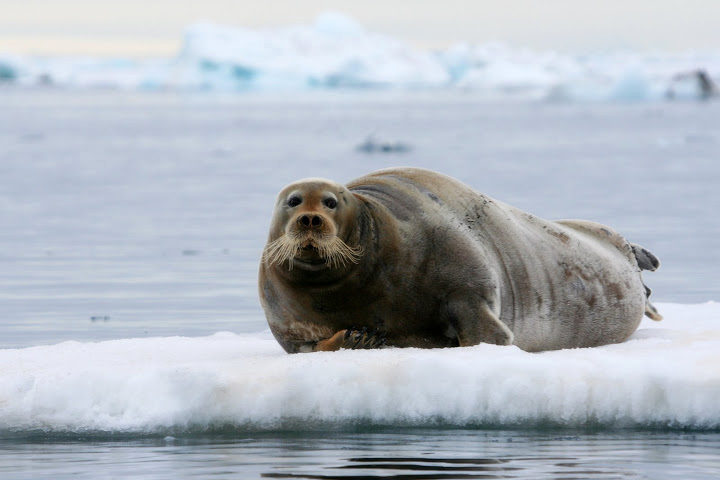
Polar bears primarily rely on fat reserves to sustain themselves. The Arctic doesn’t offer a buffet of options. Seals, particularly ringed and bearded seals, are their main source of food. Their blubber is rich in calories, providing the energy polar bears need. This fat is essential for insulation against the cold and acts as a fuel reserve during fasting periods. Imagine fasting for days or even weeks. Polar bears endure this regularly, especially females in their dens. Fat reserves become a literal lifesaver.Protein Intake
Protein is another crucial component of the polar bear’s diet. While fat provides energy, protein is vital for muscle maintenance and growth. Seal meat is a primary protein source. This is important for young cubs, who need adequate protein for development. You might wonder, do polar bears eat plants? Occasionally, they might nibble on some vegetation, but it doesn’t meet their protein needs. Consider your own diet. How would you manage without varied protein sources? Polar bears face a similar challenge in the Arctic. In understanding the nutritional needs of polar bears, you’re not just learning about their diet. You’re gaining insight into their survival tactics in one of the planet’s most unforgiving environments. Are there aspects of your diet that could take inspiration from such resilience?Human Impact On Food Sources
Polar bears are at the top of the Arctic food chain. Their primary diet consists of seals, which they hunt on sea ice. Human activities have significantly affected their food sources. This impact threatens their survival.
Pollution And Contamination
Industrial activities release pollutants into the Arctic environment. These include chemicals like PCBs and heavy metals. Such pollutants contaminate the seals polar bears eat. This contamination weakens polar bears’ health. It affects their reproduction and lifespan.
Oil spills present another danger. They poison the water and marine life. Polar bears can ingest toxic substances while hunting. This further endangers their survival. Efforts to reduce pollution are crucial.
Conservation Efforts
Many organizations work to protect polar bears. They focus on reducing pollution and preserving habitats. Conservation groups push for stricter environmental laws. They aim to limit harmful emissions and waste.
Efforts also involve local communities. Educating them about sustainable practices helps reduce human impact. Some initiatives promote clean energy alternatives. They aim to decrease reliance on fossil fuels. Such actions are vital for polar bear survival.

Credit: npolar.no

Credit: www.nationalgeographic.com
Frequently Asked Questions
What Is The Diet Of A Polar Bear?
Polar bears primarily eat seals, especially ringed and bearded seals. They hunt by waiting near seal breathing holes. During scarce seal availability, they may consume whale carcasses, birds, or vegetation. Polar bears rely heavily on fat for energy and survival in their harsh Arctic environment.
What Are 20 Things Polar Bears Eat?
Polar bears primarily eat seals, including ringed and bearded seals. They also consume sea birds, bird eggs, fish, carcasses, berries, kelp, carrion, rodents, small mammals, walrus, whales, reindeer, muskox, and shellfish. Occasionally, they eat human waste. Their diet varies based on availability in their Arctic habitat.
Do Polar Bears Eat 100% Meat?
Polar bears primarily eat meat, making them carnivorous. They mainly hunt seals for their diet. Occasionally, they might consume vegetation or other non-meat items, but these are not significant in their diet. Their reliance is predominantly on marine mammals, comprising most of their nutritional intake.
Does A Polar Bear Eat Fish?
Yes, polar bears eat fish. They mainly consume seals, but fish can also be part of their diet. Polar bears hunt near ice edges where fish are accessible. Their eating habits vary depending on food availability in their habitat.
Conclusion
Polar bears have a unique and varied diet. Seals are their main meal. They hunt them by waiting at breathing holes. Fish and birds come next, especially when seals are scarce. They eat carcasses found on ice. In summer, they munch on berries and seaweed.
Occasionally, they might eat human waste. Their diet is crucial for survival in harsh climates. Understanding their eating habits helps in conservation efforts. Protecting their food sources is vital. It ensures their future. Polar bears are majestic creatures. Their diet reflects their adaptability and strength in icy habitats.