Have you ever watched a sea turtle glide gracefully through the ocean and wondered what fuels their journey? Understanding a sea turtle’s diet is not just about exploring their eating habits; it’s about uncovering the secrets of their survival and how they impact the ocean’s delicate ecosystem.
Imagine the thrill of discovering what these magnificent creatures munch on during their underwater adventures. Picture yourself unraveling the mysteries of their meals, which could hold the key to broader environmental insights. This is your chance to dive deeper into the world of sea turtles and their diets, satisfying your curiosity while gaining a new perspective on the natural world.
Continue reading to uncover the fascinating details of what keeps these ocean wanderers going strong.
Overview Of Sea Turtles
Sea turtles enjoy a varied diet depending on their species. Some feed on jellyfish, while others prefer seagrass or algae. Their diet helps maintain healthy ocean ecosystems.
Sea turtles are fascinating creatures with a diet as diverse as the oceans they inhabit. These ancient mariners glide gracefully through the seas, each species showcasing unique dietary preferences. Understanding what sea turtles eat not only reveals their role in marine ecosystems but also highlights the importance of preserving their natural habitats.Different Species
Sea turtles come in several species, each with distinctive characteristics and dietary needs. The Green Sea Turtle, for instance, is primarily herbivorous, feasting on seagrasses and algae. Loggerhead Turtles, on the other hand, have powerful jaws that allow them to crunch through hard-shelled prey like crabs and clams. Leatherbacks, the largest of the bunch, dive deep to feed on jellyfish, their delicate bodies perfectly adapted for this gelatinous diet. Each species’ diet reflects its evolutionary adaptations, making them integral to the balance of marine ecosystems.Habitat And Distribution
The diet of sea turtles is closely tied to their habitat and distribution. Green Sea Turtles are often found in shallow lagoons and feeding grounds rich in seagrass, mainly in tropical and subtropical regions. Loggerhead Turtles are more adaptable, residing in coastal bays and estuaries where they can find an abundance of mollusks and crustaceans. Leatherback Turtles are true oceanic wanderers, traversing vast distances to hunt for jellyfish in the open ocean. Understanding their habitats helps us protect these vital areas, ensuring that sea turtles continue to thrive. Have you ever wondered how the decline in seagrass beds could impact Green Sea Turtles? Or how pollution might affect the delicate balance of the ocean ecosystem? These questions remind us of the intricate connections between sea turtles and their environments. By preserving their habitats, we not only safeguard sea turtles but also maintain the health of our oceans. Every time you learn about these remarkable creatures, you contribute to a broader understanding of the world’s marine life. Remember, your curiosity can lead to conservation actions that make a difference.
Credit: www.biographic.com
Dietary Habits
Understanding the dietary habits of sea turtles is like uncovering a fascinating part of ocean life. These gentle marine creatures have varied diets that not only sustain them but also play a crucial role in the health of marine ecosystems. As you dive into the world of sea turtles, you’ll find intriguing differences in their eating patterns that reflect their adaptability and ecological significance.
Omnivorous Nature
Sea turtles are often omnivorous, meaning they eat both plants and animals. This diverse diet helps them thrive in different ocean habitats. Imagine the vast ocean as a buffet where they can choose from a wide range of foods, from seagrass to jellyfish.
Some sea turtles, like the Olive Ridley, eat almost anything available, showing their flexible feeding habits. This omnivorous nature aids their survival, especially when food sources are scarce. By consuming a mix of plants and small marine animals, they maintain their energy and health.
Diet Variations By Species
Did you know that not all sea turtles eat the same way? Each species has its own favorite foods, much like humans have varied culinary tastes. For instance, the Green sea turtle prefers a vegetarian diet, mostly munching on seagrass and algae. This makes them unique among their peers.
On the other hand, the Leatherback sea turtle is a jellyfish enthusiast, often seen feasting on these gelatinous creatures. This specific diet helps control jellyfish populations, showcasing the turtle’s role in maintaining ocean balance. Meanwhile, the Hawksbill sea turtle enjoys a diet rich in sponges and other invertebrates, which benefits coral reefs by preventing sponge overgrowth.
Consider the Loggerhead sea turtle, which has a taste for crustaceans and mollusks. Their strong jaws allow them to crush hard shells, showcasing their adaptation to a specific diet. This diversity in dietary preferences not only highlights the adaptability of sea turtles but also their importance in marine ecosystems.
As you think about these unique dietary habits, ask yourself: What role do you play in preserving these vital ocean creatures? Understanding their diet is just one step towards appreciating their place in the marine world. Your actions, no matter how small, can help protect sea turtles and their habitats.
Favorite Foods
Sea turtles enjoy a diverse diet that includes jellyfish, seaweed, and crabs. These marine creatures often nibble on seagrasses. The specific food choices depend on their species and habitat.
Sea turtles are fascinating creatures with diverse dietary preferences. Their diet varies depending on their species and available food sources. Understanding their favorite foods reveals much about their role in marine ecosystems. Each species has unique preferences that help maintain the balance of ocean life.Jellyfish And Soft-bodied Animals
Many sea turtles enjoy jellyfish as a primary food source. Leatherback turtles, in particular, love jellyfish. Their bodies are equipped to handle jellyfish stings. Sea turtles also consume other soft-bodied animals like sea squirts. These creatures provide essential nutrients for the turtles’ health.Seagrass And Algae
Some sea turtles prefer plant-based diets. Green sea turtles feast on seagrass and algae. These plants are rich in vitamins and minerals. The turtles’ grazing helps keep seagrass beds healthy. This, in turn, supports other marine life.Crustaceans And Mollusks
Hawksbill and loggerhead turtles have a taste for crustaceans. They enjoy crabs, shrimp, and lobsters. Their strong jaws are perfect for crushing shells. Mollusks like clams and snails are also on the menu. These foods provide essential proteins and fats for growth.
Credit: oliveridleyproject.org
Feeding Techniques
Sea turtles have unique feeding techniques that match their diverse diets. They consume jellyfish, seaweed, and other marine life. Their feeding habits vary with their species and habitat. Understanding their feeding methods helps in conserving these amazing creatures.
Foraging Strategies
Sea turtles use different foraging strategies depending on their diet. Green sea turtles graze on seagrass and algae. They use their strong jaws to bite off pieces. Hawksbill turtles prefer sponges and corals. They have narrow heads and sharp beaks. This helps them reach into crevices and extract food.
Loggerhead turtles have a varied diet. They consume crustaceans, mollusks, and fish. They use their powerful jaws to crush hard shells. Leatherback turtles feed on jellyfish. They have pointed cusps in their mouths to hold slippery jellyfish. They often dive deep into the ocean for their meals.
Adaptations For Feeding
Sea turtles have evolved special adaptations for their diets. Their jaw structure suits their feeding habits. Green turtles have serrated jaws for cutting plants. Hawksbill turtles have sharp, curving beaks for extracting coral.
Loggerhead turtles have strong, robust jaws. This helps them break through shells of prey. Leatherbacks have unique backward-pointing spines. These spines prevent jellyfish from escaping once caught.
Their keen senses help locate food. They use sight and smell to find meals. Some sea turtles even possess magnetic senses. This ability helps them navigate to feeding grounds.
Impact Of Diet On Ecosystem
Sea turtles enjoy a varied diet of seagrass, jellyfish, and crustaceans. Their eating habits help maintain ocean health. By consuming these species, they balance marine ecosystems, which supports biodiversity.
Understanding the diet of sea turtles is not just a fascinating dive into their feeding habits; it’s a vital piece of the ecological puzzle. Sea turtles play a significant role in maintaining the health of our oceans. Their dietary choices have profound effects on marine ecosystems, influencing everything from the food web dynamics to the vitality of seagrass beds. As you learn about sea turtles, consider how their eating habits might impact the world beneath the waves.Role In Marine Food Webs
Sea turtles occupy various levels in the marine food web, depending on their species. Green sea turtles are primarily herbivores, munching on seagrasses and algae, whereas loggerheads feast on crabs and mollusks. Each feeding behavior supports different marine life forms, showcasing the turtles’ crucial role in balancing marine food webs. Imagine a world without sea turtles—predators like sharks might struggle to find food, while certain prey populations could explode without their natural control. Sea turtles help maintain the delicate equilibrium in the oceans, ensuring that no single species dominates the seascape. How might the absence of these gentle reptiles reshape marine biodiversity?Influence On Seagrass Beds
Green sea turtles are the gardeners of the ocean. Their grazing keeps seagrass beds healthy and thriving. By trimming the grass, they prevent overgrowth and allow sunlight to reach the seabed, promoting growth and diversity. Healthy seagrass beds serve as nurseries for many marine species, offering shelter and food. As a diver, I once observed a vibrant seagrass meadow teeming with life, all thanks to the dietary habits of nearby sea turtles. Have you ever considered how these meadows might vanish without turtles to tend them? Seagrass also plays a role in carbon sequestration, absorbing carbon dioxide and helping to combat climate change. Sea turtles, by keeping these areas healthy, indirectly contribute to the fight against global warming. Isn’t it fascinating how one creature’s diet can have such widespread environmental impacts? Understanding sea turtles’ diets reveals the interconnectedness of marine life. Next time you think of these ancient mariners, consider their broader ecological impact. How might your daily choices help protect these vital creatures and, by extension, the ecosystems they support?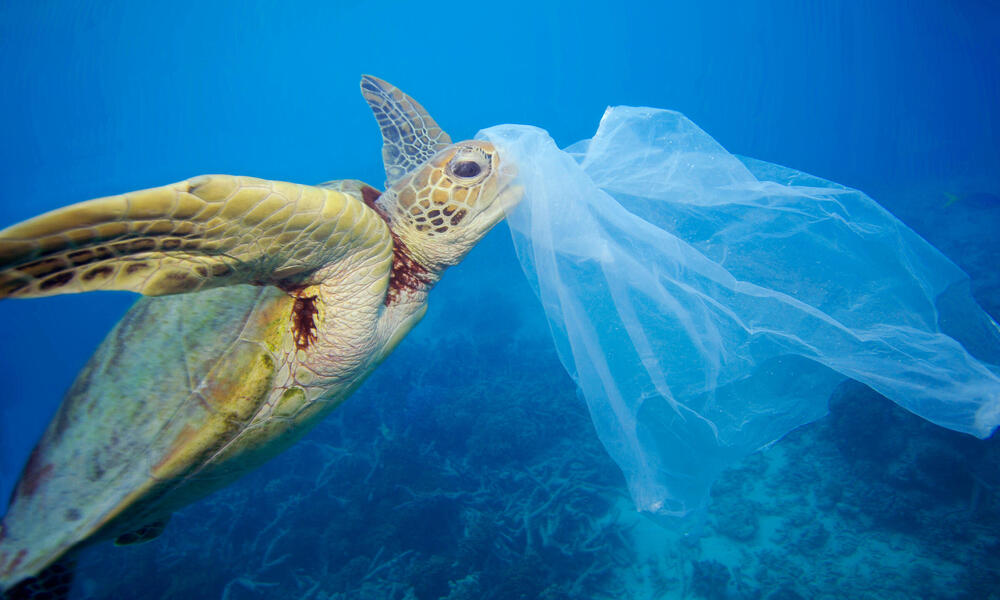
Credit: www.worldwildlife.org
Threats To Feeding Grounds
Sea turtles face many threats to their feeding grounds. These threats disrupt their diet and survival. The delicate balance of marine ecosystems is at risk. Understanding these threats is crucial for conservation efforts. Let’s explore some key challenges.
Pollution And Plastic
Pollution greatly impacts sea turtle feeding grounds. Oceans are filled with plastic waste. Turtles often mistake plastic for food. This can lead to serious health problems. Ingested plastic can block their digestive systems. Polluted waters also affect their prey. This reduces the food available for turtles. Efforts to reduce plastic pollution are vital.
Habitat Destruction
Habitat destruction is another major threat. Coastal development destroys turtle feeding areas. These areas are crucial for their survival. Construction and tourism activities damage seagrass beds. Seagrass beds are essential feeding grounds for many turtle species. Destruction of coral reefs affects their food sources too. Protecting these habitats is essential. Conservation actions can help restore their natural environments.
Conservation Efforts
Sea turtles have long faced threats to their survival. Their diet plays a crucial role in maintaining ocean ecosystems. Conservation efforts aim to protect these magnificent creatures and their habitats. Through targeted actions, organizations strive to ensure sea turtles continue thriving. Let’s explore some key conservation efforts that support their survival.
Protecting Feeding Habitats
Sea turtles rely on healthy feeding grounds to survive. These areas provide essential nutrients for their diet. Conservationists work to protect these habitats from human activities. Coastal development and pollution threaten these vital areas. Efforts focus on reducing these impacts. By preserving feeding habitats, we support sea turtle populations.
Legislation And Policy
Strong policies ensure sea turtle protection. Laws regulate fishing practices and reduce bycatch. Governments enforce these regulations to protect sea turtles. International agreements play a role too. They encourage countries to collaborate on conservation. Such policies help safeguard sea turtle populations. A global commitment strengthens these conservation efforts.
Frequently Asked Questions
What Is The Diet Of A Sea Turtle?
Sea turtles have varied diets based on species. Green sea turtles primarily eat seagrass and algae. Loggerheads enjoy crustaceans and mollusks. Hawksbill turtles feed on sponges, while leatherbacks prefer jellyfish. Each species has unique dietary preferences, contributing to oceanic ecosystem balance.
What Is A Turtle’s Favorite Food?
Turtles enjoy a variety of foods. Many love leafy greens like lettuce and kale. Fruits like strawberries and apples are also favorites. Protein sources include insects, worms, and small fish. Each turtle species has unique dietary preferences, so it’s essential to research specific needs for optimal health.
What Do Sea Turtles Eat For Kids?
Sea turtles eat jellyfish, seaweed, and small fish. Green sea turtles prefer seagrass and algae. Hawksbill turtles enjoy sponges and shrimp. Their diet varies based on species and habitat.
What Do Sea Turtles Eat Fish?
Yes, sea turtles eat fish. Their diet varies by species, including jellyfish, seagrass, and crustaceans. Carnivorous species like the loggerhead often consume fish. Their eating habits contribute to marine ecosystem balance.
Conclusion
Sea turtles have diverse diets. They munch on jellyfish and algae. Some prefer seagrass or crabs. Others enjoy sponges and mollusks. Diets vary by species and habitat. Green turtles love seagrass. Loggerheads feast on crabs. Hawksbills choose sponges. Leatherbacks dive for jellyfish.
Each turtle adapts to their environment. Their diet impacts ocean ecosystems. Balance is crucial for marine life. Protecting sea turtles ensures ocean health. Understanding their diet helps conservation efforts. Every species plays a role in nature’s balance. Sea turtles are vital to our oceans.
Let’s cherish and preserve these remarkable creatures.