Imagine this: you’ve been pushing yourself hard at the gym, lifting heavier weights and feeling stronger every week. But suddenly, you hit a plateau.
Your progress stalls, and fatigue sets in. If this sounds familiar, it’s time to discover the power of deloading. What is deloading in the gym, and how can it transform your workout routine? You’re about to find out. Deloading is your secret weapon to breaking through barriers and rejuvenating your body.
This strategic pause can supercharge your gains and prevent injuries. Ready to unlock the full potential of your workouts? Let’s dive into why deloading might be the game-changer you need.
Deloading Basics
Deloading is a concept in gym routines that involves reducing workout intensity. It’s a temporary break allowing muscles to recover and strengthen. This method helps avoid burnout and enhances long-term progress. Deloading Basics guide fitness enthusiasts toward optimal performance and recovery.
Purpose And Benefits
Deloading prevents overtraining and supports muscle recovery. It reduces stress on joints and ligaments. This practice enhances mental focus and motivation. It boosts progress by allowing muscles time to repair. Regular deloading can lead to improved fitness gains.
When To Implement
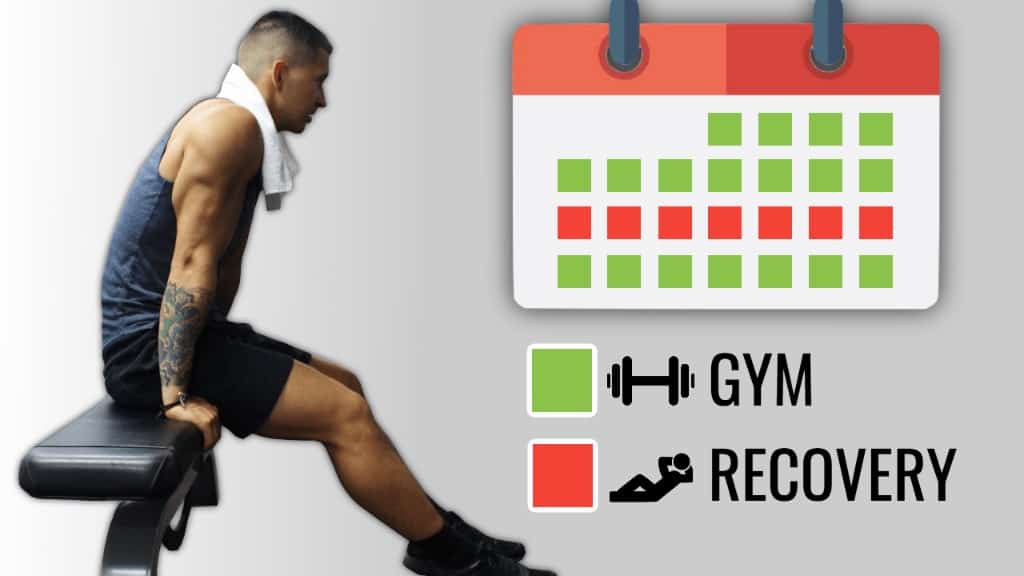
Deloading is typically done every 4-8 weeks. Signs include fatigue, decreased performance, or lack of motivation. Beginners may need less frequent deloads. Advanced lifters may require more regular breaks. Listening to your body helps determine the right timing.
Credit: builtwithscience.com
Signs You Need A Deload
Feeling fatigued, experiencing persistent soreness, or losing motivation in the gym? These might be signs you need a deload. Deloading involves reducing workout intensity for recovery, preventing burnout, and boosting performance over time.
Deloading in the gym is a strategic break designed to help your body recover and prepare for future growth. But how do you know when it’s time to hit the pause button on your intense workouts? Recognizing the signs that you need a deload is crucial for maintaining progress and avoiding burnout. Let’s dive into the physical and mental indicators that suggest a deload might be just what your fitness journey needs.Physical Indicators
Physical signs are often the first to appear. If your muscles feel unusually sore or tight, even after rest days, it’s a red flag. Persistent fatigue, where you feel drained after simple workouts, is another indicator. Have your lifts become stagnant? If you’re not adding weight to the bar or achieving personal bests, your body might be telling you it needs a break. Watch out for nagging pains or injuries that linger longer than usual. These symptoms suggest your body is overworked and needs some recovery time.Mental Fatigue
Your mind can also signal the need for a deload. If you’re dragging yourself to the gym and your motivation has hit rock bottom, it’s time to reassess. Feeling overwhelmed by your workout routine is another sign that mental fatigue has set in. Are workouts starting to feel more like a chore than a passion? This shift in mindset might be your brain’s way of saying it needs a breather. Lack of focus during training sessions can also hinder your performance and increase the risk of injury. Consider this: Are you enjoying your workouts or simply going through the motions? Listening to your body, both physically and mentally, can prevent long-term setbacks and keep your fitness goals on track. Remember, taking a deload week isn’t quitting—it’s part of smart training.Types Of Deloading
Deloading in the gym involves reducing workout intensity or volume to help muscles recover. Types include reducing weight, cutting sets, or shortening workout duration. This strategic break prevents burnout and boosts long-term fitness progress.
Deloading in the gym is a strategic way to help your body recover while still staying active. It’s like giving your muscles a mini-vacation without completely stopping your workouts. But did you know there are different ways to deload? Let’s dive into the types of deloading and see which might work best for you.Active Deloading
Active deloading involves reducing the intensity of your workouts but not stopping them entirely. You might lower the weight you lift or decrease the number of sets and reps. This keeps your body moving and maintains your routine. For instance, if you’re used to lifting heavy weights, you could cut down to 50-60% of your usual load. This allows your muscles to recover while still getting some stimulation. It’s a chance to work on your form and technique, which can be a game-changer for your progress. Think about this: Have you ever felt burnt out after weeks of intense training? Active deloading can be your answer to breaking that cycle while staying on track.Passive Deloading
Passive deloading is about taking a complete break from lifting. This doesn’t mean you become a couch potato. You can focus on light activities like walking or stretching. This type of deloading can be particularly beneficial if you’ve been feeling mentally drained or physically overworked. Sometimes, stepping away completely allows your body and mind to reset. It can help you return to the gym with renewed energy and motivation. Consider if your body is signaling for rest. Are you feeling constantly tired or sore? Passive deloading might just be the relief you need to come back stronger.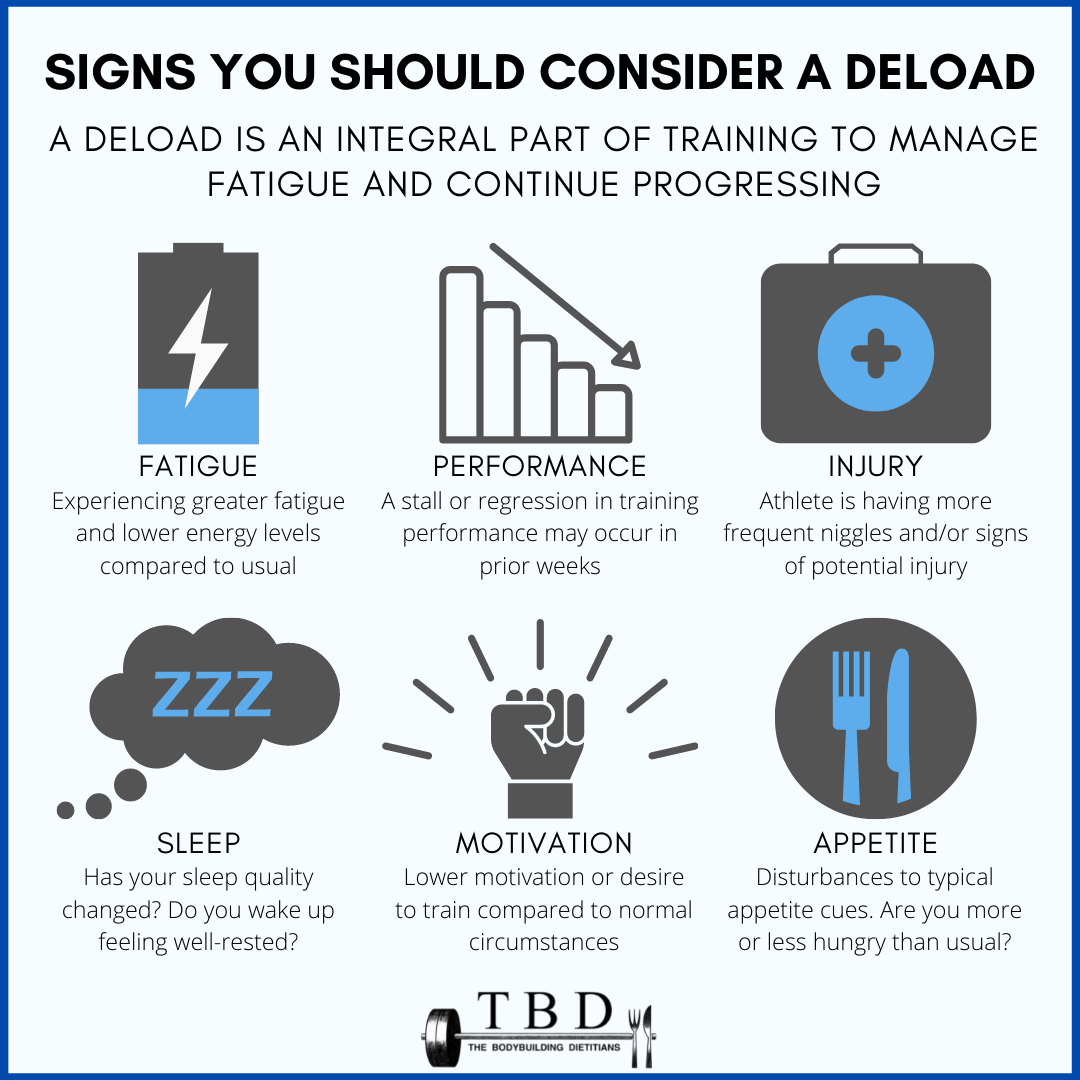
Credit: www.thebodybuildingdietitians.com
Deloading Techniques
Deloading techniques offer gym enthusiasts a strategic method to enhance their fitness journey. It’s about taking a step back to move forward. Whether you’re lifting heavy or pushing your limits in cardio, deloading helps your body recover and grow stronger. Let’s dive into some popular techniques that can help you refresh your workout routine.
Reducing Volume
Reducing volume means cutting down the total number of sets and reps you perform. Imagine you usually do four sets of squats; during a deload week, you might do just two. This approach gives your muscles a break from the usual workload, allowing them to repair and build. It’s like giving your body a mini-vacation.
Have you ever felt drained after weeks of intense training? Reducing volume can help prevent burnout and keep you motivated. The goal is not to stop working out but to ease the pressure on your muscles.
Decreasing Intensity
Decreasing intensity involves lowering the weight or resistance you use in your exercises. Instead of lifting your maximum, aim for lighter weights, focusing on form and control. This technique lets your nervous system recover while maintaining muscle engagement.
Think about the times you pushed too hard and felt sore for days. By decreasing intensity, you can still enjoy your workouts without the strain. It’s a smart way to keep your momentum going without overloading your body.
Changing Exercises
Changing exercises during a deload week can be refreshing. Swap your usual routine for different movements that work similar muscle groups. If you typically bench press, try push-ups or dumbbell presses. This variation stimulates your muscles in new ways and can prevent boredom.
Have you ever realized how repetitive workouts can become? Changing exercises can reignite your passion for fitness. Plus, it’s a chance to discover new favorites that you might not have considered before.
Are you ready to give deloading a try? Consider how these techniques can fit into your routine and support your fitness goals. Sometimes, taking a step back can be the best way to leap forward.
Personalizing Your Deload
Deloading in the gym is a vital part of fitness routines. It involves reducing the intensity or volume of workouts temporarily. This helps prevent burnout and injuries. Personalizing your deload ensures it meets your unique needs and goals. By tailoring the deload phase, you optimize recovery and maintain progress. Let’s explore how to adjust this phase for your body.
Listening To Your Body
Your body often signals when it needs rest. Pay attention to signs of fatigue or pain. These are cues for a deload. Recognize patterns in your workouts and energy levels. Feeling constantly tired? Struggling with usual weights? These may indicate a need for a break. Trusting these signals helps prevent overtraining. Ensures you stay on track for long-term goals.
Adjusting Frequency
The frequency of deloads should match your training intensity. Regular intense training demands more frequent breaks. Beginners might need a deload every few months. Advanced athletes may need them monthly. Monitor your progress and adjust as needed. Consider both physical and mental fatigue. Balance is key. Find a rhythm that keeps you motivated and injury-free.

Credit: in.pinterest.com
Common Mistakes
Deloading is a crucial part of gym routines. It allows muscles to recover. Despite its importance, many make mistakes during deloading weeks. These errors can affect progress and lead to setbacks. Understanding these common mistakes can help you maximize the benefits of deloading.
Overloading During Deload
Some people continue to push hard during deload weeks. This defeats the purpose of deloading. The goal is to reduce stress on muscles. Continuing heavy workouts can lead to exhaustion. Muscles need time to repair and grow. Stick to lighter weights and fewer reps.
Ignoring Recovery Needs
Recovery is often overlooked during deload periods. Proper sleep and nutrition are vital. They support muscle recovery and growth. Neglecting these can slow progress. Ensure adequate rest and a balanced diet. This enhances the effectiveness of the deload week.
Benefits Of Proper Deloading
Deloading is a gym practice that offers numerous benefits. It involves reducing workout intensity. This allows the body to recover effectively. Proper deloading can lead to enhanced performance and reduce injury risk. Understanding these benefits can improve your fitness journey.
Enhanced Performance
A proper deload can boost your performance in the gym. It gives muscles time to recover and grow stronger. With recovery, your workouts become more effective. You feel refreshed and ready to tackle new challenges. This improvement helps in achieving fitness goals faster.
Reduced Injury Risk
Deloading helps in reducing the risk of injuries. It lowers stress on joints and muscles. This reduces the chance of overuse injuries. By allowing proper rest, muscles heal and become resilient. This makes workouts safer and more sustainable in the long run.
Frequently Asked Questions
What Is The Purpose Of Deloading?
Deloading allows recovery by reducing training intensity or volume. It prevents overtraining and decreases injury risk. Muscles and the nervous system rejuvenate during this period, enhancing future performance. It’s a strategic break to optimize long-term fitness gains.
How Often Should You Deload In The Gym?
Deload every 4 to 8 weeks to prevent overtraining and enhance recovery. Listen to your body’s signals. Adjust frequency based on intensity and individual needs. Regular deloading supports long-term progress and reduces injury risk. Maintain balance in your training routine for optimal results.
What Is An Example Of A Deload?
A deload example involves reducing workout intensity or volume for a week. Lift lighter weights or decrease workout frequency. This helps recovery and prevents burnout, promoting long-term fitness gains.
How Do I Know I Need A Deload?
Signs of needing a deload include persistent fatigue, stalled progress, and increased soreness. Rest can restore performance and motivation. Listen to your body and adjust your routine to recover effectively. Balancing intense workouts with adequate rest can optimize long-term results and prevent burnout.
Conclusion
Deloading is essential for gym progress and recovery. It prevents burnout. Your muscles need breaks to grow stronger. This strategy helps improve performance. It reduces the risk of injury. Listen to your body. Rest is part of training. Balance workouts with recovery.
Deload weeks are not wasted time. They enhance your fitness journey. Keep pushing, but know when to pause. Adjust your routine wisely. Enjoy the benefits of deloading. Stay motivated and focused. Remember, a strong foundation leads to lasting results. Embrace deloading for better health and performance.
Your body will thank you.