Are you curious about what gives Diet Pepsi its sweet, refreshing taste without the sugar? You’re not alone.
Many people are intrigued by what exactly sweetens their favorite zero-calorie soda. Understanding the ingredients in the beverages you consume can be enlightening and empowering. It helps you make informed choices for your health and lifestyle. You’ll discover the sweetening secrets behind Diet Pepsi, unraveling the mystery of its unique flavor profile.
Stick around to uncover the science and innovation that go into every can, and why this knowledge matters for you.
Diet Pepsi Ingredients
Diet Pepsi is sweetened with aspartame, a popular sugar substitute. This low-calorie sweetener gives the soda its familiar taste without the added sugar. Aspartame is used in many diet drinks for its ability to mimic the sweetness of sugar.
Have you ever wondered what exactly makes Diet Pepsi taste so good without the sugar rush? Understanding the ingredients can shed light on how this popular soda maintains its iconic flavor while being calorie-free. Let’s dive into what makes up Diet Pepsi, and how each component plays a role in delivering that refreshing experience.Ingredients Overview
Diet Pepsi is crafted with a unique blend of ingredients that help maintain its flavor profile. The primary components include carbonated water, caramel color, and a mix of artificial sweeteners. These elements work in harmony to recreate the familiar taste we all love, minus the calories.Artificial Sweeteners
One of the key ingredients in Diet Pepsi is artificial sweeteners, specifically aspartame. Aspartame is widely used in diet sodas for its ability to mimic sugar’s sweetness without adding calories. Have you ever compared the taste of regular Pepsi to Diet Pepsi? The slight difference in sweetness is mainly due to aspartame’s distinct flavor profile.Caramel Color
The rich, dark hue of Diet Pepsi comes from caramel color. This ingredient not only enhances the visual appeal but also contributes subtly to the taste. Imagine sipping a clear soda – it just wouldn’t feel the same, would it? Caramel color ensures that Diet Pepsi retains its classic look.Flavor Enhancers
Diet Pepsi also contains phosphoric acid, which adds a tangy taste and balances the sweetness. It’s interesting how a small tweak in acidity can make the soda more refreshing. Ever noticed how it pairs well with salty snacks? That’s the flavor enhancer at work.Preservatives
To keep Diet Pepsi fresh, preservatives like potassium benzoate are added. This ensures that each can or bottle stays crisp and delicious. Considering how often you might grab a soda from the fridge, preservatives are crucial for maintaining that “just opened” taste. Do you find yourself reaching for Diet Pepsi over other beverages? Understanding its ingredients might give you a new appreciation for the science behind the fizz. Next time you sip, think about the balance of flavors crafted to offer a guilt-free indulgence.Sweeteners Used
Diet Pepsi is sweetened with aspartame, a low-calorie artificial sweetener. Aspartame provides a sugar-like taste without the calories. This makes Diet Pepsi a popular choice for those watching their sugar intake.
Diet Pepsi is a popular choice for those seeking a refreshing, low-calorie beverage. But have you ever wondered what makes it sweet without all the sugar? The answer lies in the sweeteners used in its formulation. Understanding these ingredients can help you make informed choices about what you drink. Let’s explore the sweeteners that give Diet Pepsi its signature taste. Aspartame Aspartame is one of the most common sweeteners used in Diet Pepsi. It’s a low-calorie artificial sweetener that’s about 200 times sweeter than sugar. This means only a small amount is needed to achieve the desired sweetness. People often choose beverages with aspartame to reduce calorie intake without sacrificing taste. However, some people might be sensitive to aspartame and prefer to limit their consumption. It’s always good to know what’s in your drink, especially if you have specific dietary needs. Acesulfame Potassium Acesulfame Potassium, or Ace-K, is another artificial sweetener found in Diet Pepsi. It’s often used alongside aspartame to create a more balanced sweetness. Ace-K is also about 200 times sweeter than sugar, allowing it to sweeten beverages effectively without adding calories. One interesting aspect of Ace-K is its stability under heat, making it a popular choice in various food and drink products. Have you ever noticed how Diet Pepsi maintains its sweetness even in different temperatures? That’s partly thanks to Ace-K. Are you curious about how these sweeteners affect your taste buds compared to sugar? It’s fascinating to think about how a tiny amount of sweetener can completely transform the taste of a drink. Next time you sip on your Diet Pepsi, you’ll have a deeper appreciation for the science behind its sweetness.Aspartame Profile
Diet Pepsi uses aspartame as its sweetener. This artificial sweetener provides a sugar-free taste. It’s popular for low-calorie drinks.
Aspartame is a key ingredient in Diet Pepsi. It is a popular artificial sweetener. It provides the sweetness without added calories. Understanding its profile is essential for health-conscious consumers. Below, explore its chemical composition, taste, and safety.Chemical Composition
Aspartame consists of three components. These are phenylalanine, aspartic acid, and methanol. Each component occurs naturally in foods we eat. Together, they create a sweetening effect. Aspartame is 200 times sweeter than sugar. This allows for minimal usage in beverages. It is often preferred for its low-calorie nature.Taste Characteristics
Aspartame offers a sugar-like taste. It has no bitter aftertaste. This makes it ideal for beverages. Its sweetness is long-lasting. It blends well with other flavors. Many people cannot distinguish it from sugar. This quality enhances the appeal of Diet Pepsi.Safety And Regulations
Aspartame is approved by many health agencies. The FDA, WHO, and EFSA support its safety. Extensive studies back up these claims. It is safe for daily consumption. There are strict guidelines for its use. These ensure consumer protection. Some individuals may react differently. For them, consulting a doctor is wise.Acesulfame Potassium Details
Diet Pepsi is sweetened with acesulfame potassium, a calorie-free artificial sweetener. Often used in low-calorie beverages, it provides a sweet taste without adding calories.
Diet Pepsi uses acesulfame potassium as a sweetener. This ingredient adds sweetness without calories. It’s popular in many sugar-free products.Chemical Structure
Acesulfame potassium has a unique chemical structure. It is a white crystalline powder. Its formula is C4H4KNO4S. This compound is stable under heat. It does not break down easily. This makes it ideal for cooking and baking.Flavor Profile
Acesulfame potassium has a clean taste. It provides a strong sweet flavor. It is 200 times sweeter than sugar. It does not linger after consumption. This sweetener often combines with others for better taste balance.Health Considerations
Acesulfame potassium is FDA approved. It is considered safe for consumption. Studies show it does not raise blood sugar levels. It is suitable for diabetics. Some people may experience sensitivity. Moderation is always key.Sweetener Comparison
Diet Pepsi uses aspartame as its primary sweetener, providing a sugar-free option. Aspartame offers a sweet taste without the calories found in sugar. Many prefer it for its ability to maintain the flavor of regular Pepsi.
When you sip on a can of Diet Pepsi, have you ever wondered what gives it that sweet taste? It’s the sweeteners that make all the difference. Understanding these can help you make informed choices about your beverage consumption. Let’s dive into a sweetener comparison to explore how Diet Pepsi stacks up against other options in terms of taste, calories, and health.Taste Comparison
Taste is subjective, yet crucial. Diet Pepsi uses Aspartame as its primary sweetener, providing a sweetness that many find similar to sugar. Aspartame often leaves a clean aftertaste, unlike other artificial sweeteners that can taste metallic or overly artificial. Have you compared it with a soda sweetened with Stevia or Sucralose? You might notice Stevia can sometimes give off a slightly herbal taste, while Sucralose might lean towards a sharper sweetness. Which taste do you prefer?Caloric Impact
Diet Pepsi is known for being low-calorie, thanks to Aspartame. This sweetener contains virtually no calories, making it a popular choice for those watching their calorie intake. Imagine drinking a regular soda. You’re consuming around 150 calories per can. With Diet Pepsi, those extra calories are eliminated, which can help manage weight when enjoyed responsibly. Yet, it’s essential to remember that eliminating calories doesn’t always equal healthy. How do you balance your calorie intake with your nutritional needs?Health Implications
Aspartame has been extensively studied and is approved by several health authorities, including the FDA. However, some people still express concerns about potential health risks. While not everyone experiences side effects, some report headaches or digestive discomfort. If you’re sensitive to Aspartame, consider trying beverages with different sweeteners like Stevia, which is plant-based. It’s worth asking yourself—how does your choice of sweetener affect your overall health and well-being? Consider experimenting with different options to see what works best for you. In the end, understanding the sweeteners in your favorite soda can guide you toward smarter decisions. Whether you prioritize taste, caloric intake, or health, knowing what goes into your drink can empower you to make choices that align with your lifestyle.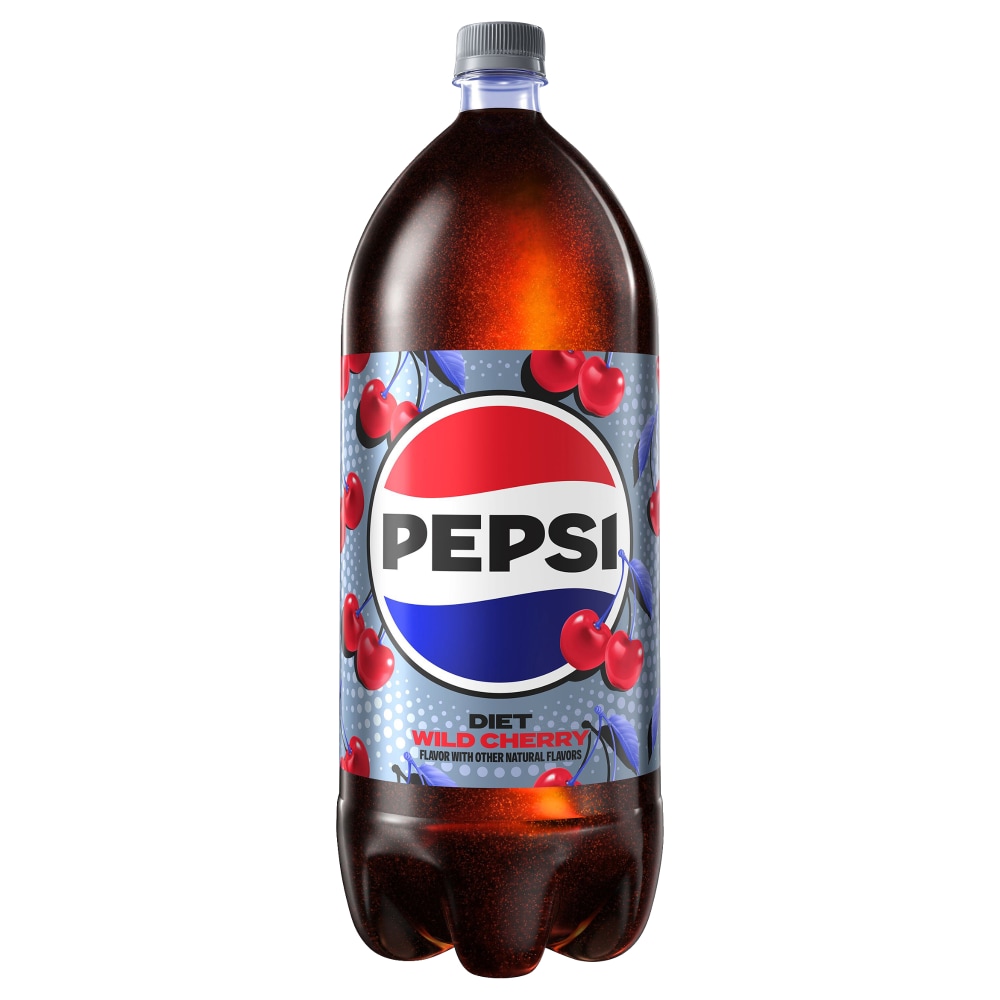
Credit: www.frysfood.com
Controversies And Concerns
Diet Pepsi is a popular choice for those avoiding sugar. Yet, its artificial sweeteners spark debates. People question their safety and impact on health. This section explores these controversies and concerns.
Public Perception
Many consumers worry about artificial sweeteners. Aspartame and acesulfame potassium are common in Diet Pepsi. Some believe these ingredients pose health risks. Concerns include links to cancer and other illnesses. Such worries persist despite scientific evidence. Media reports often fuel public fear. Misinformation spreads easily through social networks. This shapes how the public views Diet Pepsi.
Scientific Studies
Numerous studies examine the safety of artificial sweeteners. Research shows mixed results. Some studies find no health risks. Others suggest potential dangers. Long-term effects remain unclear. Scientists continue to investigate. The complexity of human metabolism adds challenges. Variations in study results cause confusion. This fuels ongoing debates about their safety.
Regulatory Responses
Regulatory bodies assess the safety of sweeteners. Agencies like the FDA and EFSA play key roles. They review scientific data thoroughly. Both agencies have approved aspartame and acesulfame potassium. Approval is based on current evidence. Still, they monitor new research closely. Guidelines may change if new risks emerge. Such oversight aims to protect public health.
Alternatives To Diet Pepsi
Diet Pepsi uses aspartame, a sugar substitute, for sweetness. Curious about alternatives? Try sparkling water, iced tea, or flavored seltzer. These options offer refreshing tastes without artificial sweeteners. Enjoy a natural beverage experience that satisfies thirst and taste buds.
If you’re looking for alternatives to Diet Pepsi, you’re not alone. Many people are curious about different options, whether for health reasons, taste preferences, or just a desire to try something new. Let’s dive into some alternatives that might suit your needs.Natural Sweeteners
Natural sweeteners are gaining popularity as people seek healthier alternatives to artificial sweeteners. Options like stevia and monk fruit offer sweetness without the calories. Stevia, derived from the leaves of the Stevia rebaudiana plant, is about 200 times sweeter than sugar, so a little goes a long way. Have you ever tried sweetening your drinks with honey or agave syrup? While they’re not calorie-free, they provide a natural sweetness that many find satisfying. These options can be great for those who prefer a more natural approach to sweetening their beverages. What natural sweetener have you tried? Did it meet your expectations?Other Diet Sodas
If you enjoy diet sodas but want to branch out from Diet Pepsi, there are plenty of other options to consider. Brands like Diet Coke, Coke Zero Sugar, and Sprite Zero offer different flavor profiles while still providing a diet-friendly choice. Each brand uses a mix of artificial sweeteners like aspartame or sucralose, which can vary in taste and aftertaste. Exploring different diet sodas can be a fun experiment. You might discover a new favorite that fits your taste buds better than your current choice. Additionally, many stores offer their own brand of diet sodas that can be a cost-effective way to enjoy a fizzy drink. Have you found a diet soda that you prefer over others? In your quest to find the perfect alternative to Diet Pepsi, consider both natural and artificially sweetened options. This exploration can lead to exciting discoveries and perhaps even a healthier lifestyle. What will you try next on your journey to find the ideal beverage?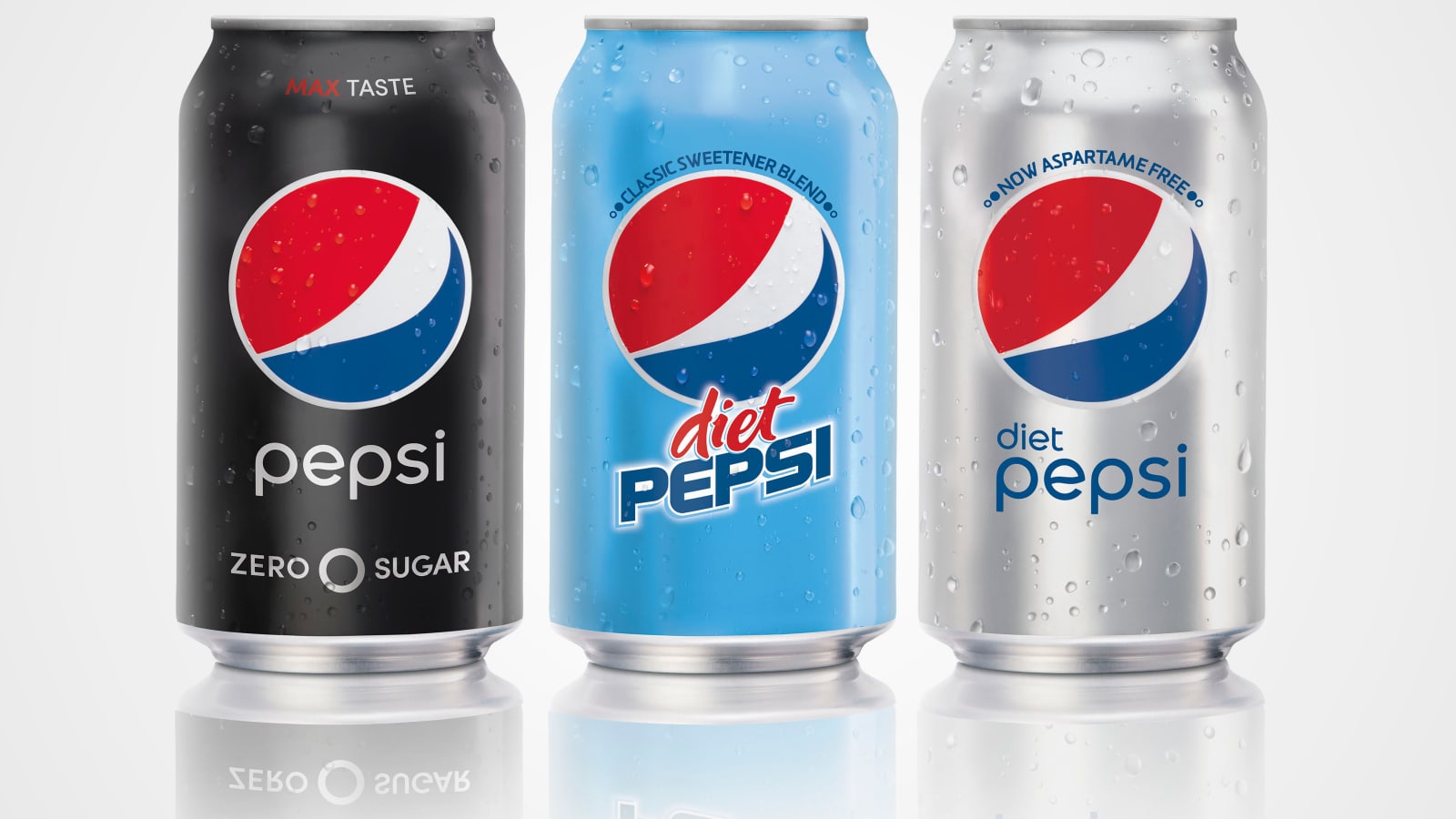
Credit: www.cnbc.com

Credit: en.wikipedia.org
Frequently Asked Questions
Is Diet Pepsi Now Aspartame Free?
Yes, Diet Pepsi is now aspartame-free in certain varieties. PepsiCo offers options without aspartame for consumers. Check labels to ensure you’re choosing an aspartame-free version.
What Artificial Sweetener Do They Use In Diet Pepsi?
Diet Pepsi uses aspartame as its artificial sweetener. Aspartame is a low-calorie sugar substitute. It provides the sweet taste without added calories. This makes Diet Pepsi a popular choice for those managing calorie intake.
What Is Unhealthy About Aspartame?
Aspartame may cause headaches, dizziness, and digestive issues in some individuals. Concerns exist about its impact on brain health. Some studies suggest a link to mood disorders and anxiety. People with phenylketonuria (PKU) should avoid it, as they can’t metabolize phenylalanine, a component of aspartame.
Which Diet Soda No Aspartame?
Zevia, Diet Rite, and Hansen’s diet sodas contain no aspartame. They use alternative sweeteners like stevia or sucralose. These options provide a diet soda experience without the use of aspartame, catering to those seeking different sweetening options. Always check labels to confirm ingredients.
Conclusion
Diet Pepsi uses artificial sweeteners for its signature taste. Aspartame and acesulfame potassium replace sugar, providing a low-calorie option. These sweeteners maintain the drink’s sweetness without added calories. Many enjoy Diet Pepsi for its flavor and calorie savings. Understanding its ingredients helps you make informed choices.
Some prefer it for diet reasons, others for taste. It’s essential to know what’s in your drinks. Always check labels if you have health concerns. Stay informed about your beverage choices. Enjoy your drink with knowledge and peace of mind.
Your preferences matter, so choose wisely.