Are you or a loved one navigating the complexities of medical nutrition? If so, you might have come across the term “Home Enteral Nutrition” and wondered what it entails.
Understanding this concept can feel overwhelming, but it doesn’t have to be. Imagine being able to manage nutritional needs from the comfort of your own home, ensuring the right nourishment without the confines of a hospital setting. Home Enteral Nutrition can be a game-changer for those who need it, offering both flexibility and control.
We’ll break down what Home Enteral Nutrition is, why it might be necessary, and how it can seamlessly fit into your lifestyle. Stay with us to discover how you can empower yourself with this crucial knowledge and improve your quality of life.
Home Enteral Nutrition Basics
Home Enteral Nutrition Basics can be a lifeline for individuals who have trouble eating and digesting food normally. This method involves delivering nutrients directly to the stomach or intestines, bypassing the usual chewing and swallowing process. It’s essential for those dealing with chronic illnesses or conditions affecting their ability to eat.
Understanding Enteral Nutrition
Enteral nutrition ensures your body gets the essential nutrients it needs to function. It’s a practical approach for those who can’t eat, but still need the energy and nutrients. Think of it as a direct route to nourishment, providing the calories, proteins, vitamins, and minerals that are crucial for your health.
Who Needs Home Enteral Nutrition?
People of all ages might need enteral nutrition, from infants to the elderly. Conditions such as stroke, cancer, or digestive disorders can limit your ability to consume food normally. If swallowing becomes a challenge, this alternative can keep you nourished and strong.
Types Of Feeding Tubes
- Nasogastric Tube:This is a temporary solution, often used for short-term needs.
- Gastrostomy Tube:More permanent, inserted directly into your stomach.
- Jejunostomy Tube:Used when stomach access is not possible, it delivers nutrition directly to the small intestine.
Each type serves a specific purpose and your healthcare provider will determine which is best for you.
How To Administer Enteral Nutrition At Home
Administering nutrition at home involves using a feeding pump or syringe. You might feel overwhelmed initially, but practice makes it easier. Follow your healthcare professional’s instructions closely for the best outcomes. Keep your supplies organized and maintain a clean environment to prevent infections.
Safety Precautions And Tips
Ensure your feeding equipment is clean and well-maintained. Regularly check the position of the feeding tube to avoid discomfort. Monitor for any signs of infection, like redness or swelling. Don’t hesitate to contact your healthcare provider if you have any concerns.
Common Challenges And Solutions
You might experience initial discomfort or irritation from the feeding tube. Adjusting the tube’s position can help. If you face digestive issues, try altering the formula or feeding schedule. Share your experiences with others who use enteral nutrition; they can offer valuable advice and support.
Home Enteral Nutrition isn’t just a medical necessity; it’s a way to regain control over your health. Have you ever wondered how this could improve your life or the life of someone you care about? Embrace it as a tool to enhance your well-being.
Benefits Of Home Enteral Nutrition
Home Enteral Nutrition offers essential support for those with nutritional needs. It ensures patients receive vital nutrients directly to their digestive system. This method is often safer and more convenient than hospital stays. It empowers patients with greater control over their health.
Personalized Nutrition
Home Enteral Nutrition allows for tailored nutrient plans. Each plan meets the specific needs of the patient. This ensures they receive the right balance of nutrients. The approach supports better health outcomes.
Improved Quality Of Life
Staying at home can greatly enhance well-being. Patients enjoy comfort and familiarity while receiving care. They can maintain a routine and enjoy family time. This contributes to a more positive outlook.
Cost-effective
Hospital stays can be expensive. Home Enteral Nutrition reduces these costs significantly. It limits the need for frequent hospital visits. This can ease financial burdens on families.
Increased Independence
Patients gain more independence with home care. They manage their treatment schedule more flexibly. This promotes a sense of control and self-sufficiency. It fosters empowerment in managing their health.
Reduced Risk Of Infections
Hospitals can expose patients to infections. Home Enteral Nutrition minimizes this risk. Patients receive care in a cleaner, safer environment. This leads to fewer health complications.
Components Of Enteral Nutrition
Home Enteral Nutrition is a vital support system for those unable to consume food orally. It ensures individuals receive essential nutrients directly into their stomach or intestines. The components of enteral nutrition are crucial for its effective delivery.
Feeding Tubes
Feeding tubes are essential for home enteral nutrition. They deliver nutrients straight to the stomach or intestines. Different types exist, like nasogastric and gastrostomy tubes. Each type serves specific patient needs. Proper insertion and maintenance are vital for safety and comfort.
Nutritional Formulas
Nutritional formulas provide balanced nutrients needed for health. These formulas contain proteins, carbohydrates, fats, vitamins, and minerals. They are tailored to meet individual dietary requirements. Patients can choose from standard or specialized formulas. Specialized formulas cater to specific health conditions.
Feeding Pumps
Feeding pumps control the flow of nutritional formulas into the body. They ensure steady and precise delivery. Pumps can be portable for ease of use at home. They offer adjustable settings to match individual needs. This equipment enhances the efficiency of enteral nutrition.

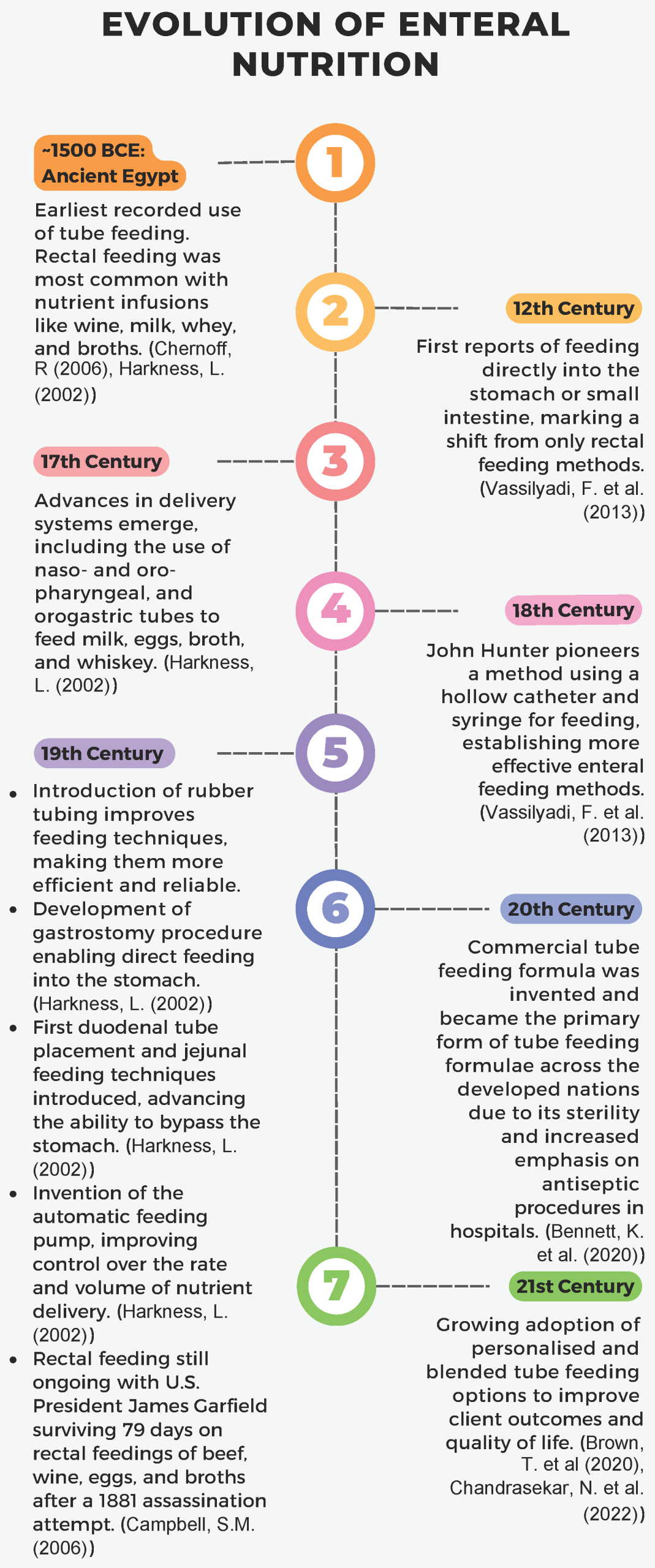
Credit: www.sciencedirect.com
Indications For Use
Home Enteral Nutrition supports individuals who cannot eat by mouth. It delivers nutrients directly to the stomach or small intestine through a tube. This method ensures patients receive necessary nutrients to maintain health and energy.
When you or a loved one faces challenges with eating, it might be time to consider alternative nutrition methods. Home Enteral Nutrition (HEN) is a practical solution that helps individuals receive necessary nutrients when they can’t eat normally. But how do you know when it’s right for you? Understanding the indications for use can clarify when HEN might be beneficial.What Conditions Necessitate Home Enteral Nutrition?
Certain medical conditions can make eating difficult or impossible. For instance, people with head and neck cancers often struggle with swallowing. Neurological disorders like ALS or stroke can also impair the ability to eat. In such cases, HEN ensures that the body still gets the nutrition it needs to heal and function. Have you or someone you know faced difficulties eating due to illness?When Eating Becomes A Health Risk
Sometimes, the act of eating itself can pose a danger. Conditions like severe dysphagia can lead to aspiration, where food accidentally enters the airway. This can cause serious complications like pneumonia. By using enteral nutrition, you can avoid these risks while maintaining nutritional intake. Imagine the relief of knowing that a loved one is eating safely again.Long-term Nutritional Needs
There are situations where nutritional needs extend beyond temporary solutions. Chronic conditions such as Crohn’s disease or cystic fibrosis may require long-term nutritional support. HEN provides a stable, reliable source of nutrients over extended periods. This consistency can improve quality of life and support ongoing health management. Does your health journey include managing a chronic condition with nutritional needs?Post-surgical Recovery
After major surgeries, especially those involving the digestive tract, normal eating might not be possible right away. HEN can bridge the gap during recovery, ensuring patients receive adequate nutrition to heal effectively. This can shorten recovery times and improve outcomes. Could this be a helpful strategy in your or a loved one’s recovery plan?Malnutrition And Weight Maintenance
Malnutrition is a serious issue that affects many, especially the elderly or those with chronic illnesses. If someone is unable to maintain a healthy weight due to inadequate oral intake, HEN can be a lifesaver. It helps in maintaining energy levels and overall health. Have you noticed changes in weight that concern you or someone you care about? Recognizing these signs and conditions can guide you in deciding if Home Enteral Nutrition is the right step. Understanding the benefits can lead to better health outcomes and peace of mind. What would it mean for you to have a secure nutritional plan in place?Administration Methods
Home Enteral Nutrition involves providing nutrients directly to the stomach or small intestine. It’s essential for individuals who can’t eat normally. Different administration methods include using tubes like nasogastric or gastrostomy, ensuring proper nourishment at home.
Administering home enteral nutrition can seem daunting at first, but understanding the methods can ease the process significantly. You have options to choose from, which can be tailored to fit your lifestyle and nutritional needs. Each method is unique in how it delivers nutrients, catering to different preferences and medical requirements.Continuous Feeding
Continuous feeding involves a slow, steady delivery of nutrition over several hours. It often uses a pump, making it ideal for those who need a constant supply of nutrients. This method can be particularly beneficial during the night, allowing you to maintain your daily routine without interruption. Consider how uninterrupted nourishment could improve your energy levels throughout the day. Have you ever felt sluggish due to irregular meals? Continuous feeding might be the solution.Intermittent Feeding
Intermittent feeding is all about balance and flexibility. You receive nutrients in scheduled intervals, allowing for breaks between sessions. This can mimic regular meal times, making it easier to incorporate into daily life. Imagine having the freedom to manage your feeding around social activities or work commitments. Could this type of feeding help you feel more in control of your nutrition schedule?Bolus Feeding
Bolus feeding delivers nutrition quickly, similar to eating a meal. Using a syringe, you can administer the nutrients in a matter of minutes. This method is often preferred for its convenience and speed. Think about how bolus feeding can fit into your busy life. Would quick feeding sessions allow you to maintain a more active lifestyle without sacrificing nutritional intake? By exploring these administration methods, you can find what suits your needs best. Whether you desire constant nourishment, flexibility, or quick meals, there’s an option for you. Which method aligns with your goals and lifestyle?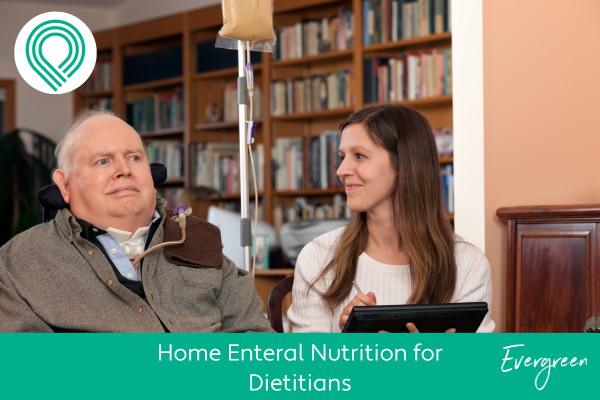
Credit: member.dietitiansaustralia.org.au
Managing Complications
Home Enteral Nutrition provides essential nutrients through a tube directly into the stomach or small intestine. This method supports individuals who cannot eat enough by mouth. Managing complications involves monitoring the tube site, ensuring proper nutrition, and addressing any digestive issues.
Managing complications in home enteral nutrition can be a tricky yet crucial part of ensuring success. While this nutritional support method offers life-saving benefits, it also comes with its own set of challenges. Understanding these potential complications will empower you to tackle them effectively and maintain your health and well-being.Tube Blockages
Tube blockages are common when managing home enteral nutrition. They can disrupt your feeding schedule and cause unnecessary stress. To prevent blockages, always flush the tube with water before and after feeding. Make sure the formula is well-mixed and avoid medications that can clog the tube. If a blockage occurs, try using warm water to gently unclog it. Consistent maintenance can help keep your feeding routine smooth and hassle-free.Gastrointestinal Issues
Gastrointestinal issues, such as nausea, vomiting, or diarrhea, can be unsettling. These problems can be linked to the formula’s temperature, its speed of delivery, or even its composition. Start by adjusting the formula’s temperature or reducing the feeding rate to see if symptoms improve. Always consult with your healthcare provider to ensure the formula is right for your needs. They can offer personalized adjustments that make a significant difference in your comfort.Infections
Infections can occur around the feeding tube site, and they require prompt attention. Redness, swelling, or unusual discharge might indicate an infection. Regular cleaning of the tube site is essential. Use mild soap and water or a recommended antiseptic solution. Keeping the area dry and monitoring it daily can prevent infections. If you suspect an infection, seek medical advice immediately to avoid further complications. Managing these complications requires vigilance and proactive care. How do you ensure your home enteral nutrition remains complication-free? Share your tips and experiences in the comments to help others navigate this journey.Dietary Considerations
Home Enteral Nutrition provides essential nutrients through a tube directly into the stomach or small intestine. This method helps those who cannot eat normally maintain their health and nutrition. It supports individuals with conditions that affect their ability to consume food orally.
When you or a loved one relies on home enteral nutrition, understanding dietary considerations is essential. These considerations ensure nutritional adequacy while also maintaining comfort and quality of life. The choices you make can impact your health and well-being, making it crucial to get it right.Understanding Nutritional Needs
Every person has unique nutritional needs. It’s not just about calories but also the balance of carbohydrates, proteins, and fats. Consulting a dietitian can help you tailor your nutritional intake to your specific requirements. For instance, if someone is dealing with a medical condition like diabetes, you may need to adjust the carbohydrate levels in their enteral nutrition.Choosing The Right Formula
There are various enteral nutrition formulas available, each designed for specific health needs. Some are high in protein, while others may be fiber-enriched or calorie-dense. Selecting the right formula can be overwhelming, but understanding the specific health goals can guide your choice. If you are unsure, your healthcare provider can offer recommendations tailored to your needs.Managing Fluid Intake
Fluid balance is a critical part of home enteral nutrition. You need to ensure that you are getting enough fluids to stay hydrated while avoiding excess intake that could lead to complications. Think about how much water you consume through your formula and any additional fluids. It’s a delicate balance that requires attention and sometimes adjustments.Monitoring For Allergies And Intolerances
Dietary allergies and intolerances can complicate enteral nutrition. Some formulas may contain allergens like dairy or soy. It’s essential to read labels and be aware of ingredients that might cause reactions. If you notice symptoms such as rashes or digestive issues, it might be time to consult your healthcare provider for alternatives.Adapting To Lifestyle Changes
Life changes, and your nutritional needs might too. Whether it’s a change in physical activity level or a new medical diagnosis, adapting your enteral nutrition is key. Regular check-ins with your healthcare team can help ensure your nutrition plan evolves with your needs. Are you keeping track of these changes and discussing them with your healthcare provider? Small adjustments can have a big impact on your overall well-being. Dietary considerations in home enteral nutrition are more than a checklist. They are a cornerstone of maintaining health and comfort. By staying informed and proactive, you can make the most of your nutrition plan.
Credit: member.dietitiansaustralia.org.au
Role Of Healthcare Providers
Home Enteral Nutrition involves feeding patients through a tube directly into the stomach or intestine. Healthcare providers play a crucial role in monitoring nutritional needs and ensuring the safety and effectiveness of this method. Their expertise helps patients maintain proper nutrition at home.
Home enteral nutrition is a crucial aspect of care for individuals who cannot consume food orally or digest it effectively. The role of healthcare providers in this process is vital. They not only guide patients and families through the complexities of enteral nutrition but also ensure that the nutritional needs are met efficiently and safely. Imagine the relief you feel when a knowledgeable provider is there, making sure everything runs smoothly, and answering the questions that you didn’t even know you had.Understanding Patient Needs
Healthcare providers must grasp the unique needs of each patient. This involves assessing medical history, current health status, and nutritional requirements. They tailor nutrition plans specifically for you, ensuring the right balance of calories, vitamins, and minerals. Are you worried about the technical aspects of enteral feeding? Providers are trained to address these concerns, making the process less intimidating.Education And Training
Providers educate patients and caregivers on the use of enteral feeding equipment. They teach you how to handle tubes, pumps, and formulas safely. Imagine the confidence that comes from knowing exactly how to manage your nutrition at home. They also offer ongoing training to adapt to any changes in your health or dietary needs. This ensures that you always have the most effective and safe nutrition plan.Monitoring And Support
Regular monitoring is essential in home enteral nutrition. Providers keep track of your progress and make necessary adjustments to the nutrition plan. They help prevent complications such as infections or malnutrition. Do you have concerns about the effectiveness of your current nutrition plan? Providers are there to review and modify it, ensuring optimal health outcomes.Collaboration With Other Professionals
Healthcare providers often collaborate with dietitians, nurses, and physicians to provide comprehensive care. This team approach ensures that all aspects of your health are considered, enhancing the effectiveness of enteral nutrition. Have you ever wondered how different experts work together to improve your care? This collaboration is a testament to the dedication of healthcare providers in ensuring you receive the best possible support. Healthcare providers play a pivotal role in home enteral nutrition, offering expertise and compassionate care. Their involvement makes a significant difference in the quality of life for patients and families.Caregiver Support And Training
Home Enteral Nutrition involves providing essential nutrients directly into the digestive tract through a tube. This method supports individuals who cannot consume food orally, ensuring they receive necessary nourishment. Proper caregiver training is vital to manage this process effectively at home.
Caring for a loved one who requires home enteral nutrition can feel overwhelming. However, with the right support and training, it becomes manageable and even empowering. Understanding the caregiver’s role and the resources available can make a significant difference in the patient’s well-being and the caregiver’s peace of mind.Understanding The Role Of A Caregiver
As a caregiver, you are the cornerstone of your loved one’s nutritional health. Your responsibilities might include preparing and administering enteral feeds, monitoring the equipment, and keeping track of the patient’s nutritional intake. It’s essential to grasp the basics of enteral nutrition and the specific needs of the patient you are caring for.Training Programs And Resources
Many healthcare providers offer training programs that teach you how to manage enteral nutrition effectively. These programs cover everything from setting up feeding tubes to troubleshooting common issues. Ask your healthcare provider about available resources or workshops that can equip you with necessary skills and knowledge.Building A Support Network
No one should have to handle caregiving alone. Building a support network of healthcare professionals, family, and friends can provide much-needed assistance. Share responsibilities when possible and seek advice from those who have experience in caregiving. Joining a local or online support group can also offer valuable insights and emotional support.Self-care For Caregivers
Taking care of yourself is just as important as caring for your loved one. Regular breaks, exercise, and hobbies can help prevent burnout. Reflect on your own needs and schedule time for activities that rejuvenate you. Remember, a well-rested caregiver is more effective and better equipped to handle challenges.Practical Tips For Everyday Care
Incorporate daily routines that simplify your caregiving tasks. Labeling supplies and keeping a checklist can help you stay organized. Create a designated space for enteral nutrition supplies to make them easily accessible. What small changes can you make today to streamline your caregiving routine?Engaging With Healthcare Professionals
Stay in regular contact with your healthcare team. They can provide updates on your loved one’s progress and offer guidance. Don’t hesitate to ask questions or express concerns. Your proactive involvement ensures that your loved one receives the best possible care.Reflecting On Your Caregiving Journey
Take a moment to reflect on the progress you’ve made as a caregiver. Celebrate small victories, like mastering a new skill or navigating a challenging day. Sharing your experiences with others can also be a source of encouragement. How has this journey changed your perspective on caregiving?Future Of Home Enteral Nutrition
The future of home enteral nutrition is evolving rapidly with advancements in technology and personalized care. As more people seek comfort and convenience in their healthcare routines, home enteral nutrition is becoming a staple in many households. But what does this mean for you or your loved ones who rely on it?
Technological Advancements
Technology is playing a crucial role in shaping home enteral nutrition. New devices are making it easier to manage feeding schedules and monitor nutritional intake. Apps are now available that sync with feeding pumps, allowing you to track progress and adjust plans easily. Imagine having the power to control your nutrition right from your smartphone.
Smart pumps are becoming a game-changer. They offer precise measurements and can alert you if there’s a blockage or an error. This reduces the risk of complications and makes the process smoother and more reliable.
Personalized Nutrition Plans
Personalization is at the forefront of home enteral nutrition. No two individuals have the same nutritional needs, and healthcare providers are now tailoring plans to meet specific requirements. You can collaborate with dietitians to create a plan that fits your lifestyle and health goals.
These customized plans can significantly improve your quality of life. They consider your preferences and any medical conditions, ensuring you’re getting the nutrients you need without compromising on taste or comfort.
Telehealth Support
Telehealth is revolutionizing how you receive support for home enteral nutrition. Virtual consultations with healthcare professionals mean you can get expert advice without leaving your home. This accessibility is crucial, especially for those with mobility issues or busy schedules.
Think about the convenience of discussing your concerns and adjusting your nutrition plan during a video call. It saves time and offers peace of mind knowing help is just a click away.
Community And Support Networks
You’re not alone in navigating home enteral nutrition. Online communities are providing platforms where people share experiences and tips. Participating in these networks can offer you valuable insights and emotional support.
Engage with others who understand your journey. Sharing your story might help someone else while offering you new perspectives and ideas. Have you considered joining a support group to enhance your experience?
The future of home enteral nutrition looks promising and empowering. As technology, personalization, and community support continue to advance, you can expect more comfort and control in managing your nutritional needs at home.
Frequently Asked Questions
What Does Home Enteral Nutrition Mean?
Home enteral nutrition involves delivering nutrients directly to the stomach or intestine using a tube. It supports individuals who cannot eat normally. This method ensures essential nutrients are absorbed, maintaining health and energy levels. It’s often used for patients with swallowing difficulties or specific medical conditions.
What Is An Example Of Enteral Nutrition?
An example of enteral nutrition is a feeding tube delivering liquid nutrition directly to the stomach or small intestine. This method supports patients who cannot eat normally due to medical conditions, ensuring they receive essential nutrients for health and recovery.
What Are The Three Types Of Enteral Feeding?
The three types of enteral feeding are nasogastric tube (NGT), gastrostomy tube (G-tube), and jejunostomy tube (J-tube). NGT delivers nutrition through the nose. G-tube goes directly into the stomach. J-tube accesses the small intestine. Each method supports nutritional needs based on medical conditions.
What Is The Difference Between Tube Feeding And Enteral Nutrition?
Tube feeding involves delivering nutrients directly into the stomach or intestines via a tube. Enteral nutrition refers to the broader method of providing nutrition through the gastrointestinal tract, which includes tube feeding. Both support individuals who cannot consume food orally.
Conclusion
Home enteral nutrition offers essential support for those needing nutritional help. It ensures vital nutrients are delivered directly and safely. This method empowers individuals to manage health at home effectively. Families benefit from understanding and overseeing daily nutrition needs. It’s simple, yet impactful, in improving life quality.
Engaging with healthcare providers ensures safe practices. Staying informed helps you make better choices for loved ones. Home enteral nutrition creates a supportive environment, enhancing well-being. It’s a valuable resource for many families. Embrace this approach for better health management.