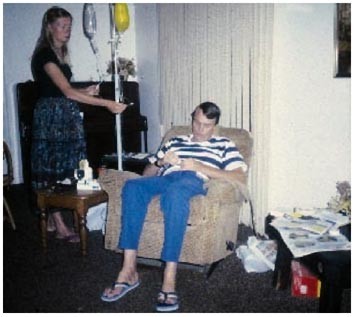
Imagine facing the challenge of meeting your nutritional needs without being able to eat the traditional way. This is where Home Parenteral Nutrition (HPN) steps in.
If you or a loved one is dealing with a condition that affects the digestive system, HPN might be a term you’ve come across but aren’t entirely sure about. It’s a medical marvel that allows nutrients to be delivered directly into your bloodstream, bypassing the need for eating and digestion.
You might be wondering how this works, what it entails, and if it’s right for you. Understanding the ins and outs of HPN can empower you to make informed decisions about your health. You’ll discover the essentials of Home Parenteral Nutrition, unraveling the complexities into easy-to-grasp concepts. You’ll learn how it can be a lifeline for those who need it, offering a practical solution to meet nutritional requirements from the comfort of your home. Keep reading to explore how HPN could transform your approach to nutrition and improve your quality of life.
Home Parenteral Nutrition Basics
Home Parenteral Nutrition (HPN) is a medical treatment. It provides essential nutrients directly into the bloodstream. This is crucial for individuals with digestive issues. They cannot absorb nutrients from food. Understanding the basics of HPN can empower patients and their caregivers. It promotes better health management at home.
What Is Home Parenteral Nutrition?
Home Parenteral Nutrition involves delivering nutrients through an intravenous line. This bypasses the digestive system entirely. It is used when the gut cannot absorb enough nutrients. Patients receive a tailored mix of vitamins, minerals, protein, and fats. This ensures they meet their nutritional needs.
Who Needs Home Parenteral Nutrition?
HPN supports individuals with severe digestive disorders. Conditions like Crohn’s disease or short bowel syndrome may require it. Patients recovering from surgery might also benefit. It’s critical for those with chronic bowel obstructions.
How Is Home Parenteral Nutrition Administered?
HPN is administered through a central venous catheter. This is placed in a large vein. Patients or caregivers learn to set up the infusion. They follow specific hygiene protocols to prevent infections. The process usually occurs overnight.
Benefits Of Home Parenteral Nutrition
HPN helps maintain adequate nutrition levels. It supports energy needs and promotes healing. Patients can lead more normal lives outside the hospital. It reduces frequent hospital visits and enhances independence.
Challenges And Considerations
HPN requires careful management. Patients must monitor fluid intake and output. Regular blood tests ensure proper nutrient levels. Emotional support is vital due to lifestyle changes. Health professionals provide essential guidance.

Credit: m.youtube.com
Who Needs Home Parenteral Nutrition
Home Parenteral Nutrition (HPN) is crucial for some individuals. It provides essential nutrients directly into the bloodstream. This method supports those who cannot eat normally. Understanding who benefits from HPN is vital.
Who Needs Home Parenteral Nutrition?
HPN is essential for people with severe digestive issues. These conditions prevent proper nutrient absorption. Individuals with short bowel syndrome rely on HPN. Their intestines cannot absorb enough nutrients.
Cancer patients may also need HPN. Some treatments affect the ability to digest food. HPN ensures they receive necessary nutrients. It supports their strength and recovery.
People with gastrointestinal diseases often require HPN. Conditions like Crohn’s disease can limit nutrient intake. HPN helps them maintain their health. It fills the nutritional gap.
Children With Special Needs
Some children are born with digestive disorders. They need extra nutritional support. HPN provides their growing bodies with essential nutrients. It supports their development and overall health.
Post-surgical Patients
After certain surgeries, regular eating becomes difficult. Patients might not digest food properly. HPN aids their recovery by supplying vital nutrients. It bridges the gap during healing.
Elderly With Nutritional Challenges
Older adults sometimes struggle with malnutrition. Digestive issues may be a factor. HPN ensures they receive adequate nutrition. It helps maintain their health and vitality.
Understanding the need for HPN is important. It supports many individuals with specific nutritional needs.
Components Of Parenteral Nutrition
Home parenteral nutrition provides essential nutrients directly into the bloodstream for those unable to eat or absorb food. Key components include carbohydrates, fats, proteins, vitamins, and minerals. This method supports individuals with digestive disorders or severe illness, offering necessary nourishment outside hospital settings.
Understanding the components of parenteral nutrition is crucial if you’re navigating the world of home parenteral nutrition. This specialized feeding method provides essential nutrients directly into your bloodstream, bypassing the digestive system. Each component plays a vital role in maintaining your health and well-being. Let’s break down these components to see what each brings to the table.Proteins
Proteins are the building blocks of your body. In parenteral nutrition, they are usually provided in the form of amino acids. These are essential for repairing tissues, making enzymes, and supporting immune function. Think of them as the repair crew that keeps your body functioning smoothly.Carbohydrates
Carbohydrates are your body’s primary source of energy. In parenteral nutrition, they are delivered as glucose. This keeps your energy levels up and supports vital bodily functions. Without enough carbs, you might feel fatigued and sluggish.Fats
Fats are essential for absorbing fat-soluble vitamins and providing energy. In parenteral nutrition, these are often given as lipid emulsions. They help maintain healthy skin and support brain function. But how much fat is too much? That’s something your healthcare team will carefully monitor.Vitamins And Minerals
Vitamins and minerals are crucial for countless processes in your body. From supporting bone health to boosting your immune system, they play a role in nearly every aspect of your well-being. Parenteral nutrition includes a balanced mix of these micronutrients to ensure you’re not missing out.Electrolytes
Electrolytes like sodium, potassium, and chloride keep your body’s fluids balanced. They’re essential for nerve function and muscle contractions. Have you ever felt muscle cramps when dehydrated? That’s often due to an imbalance in electrolytes.Fluids
Fluids are the medium that carries all these nutrients into your bloodstream. They help maintain hydration and ensure that your organs function correctly. Staying hydrated is a cornerstone of good health, and parenteral nutrition ensures you get the right amount. Navigating home parenteral nutrition can be daunting, but understanding its components can demystify the process. Have you ever thought about how these components work together to keep you healthy? Whether you’re new to this or supporting someone who relies on it, gaining insight into each component can empower you to make informed decisions.Setting Up Home Parenteral Nutrition
Home Parenteral Nutrition provides essential nutrients through a vein for those who cannot eat normally. This method supports individuals with digestive issues, ensuring they receive vital nutrients at home.
Setting up home parenteral nutrition (HPN) can feel overwhelming, especially when transitioning from hospital care. Yet, with the right guidance, it becomes a manageable part of daily life. Imagine the comfort of receiving treatment in your own living room, surrounded by familiar sights and sounds. This shift not only promotes health but also enhances your quality of life.Understanding The Basics
Before you start, it’s crucial to grasp the essentials of HPN. It’s a method of delivering nutrients directly into your bloodstream through an intravenous (IV) line. This is especially useful if your digestive system can’t process food normally. You might wonder, how does this work at home? The answer lies in a well-coordinated setup and a supportive healthcare team.Equipment Essentials
You’ll need a few key items to get started. First, a reliable infusion pump is vital. It controls the flow of nutrients into your body. You will also need sterile IV supplies and a fridge to store your nutrient solution. Is your home equipped for these needs? Ensuring you have space and accessibility is crucial for a smooth setup.Creating A Clean Environment
Maintaining a sterile environment is essential. Cleanliness prevents infections, which can be serious. Regularly sanitize the area where you prepare and administer your nutrition. Think about the last time you cleaned your kitchen counter—now apply that diligence here. Establish a routine that prioritizes hygiene.Training And Support
Your healthcare team will provide training on using the equipment and recognizing potential issues. Don’t hesitate to ask questions during this process. Understanding the signs of complications can prevent emergencies. Have you ever felt unsure about a new task? Remember, practice builds confidence.Monitoring And Adjustments
Regular monitoring is key to successful HPN. You’ll track your weight, fluid intake, and any symptoms. Adjustments might be necessary based on these observations. Consider keeping a daily log—it’s a simple yet powerful tool. How has tracking helped you in other areas of your life?Emotional And Mental Preparedness
Adjusting to HPN can be emotionally challenging. It’s normal to feel apprehensive. Seek support from family, friends, or support groups. Sharing experiences can reduce feelings of isolation. What steps can you take to ensure you’re mentally ready for this journey? Setting up home parenteral nutrition involves many components, but each step brings you closer to a healthier lifestyle. With preparation and support, HPN can fit seamlessly into your daily routine, empowering you to live life on your terms.Managing And Monitoring
Managing and monitoring home parenteral nutrition (HPN) is vital for well-being. Regular oversight ensures that nutritional needs are met effectively. This approach helps prevent complications. It also supports the patient’s health journey. A structured routine and vigilant health checks are essential. Learn how daily tasks and health monitoring play a crucial role.
Daily Routine
Maintaining a daily routine for HPN is crucial. Patients must follow a consistent schedule for administering nutrition. This helps the body adjust to the nutrient intake. It also prevents any disruptions. Set a specific time each day for infusion. Prepare all equipment beforehand to avoid last-minute hassles. Cleanliness is important. Sterilize equipment to reduce infection risk. Ensure the infusion site is clean and dry. Keep a checklist to track completed tasks. This promotes consistency and reduces errors.
Monitoring Health
Regular health monitoring is key in HPN. Check vital signs like temperature and heart rate daily. Watch for signs of infection, like redness or swelling at the infusion site. Keep an eye on weight changes. Rapid weight gain or loss can signal issues. Blood tests are essential for tracking nutrient levels. Schedule these tests regularly. They help ensure balanced nutrition. Communication with healthcare providers is important. Report any unusual symptoms immediately. Regular follow-ups with medical professionals provide guidance and support. It aids in adjusting the nutrition plan if needed.
Challenges And Risks
Home Parenteral Nutrition involves feeding nutrients directly into the bloodstream, bypassing the digestive system. Challenges include infection risk and managing nutrient balance. Patients need frequent monitoring to ensure safety and effectiveness, requiring commitment and support.
Home Parenteral Nutrition (HPN) can be a lifeline for individuals who cannot meet their nutritional needs through regular eating. However, it comes with its own set of challenges and risks that require careful management. Understanding these challenges can help you or a loved one navigate the complexities of HPN more effectively.Common Complications
HPN involves delivering nutrients directly into the bloodstream, bypassing the digestive system. This method can lead to several complications. Infections are a significant risk, as the central line used for nutrition can become a pathway for bacteria. Regular monitoring and hygiene practices are essential to mitigate this risk. Liver damage is another potential complication. Long-term use of HPN can affect liver function, necessitating regular liver function tests. Are you prepared to manage these regular health check-ups and the potential for medical interventions? Electrolyte imbalances can also occur. These imbalances may lead to symptoms like fatigue, confusion, or muscle weakness. Staying vigilant about your symptoms and communicating with healthcare providers can make a difference in catching these issues early.Psychological Impact
Living with HPN is not just a physical challenge; it also affects mental health. The constant need for medical attention and lifestyle adjustments can be overwhelming. Have you considered how this might impact your daily routines and sense of independence? Feelings of isolation are common. You might find social situations challenging, especially those involving food. How do you plan to maintain social connections without feeling left out? The emotional toll can be significant. Anxiety and depression may emerge as you adjust to a new way of living. Seeking support from mental health professionals or support groups can provide a crucial outlet for these emotions. Navigating the challenges and risks of HPN requires a proactive approach and a strong support system. By understanding the potential complications and psychological impacts, you can better prepare yourself or your loved ones for the journey ahead. Are you ready to take on this challenge with the necessary knowledge and support?Role Of Healthcare Professionals
Healthcare professionals play a crucial role in administering home parenteral nutrition, ensuring patients receive vital nutrients directly into their bloodstream. Their expertise guarantees safe and effective management, supporting individuals unable to consume food orally. Comprehensive care and monitoring by these experts enhance patient well-being and quality of life.
Home Parenteral Nutrition (HPN) is a life-saving therapy for those who cannot absorb nutrients through their digestive system. The role of healthcare professionals in managing HPN is crucial. They ensure patients receive the right nutrients, monitor their health, and provide support throughout the treatment journey. Understanding their responsibilities can help you appreciate the complex care system that supports those on HPN.Understanding The Multidisciplinary Team
A multidisciplinary team brings together a variety of healthcare professionals to provide comprehensive care. This team often includes doctors, nurses, dietitians, and pharmacists. Each member has a unique role, contributing to the overall success of HPN therapy. Doctors diagnose and determine the need for HPN. They develop a treatment plan tailored to your specific medical condition. Nurses educate you on how to manage HPN at home. They also monitor for potential complications and coordinate care. Dietitians play a critical role in creating a balanced nutrition plan. They assess your dietary needs and adjust your nutrient intake accordingly. Pharmacists prepare the nutrient solutions and ensure that they are safe and effective.Ensuring Seamless Communication
Effective communication among the healthcare team and with you is vital. It helps in promptly addressing any concerns or changes in your condition. Regular meetings and updates keep everyone informed and aligned on your treatment progress. Do you feel comfortable discussing your needs with your healthcare team? Open communication can enhance your confidence in managing HPN.Providing Emotional Support
HPN can be daunting, especially when starting. Healthcare professionals provide not only medical but also emotional support. They help you navigate the challenges and adjustments needed to adapt to life with HPN. Remember the time when you felt unsure about managing your HPN? Your nurse’s reassuring words or the dietitian’s practical tips might have made a significant difference. This support is a cornerstone of successful HPN management.Offering Education And Training
Proper education and training are essential for managing HPN at home. Healthcare professionals ensure you and your caregivers are well-prepared. They provide training on how to administer the nutrition, recognize signs of complications, and maintain hygiene. Have you ever wondered if you’re doing everything right? Don’t hesitate to ask questions or seek clarification. Your healthcare team is there to guide you every step of the way.Monitoring And Adjusting Treatment
Continuous monitoring of your health is crucial. Healthcare professionals track your progress, check for any adverse effects, and adjust your treatment as necessary. This proactive approach helps in preventing complications and optimizing your health. Are you keeping a record of your daily routine and any symptoms? Sharing this information with your healthcare team can lead to better care and outcomes. In essence, healthcare professionals play a pivotal role in HPN by providing holistic care, ensuring safety, and offering unwavering support. Their dedication and expertise are instrumental in helping you lead a healthy and fulfilling life with HPN.
Credit: ameripharmaspecialty.com
Technological Innovations
Technological innovations have transformed home parenteral nutrition (HPN). Advanced systems simplify the process, making it more accessible. These innovations improve patient experiences, ensuring comfort and safety.
1. Smart Infusion PumpsSmart infusion pumps are changing the landscape of HPN. They offer precise control over nutrient delivery. Patients can manage their nutrition without constant supervision. These pumps have user-friendly interfaces. Alerts notify users of any issues, enhancing safety.
2. Wireless Monitoring SystemsWireless monitoring systems provide real-time data. They track vital signs and fluid levels. Patients and healthcare providers access information remotely. This technology reduces the need for hospital visits. Early detection of issues is possible, ensuring timely intervention.
3. Advanced Nutrient FormulationsAdvanced nutrient formulations cater to individual needs. They optimize nutrient absorption and effectiveness. Customizable solutions are available for different health conditions. These formulations support better health outcomes.
4. Telehealth IntegrationTelehealth integration enhances HPN management. It connects patients with healthcare professionals. Virtual consultations provide guidance and support. This technology enables continuous care and monitoring. Patients feel more connected and supported.
Patient And Family Support
Home Parenteral Nutrition provides essential nutrients directly into the bloodstream for those unable to eat. This method supports patients with digestive disorders at home. Families play a crucial role in managing this treatment, ensuring proper care and comfort.
When you or a loved one begins home parenteral nutrition (HPN), the journey can feel overwhelming. Support becomes crucial not just for the patient, but also for the entire family. Understanding the resources available can ease this transition and make day-to-day life more manageable. How can you ensure everyone feels confident and supported through this process?Educational Resources
Knowledge is empowering. When starting HPN, it’s essential to have access to educational materials that explain the process clearly. Hospitals and healthcare providers often offer booklets, videos, and online tutorials to help you understand HPN. These resources can guide you on how to manage the equipment and troubleshoot common issues. Consider setting aside time each week to review new materials. This can keep you updated and prepared for any changes in the patient’s condition. Encourage family members to join you, fostering a shared understanding and collaborative care approach.Community Support
Connecting with others who are on a similar journey can be incredibly comforting. Community support groups, either online or in-person, provide a platform to share experiences and advice. Here, you can ask questions, learn from others’ experiences, and find emotional support. One family shared how they felt isolated until they joined an online group. It became a lifeline, offering insights and encouragement from people who truly understood their situation. Have you explored local groups or online forums that could offer similar support? In addition to peer support, many communities offer services like transportation assistance or meal preparation, easing the daily burden on families. Check with local social services or non-profit organizations to discover available aids. By tapping into these educational and community resources, you can not only support the patient but also empower your family. What steps will you take today to build a supportive network around your HPN journey?
Credit: www.youtube.com
Frequently Asked Questions
What Is The Meaning Of Home Parenteral Nutrition?
Home parenteral nutrition provides nutrients directly into the bloodstream for individuals unable to eat or absorb food. It supports those with digestive disorders or surgeries by delivering essential vitamins, minerals, and calories. This method helps maintain nutritional health while allowing patients to stay at home.
Why Would Someone Be Put On Tpn?
Someone might be put on TPN if their digestive system can’t absorb nutrients effectively. This can occur due to severe gastrointestinal disorders, surgeries, or conditions like Crohn’s disease. TPN provides essential nutrients directly into the bloodstream, bypassing the digestive tract, ensuring the patient receives necessary nourishment.
How Long Can Someone Be On Tpn?
TPN can be used for weeks to years, depending on individual needs. Doctors monitor patients closely during TPN. Long-term use requires careful management to avoid complications. Regular assessments help determine the duration of TPN therapy. Always consult healthcare professionals for personalized guidance.
What Is An Example Of Parenteral Nutrition?
Parenteral nutrition example: Total Parenteral Nutrition (TPN). It provides nutrients intravenously for patients who cannot eat orally. TPN includes carbohydrates, proteins, fats, vitamins, and minerals, ensuring balanced nutrition delivery directly into the bloodstream. It’s essential for patients with gastrointestinal disorders or surgeries that hinder regular food intake.
Conclusion
Home parenteral nutrition offers vital support for those with digestive issues. It provides essential nutrients directly into the bloodstream. This method ensures individuals receive necessary nourishment safely. Understanding its importance can help improve health outcomes. Always consult healthcare professionals for personalized advice.
They can guide you on the best nutritional choices. Consider lifestyle impacts and stay informed. It’s crucial for maintaining overall health. Home parenteral nutrition can be a key part of a balanced health strategy. Prioritize your well-being and stay proactive.
Your health journey matters. Seek knowledge and make informed decisions.