Are you tired of trying every diet under the sun, only to find yourself back where you started? You’re not alone.
Many people struggle to achieve their weight loss goals despite endless efforts and endless promises from fad diets. But what if there was a method that truly understood your body’s unique needs and worked with you to achieve sustainable results?
That’s where medical weight loss comes into play. This approach goes beyond the one-size-fits-all mentality, offering personalized solutions that are designed just for you. Imagine a plan crafted by healthcare professionals, focusing on your individual health metrics and long-term wellness. As you read on, discover how medical weight loss could be the key to finally unlocking a healthier, happier you. Stick around to learn more about how this tailored approach can transform your weight loss journey and provide you with the tools you need for lasting success.

Credit: www.pritikin.com
Medical Weight Loss Basics
Medical weight loss involves professional guidance to lose weight effectively. It includes personalized plans, medical supervision, and lifestyle changes. This approach ensures safe and sustainable weight management.
Understanding Medical Weight Loss Basics can be your first step toward a healthier lifestyle. This approach focuses on losing weight through medically supervised plans tailored to your individual needs. Unlike trendy diets, medical weight loss is grounded in science and is often managed by healthcare professionals. By considering your unique health profile, medical weight loss aims to ensure effective and safe weight reduction. But how does it work, and what does it involve?What Is Medical Weight Loss?
Medical weight loss is a program designed and monitored by medical experts. It incorporates elements like nutrition, exercise, and sometimes medication. The goal is to provide a sustainable plan that fits your lifestyle. Have you ever wondered why some diets work for others but not for you? That’s where a personalized approach can make a difference.Components Of A Medical Weight Loss Program
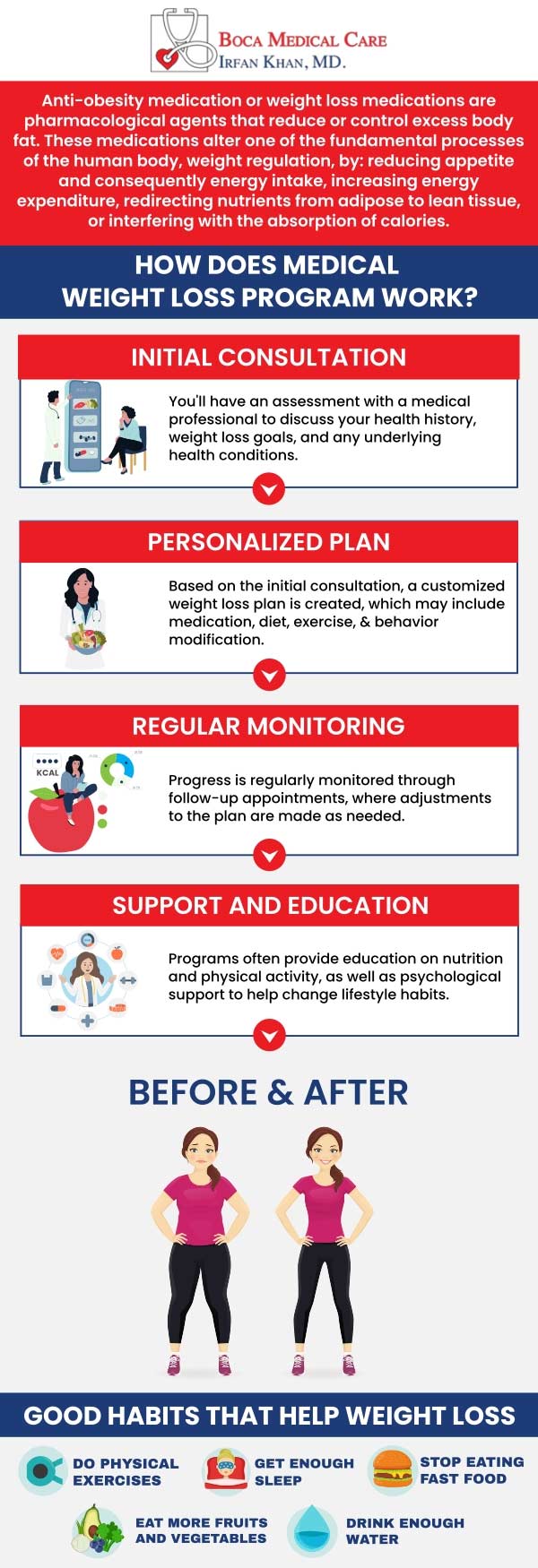
A typical program includes several components: – Personalized Diet Plans: Customized meals that match your dietary needs and preferences. – Exercise Routines: Workouts designed to complement your physical capabilities. – Behavioral Therapy: Helps address emotional eating and other psychological factors. – Medical Supervision: Regular check-ups to monitor your progress and adjust the plan as needed. These elements work together to ensure you lose weight safely and sustainably. Choosing a medically supervised program offers numerous benefits: – Safety: Doctors ensure the plan is safe for your health conditions. – Effectiveness: Customized strategies often lead to better results. – Support: Ongoing guidance keeps you motivated and accountable. Reflect on how having expert support could change your journey. Would it make the process less overwhelming?Is Medical Weight Loss Right For You?
Consider your past experiences with weight loss. Were they frustrating or unsuccessful? Medical weight loss could be the solution you’ve been seeking. It’s especially beneficial if you have health conditions that make traditional dieting risky. Think about your goals. Are you looking for a long-term change rather than a quick fix? Then medical weight loss might be your best option.Getting Started With Medical Weight Loss
Starting this journey is simpler than you might think. Reach out to a healthcare provider to discuss your options. They can help you find a program that fits your needs. Are you ready to take control of your health? The first step is just a consultation away. By understanding the basics of medical weight loss, you can make informed decisions about your health. What are your thoughts on this approach? Would you consider it as a viable option for achieving your weight loss goals?
Credit: stvincents.org
Difference From Traditional Weight Loss
Medical weight loss focuses on health-based strategies tailored by healthcare professionals. Traditional methods often rely on diet and exercise alone. This personalized approach considers medical history and lifestyle, aiming for safe and sustainable results.
Understanding the difference between medical weight loss and traditional weight loss is crucial for anyone serious about achieving and maintaining a healthy weight. While traditional weight loss often relies on popular diets, exercise routines, and sometimes a bit of guesswork, medical weight loss involves a more structured and scientifically supported approach. This difference can significantly impact not just your weight loss journey, but also your overall health and well-being.What Is Medical Weight Loss?
Medical weight loss is a program supervised by healthcare professionals, usually including doctors and dietitians. It’s tailored to your individual health needs and often begins with a comprehensive medical evaluation. This helps identify underlying health issues, such as hormonal imbalances or metabolic disorders, that might be hindering your ability to lose weight effectively.Personalized Approach Vs. Generic Plans
Traditional weight loss programs often use a one-size-fits-all approach. They provide a general diet and exercise plan that might not suit everyone’s unique body needs. In contrast, medical weight loss is personalized. Professionals create a plan that considers your specific health conditions, lifestyle, and personal goals.Scientific Backing Vs. Fad Diets
Many traditional weight loss methods are based on trends that promise quick results but often lack scientific support. Have you ever tried a fad diet only to find it unsustainable? Medical weight loss relies on evidence-based practices. This means the methods used are proven to be effective through scientific research, offering more reliable results.Long-term Health Focus
Traditional weight loss tends to focus on immediate results. It’s common to lose weight quickly only to gain it back later. Medical weight loss, however, emphasizes long-term health. Programs often include education on nutrition and lifestyle changes that support sustained weight management.Professional Supervision Vs. Going Solo
When you embark on a traditional weight loss journey, you’re often doing it alone. This can be challenging and sometimes discouraging. Medical weight loss provides continuous support and supervision from healthcare professionals. They can guide you, make adjustments to your plan, and offer encouragement. Are you ready to commit to a program that not only helps you shed pounds but also improves your overall health? Understanding these differences can help you choose the path that’s right for you, ensuring that your weight loss journey is both effective and sustainable.Role Of Healthcare Professionals
Medical weight loss offers a structured path to achieving health goals. Healthcare professionals play a crucial role in guiding patients through this journey. Their expertise ensures that each individual receives personalized care and advice, fostering sustainable results. Professionals provide the necessary support and guidance to navigate the complexities of weight loss.
Doctors And Specialists
Doctors assess overall health and identify underlying conditions affecting weight. They offer medical evaluations to tailor weight loss plans. Specialists such as endocrinologists focus on hormonal imbalances that influence weight gain. They prescribe medications and treatments based on individual needs.
Dietitians And Nutritionists
Dietitians craft personalized meal plans to meet nutritional needs. They educate on balanced diets and healthy eating habits. Nutritionists focus on food choices that support weight management. They guide patients in understanding the impact of nutrition on body weight.
Key Components
Medical weight loss is a comprehensive approach designed to help individuals achieve and maintain a healthy weight through tailored strategies. The key components of medical weight loss include customized diet plans, exercise and physical activity, and behavioral therapy. Each component plays a crucial role in supporting your journey towards better health.
Customized Diet Plans
Imagine having a diet plan that fits your unique needs and lifestyle. Customized diet plans are created after considering your health status, preferences, and weight loss goals. This personalized approach ensures you consume the right nutrients while enjoying meals that you love.
Think about how empowering it is to have a plan specifically designed for you. You might have favorite foods that you thought you couldn’t enjoy while losing weight. With a customized diet, you can often include these in moderation, keeping your motivation high. What foods would you include in your plan?
Exercise And Physical Activity
Exercise is more than just burning calories; it’s about building habits that support your overall well-being. Regular physical activity boosts your energy levels, improves mood, and helps maintain muscle mass. The key is finding activities you genuinely enjoy.
Have you tried different types of exercises to see which you love most? Whether it’s dancing, swimming, or hiking, choosing fun activities makes it easier to stick to your routine. Just imagine the joy of discovering a new hobby that also contributes to your health goals.
Behavioral Therapy
Changing habits is challenging, but behavioral therapy offers tools to make it easier. This therapy focuses on understanding the reasons behind your eating patterns and helping you develop healthier behaviors. It’s about recognizing triggers and learning how to cope with them effectively.
Ever wondered why you reach for snacks even when you’re not hungry? Behavioral therapy helps you explore these behaviors and make conscious changes. You’ll learn strategies to manage stress and emotions without turning to food. What coping techniques could transform your relationship with food?
Combining these components can create a powerful plan tailored to your needs. Which component do you feel is most crucial in your weight loss journey? Taking the first step might be daunting, but with a personalized approach, success is within reach.
Medications And Supplements
Medical weight loss is a structured approach to losing weight. It often involves medication and supplements to aid the process. These options can help manage hunger and boost metabolism. They should be used under medical guidance for safety and effectiveness.
Prescription Medications
Doctors prescribe medications for weight loss in some cases. These drugs can help control appetite. They may also increase the feeling of fullness. Commonly prescribed options include phentermine and orlistat. Phentermine reduces hunger by affecting brain chemicals. Orlistat blocks fat absorption in the intestines. It’s crucial to follow a doctor’s advice when using these medications. Regular check-ups ensure they work well and safely.
Over-the-counter Options
Over-the-counter supplements are available for weight loss. They often contain ingredients like caffeine or green tea extract. These ingredients aim to boost metabolism and fat burning. Some also include fiber to make you feel full. It’s important to read labels and understand the effects. Not all supplements are suitable for everyone. Consult a healthcare professional before trying them. This ensures the choice is safe and effective.

Credit: hormonemds.com
Surgical Interventions
Medical weight loss involves treatments to help individuals lose weight for better health. Surgical interventions are sometimes necessary for effective results. These procedures aim to reduce weight-related health risks.
Surgical interventions for weight loss are often considered when traditional methods like diet and exercise don’t yield desired results. They can be life-changing for individuals struggling with obesity, offering a chance at improved health and vitality. Understanding these interventions can help you make informed decisions about your weight loss journey.Bariatric Surgery
Bariatric surgery is a powerful tool in the fight against obesity. Procedures like gastric bypass and sleeve gastrectomy can significantly reduce stomach size. This leads to reduced food intake and helps in achieving weight loss goals. Imagine being able to enjoy a meal without overindulging. Bariatric surgery can help you reach that balance. It’s not just about losing weight; it’s about gaining control over your eating habits. Recovery and lifestyle changes play a crucial role post-surgery. Are you ready to commit to a healthier lifestyle to maintain your results?Non-surgical Procedures
Non-surgical weight loss procedures are gaining popularity. They offer a less invasive option for those hesitant about surgery. Techniques like gastric balloon and endoscopic sleeve gastroplasty are worth considering. These procedures can be done on an outpatient basis, meaning less downtime. You’ll be back to your daily routine in no time. Plus, the reduced risk of complications makes them appealing. Choosing between surgical and non-surgical options requires careful thought. What are your personal health goals and how do they align with these procedures?Benefits Of Medical Weight Loss
Medical weight loss offers a structured approach to shedding pounds through professional guidance. It combines diet, exercise, and medications tailored to individual needs. This method ensures safe and effective weight reduction, promoting long-term health benefits.
Medical weight loss offers several benefits that go beyond shedding pounds. It is a personalized approach supervised by healthcare professionals, providing a safe and effective way to reach your weight loss goals. By addressing the root causes of weight gain, medical weight loss can help you achieve lasting results and improve your overall health.Improved Health Metrics
Medical weight loss can lead to significant improvements in health metrics like blood pressure, cholesterol, and blood sugar levels. Imagine the relief of seeing your doctor and hearing positive changes in your health status. These improvements can reduce the risk of chronic diseases, giving you peace of mind about your future health.Customized Weight Loss Plans
One of the standout benefits is the customization of weight loss plans tailored specifically for you. Unlike generic diets, medical weight loss considers your unique health profile. This personalized approach maximizes your chances of success and helps you stay motivated.Professional Guidance And Support
You don’t have to face the weight loss journey alone. With medical weight loss, you receive continuous support from healthcare professionals. Regular check-ins and expert advice can help you navigate challenges and celebrate victories, making the process more manageable and rewarding.Long-term Weight Management
The goal isn’t just to lose weight but to maintain it. Medical weight loss programs equip you with tools and strategies for long-term weight management. You learn how to sustain your healthy lifestyle, preventing the yo-yo dieting cycle.Enhanced Energy And Mood
Losing weight through medical guidance can lead to increased energy levels and improved mood. You might find yourself more active and engaged in daily activities, feeling better both physically and mentally. Have you noticed how a slight change in your diet can affect your entire day?Reduced Dependence On Medications
As you lose weight and improve your health, you might find yourself needing fewer medications. This not only reduces the side effects associated with them but also cuts down your healthcare costs. It’s empowering to know that managing your weight can have such a positive impact on your life. Medical weight loss isn’t just about numbers on a scale; it’s about improving your quality of life. These benefits can transform your health journey, providing you with the tools and support you need to succeed. What changes are you ready to make today for a healthier tomorrow?Potential Risks And Considerations
Medical weight loss offers a structured approach to shedding pounds. It combines medical expertise with personalized plans. While effective, it’s essential to understand the potential risks involved. Making informed decisions requires awareness of possible complications and considerations.
Potential Health Risks
Medical weight loss can sometimes lead to health issues. Rapid weight loss may cause muscle loss or nutrient deficiencies. Monitoring by healthcare professionals is crucial to avoid these problems.
Medication Side Effects
Weight loss medications might have side effects. These can range from mild headaches to severe heart issues. Understanding these risks helps in deciding the right treatment.
Psychological Impact
Weight loss journeys can affect mental health. Stress or anxiety may arise from unrealistic goals. Support from counselors can help manage these feelings.
Financial Considerations
Medical weight loss programs can be costly. Insurance might not cover all expenses. Budgeting for long-term programs is essential for success.
Long-term Commitment
Sustaining weight loss requires dedication. Lifestyle changes must be lifelong. Without commitment, weight might return.
Individual Differences
Each person reacts differently to treatments. What works for one may not work for another. Tailoring plans to individual needs is vital.
Choosing A Program
Choosing a medical weight loss program can be overwhelming with so many options available. You want to find a plan that fits your lifestyle and meets your health goals. It’s important to make an informed decision to ensure you achieve lasting results.
Factors To Consider
Before committing to a program, consider its flexibility. Does it allow for occasional indulgences or is it rigid?
Evaluate the support structure. Is there a team of professionals, such as dietitians and doctors, guiding you?
Consider the program’s sustainability. Will it help you maintain weight loss, or is it just a quick fix?
Think about your personal needs. Are you looking for a program that addresses emotional eating or focuses solely on nutrition?
Questions To Ask
When exploring programs, ask yourself: What is the cost and what does it include? Hidden fees can surprise you later.
Inquire about the program’s success rate. How do they measure success, and can they share testimonials from past participants?
Ask about the time commitment. How often do you need to check in, and are meetings virtual or in-person?
Consider asking: Does the program adapt as you progress? Your needs may change, and the program should evolve with you.
Choosing the right program is crucial. You want to invest in something that not only helps you lose weight but also enhances your overall well-being.
Have you ever chosen a program only to feel restricted or overwhelmed? Learning from past experiences can guide your decision today.
Success Stories And Testimonials
Success stories and testimonials inspire those on the medical weight loss journey. They offer real-life examples of triumph and perseverance. These narratives highlight the effectiveness of medical weight loss programs.
Patient Transformations: Real-life Success Stories
Meet Sarah, a mother of three who lost 50 pounds. Her journey began with a tailored medical plan. She found balance in her diet and exercise. Her energy and confidence soared.
John, a busy professional, faced health issues due to weight. He turned to medical weight loss for help. With guidance and support, he shed 40 pounds. Now, he enjoys a healthier lifestyle.
Testimonials: Voices Of Hope And Achievement
“I never thought I could lose weight,” says Mary. Her medical team provided the tools and support she needed. She lost 30 pounds and feels like a new person.
Tom shares, “The program changed my life.” He followed a structured plan and saw results. His cholesterol levels improved, and he feels energetic.
Before And After: A Visual Journey
Photos tell a powerful story. Witness the changes in people’s lives. Before-and-after images show the tangible results of hard work. They motivate others to start their own journey.
The Role Of Medical Professionals
Doctors and dietitians play a crucial role. They design personalized plans for each patient. These professionals ensure safe and effective weight loss. Their support makes a big difference.
Community Support: A Network Of Encouragement
Patients often find strength in community groups. Sharing experiences and tips fosters motivation. Many credit their success to this network. It offers a sense of belonging and understanding.
Frequently Asked Questions
How Does The Medical Weight Loss Program Work?
A medical weight loss program involves personalized plans, including diet, exercise, and medical supervision. It focuses on sustainable lifestyle changes. The program may include medications or supplements if necessary. Medical professionals monitor progress and adjust strategies to ensure effective and safe weight loss.
What Is The Average Cost Of Medi-weightloss?
The average cost of Medi-Weightloss ranges from $250 to $300 for the initial consultation. Subsequent weekly visits typically cost around $70 to $100. Prices may vary based on location and individual needs. Always consult with the clinic for precise pricing details.
What Qualifies You For Weight Loss Medication?
Eligibility for weight loss medication includes a BMI of 30 or higher, or 27 with weight-related conditions. Consult your doctor for personalized guidance. Lifestyle changes are essential alongside medication.
Is Medical Weight Loss Worth It?
Medical weight loss can be worth it for individuals needing personalized support. It offers tailored plans and professional guidance. This approach may enhance weight loss success and improve health outcomes. Consulting with healthcare experts ensures safe and effective strategies, making it a valuable option for many seeking lasting results.
Conclusion
Medical weight loss offers a structured path to healthier living. It combines professional guidance with personal commitment. This approach focuses on sustainable habits. Not just quick fixes. Patients receive personalized care and support. This helps in achieving long-term results. It’s about understanding your body’s needs.
And making informed choices. Success comes from realistic goals and consistent efforts. Regular check-ins ensure you stay on track. A healthier you is achievable with patience and perseverance. Remember, every step forward counts. Explore options with your healthcare provider. Embrace the journey to a healthier lifestyle.
Your health is worth the effort.