Ever wondered how your eating habits impact your overall health? You’re not alone.
Many people find themselves confused about what to eat to feel their best. That’s where nutritional counseling comes in. Imagine having a personal guide who helps you understand the maze of food choices, tailoring advice just for you. Nutritional counseling isn’t just about diet plans; it’s about transforming your relationship with food.
Picture a healthier, happier you, with energy to spare and confidence in your choices. Are you ready to unlock the secrets to a balanced life through the power of nutrition? Let’s dive deeper into how nutritional counseling can be your key to a vibrant future.
What Is Nutritional Counseling
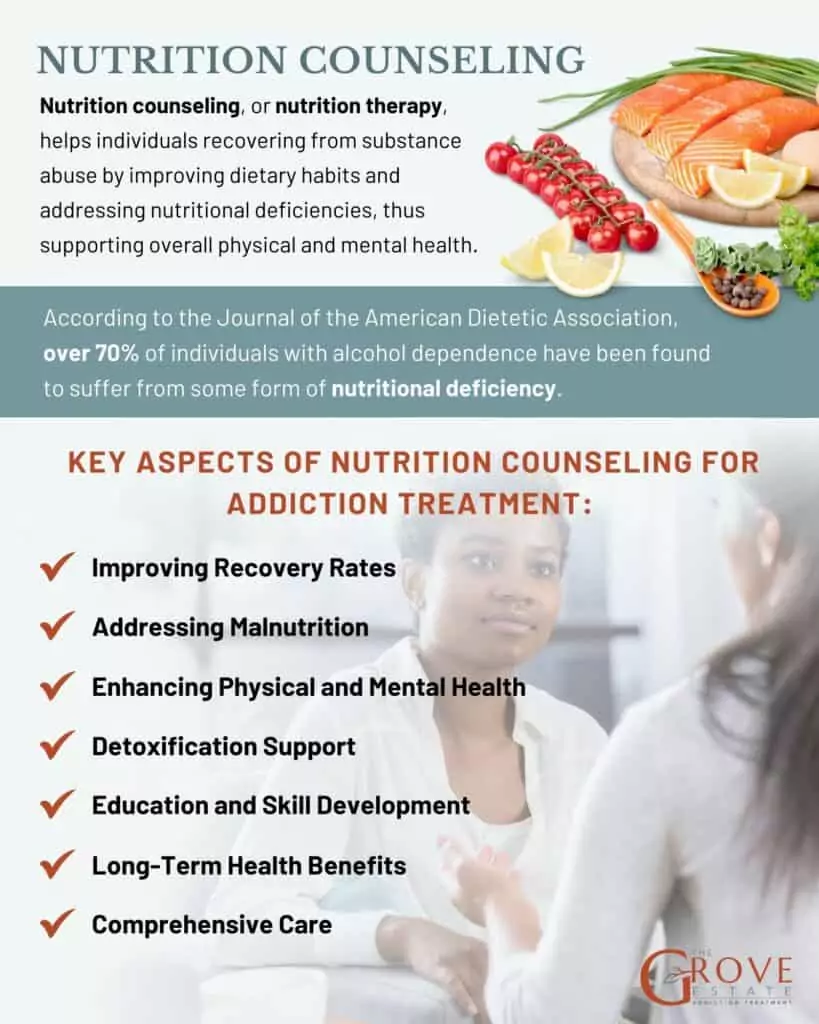
Nutritional counseling focuses on helping individuals understand their dietary needs. It offers guidance on healthy food choices and balanced eating habits. Tailored plans address specific health concerns, promoting overall wellness through improved nutrition.
Nutritional counseling is more than just a diet plan; it’s a personalized approach to understanding and improving your eating habits for better health. Imagine sitting down with a nutritional expert who is committed to helping you reach your wellness goals. Whether you’re aiming to lose weight, manage a medical condition, or simply eat healthier, nutritional counseling offers tailored advice and support. It’s about making informed food choices that fit your lifestyle and preferences, rather than adhering to a rigid regimen.What Is Nutritional Counseling?
Nutritional counseling involves working with a qualified professional to assess your dietary needs and habits. It’s an interactive process where you share your food preferences, health concerns, and lifestyle choices. The counselor helps you understand how your current eating patterns impact your health. They provide expert advice on how to make adjustments that align with your personal goals. Have you ever wondered why some diets work for others but not for you? Nutritional counseling addresses this by creating a plan that’s uniquely suited to your body and lifestyle.Why You Might Need Nutritional Counseling
Consider the times you’ve tried multiple diets without success. Nutritional counseling can provide the clarity you need. It helps identify nutritional deficiencies that might be affecting your energy levels or mood. If you’re dealing with a medical condition like diabetes or high blood pressure, nutritional counseling can guide you on food choices that manage these issues effectively. Everyone’s body responds differently to various foods. Nutritional counseling explores these differences and helps you find what works best for you. Imagine having a roadmap for your health journey. Nutritional counseling provides structured guidance, making it easier for you to follow through with dietary changes. It boosts confidence by equipping you with knowledge about nutrition that you can apply in daily life. You’ll learn practical tips on meal planning and grocery shopping. Most importantly, it empowers you to take control of your health. With personalized advice, you can make informed decisions that lead to lasting improvements in your well-being.What To Expect During A Session
During a nutritional counseling session, expect a thorough assessment of your current diet and lifestyle. You’ll discuss your health goals and challenges with the counselor. The counselor will analyze this information and offer actionable advice. You might receive meal plans, recipes, or tips tailored to your specific needs. Are you ready to make a change? Nutritional counseling sessions are dynamic and adapt to your progress. You’ll have ongoing support to keep you motivated and accountable. Engage with a nutritional counselor today and discover how personalized guidance can transform your health journey. What changes are you ready to make for a healthier you?Importance Of Nutritional Counseling
Nutritional counseling holds significant importance in today’s health-conscious world. It provides guidance on balanced diets and healthy eating habits. Many people struggle with dietary choices. A nutritional counselor helps tailor advice to individual needs. This personalized approach enhances well-being and prevents health issues.
Understanding Your Nutritional Needs
Everyone’s body is different. Nutritional counseling helps identify specific dietary needs. A counselor assesses lifestyle, health status, and dietary preferences. This ensures a customized plan for each person. Understanding what your body needs is crucial. It helps in achieving optimal health.
Prevention Of Chronic Diseases
Proper nutrition plays a key role in disease prevention. Nutritional counseling educates on food choices that reduce disease risk. Conditions like diabetes, heart disease, and obesity can be managed. A counselor provides tools for making healthier choices. This helps in maintaining long-term health.
Improving Mental Health
Diet impacts mental health significantly. Nutritional counseling addresses the link between food and mood. A balanced diet can boost energy and improve focus. Counselors suggest foods that support mental well-being. This enhances overall quality of life.
Building Healthy Habits
Nutritional counseling encourages the development of healthy habits. It empowers individuals to make informed food choices. Counselors offer strategies to overcome unhealthy eating patterns. This leads to sustainable lifestyle changes. Building healthy habits is essential for lifelong health.
Enhanced Physical Performance
Nutrition affects physical performance directly. Nutritional counseling helps optimize diet for better energy levels. Athletes benefit from tailored eating plans. It supports muscle growth and recovery. Enhanced physical performance is achievable with the right nutrition.
Key Components Of Nutritional Counseling
Nutritional counseling is essential for achieving health goals. Its key components ensure effective guidance and support. These components focus on personalized care and understanding dietary needs. They also emphasize behavior and lifestyle changes for better health. Education plays a big role in empowering individuals with knowledge. Each component works together for holistic health improvement.
Personalized Nutrition Plans
Every person has unique nutritional needs. A personalized plan addresses these individual requirements. It considers factors like age, gender, and health conditions. It also takes into account dietary preferences and restrictions. A tailored approach helps achieve specific health goals efficiently. Personalized plans are adaptable, making them suitable for ongoing lifestyle changes.
Behavioral Changes
Behavioral changes are crucial for lasting health improvements. Nutritional counseling targets habits that impact eating patterns. It encourages positive changes in food choices and meal timings. Understanding emotional triggers helps manage unhealthy cravings. Small, gradual changes make it easier to adopt healthier habits. This component supports long-term success in maintaining a balanced diet.
Education And Awareness
Education empowers individuals to make informed dietary decisions. Nutritional counseling provides vital information on nutrition basics. It explains the importance of vitamins, minerals, and nutrients. Awareness about portion sizes helps control calorie intake. Understanding food labels aids in selecting healthier options. Education fosters a proactive approach to health and wellness.
Role Of A Nutritional Counselor
Nutritional counseling involves guiding individuals towards healthier eating habits and choices. A nutritional counselor assesses dietary needs, educates on nutritional balance, and supports clients in achieving wellness goals. Their role is crucial in fostering informed decisions for better health outcomes.
The role of a nutritional counselor is pivotal in guiding individuals toward healthier lifestyles. These professionals empower you to make informed dietary choices that align with your health goals. With their expertise, they provide tailored advice and support, making your journey to better health achievable and sustainable. Doesn’t it feel reassuring to have someone who understands your unique nutritional needs?Assessment And Evaluation
A nutritional counselor begins by understanding your current health status and dietary habits. They conduct thorough assessments, which might include reviewing your medical history, daily food intake, and lifestyle factors. This evaluation helps them identify areas where you need improvement or specific dietary changes. Ever wondered how a small tweak in your diet could impact your energy levels?Goal Setting
Once the assessment is complete, it’s time to set realistic health goals. Whether it’s losing weight, managing a health condition, or simply eating better, a nutritional counselor will work with you to create a personalized plan. They ensure your goals are specific, measurable, and achievable, helping you stay motivated and focused. Think about the satisfaction of reaching a milestone you once thought was out of reach.Ongoing Support
Achieving your nutritional goals is a journey, and having ongoing support is crucial. Nutritional counselors provide continuous guidance, adjusting your plan as needed. They offer encouragement, monitor your progress, and help you navigate challenges that may arise. How would having a dedicated support system impact your commitment to healthier eating? With a nutritional counselor by your side, you’re not just following a diet—you’re embracing a lifestyle change that can transform your health and well-being.Benefits Of Nutritional Counseling
Nutritional counseling offers numerous benefits that can significantly improve one’s overall well-being. This personalized approach helps individuals understand their dietary needs and make informed choices. By working with a nutritional counselor, you can address specific health concerns and set achievable goals. The following sections explore some key advantages of engaging in nutritional counseling.
Improved Health Outcomes
Guided nutritional plans lead to better health outcomes. These plans are tailored to individual needs, focusing on specific health issues. A counselor evaluates your current diet and suggests modifications. This approach aids in managing chronic conditions. It can reduce symptoms and enhance recovery rates. Improved diet choices can also boost immune system function.
Weight Management
Weight management becomes easier with nutritional counseling. It provides strategies for healthy eating and portion control. Counselors help set realistic weight goals. They offer support and motivation, making weight loss achievable. Nutritional counseling emphasizes long-term habits over quick fixes. This leads to sustainable weight management.
Enhanced Energy Levels
Proper nutrition enhances energy levels. A balanced diet fuels your body efficiently. Nutritional counselors guide you in selecting energy-boosting foods. They help identify deficiencies that may cause fatigue. Improved energy levels enhance daily productivity. You feel more active and alert throughout the day.
Who Can Benefit From Nutritional Counseling
Nutritional counseling offers guidance on healthy eating habits. Individuals seeking to improve health, manage weight, or enhance athletic performance can benefit. It helps address dietary concerns and supports wellness goals.
Understanding who can benefit from nutritional counseling can be eye-opening. It’s not just for those looking to lose weight or eat healthier. Nutritional counseling can be a game-changer for a diverse range of individuals, enhancing their quality of life in unexpected ways.Individuals With Chronic Conditions
Living with a chronic condition like diabetes or heart disease can be overwhelming. Nutritional counseling offers tailored advice that can help you manage these conditions more effectively. Imagine having a plan that makes you feel more energetic and in control of your health. Consider someone with diabetes learning how to balance their meals to maintain stable blood sugar levels. This isn’t just about avoiding sugar; it’s about understanding how different foods affect your body. Wouldn’t it be empowering to know which foods help you feel your best?Athletes And Fitness Enthusiasts
If you’re an athlete or simply love hitting the gym, nutritional counseling can elevate your performance. You might be surprised how much your diet can impact your energy levels and recovery time. A friend of mine, an amateur runner, saw significant improvements after seeing a nutritionist. By tweaking her pre-race meals, she shaved minutes off her personal bests. What could you achieve with the right fuel?Pregnant And Nursing Women
Pregnancy and nursing come with unique nutritional needs. Nutritional counseling can provide vital support during this life-changing time. A balanced diet can benefit not just you, but also your baby’s development. My cousin, who sought guidance during her pregnancy, found that specific nutrient-rich foods helped her combat fatigue. What if the right dietary changes could make your pregnancy journey smoother? In each of these scenarios, nutritional counseling offers personalized strategies that fit your lifestyle and goals. Have you ever considered how a customized eating plan could improve your daily life?Common Misconceptions
Nutritional counseling often misunderstood as mere dieting guidance. It involves personalized advice for healthy eating habits. Many assume it’s only for weight loss, but it’s also for managing health conditions and improving overall well-being.
Nutritional counseling is a powerful tool for improving health, yet misconceptions abound. These misunderstandings can deter people from seeking the advice they need. Let’s debunk some of these common myths and clarify what nutritional counseling truly entails.Diet Vs. Lifestyle Change
Many people equate nutritional counseling with going on a diet, but this is a narrow view. Diets are often temporary, while nutritional counseling encourages lasting lifestyle changes. It’s not just about what you eat; it’s about how you live. Think about your daily routine and stress levels. Nutritional counseling takes these into account, offering personalized advice. Have you ever considered how stress impacts your food choices? Counselors help you make sustainable changes that fit your unique life. This is more effective than short-term dieting. The goal is to create habits that last a lifetime.One-size-fits-all Myth
A common myth is that nutritional advice is the same for everyone. This couldn’t be further from the truth. Nutritional counseling is highly personalized. Each person’s body is unique, with different needs and goals. A plan that works for one person might not work for another. Have you ever tried a diet that a friend swore by, only to see no results? Counselors consider factors like age, gender, activity level, and health conditions. They work with you to create a plan tailored to your specific needs. This individualized approach sets you up for success. Understanding these misconceptions can transform your approach to health. Are you ready to explore what nutritional counseling can do for you?
Credit: www.starmedicalassociates.com
Choosing The Right Nutritional Counselor
Nutritional counseling provides guidance on healthy eating habits tailored to individual needs. It helps in making informed food choices. A qualified counselor can offer personalized advice for better health outcomes.
Choosing the right nutritional counselor can make a significant difference in your health journey. Imagine having someone who not only understands your dietary needs but also supports your personal goals. This decision requires careful consideration, and there are several factors to keep in mind. Whether you’re looking to manage a medical condition, lose weight, or simply enhance your overall wellness, finding a counselor who aligns with your needs is crucial. Here’s how you can identify the ideal professional to guide you on your path to better health.Credentials And Experience
A nutritional counselor’s credentials are a testament to their expertise. Look for professionals with accredited certifications or degrees in nutrition or dietetics. Experience matters too. A counselor with years of practice will likely have encountered a variety of cases and developed effective strategies. Don’t hesitate to ask about their background. Knowing they have successfully worked with clients with similar needs can be reassuring.Specializations And Focus Areas
Every nutritional counselor has unique strengths. Some specialize in weight management, while others focus on sports nutrition or managing chronic diseases. Consider what you need. If you’re an athlete, finding someone with experience in sports nutrition can enhance your performance. Ask about their focus areas. A counselor with a deep understanding of your specific concerns can provide tailored advice that truly resonates with you. Choosing the right counselor is more than just checking boxes. It’s about finding someone who listens, understands, and is invested in your success. What qualities matter most to you?Integrating Nutritional Counseling Into Daily Life
Nutritional counseling offers personalized advice to improve diet and health. It helps individuals understand food choices better. Integrating this guidance into daily life can enhance overall well-being and create healthier habits.
Integrating nutritional counseling into daily life means making informed choices about what you eat and understanding the impact of those choices on your well-being. It’s not just about attending sessions with a nutritionist; it’s about applying what you learn in your everyday routine. By doing so, you can achieve a balanced diet that suits your needs and goals. Let’s explore how you can make this integration seamless and sustainable.Practical Tips
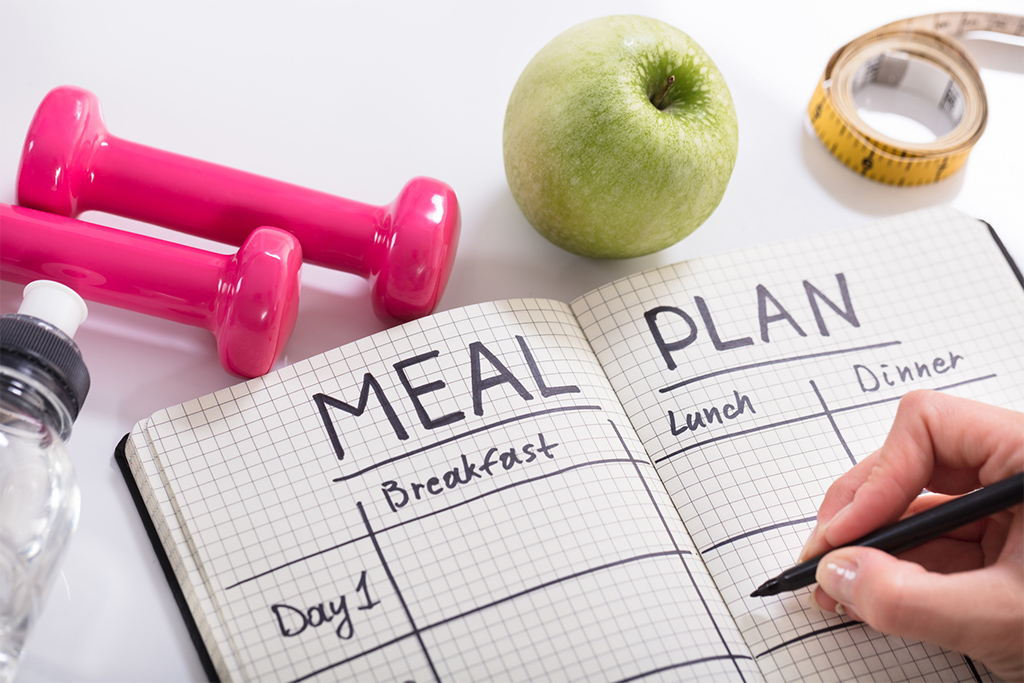
Start by keeping a food diary for a week. Write down everything you eat and drink. This will help you and your counselor identify patterns and areas for improvement. Plan your meals in advance. Use a simple schedule to outline your weekly meals, ensuring you include a variety of food groups. Experiment with new recipes. Try incorporating more fruits, vegetables, and whole grains into your meals. Involve your family in meal planning and preparation. This can make healthy eating a fun and shared activity. Listen to your body’s hunger cues. Eat when you’re hungry and stop when you’re full.Long-term Commitment
Think of nutritional counseling as a journey, not a quick fix. Change takes time, and consistency is key. Reflect on your progress regularly. Celebrate your successes and identify any challenges. Set realistic goals. Start with small changes that are achievable. Over time, these will build into significant improvements. Remember, it’s okay to have setbacks. The important thing is to get back on track and learn from your experiences. Are you ready to make a long-term commitment to your health? By embracing these strategies, you can create a healthier lifestyle that lasts.
Credit: www.ncoa.org
Credit: www.arcare.net
Frequently Asked Questions
What Is The Nutritional Counseling?
Nutritional counseling offers personalized advice to improve diet and health. It helps you understand food choices, manage weight, and address specific health concerns through tailored dietary plans. A nutritionist or dietitian provides guidance to enhance overall well-being by optimizing nutritional intake.
What Is An Example Of Nutrition Counselling?
Nutrition counseling involves personalized dietary advice. A dietitian may assess eating habits and recommend balanced meal plans. They help manage health conditions, like diabetes, through tailored nutrition guidance. Sessions focus on setting realistic goals and fostering healthy lifestyle changes. A supportive approach ensures sustainable improvements in overall well-being.
What Is The Difference Between A Nutrition Counselor And A Dietitian?
A nutrition counselor provides guidance on healthy eating habits. A dietitian is a licensed professional offering personalized nutrition plans and medical nutrition therapy.
What Is The Goal Of Nutrition Counseling?
Nutrition counseling aims to improve health by guiding dietary choices. It helps individuals meet nutritional goals, manage conditions, and enhance well-being. Personalized plans address specific needs, promoting balanced eating habits. This support empowers individuals to make informed decisions for a healthier lifestyle.
Conclusion
Nutritional counseling offers personalized guidance for healthier eating habits. It helps individuals understand their dietary needs. With expert advice, people can make better food choices. This leads to improved health and well-being. A balanced diet supports mental and physical health.
Nutritional counseling can be a valuable resource. It empowers people to take control of their nutrition. Small changes in diet can have big impacts. Everyone deserves access to expert nutritional advice. Healthy eating is a journey, not a destination. Start your journey today with informed choices.
Embrace the benefits of tailored nutritional guidance.