Are you looking to make quick gains at the gym without spending endless hours lifting weights? If so, you’re not alone.
Many of us want to see results fast, and the good news is that some muscles are easier to build than others. Imagine seeing progress that not only boosts your confidence but also fuels your motivation to keep going. By focusing on the right muscle, you can maximize your efforts and transform your workout routine into a powerful, result-driven experience.
We’ll reveal which muscle is the easiest to build, and why targeting it can be your secret weapon to achieving the physique you’ve always wanted. Curious to know more? Keep reading to discover the muscle that could change your fitness game forever.
Factors Influencing Muscle Growth
Understanding the factors influencing muscle growth is essential for anyone embarking on a fitness journey. It’s not just about lifting weights; it’s about knowing how your body responds to various stimuli. Some muscles might seem easier to build due to these influencing factors. Let’s dive into how genetics, nutrition, and consistent training play their roles in muscle development.
Genetics And Muscle Fiber Type
Genetics can be a game-changer in muscle growth. You might have noticed some people gain muscle faster than others. This is often due to their genetic makeup. Some individuals have a higher percentage of fast-twitch muscle fibers, which are more responsive to strength training. If you’re blessed with these fibers, you might find muscles like the biceps easier to build.
Think about your family history. Does athleticism run in your genes? If so, you might have a natural advantage. But remember, genetics aren’t everything. They provide a foundation, but your efforts shape the results.
Role Of Nutrition And Diet
What you eat can either fuel your muscle growth or hinder it. Consuming adequate protein is crucial for muscle repair and growth. Consider adding lean meats, dairy, or plant-based proteins to your meals. Carbohydrates are also important for energy during workouts.
Think of your diet as a tool. Are you using it effectively? Balancing macros and staying hydrated can significantly impact your muscle-building journey. Your diet should be tailored to your goals, not just follow trends.
Importance Of Consistent Training
Consistency is key in muscle growth. You can’t expect results from sporadic workouts. Establish a routine that challenges your muscles regularly. This doesn’t mean you have to spend hours in the gym; even 30 minutes a day can make a difference.
Are you committed to your training schedule? Consistent effort leads to progress over time. Consider tracking your workouts to see how far you’ve come. It’s about building a habit that becomes second nature.
In your experience, which muscle has been easier for you to build? Reflect on these factors and adjust your approach to maximize your potential. Remember, muscle growth is a personal journey that requires patience and dedication.

Credit: zozofit.com
Identifying Easy-to-build Muscles
Building muscles can be a rewarding journey. Some muscles grow faster than others. Knowing which muscles are easier to build can save time. It helps in setting realistic goals. This section uncovers the mysteries of muscle growth. Dive in to learn more.
Understanding Muscle Groups
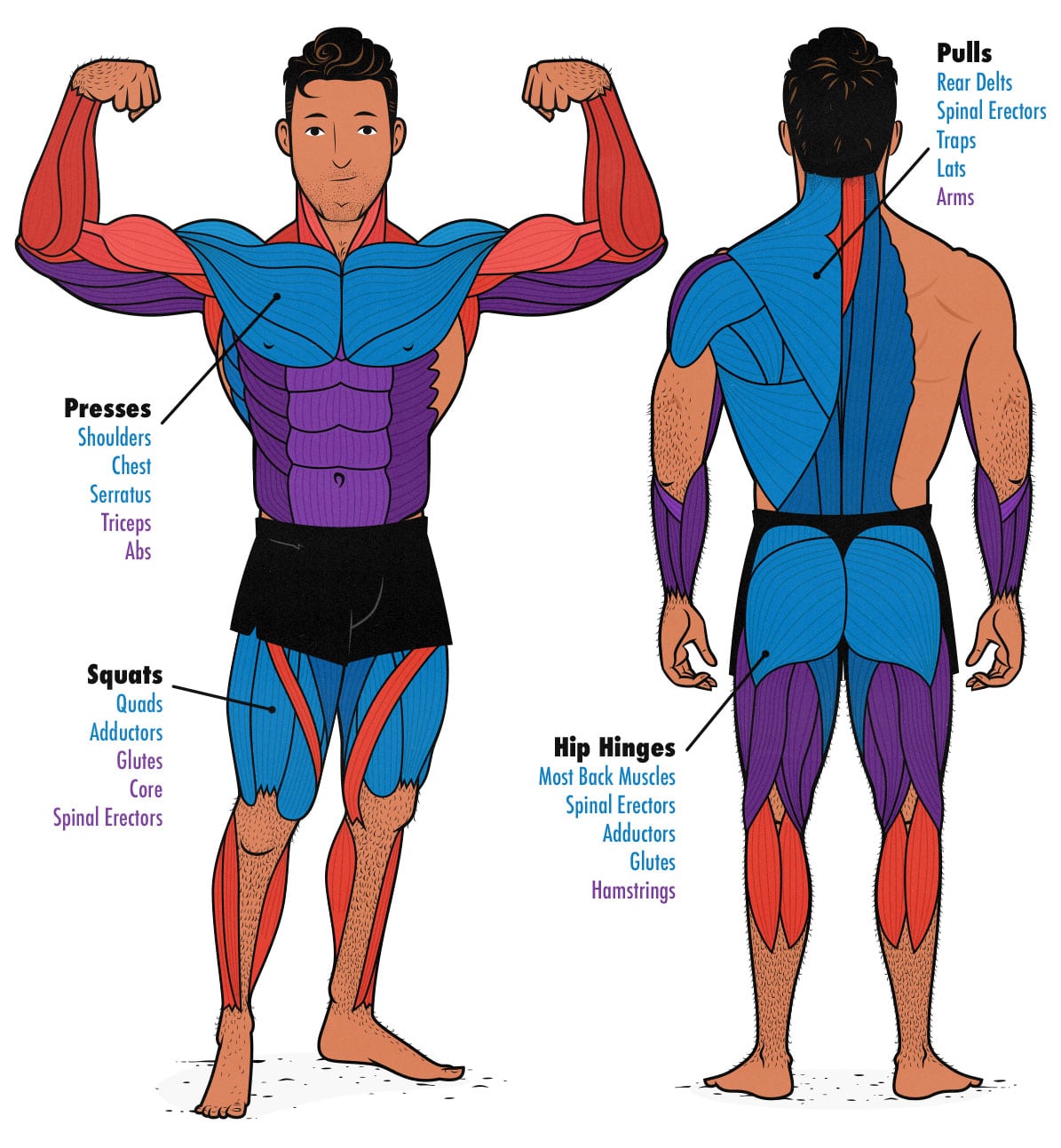
Muscles are categorized into groups. These groups perform different functions. Major muscle groups include the chest, back, arms, legs, and core. Each group consists of several muscles. For instance, the arm includes biceps and triceps. Some groups respond better to training. They grow with less effort and time.
Fast-twitch Vs. Slow-twitch Muscles
Muscles contain fast-twitch and slow-twitch fibers. Fast-twitch fibers are quick and powerful. They are used in sprinting and lifting weights. These fibers grow faster than slow-twitch ones. Slow-twitch fibers are used in endurance activities. They contract slowly and are resistant to fatigue.
Fast-twitch muscles are easier to build. Exercises like weight lifting target these fibers. They respond well to strength training. This makes them ideal for quick muscle growth. Understanding these types helps in crafting effective workouts.
Top Muscles For Quick Gains
Building muscle can seem daunting, but some muscles grow faster. These muscles respond well to consistent workouts and proper nutrition. For those seeking quick gains, focusing on certain muscle groups can yield noticeable results. Here, we explore muscles that are known for their rapid development.
Trapezius
The trapezius muscles are located in the upper back and neck. They are essential for shoulder movement and stability. Simple exercises like shrugs can effectively target these muscles. Regular training can lead to noticeable growth, enhancing your overall physique.
Quadriceps
Quadriceps are the large muscles at the front of your thighs. They play a crucial role in leg movement and strength. Squats and lunges are effective for building quads. These exercises stimulate muscle fibers, promoting quick growth and strength.
Calves
Calves are often overlooked but can grow with focused effort. They support walking, running, and jumping activities. Exercises like calf raises target this muscle group. Consistent training can lead to visible improvements in calf size.
Forearms
Forearms are important for grip strength and arm definition. They are involved in many daily activities. Wrist curls and reverse curls can enhance forearm size. Regular workouts can lead to noticeable gains, improving your arm aesthetics.
Effective Exercises For Rapid Growth
Understanding which muscles grow quickly can save time at the gym. The easiest muscle to build is often debated. Many agree that larger muscles, like the quadriceps, respond well to exercise. To target these effectively, choose the right exercises. This section explores exercises that promote rapid muscle growth.
Compound Vs. Isolation Movements
Compound movements engage multiple muscle groups at once. They build strength and size efficiently. Examples include squats, deadlifts, and bench presses. These exercises maximize your workout efforts. They stimulate muscle growth across the body.
Isolation movements focus on one specific muscle. They refine and define muscles, adding detail. Bicep curls and tricep extensions are isolation exercises. They enhance specific muscles when combined with compound exercises.
Best Practices For Each Target Muscle
For quadriceps, squats are highly effective. Use proper form for maximum benefit. Lunges also target quads well. Mix these exercises for balanced growth.
To develop chest muscles, try bench presses. Adjust angles to target different parts. Push-ups are a versatile option too. They engage the chest, shoulders, and triceps.
Building back muscles? Deadlifts and pull-ups are key. These exercises strengthen the entire back. Include rows for added definition.
For arms, combine compound and isolation movements. Bicep curls isolate and build arm muscles. Tricep dips strengthen the back of the arms. Use a mix for the best results.
Common Mistakes To Avoid
Building muscle can be challenging, especially for beginners. Many people mistakenly ignore consistent workouts and proper nutrition. Understanding the basics helps avoid setbacks in muscle growth.
Building muscle can be rewarding. But common mistakes can hinder progress. Avoid these errors to see results faster.Overtraining
Many think more exercise leads to faster growth. Overtraining exhausts muscles, causing fatigue. This can lead to injury. Muscles need time to repair and grow. Balance workout intensity and frequency. Listen to your body. If sore, rest. Overtraining stalls progress instead of speeding it up.Neglecting Rest And Recovery
Rest is crucial for muscle growth. Muscles rebuild during sleep. Skipping rest days delays recovery. Overworked muscles lose strength. Prioritize sleep and relaxation. Include rest days in your routine. Proper recovery boosts performance. A rested body performs better.Ignoring Proper Form
Proper form is essential for effective workouts. Incorrect form reduces exercise benefits. It increases injury risk. Focus on technique rather than weight. Start with lighter weights. Slowly increase as form improves. A correct form maximizes muscle engagement. It ensures safe and effective workouts. Avoid these common mistakes. Improve your muscle-building journey. Take care of your body for better results.Monitoring Progress
Building muscle can be challenging. Many find that the biceps are the easiest muscle to build. These muscles respond well to basic exercises like curls and can show noticeable growth with consistent effort.
Monitoring your progress is crucial when working to build muscle efficiently. Seeing tangible results not only motivates you but also helps refine your workout strategy. By keeping track of your progress, you can identify what’s working and what needs adjusting to achieve your goals faster. Let’s explore how you can effectively monitor your progress in muscle building.Tracking Strength Increases
One of the most straightforward ways to monitor muscle growth is by tracking your strength increases. This involves noting down the weights you lift and observing the increments over time. If you’re lifting more weight or doing more reps with the same weight, your muscles are getting stronger. Use a simple notebook or an app to log your workouts. Record the date, the exercise, the weight used, and the number of sets and reps. This provides a clear picture of your progress and highlights any plateaus. Are you consistently increasing your weights? If not, it might be time to tweak your training program or diet. Personal experience has shown that even small increments, like adding 2.5 pounds to a lift, add up over time. This gradual progress not only builds muscle but also keeps you motivated. Have you been paying attention to these small wins?Measuring Muscle Size
Another effective way to track your progress is by measuring muscle size. This helps confirm if your increased strength is translating into visible gains. Use a tape measure to record the circumference of key muscles, like your biceps, chest, and thighs. Take measurements at regular intervals, such as every four weeks. Consistency is key to getting accurate data. Ensure you’re measuring at the same spot each time and when your muscles are relaxed. Photographs can also be a valuable tool. Take front, side, and back photos under the same conditions to visually compare your progress. Have you noticed changes that the scale doesn’t show? Tracking both strength and size provides a comprehensive overview of your progress. It can be a powerful motivator and guide as you work toward building the easiest muscles. What insights have you gained from your tracking efforts?Supplementation And Recovery
Building muscle requires dedication, nutrition, and recovery. Supplementation and recovery play vital roles. They ensure muscles grow strong and efficiently. This section explores protein supplements and the importance of rest. These elements boost muscle-building efforts.
Role Of Protein Supplements
Protein supplements provide essential nutrients for muscle growth. They help repair muscle fibers after workouts. Many athletes use protein shakes post-exercise. This speeds up recovery and muscle synthesis. Choose quality protein sources for optimal results. Whey and plant-based proteins are popular options.
Importance Of Sleep And Rest Days
Sleep is crucial for muscle recovery. During sleep, the body repairs and builds muscle tissue. Aim for 7-9 hours of quality sleep each night. Rest days also support muscle growth. They give muscles time to recover and prevent overtraining. Balance workouts with adequate rest for the best results.
Credit: www.quora.com
Credit: bonytobeastly.com
Frequently Asked Questions
What Is The Quickest Muscle To Grow?
The quickest muscle to grow is the latissimus dorsi. It responds well to resistance training, especially pull-ups and rows. These exercises target the back muscles efficiently, promoting faster growth. Ensure proper form and progressive overload for optimal results. Consistency and a balanced diet support muscle development effectively.
What Muscle Is Hardest To Build?
The calves are often considered the hardest muscle to build. Genetics heavily influence their growth. Consistent training and varied exercises can help. Many people struggle to see significant gains in calf muscle size despite their efforts. Focusing on proper form and intensity is essential for progress.
What Is The Easiest Body Type To Gain Muscle?
The mesomorph body type gains muscle most easily. They have a naturally athletic build. Their metabolism supports muscle growth efficiently. Mesomorphs respond well to strength training. They experience faster muscle development compared to other body types. Proper diet and exercise enhance their muscle-building potential.
Which Muscle Is Very Easy To Build?
The calf muscles are often considered easy to build due to their frequent use in daily activities. Regular exercises like calf raises and walking boost muscle growth efficiently. Consistency and proper technique enhance results, making calves one of the most responsive muscle groups to training efforts.
Conclusion
Building muscle doesn’t need to be complex. Focus on muscles that respond quickly. This can boost confidence and create motivation. Consistency remains key in any fitness journey. Regular workouts bring noticeable results. Patience helps when progress seems slow. Celebrate small wins along the way.
Listen to your body and avoid overtraining. Proper nutrition supports muscle growth. Hydrate well and rest adequately. With these habits, you can build muscles efficiently. Keep the routine simple and enjoyable. Enjoy the process and embrace the journey. Soon, you’ll see the changes in your muscles.