Do you ever wonder what’s packed inside those little black-eyed peas you see in the grocery store? These humble legumes might not look like much, but they are nutritional powerhouses waiting to supercharge your meals.
Imagine adding an ingredient to your diet that not only tastes great but is also loaded with benefits for your body. Black-eyed peas are just that ingredient. They promise a rich source of vitamins, minerals, and fiber, all essential for maintaining good health.
Whether you’re aiming to boost your energy levels, manage your weight, or simply eat healthier, understanding the nutritional value of black-eyed peas can be your secret weapon. Stick around to discover why these peas deserve a place on your plate and how they can make a real difference in your diet.
Credit: www.melissas.com
Nutritional Composition
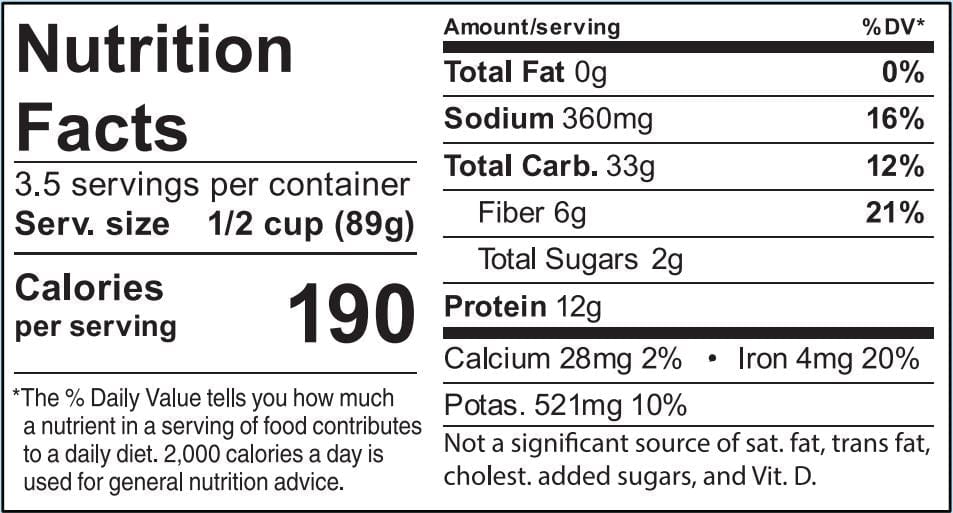
Black-eyed peas are more than just a staple in Southern cuisine; they pack a robust nutritional punch that can benefit your diet. Understanding their nutritional composition can help you make informed choices about including them in your meals. Let’s dive into the nutrients that make black-eyed peas a powerhouse ingredient.
Macronutrients
Black-eyed peas are a fantastic source of macronutrients. They are particularly high in protein, which is crucial for muscle repair and growth. A single cup offers nearly 8 grams of protein, making it a great option for vegetarians or anyone looking to boost their protein intake without relying solely on meat.
These legumes also contain carbohydrates, providing you with a steady energy source. Unlike refined carbs, the ones in black-eyed peas are complex, which means they digest slowly and help keep your blood sugar stable. This can be particularly beneficial if you’re managing diabetes or trying to maintain a steady energy level throughout the day.
Don’t forget about the fiber content. Black-eyed peas are rich in dietary fiber, essential for digestive health. Consuming foods high in fiber can help you feel full longer, aiding in weight management and supporting a healthy gut.
Micronutrients
Micronutrients are where black-eyed peas truly shine. They’re loaded with vitamins and minerals that can boost your health. Take folate, for instance—important for cell division and particularly crucial during pregnancy. A serving of black-eyed peas can provide nearly 60% of your daily folate needs.
Iron is another mineral found in abundance in black-eyed peas. Iron supports healthy blood and energy levels. If you’ve ever felt sluggish, iron might be the missing link. Adding black-eyed peas to your diet could help alleviate fatigue.
These peas also contain calcium, aiding in bone health. While they won’t replace dairy, they can be a helpful addition to a calcium-rich diet. Alongside potassium, which supports heart and muscle function, black-eyed peas contribute to a balanced nutrient intake.
So, next time you’re planning your meals, consider what black-eyed peas can bring to your table. How might these nutrients change the way you approach your health goals? With their unique blend of macronutrients and micronutrients, they could be the versatile addition your diet needs.
Health Benefits
Black-eyed peas, those small yet mighty legumes, aren’t just a staple in Southern cuisine; they are a powerhouse of nutrition with numerous health benefits. Adding them to your diet can be a game-changer for your health. Curious about how they can benefit you?
Heart Health
Black-eyed peas are rich in potassium and fiber, both of which are essential for maintaining heart health. Potassium helps regulate blood pressure, reducing the strain on your heart. Have you ever noticed how your heart feels after a brisk walk? That’s the kind of vitality black-eyed peas can support.
Moreover, the fiber content helps lower cholesterol levels. Imagine enjoying a delicious meal while also taking care of your heart. Including black-eyed peas in your meals can be a delicious step towards better heart health.
Digestive Benefits
Fiber is the secret ingredient that keeps your digestive system happy. Black-eyed peas are packed with it, aiding in smooth digestion and preventing constipation. Have you ever felt bloated or uncomfortable after a heavy meal? A diet rich in fiber can help avoid that.
By supporting regular bowel movements, black-eyed peas can help you feel lighter and more energetic. Next time you prepare a meal, consider adding black-eyed peas for that extra digestive support.
Blood Sugar Regulation
Maintaining stable blood sugar levels is crucial for your overall well-being. Black-eyed peas have a low glycemic index, meaning they release sugar slowly into the bloodstream. This slow release helps prevent spikes in blood sugar levels.
If you’ve ever felt a sudden energy crash after eating something sweet, you know how disruptive it can be. By choosing foods like black-eyed peas, you can help maintain steady energy levels throughout the day. Is there a better reason to enjoy a bowl of these nutritious legumes?
Incorporating black-eyed peas into your diet isn’t just about taste—it’s about enhancing your health in simple, effective ways. What could be a better motivation to make them a regular part of your meals?
Protein Source
Black-eyed peas are more than just a tasty addition to dishes. They are a rich source of protein, essential for muscle growth and repair. For those seeking plant-based protein, black-eyed peas offer a nutritious option. Incorporating them into meals can enhance protein intake without relying on meat. Their protein content makes them a favorite among vegetarians and vegans.
Amino Acid Profile
Black-eyed peas contain a variety of amino acids. These building blocks are crucial for body functions. They provide lysine, which aids in calcium absorption. This helps support bone health. They also contain methionine, important for metabolism and detoxification. The combination of amino acids in black-eyed peas enhances their protein quality. Consuming them provides a balanced amino acid profile.
Plant-based Diets
Plant-based diets are gaining popularity. Black-eyed peas fit perfectly into these diets. They offer protein without the cholesterol found in animal products. Adding them to meals can diversify protein sources. They are versatile and can be used in soups, salads, and stews. Their high protein content supports muscle health. They are an excellent choice for meat-free meals.
Credit: www.quora.com
Vitamins And Minerals
Black-eyed peas are rich in essential vitamins and minerals. These nutrients support body functions and promote health. Including them in your diet can enhance well-being. Let’s explore the key vitamins and minerals found in black-eyed peas.
Iron And Calcium
Black-eyed peas are a good source of iron. Iron helps transport oxygen in the blood. This mineral boosts energy and reduces fatigue. For non-meat eaters, black-eyed peas are a great iron source.
Calcium is another important mineral present. It strengthens bones and teeth. Calcium also plays a role in nerve function. Adding black-eyed peas can support bone health.
Vitamins A And K
Black-eyed peas provide Vitamin A. This vitamin is crucial for eye health. It maintains healthy vision and skin. Eating foods rich in Vitamin A is beneficial.
Vitamin K is also abundant. It helps with blood clotting. This vitamin ensures wounds heal properly. Including Vitamin K in your diet is essential.
Dietary Fiber
Black-eyed peas are a nutritional powerhouse. They are rich in dietary fiber, which is essential for a healthy diet. Dietary fiber offers numerous health benefits. It supports digestion, helps maintain a healthy weight, and keeps your heart healthy. Understanding the fiber content of black-eyed peas can help you make better dietary choices.
Fiber Content
Black-eyed peas are packed with dietary fiber. A single serving provides a significant amount of your daily fiber needs. Fiber is crucial for digestive health. It helps prevent constipation by promoting regular bowel movements. Eating black-eyed peas can enhance your fiber intake easily.
Gut Health
Dietary fiber plays a vital role in gut health. It acts as a prebiotic, feeding the good bacteria in your gut. This promotes a balanced gut microbiome. A healthy gut reduces inflammation and supports the immune system. Including black-eyed peas in your meals can improve your overall gut health.

Credit: healthyheartmarket.com
Antioxidant Properties
Black-eyed peas boast impressive antioxidant properties. They help combat free radicals, reducing cell damage. These legumes support overall health and wellness.
Black-eyed peas are more than just a tasty dish. They are rich in antioxidants. Antioxidants help protect the body from harmful substances. These harmful substances are called free radicals. Consuming foods with antioxidants supports overall health. Black-eyed peas are a natural choice for this.Flavonoids
Flavonoids are a type of antioxidant found in black-eyed peas. They help fight cell damage. They also support heart health. Flavonoids are known to improve blood flow. This can reduce the risk of heart disease. Including black-eyed peas in your diet can be beneficial.Anti-inflammatory Benefits
Antioxidants in black-eyed peas offer anti-inflammatory benefits. Inflammation is the body’s response to injury. Long-term inflammation can lead to health problems. These include arthritis and heart disease. Eating foods rich in antioxidants can help reduce inflammation. Black-eyed peas can be a part of an anti-inflammatory diet. This makes them a healthy choice for many.Culinary Uses
Black-eyed peas are not just nutritious but also versatile in the kitchen. They feature in a variety of dishes around the world. Their unique flavor and texture make them a favorite ingredient for many.
Traditional Dishes
Black-eyed peas are a staple in Southern cuisine. Hoppin’ John is a popular dish made with these peas. It combines rice, black-eyed peas, and pork. In West Africa, they are used in a dish called Akara. This is a fried bean cake enjoyed for breakfast. In India, black-eyed peas appear in curries and stews.
Cooking Tips
Soak black-eyed peas before cooking for faster preparation. This reduces cooking time and improves texture. Rinse the peas thoroughly to remove any dirt. Cook them with herbs and spices for added flavor. Try using bay leaves or thyme in the pot. Salt at the end of cooking to avoid toughening. Serve with a side of greens or cornbread for a balanced meal. Experiment with different recipes to find your favorite way to enjoy them.
Buying And Storage
Black eyed peas are a nutritious legume that offers various health benefits. Buying and storing them correctly ensures their quality and longevity. Understanding the right methods helps maintain their flavor and nutrient content.
Selecting Quality
Choose black eyed peas that are firm and uniform in color. Avoid peas with cracks or discoloration. Freshness is key, so check the packaging date. Opt for organic options for fewer pesticides.
Proper Storage Techniques
Store dried black eyed peas in airtight containers. Keep them in a cool, dry place. Moisture can spoil them. For cooked peas, refrigerate them in sealed containers. Use within a few days for best quality.
Frequently Asked Questions
Are Black-eyed Peas Protein Or Carbs?
Black-eyed peas are a good source of both protein and carbohydrates. They contain about 13 grams of protein and 30 grams of carbs per cooked cup. These legumes also provide fiber, making them a nutritious addition to various diets. They offer balanced nutrition with beneficial nutrients.
What Is The Nutritional Value Of 1 Cup Of Cooked Black-eyed Peas?
One cup of cooked black-eyed peas provides about 160 calories. It contains 11 grams of protein and 1 gram of fat. This serving offers 35 grams of carbohydrates and 8 grams of dietary fiber. Black-eyed peas are rich in folate, iron, and potassium, essential for a balanced diet.
Do Black-eyed Peas Help With Inflammation?
Black-eyed peas contain antioxidants and anti-inflammatory properties. They can help reduce inflammation in the body. Including them in your diet may support joint health and overall well-being. Enjoy them in salads, stews, or soups for added benefits.
What Is Special About Black-eyed Peas?
Black-eyed peas are rich in protein, fiber, and essential nutrients. They symbolize luck and prosperity in Southern U. S. traditions, especially during New Year’s celebrations. Their earthy flavor complements various dishes, making them a versatile ingredient. These legumes are also known for their ability to improve soil health through nitrogen fixation.
Conclusion
Black eyed peas offer impressive nutritional benefits. These legumes are rich in fiber, aiding digestion. They provide protein, crucial for muscle health. Their vitamins support your immune system. Minerals like iron boost energy levels. They are versatile in cooking. You can add them to soups, salads, or stews.
Their low calorie content helps maintain a healthy weight. These peas are a delicious, healthy choice for any diet. Incorporate them for better nutrition. Feel the positive impact on your well-being. Enjoy their taste and health benefits today. Start including black eyed peas in your meals.