Have you ever wondered what’s really inside that loaf of bread you reach for every day? Bread is a staple in many diets, but what nutritional benefits does it truly offer you?
Whether you enjoy a slice of toast in the morning or a hearty sandwich for lunch, understanding the nutritional value of bread can help you make healthier choices. You’ll discover what makes bread a dietary cornerstone, and learn about the nutrients that could be hiding in every bite.
By the end, you’ll be equipped with the knowledge to choose the best bread for your health goals. Dive in, and unlock the secrets behind one of your favorite foods!
Bread Types And Ingredients
Bread comes in various types, each offering different nutritional values. Whole grain bread is rich in fiber, while white bread often contains fewer nutrients. Ingredients like seeds, nuts, and grains can enhance the nutritional profile, providing essential vitamins and minerals.
Bread is a staple in many diets across the world. Its nutritional value varies based on its type and ingredients. Different kinds of bread can offer unique benefits. Understanding these can help you make healthier choices. Let’s dive into the specifics.Whole Wheat Vs. White Bread
Whole wheat bread is made from whole grain flour. It retains all parts of the grain. This includes the bran, germ, and endosperm. This bread is rich in fiber and nutrients. It supports digestion and heart health. White bread uses refined flour. It has fewer nutrients and less fiber. The refining process removes the bran and germ. This makes white bread softer but less nutritious.Multigrain And Seeded Varieties
Multigrain bread contains more than one grain type. These grains can include oats, barley, and millet. It often has seeds like flax or sunflower. These varieties offer more fiber and vitamins. They can support heart health and improve digestion. Multigrain and seeded breads have a nutty taste. They provide a satisfying texture and added nutrients.Gluten-free Options
Gluten-free bread is suitable for those with gluten intolerance. It is made from alternative flours like rice or almond. It does not contain wheat, barley, or rye. Gluten-free options can vary in texture and taste. Some may be less chewy or dense. They provide essential nutrients without gluten. These breads cater to specific dietary needs.Nutritional Components
Bread is a staple in many diets around the world. It is cherished for its versatility and taste. But what about its nutritional components? Bread contains several key nutrients. These nutrients contribute to our daily intake and overall health. Let’s explore these components in detail.
Carbohydrates And Energy
Bread is rich in carbohydrates. Carbohydrates are the body’s main energy source. They provide fuel for daily activities. Whole grain bread offers more complex carbs. These take longer to digest, giving sustained energy. Simple carbs in white bread digest faster, providing quick energy boosts.
Protein Content
Bread contains a moderate amount of protein. This helps in building and repairing tissues. Whole grain varieties often have higher protein levels. Protein in bread supports muscle health. It also aids in enzyme and hormone production. For vegetarians, bread is a valuable protein source.
Fiber Benefits
Whole grain bread is a good fiber source. Fiber supports digestive health. It helps in maintaining a healthy weight. Fiber also keeps you feeling full longer. It plays a role in controlling blood sugar levels. Eating fiber-rich bread supports heart health too.
Vitamins And Minerals
Bread is a staple in many diets worldwide. It offers essential vitamins and minerals. These nutrients support various bodily functions and overall health.
B Vitamins
Bread is rich in B vitamins like thiamine, riboflavin, and niacin. Thiamine helps convert food into energy. Riboflavin supports cell growth and red blood cell production. Niacin aids in digestion and skin health. These vitamins also play a role in maintaining a healthy nervous system.
Iron And Calcium
Iron is vital for producing hemoglobin, which carries oxygen in the blood. Bread provides a decent amount of iron. Calcium in bread helps maintain strong bones and teeth. It’s crucial for muscle function and nerve signaling.
Other Trace Minerals
Bread contains trace minerals like magnesium and zinc. Magnesium supports muscle and nerve function. Zinc boosts the immune system and helps heal wounds. These minerals are present in small but significant amounts. They contribute to overall health and wellness.

Credit: bakersfieldflour.com
Impact Of Processing
Bread is a staple in many diets worldwide. Its nutritional value can vary greatly. This variation often depends on the processing methods used. Processing impacts the nutrients bread can provide. Understanding these effects is crucial for making informed dietary choices.
Refined Vs. Whole Grains
Refined grains have the bran and germ removed. This process gives bread a finer texture. Yet, it also strips away important nutrients. Whole grains keep the bran and germ intact. This results in a more nutritious bread. Whole grain bread offers more fiber, vitamins, and minerals. Choosing whole grains can support better health outcomes.
Effects Of Fortification
Fortification adds nutrients back to processed bread. This aims to replace those lost during refining. Commonly added nutrients include iron and B vitamins. Fortified bread can help meet daily nutrient needs. It can be a beneficial choice for those with dietary restrictions. Understanding fortification helps consumers make healthier choices.
Health Considerations
Bread is a staple food in many diets. Understanding its nutritional value is vital. Health considerations play a significant role in choosing the right type of bread. Different types offer varying health benefits and potential drawbacks. Knowing these can help make informed decisions about bread consumption.
Glycemic Index
The glycemic index measures how quickly foods raise blood sugar levels. Bread can have a high glycemic index. White bread typically has a higher index than whole-grain bread. High glycemic foods may lead to energy spikes and crashes. Choosing bread with a lower glycemic index can help maintain steady energy.
Allergens And Sensitivities
Many people have allergies or sensitivities to ingredients in bread. Wheat and gluten are common allergens. Some breads contain nuts or dairy, which can trigger reactions. Gluten-free bread options are available for those with sensitivities. Always check labels for potential allergens.
Impact On Digestive Health
Bread can affect digestive health in various ways. Whole-grain bread is rich in fiber, aiding digestion. Fiber helps maintain regular bowel movements. It may also prevent constipation. White bread contains less fiber and might not be as beneficial. Choosing bread with more fiber can support digestive health.

Credit: www.goldmedalbakery.com
Bread In A Balanced Diet
Bread often plays a key role in a balanced diet. It provides essential carbohydrates which give energy. Whole grain bread offers fiber, aiding digestion. The nutrients in bread vary by type. Some have added vitamins and minerals. Bread can fit into many healthy eating plans. Understanding its place in a diet helps maintain health.
Portion Control
Portion control is crucial with bread. Eating too much can lead to excess calories. A slice or two can be enough. Serving size depends on dietary needs. Reading labels helps determine the right portion. Smaller portions can help manage weight. Moderation ensures bread is part of a balanced diet.
Pairing With Other Foods
Bread pairs well with many foods. It complements proteins like eggs and chicken. Adding vegetables boosts the meal’s nutrients. Whole grain bread enhances fiber intake. Healthy fats like avocado can be a good addition. Combining bread with diverse foods creates balanced meals. This variety supports overall nutrition.
Role In Different Diet Plans
Bread can fit into various diet plans. In a low-carb diet, portions may be smaller. Whole grain options suit high-fiber diets. Mediterranean diets include bread with healthy oils. Gluten-free diets need specific bread types. Choosing the right bread supports dietary goals. It helps meet nutritional needs effectively.
Choosing The Right Bread
Choosing the right bread can enhance your diet significantly. Bread comes in many varieties, each with different nutritional benefits. Some breads are rich in fiber, while others offer a good source of vitamins and minerals. Understanding these differences helps you make healthier choices. Below, we explore key aspects to consider when selecting the best bread for your needs.
Reading Nutrition Labels
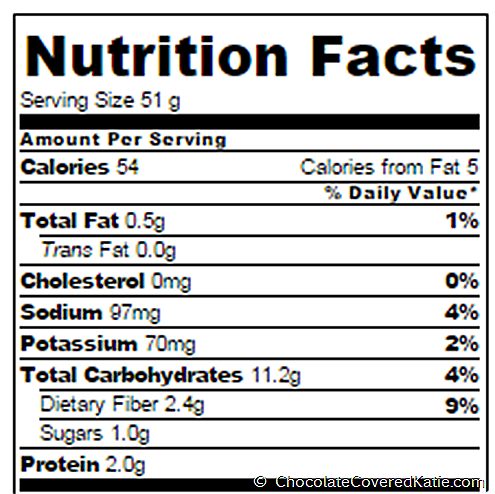
Nutritional labels provide vital information about bread. Check for calories, carbohydrates, and fiber content. Look for breads with at least 2 grams of fiber per slice. Aim for options with lower sugar and sodium levels. Ingredients are listed by weight, so the first few ingredients matter most. Whole grains should be among them.
Identifying Whole Grain Products
Whole grain breads are often healthier choices. They contain all parts of the grain, offering more nutrients. Look for labels saying “100% whole grain” or “whole wheat.” Avoid “multigrain” labels if whole grains aren’t listed first. Whole grain products are usually higher in fiber and help with digestion.
Organic And Non-gmo Options
Organic breads are made without synthetic pesticides or fertilizers. They often contain fewer additives. Non-GMO breads do not use genetically modified ingredients. These options can be healthier for some people. Labels will clearly indicate if bread is organic or non-GMO certified. Choosing these can support sustainable farming practices.
Credit: chocolatecoveredkatie.com
Frequently Asked Questions
What Are The Health Benefits Of Bread?
Bread provides essential carbohydrates for energy. It contains fiber, aiding digestion and promoting gut health. Whole grain bread offers vitamins and minerals like iron and magnesium. Some breads are fortified with additional nutrients, supporting overall well-being. Choose whole grain varieties for maximum health benefits.
Is Bread Really Healthy For You?
Bread can be healthy, depending on type and ingredients. Whole grain options offer fiber and nutrients. Moderation is key.
What Is The Healthiest Bread You Can Eat?
Whole grain bread is the healthiest option. It contains more fiber, vitamins, and minerals than white bread. Choose varieties with minimal added sugars and preservatives for optimal benefits. Rye and sprouted grain breads are also nutritious choices, providing essential nutrients and aiding digestion.
Always check labels for whole grain ingredients.
Is Bread Protein Or Carbohydrate?
Bread is primarily a carbohydrate source. It contains protein but in smaller amounts. Whole grain bread offers more protein and fiber, enhancing nutritional value. Opting for whole grain varieties can provide better health benefits than white bread. For a protein-rich diet, consider other food sources alongside bread.
Conclusion
Bread is more than just a staple. It’s a source of energy. Rich in carbohydrates, it fuels the body. Some breads offer fiber, supporting digestion. Whole grain options provide essential nutrients. Vitamins and minerals enhance health. Moderation is key for balanced nutrition.
Consider the type of bread you choose. Each variety has unique benefits. Reading labels helps understand nutritional content. Homemade bread often has fewer additives. Enjoy bread as part of a varied diet. Pair it with proteins for a balanced meal.
Bread can fit into a healthy lifestyle. Choose wisely for better health and well-being.