Have you ever wondered about the nutritional punch that cranberries pack? These little red berries are not only a festive favorite, but they also come with a host of health benefits that might surprise you.
Imagine boosting your immune system, improving your digestion, and enhancing your overall well-being just by adding a handful of cranberries to your diet. Intrigued? You’re about to uncover the secrets of this powerhouse fruit and discover why cranberries deserve a prime spot in your kitchen.
Dive into the details and see how these berries can transform your health in ways you never imagined. Keep reading, because the information you’re about to learn could be the key to unlocking a healthier, happier you.
Cranberry Nutrient Profile
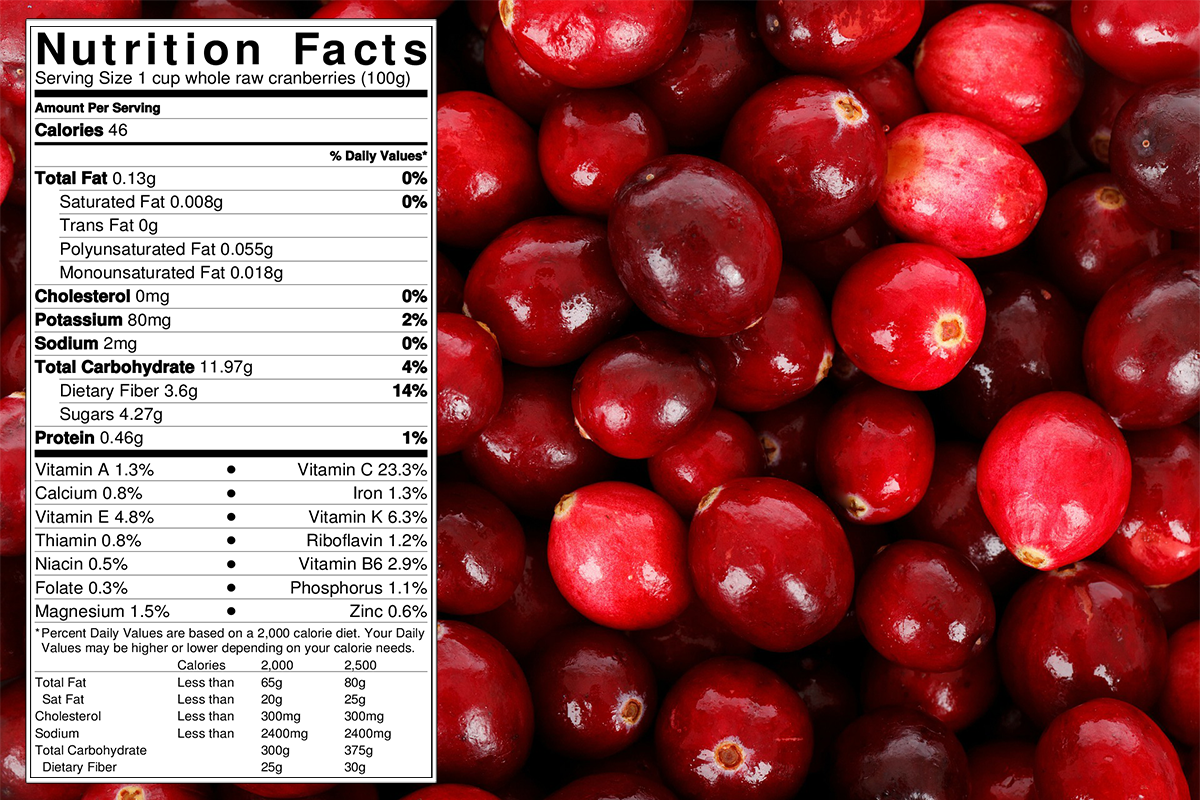
Cranberries offer a rich nutrient profile, packed with vitamin C, fiber, and antioxidants. These small berries support immune health and aid digestion. Low in calories and high in nutrition, cranberries make a healthy addition to any diet.
Cranberries are small, red berries packed with nutrients. They offer a unique blend of vitamins, minerals, and antioxidants. This nutrient profile makes cranberries beneficial for overall health. Understanding these nutrients helps you appreciate their value in your diet. Explore the cranberry nutrient profile to see what makes them special.Vitamins And Minerals
Cranberries are rich in Vitamin C. This vitamin boosts your immune system. They also contain Vitamin E, promoting skin health. Additionally, cranberries offer Vitamin K, which supports bone health. Cranberries provide essential minerals like manganese. This mineral aids in metabolism. Potassium in cranberries helps regulate fluid balance. These vitamins and minerals make cranberries nutritious.Antioxidant Content
Cranberries are loaded with antioxidants. Antioxidants fight free radicals in your body. They reduce oxidative stress, promoting cell health. Anthocyanins give cranberries their red color. These compounds have powerful antioxidant properties. Quercetin and peonidin are other antioxidants found in cranberries. They support heart health and reduce inflammation. Consuming cranberries boosts your antioxidant intake.Caloric And Macronutrient Breakdown
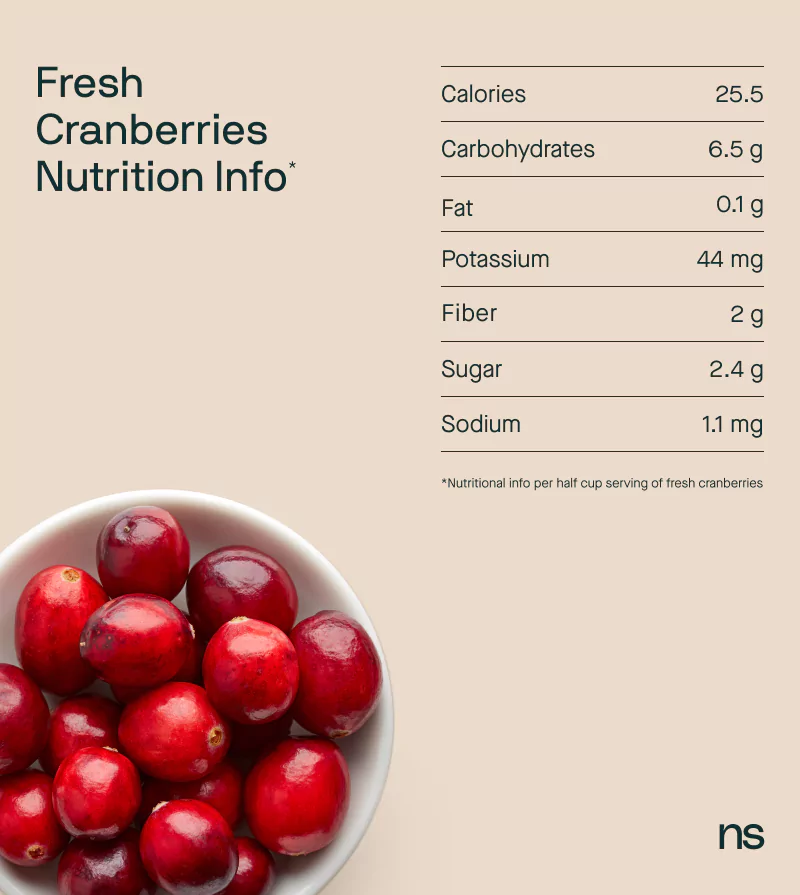
Cranberries are low in calories. A cup contains about 50 calories. They are mostly composed of carbohydrates. Dietary fiber makes up a significant portion. Fiber aids digestion and supports gut health. Cranberries have minimal fat and protein. Their low-calorie profile makes them a healthy snack. Include cranberries in your diet for a nutritious boost.Health Benefits
Cranberries are small, tart berries packed with nutrients. They offer many health benefits. These benefits come from the vitamins, minerals, and antioxidants present in them. Cranberries can be a powerful addition to your diet. They support various aspects of health.
Urinary Tract Health
Cranberries are known for supporting urinary tract health. They have compounds that prevent bacteria from sticking to the bladder walls. This can help reduce the risk of urinary infections. Drinking cranberry juice may help keep the urinary tract healthy.
Heart Disease Prevention
Consuming cranberries can support heart health. They contain antioxidants that help reduce bad cholesterol levels. These antioxidants also improve blood vessel function. This can lower the risk of heart disease over time.
Anti-inflammatory Properties
Cranberries have natural anti-inflammatory effects. They help reduce inflammation in the body. This can be beneficial for people with chronic inflammation. Including cranberries in your diet may help improve overall health.
Digestive Health
Cranberries contain dietary fiber that supports digestive health. Fiber is important for maintaining regular bowel movements. It also helps prevent constipation. Eating cranberries can contribute to a healthier digestive system.
Cranberries And Immunity
Cranberries are small, tart fruits with a powerful punch. They are rich in nutrients and have several health benefits. One of their most notable benefits is enhancing immunity. The fruit contains vitamins and antioxidants that support immune health. Eating cranberries can help fight off infections and keep you healthy.
Boosting Immune Function
Cranberries are packed with vitamin C. This vitamin is crucial for a strong immune system. It helps your body produce white blood cells. White blood cells are the fighters that combat infections. Cranberries also have antioxidants. These antioxidants protect your cells from damage. They reduce inflammation and keep your immune system sharp.
Antiviral And Antibacterial Effects
Cranberries contain compounds that fight viruses and bacteria. These compounds prevent bacteria from sticking to cells. This helps stop infections before they start. Cranberries also have antiviral properties. They can weaken virus strength and reduce their spread. Eating cranberries can boost your body’s natural defenses.
Incorporating Cranberries In Diet
Cranberries offer rich nutritional value with high levels of vitamin C, fiber, and antioxidants. These small berries support heart health and boost the immune system. Incorporating them into meals can enhance overall well-being.
Incorporating cranberries into your diet can be both delicious and nutritious. These tiny, red berries pack a punch when it comes to health benefits. Whether you prefer them fresh, dried, or in juice form, cranberries are versatile and can easily fit into various meals. As you explore the different ways to enjoy cranberries, consider the nutritional value they add to your daily intake. Have you ever thought about how these berries could enhance your health?Fresh Vs. Dried Cranberries
Fresh cranberries are low in calories and high in vitamins like vitamin C and E. They are known for their tart flavor, making them a great addition to salads or as a topping on yogurt. However, fresh cranberries aren’t always in season. Dried cranberries, on the other hand, are available year-round. They are a convenient snack but often contain added sugars, which can reduce their nutritional benefits. When choosing dried cranberries, look for options with no added sugar to maximize health benefits.Cranberry Juice Benefits
Cranberry juice is renowned for its potential to prevent urinary tract infections (UTIs). The juice contains compounds that prevent bacteria from sticking to the bladder walls. It’s also a good source of vitamin C and antioxidants. However, many commercial cranberry juices contain added sugars. Opt for 100% pure cranberry juice to enjoy the full health benefits. Try mixing it with sparkling water for a refreshing drink without the extra sugar.Creative Recipe Ideas
Cranberries can be a delightful addition to your meals beyond the typical cranberry sauce. Consider tossing fresh cranberries into a smoothie for a tart twist. Or, bake dried cranberries into your favorite muffin recipe for a burst of flavor. Have you thought of making a cranberry salsa? Mix fresh cranberries with diced jalapeños, cilantro, and lime juice for a unique topping. If you enjoy salads, sprinkle dried cranberries over your greens for a sweet and tangy contrast. Incorporating cranberries into your diet doesn’t have to be complicated. With a bit of creativity, these berries can enhance your meals and boost your health. What new cranberry recipe will you try next?Potential Side Effects
Cranberries are rich in nutrients and offer numerous health benefits. Yet, they may cause side effects in certain individuals. Understanding these potential risks is crucial. Be aware of how cranberries could affect your health.
Allergic Reactions
Some people may experience allergic reactions to cranberries. Symptoms include itching or swelling. More severe reactions may involve difficulty breathing. Consult a doctor if you suspect an allergy. Avoid cranberries if you notice any unusual symptoms.
Interaction With Medications
Cranberries may interact with certain medications. Blood thinners are especially affected. Cranberries can enhance their effect, leading to increased bleeding risks. Discuss with your healthcare provider before consuming cranberries. Other medications may also be impacted. Always inform your doctor about your diet.
Credit: www.uaex.uada.edu
Choosing And Storing Cranberries
Cranberries are a nutritious fruit packed with benefits. Choosing fresh and storing them properly keeps their nutrients intact. This guide will help you select and store cranberries effectively.
Selecting Fresh Cranberries
Fresh cranberries should be firm to the touch. They have a bright, deep red color. Avoid berries that are soft or shriveled. These indicate spoilage. Fresh cranberries often have a shiny appearance. Look for berries that can bounce. This means they are fresh and ripe.
Proper Storage Tips
Store cranberries in the refrigerator. Keep them in their original packaging. They last longer this way. Use them within two weeks for best results. For longer storage, freeze them. Rinse and dry them first. Spread them on a baking sheet. Once frozen, transfer to a sealed bag. This method keeps them fresh for months.
Environmental Impact
Cranberries are rich in vitamins C, E, and K. They contain antioxidants that help protect against free radicals. These berries also offer dietary fiber, supporting digestive health and heart function.
Cranberries are not just a superfood; their environmental impact is also worth exploring. As consumers become more eco-conscious, understanding the sustainability of cranberry farming is crucial. How do these tart berries fare in terms of environmental footprint? Let’s dive into the world of cranberries and their journey from farm to table.Sustainability Of Cranberry Farming
Cranberry farming is surprisingly eco-friendly. These berries are grown in bogs that often serve as natural water reservoirs. This unique farming method helps in water conservation. Farmers use minimal pesticides and fertilizers, reducing harmful runoff. Additionally, many cranberry farms are family-owned, valuing land preservation. Next time you snack on cranberries, you might be supporting a sustainable practice.Organic Vs. Conventional Cranberries
Choosing between organic and conventional cranberries can impact the environment. Organic cranberries are grown without synthetic pesticides or fertilizers. This method not only benefits the soil but also promotes biodiversity. Conventional cranberries, while often less expensive, may involve more chemical use. However, they still follow strict regulations to minimize environmental harm. The choice is yours, but consider how your preference affects the earth. So, next time you enjoy cranberries, think about their journey. Are you supporting a method that aligns with your values? Your choice can make a difference.
Credit: extension.umaine.edu
Credit: www.nutrisense.io
Frequently Asked Questions
What Are The Health Benefits Of Eating Cranberries?
Cranberries boost urinary tract health and improve digestion. They contain antioxidants, support heart health, and enhance oral hygiene. Their anti-inflammatory properties reduce chronic disease risk.
Are Cranberries Or Blueberries Better For You?
Cranberries and blueberries both offer health benefits. Blueberries are rich in antioxidants and vitamin C. Cranberries aid urinary health and have anti-inflammatory properties. Choose based on personal health needs and taste preference. Both fruits contribute positively to a balanced diet.
How Many Raw Cranberries Should I Eat A Day?
Eat around half a cup of raw cranberries daily for health benefits. They are rich in antioxidants and vitamins.
Who Should Not Take Cranberries?
People with a history of kidney stones should avoid cranberries. Those on blood-thinning medication should consult their doctor before consuming cranberries.
Conclusion
Cranberries pack a punch with their nutrients. Rich in vitamin C and fiber. They offer antioxidants which help your health. Including them in meals is easy and beneficial. Juices, sauces, or dried snacks work great. Cranberries support heart health and improve digestion.
Their low calorie count suits any diet plan. Explore creative ways to add them to your diet. They contribute positively to your well-being. With these small berries, enjoy a healthy lifestyle. Cranberries are a tasty choice with big health benefits.
So, consider adding cranberries to your meals today!