
Imagine boosting your health with a simple ingredient that’s probably already in your kitchen—garlic. You might know it adds a punch of flavor to your dishes, but have you ever wondered about the nutritional value it brings?
Garlic is more than just a seasoning; it’s a powerhouse of nutrients that can benefit your body in ways you might not expect. As you read on, you’ll discover what makes garlic a staple in cuisines around the world and how it can enhance your well-being.
Don’t miss out on learning how this humble bulb can be a game-changer for your health. Get ready to uncover the secrets of garlic that could transform your everyday meals into health-boosting experiences.

Credit: www.researchgate.net
Nutritional Profile Of Garlic
Garlic is a staple in many kitchens around the world. This humble bulb packs a punch with its distinct flavor. But garlic is not just about taste. It offers a remarkable nutritional profile that can benefit your health. Let’s dive into what makes garlic a nutritious addition to your diet.
Calories And Macronutrients
Garlic is low in calories. A single clove has about 4 calories. It’s also free from fat and cholesterol. Each clove contains a small amount of protein, around 0.2 grams. Carbohydrates in garlic are minimal, with less than 1 gram per clove. This makes garlic a great choice for those watching their calorie intake.
Vitamins And Minerals
Garlic is rich in essential vitamins and minerals. It contains vitamin C, which boosts immunity. Vitamin B6 in garlic aids brain function and mood regulation. Garlic also provides manganese, vital for bone health. Selenium, present in garlic, supports metabolism and thyroid function. These nutrients make garlic a valuable addition to your meals.
Bioactive Compounds
Garlic is renowned for its bioactive compounds. Allicin is the most notable one. It gives garlic its distinctive smell and health benefits. Allicin has antioxidant and anti-inflammatory properties. Garlic also contains sulfur compounds. These support heart health and may reduce blood pressure. Including garlic in your diet can enhance wellness in various ways.
Antioxidant Properties
Garlic is rich in antioxidants, which help protect cells from damage. These compounds support the immune system and may reduce inflammation. Consuming garlic can contribute to overall health, thanks to its nutritional benefits.
Garlic stands as a powerhouse in the realm of nutrition. Its antioxidant properties are especially noteworthy. These properties play a significant role in promoting health. Antioxidants fight free radicals, which cause damage in our bodies. Garlic has several antioxidants that help combat these harmful agents.Role In Reducing Oxidative Stress
Oxidative stress occurs when free radicals overwhelm the body’s defenses. Garlic helps reduce this stress effectively. It contains compounds like allicin, known for its antioxidant activity. These compounds neutralize free radicals. This reduces the burden on our cells. Eating garlic regularly can lower oxidative stress levels.Impact On Cellular Health
Healthy cells are crucial for overall well-being. Garlic supports cellular health with its antioxidants. They protect cells from damage. This can slow down aging and prevent diseases. When cells are healthy, organs function better. Garlic’s impact on cellular health is profound. Regular consumption can lead to better vitality.Heart Health Benefits
Garlic offers vital nutrients that support heart health. Rich in antioxidants, it helps reduce inflammation and improve blood circulation. Its allicin content may lower cholesterol levels and blood pressure, promoting a healthier cardiovascular system.
Garlic is more than a kitchen staple. Its heart health benefits are well-known. Packed with nutrients, garlic supports cardiovascular health. It aids in cholesterol management and blood pressure regulation. These benefits make garlic a valuable addition to your diet.Cholesterol Management
Garlic helps manage cholesterol levels. It reduces bad cholesterol. This is LDL cholesterol, harmful to heart health. Garlic also raises good cholesterol, known as HDL. HDL helps remove bad cholesterol from arteries. This balance supports a healthy heart.Blood Pressure Regulation
High blood pressure strains the heart. Garlic can help lower blood pressure. It relaxes blood vessels, improving blood flow. Allicin, a compound in garlic, plays a key role. Regular consumption of garlic may lead to better blood pressure levels. This supports overall heart wellness.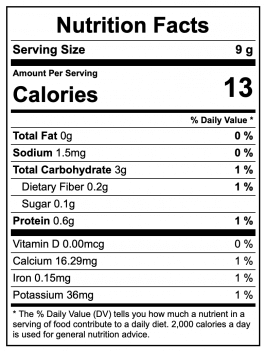
Credit: foodgardening.mequoda.com
Immune System Support
Garlic is more than just a flavorful herb. It plays a vital role in supporting the immune system. Its unique compounds help protect the body from various threats. Let’s explore how garlic boosts immunity.
Antimicrobial Effects
Garlic contains allicin, a powerful compound with antimicrobial properties. This natural defense fights bacteria, viruses, and fungi effectively. Regular garlic intake helps reduce the risk of infections. It acts as a natural shield against harmful microbes.
Studies show that garlic can combat common colds. Its antimicrobial effects lessen the severity and duration of symptoms. Consuming garlic regularly can maintain a healthy immune system.
Enhancing Immune Response
Garlic enhances the body’s immune response. It increases the production of white blood cells, essential for fighting invaders. This boost strengthens the body’s ability to fend off illnesses.
Garlic also aids in reducing inflammation. Inflammation can weaken the immune system over time. By lowering inflammation, garlic supports the body’s defense mechanisms.
Incorporating garlic into meals is simple and beneficial. It not only adds flavor but also supports overall health. Embrace garlic as a natural ally for a robust immune system.
Potential Anti-cancer Effects
Garlic boasts rich nutritional benefits, packed with vitamins and minerals. Its compounds might help fight cancer. Research suggests garlic’s sulfur compounds could inhibit cancer cell growth, offering potential preventive effects.
Garlic has long been celebrated for its health benefits. Among these, its potential anti-cancer effects stand out. This humble bulb contains powerful compounds that could play a role in cancer prevention. Understanding how garlic impacts cancer cells can offer valuable insights for those seeking natural health solutions.Inhibition Of Cancer Cell Growth
Garlic contains allicin, a compound with strong biological activity. Research shows that allicin can inhibit the growth of cancer cells. It targets cancerous cells without harming healthy ones. This selective action is crucial for effective cancer treatment. Garlic also contains sulfur compounds. These compounds disrupt cancer cell reproduction. They slow down the division and spread of harmful cells. This makes garlic a valuable addition to a cancer-fighting diet.Role In Detoxification
Garlic promotes detoxification in the body. It enhances the liver’s ability to flush out toxins. A clean system is less prone to cancerous changes. Garlic contains selenium, a mineral with detoxifying properties. Selenium helps remove harmful substances from the bloodstream. It boosts the body’s natural defense against carcinogens. Including garlic in meals can support this detox process. A healthier internal environment reduces cancer risks significantly.Digestive Health
Garlic offers numerous health benefits, making it a great addition to your diet. Rich in vitamins and minerals, garlic supports digestive health and boosts the immune system. Its natural compounds can help reduce inflammation, promoting overall well-being.
Garlic is more than just a flavorful ingredient. It offers great benefits for digestive health. Many cultures have used garlic for its health-promoting properties. For digestion, garlic supports gut health and aids the digestive process.Promoting Gut Flora
Garlic acts as a natural prebiotic. Prebiotics feed good bacteria in your gut. These good bacteria maintain a healthy digestive system. They help fight harmful bacteria and improve gut health. Eating garlic supports the growth of these friendly bacteria. This leads to a balanced gut flora. A balanced gut flora boosts overall health.Aiding Digestion
Garlic can help ease digestion. It stimulates the production of digestive juices. This makes it easier for the stomach to break down food. Garlic also reduces inflammation in the gut. This can prevent digestive issues like bloating and gas. Its natural compounds enhance the absorption of nutrients. So, adding garlic to your diet can support a healthy digestive system.Anti-inflammatory Benefits
Garlic offers impressive anti-inflammatory benefits due to its rich nutritional profile. Packed with antioxidants, vitamins, and minerals, garlic helps reduce inflammation naturally. Its active compounds, like allicin, contribute to fighting inflammation and promoting overall health.
Garlic is more than just a flavorful ingredient. It packs a punch of health benefits too. One standout benefit is its ability to fight inflammation. Inflammation is the body’s response to injury or illness. But chronic inflammation can lead to diseases. Garlic helps reduce this chronic inflammation.Reducing Inflammation Markers
Garlic contains compounds like allicin. These compounds have anti-inflammatory properties. They help reduce inflammation markers in the body. Studies show garlic can lower these markers. This means less risk of chronic diseases. Regular garlic intake may keep inflammation in check.Relief From Joint Pain
Many people suffer from joint pain. Garlic could offer natural relief. Its anti-inflammatory effects can ease joint discomfort. Compounds in garlic reduce swelling in joints. This can lead to less pain over time. Including garlic in your diet may improve joint health.Considerations And Precautions
Garlic offers nutrients like vitamins B6 and C, manganese, and selenium. Overconsumption can lead to digestive issues. Those with allergies should exercise caution, as garlic might cause skin irritation or other reactions.
Garlic is a popular ingredient known for its flavor and health benefits. Yet, consuming it requires some caution. Understanding its nutritional value is important. Considerations and precautions can help avoid unwanted effects. Knowing these aspects ensures safe consumption and maximizes benefits.Possible Side Effects
Garlic can cause digestive issues. Some people experience heartburn or stomach upset. Consuming too much might lead to diarrhea. It may also cause bad breath and body odor. Allergic reactions are rare but possible. Symptoms include skin rashes and itching. Monitor your intake to avoid these effects.Interactions With Medications
Garlic can affect certain medications. It may interfere with blood thinners. This can increase bleeding risks. People on anticoagulants should consult a doctor. It might also interact with HIV medications. Consult healthcare providers if on specific drugs. Understanding these interactions is crucial. Always prioritize your health and safety.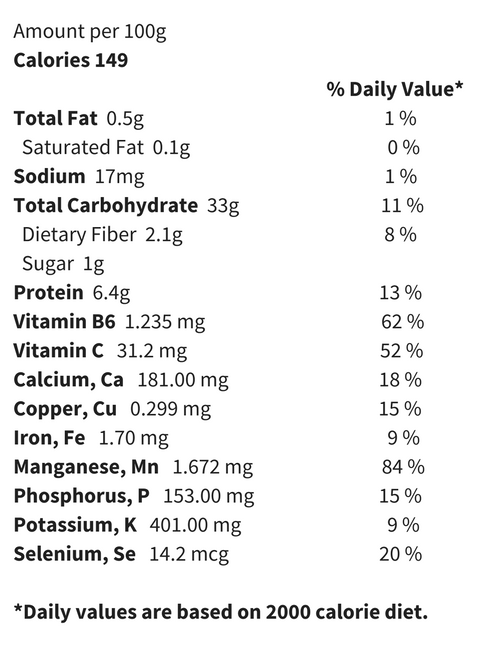
Credit: hub.suttons.co.uk
Frequently Asked Questions
What Organ Benefits From Garlic?
Garlic benefits the heart by improving blood circulation and reducing cholesterol levels. It also supports liver health by enhancing detoxification processes.
Does Eating Garlic Have Any Health Benefits?
Garlic boosts immunity, reduces blood pressure, and improves heart health. It contains antioxidants that fight free radicals. Eating garlic may also lower cholesterol levels, enhance athletic performance, and support detoxification. Its antibacterial properties can aid in preventing infections. Enjoy garlic in meals for its health benefits.
What Nutrients Are In Garlic?
Garlic is rich in vitamin C, vitamin B6, manganese, and selenium. It also contains sulfur compounds like allicin. Garlic provides fiber and small amounts of calcium, copper, and potassium. These nutrients support immune function and cardiovascular health.
What Is The 10 Minute Garlic Rule?
The 10-minute garlic rule suggests letting chopped garlic sit for 10 minutes before cooking. This activates allicin, enhancing health benefits. Chopped garlic can boost flavor and nutritional value in dishes. Following this rule maximizes garlic’s potential.
Conclusion
Garlic offers impressive nutritional benefits. It’s rich in vitamins and minerals. Antioxidants in garlic support your health. It boosts your immune system. Garlic helps reduce blood pressure. It improves heart health. It’s a natural anti-inflammatory. Garlic can aid digestion too.
Including garlic in meals is easy. Its flavor enhances dishes. Eating garlic regularly can benefit health. Remember, moderation is key. Too much garlic can upset your stomach. Enjoy garlic in balanced amounts. Enhance meals, support health. Garlic is a simple yet powerful addition to your diet.