Are you a pasta lover, but often wonder what nutritional benefits this popular dish holds for you? You’re not alone.
Pasta is a staple in many diets around the world, cherished for its versatility and comforting taste. Whether you enjoy it as a simple spaghetti or a gourmet lasagna, understanding the nutritional value of pasta can help you make informed choices for your meals.
Imagine enjoying your favorite pasta dish while also knowing exactly how it fuels your body. This article will delve into what makes pasta a beneficial addition to your diet, unraveling its nutrients and how it fits into a balanced lifestyle. Keep reading to discover surprising insights that might change the way you think about pasta!
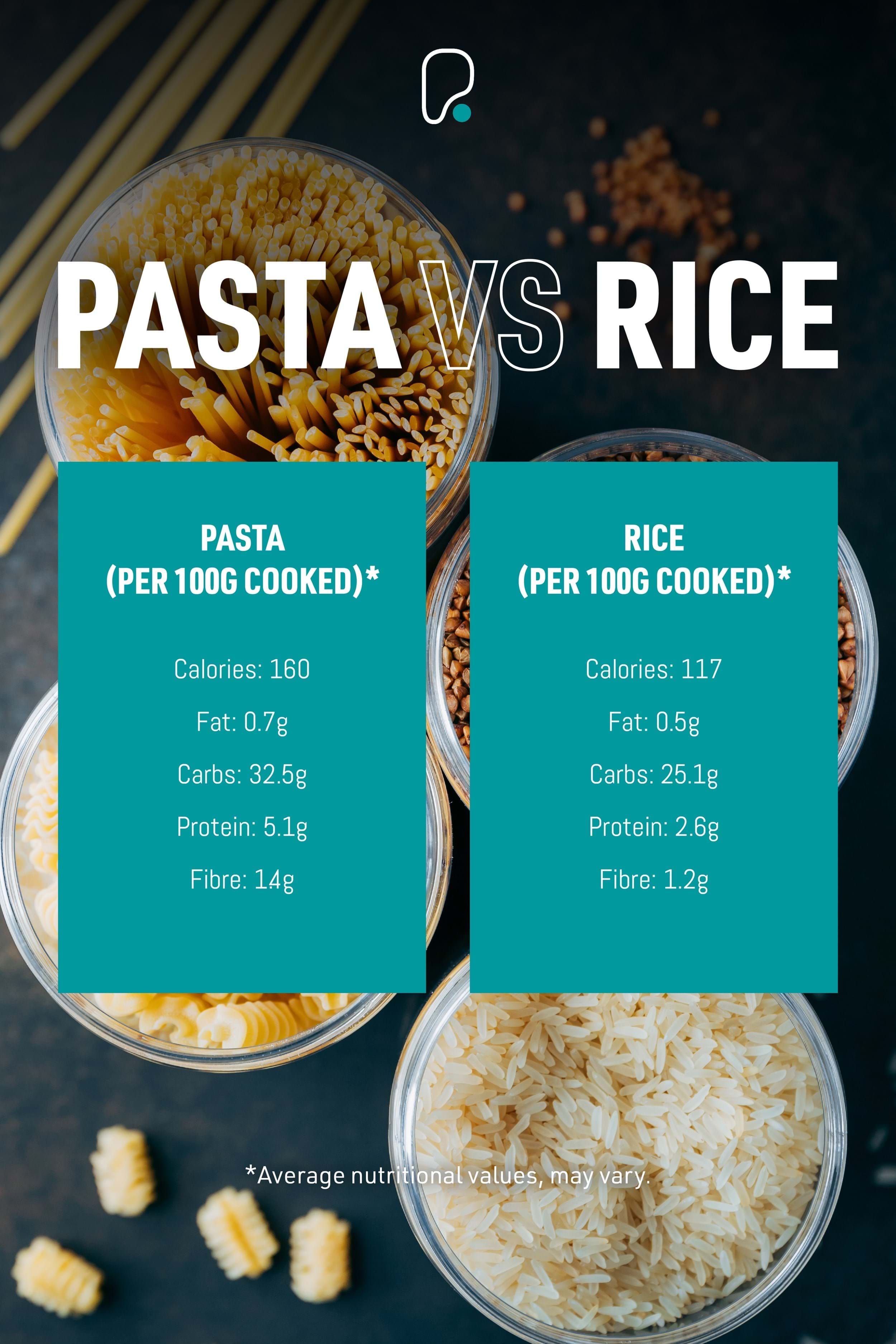
Credit: www.puregym.com
Types Of Pasta
Pasta is a staple in many kitchens around the world, beloved for its versatility and comforting taste. But when it comes to choosing the right type of pasta, the options can be overwhelming. From traditional varieties to whole grain and gluten-free alternatives, understanding the nutritional value of each can help you make informed choices for your meals. Let’s dive into the different types of pasta available today.
Traditional Varieties
Traditional pasta is typically made from durum wheat semolina, water, and sometimes eggs. It’s known for its chewy texture and ability to hold sauces well. Varieties like spaghetti, penne, and fettuccine are common in many households. These types of pasta are a good source of carbohydrates, providing energy for your daily activities.
However, traditional pasta is often criticized for its lack of fiber and nutrients. If you love these classics, consider pairing them with nutrient-rich sauces or vegetables to boost their nutritional profile. Have you ever tried adding spinach or kale to your pasta dish?
Whole Grain Options
Whole grain pasta is a fantastic choice if you’re looking to increase your fiber intake. Made from whole wheat flour, it retains more nutrients than its traditional counterpart. With options like whole wheat spaghetti or penne, you can enjoy your favorite pasta dishes with added health benefits.
Whole grain pasta has a nuttier flavor and a slightly firmer texture. It may take some getting used to, but it’s worth it for the extra nutritional punch. Have you swapped out regular pasta for whole grain before? You might find it a surprisingly satisfying alternative.
Gluten-free Alternatives
For those with gluten intolerance or celiac disease, gluten-free pasta is a must. Made from rice, corn, quinoa, or chickpeas, these options offer a way to enjoy pasta without the gluten. Options like rice pasta or chickpea pasta are becoming increasingly popular.
Gluten-free pastas vary widely in taste and texture, so it may take some trial and error to find the one you like best. They can be a bit more expensive than traditional pasta, but the peace of mind is worth it. Have you tried experimenting with gluten-free pasta recipes? You might discover a new favorite dish.
Choosing the right type of pasta can transform your meals, both in flavor and nutrition. Which type will you try next to spice up your culinary adventures?
Macronutrient Composition
Pasta offers a balanced mix of carbohydrates, proteins, and fats. This staple food is rich in energy-giving carbs. It often contains protein, though in smaller amounts than meats or beans.
Pasta is a staple in many households, and understanding its macronutrient composition can help you make informed dietary choices. While it’s often viewed as a simple carbohydrate, pasta offers a balance of macronutrients that can fit into a healthy diet. Let’s take a closer look at what makes up this versatile dish.Carbohydrate Content
Pasta is primarily known for its carbohydrate content. One cup of cooked pasta contains about 40 grams of carbs. These carbohydrates provide a steady source of energy. If you’ve ever fueled up with a plate of pasta before a marathon or an intense workout, you know how effective it can be. Whole-grain pasta is an excellent choice for those seeking more fiber. It contains complex carbohydrates which digest more slowly, providing sustained energy and helping to keep you full longer. The next time you’re planning your meals, consider the type of pasta to match your energy needs.Protein Levels
You might be surprised to learn that pasta contains a moderate amount of protein. A cup of cooked pasta typically has around 7 to 8 grams of protein. This can be a valuable source for those looking to increase their protein intake without relying solely on meat. Adding complementary protein sources like beans, chickpeas, or lean meats can enhance your dish. Have you ever tried combining pasta with lentils or turkey? Not only does it boost the protein content, but it also adds flavor and texture.Fat Content
Pasta itself is low in fat, with less than 2 grams per serving. This makes it an ideal choice for low-fat meal plans. However, be mindful of the sauces and toppings you choose, as they can significantly alter the fat content of your meal. Opting for tomato-based sauces or a drizzle of olive oil can keep the fat content in check. Have you ever compared the feeling after eating a cream-based pasta versus a lighter sauce? The difference can be quite noticeable in terms of heaviness and satisfaction. Understanding the macronutrient composition of pasta helps you make better nutritional choices. How will you incorporate this knowledge into your next meal?Micronutrient Profile
Pasta offers essential micronutrients like iron, B vitamins, and selenium. These nutrients support energy and overall health. Whole grain pasta provides more fiber and antioxidants, contributing to a balanced diet.
Pasta is a beloved staple in many kitchens worldwide. But beyond its comforting taste, pasta offers a surprising micronutrient profile that can support your health in various ways. Let’s dive into the vitamins and essential minerals that make pasta more than just a carb-loaded comfort food.Vitamins In Pasta
Pasta can be a source of essential vitamins, particularly when made from whole grains. Whole grain pasta is rich in B vitamins like thiamine, riboflavin, and niacin, which are crucial for energy production. These vitamins play a vital role in converting the food you eat into usable energy, helping you stay active and alert throughout the day. If you’ve ever wondered why some people feel more energized after a hearty pasta meal, it’s partly due to these B vitamins. They support your metabolism and help maintain healthy skin and nerves. Next time you prepare pasta, consider opting for whole grain varieties to boost your vitamin intake.Essential Minerals
Pasta also contains essential minerals that your body needs to function well. Iron, for instance, is found in pasta and helps transport oxygen in your blood. This is vital for maintaining your energy levels and cognitive function. Do you ever feel worn out after a busy day? It might be time to check your iron intake. Including pasta in your diet can contribute to meeting your daily iron needs, supporting your overall health. Moreover, pasta provides selenium, a mineral with antioxidant properties. Selenium helps protect your cells from damage and plays a role in boosting your immune system. Imagine the added benefit of enjoying your favorite pasta dish while also giving your immune health a little boost. Are you maximizing the nutritional benefits of pasta in your meals? Exploring these micronutrients might inspire you to make pasta a regular part of your balanced diet, enhancing both flavor and health.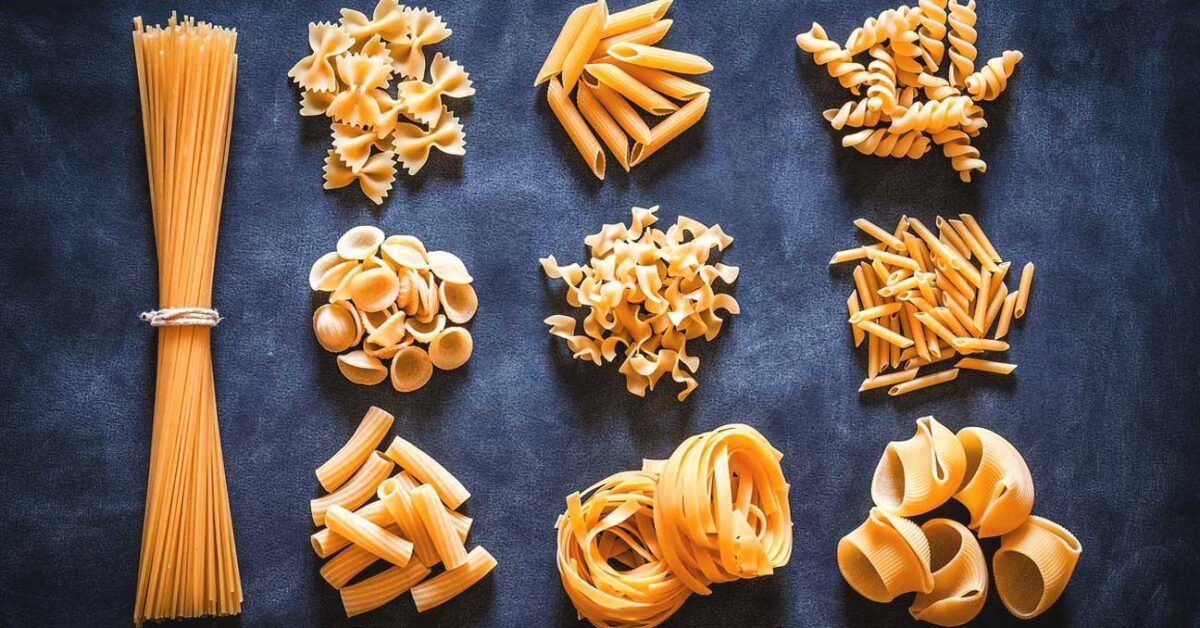
Credit: www.healthline.com
Health Benefits
Pasta offers a good source of carbohydrates for energy. It also contains essential nutrients like iron and B vitamins. Whole grain pasta adds fiber, supporting digestive health.
When you think of pasta, you might imagine a comforting bowl of spaghetti or a delicious lasagna. But did you know that pasta also comes with a host of health benefits? Whether you’re a fitness enthusiast or someone who simply enjoys a tasty meal, understanding the nutritional value of pasta can help you make informed dietary choices. Let’s dive into how pasta contributes to your overall well-being.Energy Source
Pasta is a great source of carbohydrates, which are your body’s primary energy fuel. If you’ve ever felt sluggish and then energized after a meal, it’s likely because your body was craving those essential carbs. Athletes often rely on pasta to fuel up before a big event. Imagine having the stamina to climb a mountain or run a marathon, all thanks to a simple pasta dish. Next time you’re planning a busy day, consider adding pasta to your menu to keep your energy levels stable.Digestive Health
Whole-grain pasta, in particular, is rich in fiber. Fiber is crucial for maintaining a healthy digestive system. It helps keep things moving smoothly, preventing issues like constipation. Have you ever felt bloated or uncomfortable after a meal? Incorporating fiber-rich pasta can aid in digestion, making you feel lighter and more comfortable. Choosing whole-grain options can enhance this benefit even further.Heart Health
Pasta can also play a role in supporting heart health. Whole-grain varieties contain nutrients like magnesium and potassium, which are beneficial for heart function. Think about the peace of mind that comes with knowing you’re taking care of your heart. Next time you’re enjoying a pasta dish, remember that opting for whole-grain can contribute to a healthier heart. It’s a simple switch that can make a significant difference. By understanding these health benefits, you can enjoy pasta not just as a delicious meal, but as a nutritious one. What changes will you make in your next pasta dish to maximize these benefits?Potential Concerns
Understanding pasta’s nutritional value raises some concerns. High in carbohydrates, it might contribute to weight gain if consumed excessively. Its refined grains may lack essential nutrients, leading to nutritional gaps in diets.
Pasta is a beloved staple in many kitchens worldwide, offering versatility and comfort in countless dishes. However, while it provides essential nutrients, there are potential concerns worth noting. Understanding these can help you make informed choices about incorporating pasta into your diet.Blood Sugar Impact
Pasta is rich in carbohydrates, which can significantly affect your blood sugar levels. If you have diabetes or are watching your blood sugar, it might be a concern. Choosing whole-grain pasta can help mitigate this impact, as it has a lower glycemic index than regular pasta. Pairing pasta with proteins or fats can also slow down the absorption of sugar, keeping those levels more stable.Gluten Sensitivity
If you’re sensitive to gluten or have celiac disease, traditional pasta can be problematic. Gluten is a protein found in wheat, which forms the backbone of most pasta. Luckily, there are alternatives. Rice, quinoa, and corn pasta offer similar textures and flavors without the gluten. Exploring these options can be a fun culinary adventure, opening doors to new tastes and recipes.Caloric Density
Pasta can be calorie-dense, especially when paired with rich sauces and toppings. If you’re watching your weight, this might be something to consider. A modest serving size can help you enjoy pasta without overindulging. Balancing pasta with vegetables and lean proteins can create a satisfying, nutrient-rich meal. Have you ever tried zucchini noodles or spaghetti squash? They offer a low-calorie alternative while keeping the essence of your favorite pasta dishes. By being mindful of these potential concerns, you can continue to enjoy pasta while maintaining your health goals. What strategies do you use to navigate these challenges?Enhancing Nutritional Value
Pasta offers carbohydrates, providing energy and supporting daily activities. It contains protein, essential for muscle maintenance and growth. Vitamins and minerals like iron and B vitamins are present, contributing to overall health.
Enhancing the nutritional value of pasta can transform a simple meal into a health-boosting delight. Many people think of pasta as a carb-heavy dish, but with a few tweaks, it can become a balanced meal. By adding the right ingredients, you can make your pasta not only more delicious but also packed with nutrients.Incorporating Vegetables
Adding vegetables to your pasta is an easy way to boost its nutritional content. Think about tossing in colorful bell peppers, spinach, or broccoli. These veggies add vitamins, minerals, and fiber. Next time you cook, try sautéing some zucchini or mushrooms with garlic and olive oil. You’ll add flavor and get more nutrients.Choosing Lean Proteins
Consider adding lean proteins to your pasta for a more balanced meal. Proteins like grilled chicken, turkey, or even tofu can make a significant difference. They provide essential amino acids and help keep you full longer. Have you ever tried adding shrimp or beans to your pasta? It’s a simple way to enhance taste and nutrition.Using Healthy Sauces
Sauces can make or break the healthiness of your pasta dish. Creamy, heavy sauces can add unwanted fats and calories. Opt for tomato-based sauces or make your own using olive oil, garlic, and herbs. Have you thought about making a pesto with kale or spinach? It’s a fresh, nutrient-rich choice that’s easy to prepare. By making these small changes, you can enjoy pasta without compromising on health. What will you try in your next pasta dish?Pasta In A Balanced Diet
Pasta offers valuable nutrients like carbohydrates for energy, along with fiber, especially in whole grain varieties. It also contains essential vitamins and minerals, including iron and B vitamins, contributing to a balanced diet. Combining pasta with vegetables and proteins enhances its nutritional profile.
Pasta in a Balanced Diet Pasta often gets a bad rap in the diet world, but it can be a valuable part of a balanced diet. When enjoyed in moderation and paired with the right foods, pasta provides essential nutrients and energy. How can you make pasta work for you while maintaining your health goals?Portion Control
Controlling your pasta portions is crucial. A standard serving size is about half a cup of cooked pasta, which might be smaller than you’re used to. Using a food scale can help ensure you stick to this serving size. Have you ever noticed how restaurant portions often exceed this? Being mindful of portion sizes can help you enjoy pasta without overindulging.Complementary Foods
Pairing pasta with nutrient-rich foods elevates its nutritional profile. Adding vegetables like spinach, tomatoes, or broccoli boosts fiber and vitamins. Lean proteins such as chicken or tofu provide balance and keep you full longer. How about mixing in some healthy fats like olive oil or avocado for flavor and satiety?Meal Planning Tips
Planning your meals can make pasta night both delicious and nutritious. Consider whole-grain pasta for added fiber and nutrients. Preparing a big batch with different veggies and proteins can provide multiple meals throughout the week. What if you tried a pasta salad with seasonal vegetables for lunch? It’s a fresh, convenient option that keeps you on track. Pasta can easily fit into a balanced diet with a little thought and creativity. By controlling portions, choosing complementary foods, and planning meals, you can enjoy pasta without guilt. How do you plan to enjoy pasta in your balanced diet this week?:max_bytes(150000):strip_icc()/rice-noodles_annotated2-a3c13ad33e284f83a114180b63dab860.jpg)
Credit: www.verywellfit.com
Frequently Asked Questions
Do Pastas Have Any Nutritional Value?
Yes, pastas offer nutritional value. They provide carbohydrates for energy, fiber for digestion, and essential vitamins. Whole grain pasta is particularly nutritious, offering more fiber and nutrients than refined pasta. It’s a versatile food that can be part of a balanced diet when paired with vegetables and proteins.
What Is Better For You, Rice Or Pasta?
Rice is lower in calories and carbs, making it a lighter option. Pasta provides more protein and fiber. Choose based on dietary needs and personal preference. Both can be part of a healthy diet.
Is Pasta Really Healthy For You?
Pasta can be healthy when consumed in moderation. Choose whole grain varieties for more fiber and nutrients. Pair it with vegetables, lean proteins, and healthy fats. Portion control is key to maintaining balanced nutrition. Avoid heavy sauces to keep pasta dishes light and beneficial for your health.
What Is The Healthiest Pasta To Eat?
Whole grain pasta is the healthiest choice. It’s rich in fiber, vitamins, and minerals. Opt for varieties like whole wheat or brown rice pasta. These options support digestion and maintain energy levels. They are less processed and contain more nutrients compared to traditional white pasta.
Conclusion
Pasta offers a mix of carbs, proteins, and fibers. It provides energy and supports digestion. Whole-grain pasta is a healthier choice. It contains more nutrients and fiber. Pasta pairs well with vegetables and lean proteins. This enhances its nutritional value.
Moderation is key for a balanced diet. Enjoy pasta as part of varied meals. Choose healthy toppings and sauces. This helps maintain a nutritious diet. Remember, a balanced plate is essential. Pasta can be a tasty and nutritious option when eaten wisely.
Enjoy your meals, and stay healthy!