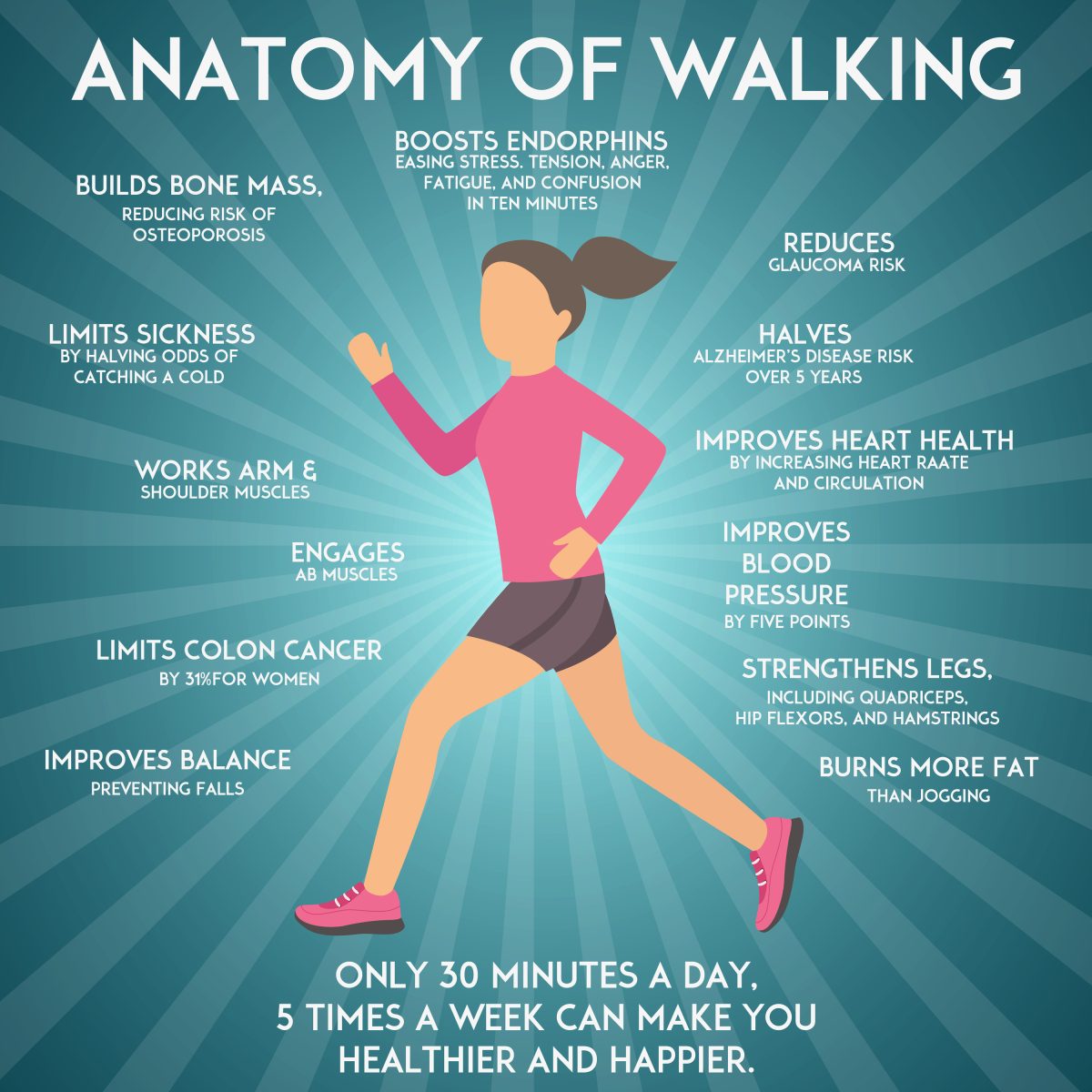
Ever wondered why walking feels so good? It’s not just a simple way to get from point A to point B.
Walking is a powerful activity that can do wonders for your body. But what exactly happens beneath your skin when you take those steps? You might be surprised to learn that walking builds more than just your leg muscles. It’s like a secret workout that strengthens multiple parts of your body without you even realizing it.
Imagine boosting your health with each step you take, simply by walking. Intrigued? Let’s dive in and discover the muscles that benefit from this underestimated exercise. By understanding the impact of walking, you can make it a more intentional part of your routine and enjoy the full spectrum of its benefits.
Walking And Muscle Engagement
Walking strengthens various muscles throughout your body. It primarily targets the calves, quadriceps, hamstrings, and glutes. Engaging these muscles improves leg strength and endurance over time.
Walking is a simple yet effective exercise. It engages various muscles in your body. It is more than just moving your legs. Each step activates different muscle groups. Understanding this can boost your fitness routine. Walking uses more than leg muscles. Your entire body gets involved. This includes core, arms, and back muscles. Even your shoulders play a role. Each muscle contributes to a balanced movement.Leg Muscles
Your quadriceps get a workout with each step. They help in straightening your knees. Hamstrings also play a vital part. They bend your knees and aid in backward leg movement. Calves are engaged too. They push off the ground, aiding forward motion.Core Muscles
Walking strengthens abdominal muscles. These muscles stabilize your spine. This helps in maintaining posture. Strong abs reduce lower back pain. Walking also engages oblique muscles. They help in maintaining balance.Arm And Shoulder Muscles
Your arms swing naturally while walking. This movement tones arm muscles. Shoulders also contribute to arm movement. This helps in maintaining rhythm and balance.Back Muscles
Walking engages lower back muscles. They support your torso and improve posture. Upper back muscles get toned too. They assist in maintaining an upright position. Walking is a full-body workout. It provides a simple way to engage multiple muscle groups. This makes it an ideal exercise for overall fitness.
Credit: www.facebook.com
Leg Muscles Activated
Walking is a great way to keep fit. It activates several leg muscles. These muscles work together to support your body. Walking strengthens and tones them. Let’s explore these leg muscles.
Quadriceps
The quadriceps are in the front of your thighs. They are powerful muscles. They extend your knee with every step. This helps propel your body forward. Walking regularly tones these muscles. It improves their strength and endurance.
Hamstrings
Hamstrings are at the back of your thighs. They bend your knee. They work opposite to the quadriceps. Walking activates the hamstrings. This helps balance the movement. Strengthened hamstrings lead to better posture and flexibility.
Calves
The calves are below the knees. They are important for walking. They help lift your heels with each step. This action pushes your body forward. Toned calves enhance leg shape. Walking regularly strengthens the calves.
Core Strength Development
Walking strengthens the lower body by engaging muscles like the quadriceps, hamstrings, and calves. It also activates the glutes and helps tone the core muscles, including the abdominals and obliques. Regular walking enhances muscle endurance and supports overall stability.
Core Strength Development Walking is not just about moving your legs. It’s a full-body workout that can significantly enhance your core strength. By engaging your core muscles, walking helps improve your balance and stability. Have you ever noticed how you naturally tighten your abdomen while walking briskly? This simple activity activates various muscles in your core, making them stronger over time. As you progress, you’ll find yourself standing taller and feeling more grounded. Let’s look at how walking specifically strengthens your abdominal muscles and obliques.Abdominal Muscles
Your abdominal muscles play a crucial role in stabilizing your body as you walk. Every step you take requires your abs to engage to keep you steady. Have you ever felt a slight burn in your stomach area after a long walk? That’s your abs working hard to support your posture and balance. By maintaining a brisk pace, you can increase this muscle engagement. Try swinging your arms as you walk to add more intensity and boost your abdominal workout.Obliques
Your obliques, the muscles on the sides of your abdomen, are also engaged during walking. These muscles help in twisting movements and are essential for a stable core. When you take long strides, your obliques work to keep your upper body aligned. This is crucial for avoiding injuries and maintaining good posture. To maximize the benefits, focus on your form. Ensure your shoulders are relaxed and your arms swing naturally. Have you considered how these small adjustments can enhance your core strength? By being mindful of your walking technique, you can turn a simple activity into a powerful core workout. This approach not only improves your physical health but also boosts your confidence. Imagine feeling stronger and more capable every day, just by taking a walk. Doesn’t that sound like a rewarding journey?
Credit: www.womenshealthmag.com
Impact On Glutes
Walking primarily strengthens the glutes. This simple exercise helps tone and shape the muscles. Regular walks can enhance overall lower body strength.
Walking is a fantastic exercise that many people overlook when thinking about building muscles. But did you know that regular walking can significantly impact your glutes? This seemingly simple activity can help tone and strengthen your gluteal muscles, giving you a more defined and powerful lower body. Whether you’re strolling through the park or power-walking on a treadmill, each step you take engages your glutes in different ways.Gluteus Maximus
The gluteus maximus is the largest muscle in your body and plays a crucial role in maintaining your balance and posture. When you walk, especially on an incline or at a brisk pace, you activate this powerful muscle. Have you ever felt that burn in your backside after a long walk? That’s your gluteus maximus working hard to propel you forward and stabilize your hips. You can enhance this effect by consciously squeezing your glutes with each step. Try adding uphill routes to your walking routine or using a treadmill’s incline feature. You’ll notice a difference in strength and tone over time, which is both motivating and rewarding.Gluteus Medius
The gluteus medius often goes unnoticed but plays a vital role in your walking stride. It stabilizes your pelvis and prevents your knees from caving inwards. Walking with proper form engages this muscle, helping you maintain alignment and prevent injuries. Have you considered how walking on uneven terrain affects your glutes? Trails or sandy beaches force your gluteus medius to work overtime. This extra effort helps improve balance and coordination, making your workouts more effective. Take note of your walking form. Are you swinging your hips too much? Keeping your hips steady will ensure your gluteus medius is doing its job. You might find that focusing on this small adjustment can lead to big improvements in your glute strength. Walking is more than just a leisurely activity; it’s a powerful tool for building muscle and enhancing your fitness. So, lace up your sneakers, hit the pavement, and feel your glutes engage with every step. How will you incorporate walking into your fitness routine to target your glutes?Upper Body Involvement
Walking is often hailed for its simplicity and effectiveness as a cardiovascular exercise, but did you know it also engages your upper body? While it might seem that walking predominantly works your legs, your arms and shoulders play a crucial role too. Have you ever noticed how a brisk walk makes your arms swing naturally? This movement isn’t just for show—it’s a vital part of walking that aids in balance and propels your body forward. Let’s delve into how walking can tone and strengthen your upper body.
Arm Muscles
Your arm muscles get a surprising workout during a walk. Swinging your arms helps increase your walking speed and enhances your overall balance. This movement engages your biceps and triceps, providing a gentle toning effect over time. Try exaggerating your arm swings on your next walk. You’ll notice how it increases your heart rate and makes the walk feel more dynamic.
Consider adding light hand weights to your walk. This simple adjustment turns your walk into a full-fledged upper body workout. You’ll be surprised at how quickly your arms start feeling the burn, contributing to muscle definition without the need for heavy lifting.
Shoulder Activation
Your shoulders are more involved in walking than you might think. With each stride, your shoulders stabilize and support your arm movements. This activation helps improve posture and prevent slumping. Notice how your shoulders naturally rise and fall as you walk. This motion can help relieve tension built up from sitting at a desk all day.
To maximize shoulder engagement, focus on maintaining good posture. Keep your shoulders back and down to avoid hunching. Imagine you’re holding a pencil between your shoulder blades. This mental trick encourages better alignment and keeps your shoulders engaged throughout your walk.
Walking offers a holistic approach to fitness, engaging muscles you might not expect. Have you ever considered how your daily stroll could become a full-body workout? By paying attention to your arm and shoulder movements, you can transform a simple walk into an effective exercise routine. Give it a try and see how your upper body responds. Your next walk could be more impactful than you ever thought possible!
Benefits Of Walking For Muscle Tone
Walking is a simple yet effective exercise. It offers numerous health benefits. One key advantage is muscle tone improvement. Regular walking engages various muscle groups. This helps enhance overall body strength and endurance. It’s a low-impact activity, perfect for all fitness levels. Walking can be easily incorporated into daily routines. Let’s explore how it benefits muscle tone.
Engaging The Leg Muscles
Walking primarily targets the leg muscles. It engages the quadriceps, hamstrings, and calves. These muscles work in harmony during each step. Strengthening them improves balance and stability. Walking uphill or at a brisk pace intensifies the workout. This adds to muscle tone development.
Strengthening The Core
Walking involves more than just the legs. It also activates the core muscles. The abs and lower back support your posture. A strong core reduces the risk of injuries. It also improves overall body coordination. Swinging your arms while walking enhances core engagement.
Improving Hip Flexors
Hip flexors play a vital role in walking. They help lift the legs and propel the body forward. Regular walking keeps these muscles flexible and strong. This is crucial for maintaining mobility and preventing stiffness. Walking backward is an effective way to target hip flexors.
Enhancing Glute Muscles
Walking also tones the glute muscles. These are the muscles in your buttocks. Strong glutes contribute to a powerful stride. They support lower body movements and balance. Incorporating inclines and stairs can boost glute engagement. This leads to more defined and toned muscles.
Boosting Endurance And Stamina
Walking regularly builds muscle endurance. It increases stamina over time. This means muscles can perform longer without fatigue. Improved endurance contributes to better muscle tone. It also enhances overall physical health.
Enhancing Muscle Growth
Walking builds muscles in the legs, including calves, quadriceps, and hamstrings. It also strengthens the glutes and core muscles. Regular walking helps tone these areas, promoting muscle growth and endurance.
Walking is more than just a way to get from point A to point B. It can also be a powerful tool for building and enhancing muscle growth. While many associate muscle building with lifting heavy weights, walking can contribute significantly to toning and strengthening various muscles in your body. The key lies in understanding the correct techniques and intensity levels. Let’s delve into how you can maximize muscle growth through walking.Walking Techniques
Proper walking techniques can make all the difference. Start by maintaining a good posture. Stand tall with your shoulders relaxed and back straight. This engages your core muscles and promotes overall muscle development. Consider your stride. A longer stride can engage more muscles, particularly in your legs and glutes. But don’t overextend, as this might lead to injury. Find a balance that feels natural yet challenges your muscles. Using your arms effectively can also enhance muscle growth. Swing them in rhythm with your steps. This movement engages your upper body and helps in toning your arms and shoulders.Intensity Variations
Varying the intensity of your walks can lead to greater muscle engagement. Incorporate intervals of brisk walking or even short bursts of jogging. This not only increases your heart rate but also stimulates muscle fibers differently, promoting growth. Think about adding hills to your routine. Walking uphill forces your leg muscles to work harder. You’ll feel your calves and thighs burning, a sure sign that you’re building strength. Don’t shy away from carrying light weights. Holding small dumbbells or wearing a weighted vest can amplify the resistance your muscles face, leading to improved muscle tone over time. Are you ready to transform your simple walk into a muscle-building session? Try these techniques and see the difference in your strength and stamina.Comparing Walking With Other Exercises
Walking strengthens key muscles like calves, hamstrings, and quadriceps. It also engages the glutes and core, promoting balance. This low-impact exercise builds endurance, making it a great option for all fitness levels.
Walking is often underrated when compared to other exercises. It is a simple yet effective way to build muscle. While many people opt for more intense workouts, walking holds its ground in the fitness world. Let’s explore how walking compares to running and weight training.Walking Vs Running
Running is faster than walking. It burns calories at a quicker rate. Running engages more muscles in the legs, especially the calves and thighs. Walking targets similar muscle groups but with less intensity. It is gentler on the joints. For those seeking low-impact exercise, walking is ideal. It helps build endurance over time. Walking is easier to maintain as a daily habit. It is less demanding than running. It suits people of all ages and fitness levels. Walking can be done anywhere, anytime.Walking Vs Weight Training
Weight training is known for muscle building. It targets specific muscles using resistance. Walking engages the whole body. It focuses on the lower body muscles. These include the glutes, hamstrings, and calves. Walking helps maintain lean muscle mass. It improves overall muscle tone. Weight training requires equipment. Walking needs only a good pair of shoes. Weight training is intense. Walking is more relaxed. For strength and muscle growth, weight training is best. Walking complements it by boosting cardiovascular health. Together, they create a balanced fitness routine.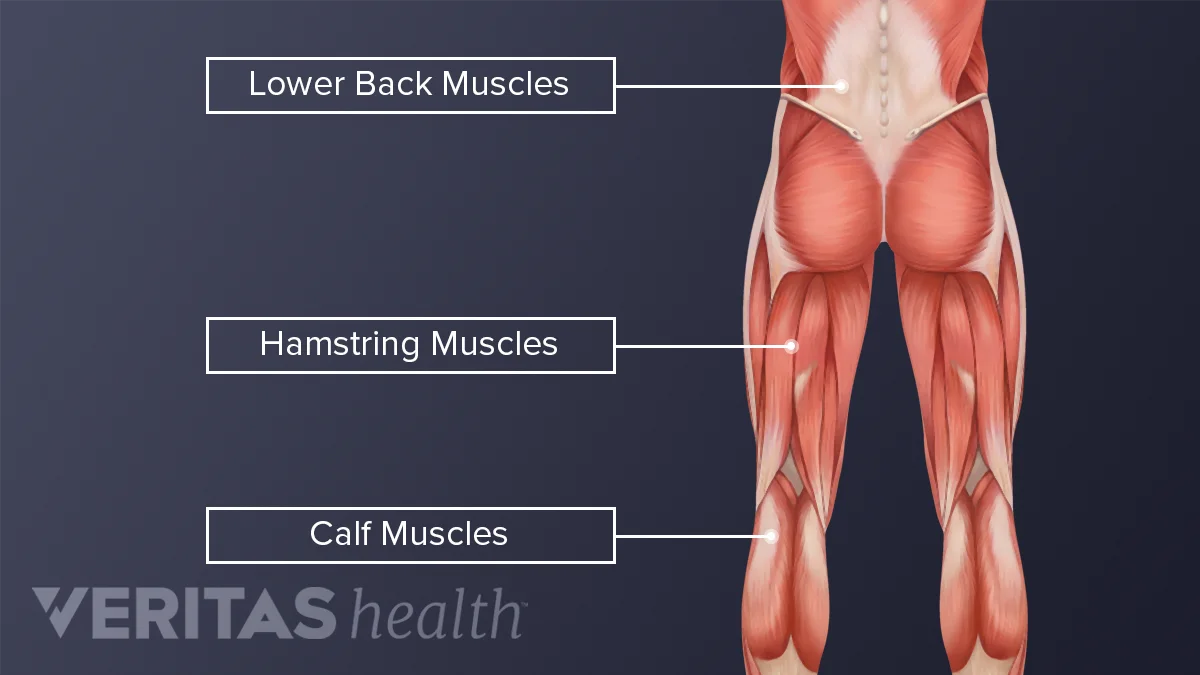
Credit: www.spine-health.com
Frequently Asked Questions
Can You Gain Muscle By Walking?
Walking can help with muscle tone but isn’t enough for significant muscle gain. Strength training is essential for building muscle. Walking boosts cardiovascular health, aiding overall fitness. Pair walking with exercises like squats or lunges for better results. Always consult a fitness expert for tailored advice.
How Long Should You Walk A Day To Build Muscle?
Walking alone won’t significantly build muscle. Combine it with strength training exercises. Aim for 30 minutes of brisk walking daily to support muscle-building efforts and improve overall health.
What Muscles Get Worked Out When You Walk?
Walking works out several muscles, including quadriceps, hamstrings, calves, glutes, and hip flexors. Core muscles also engage to maintain balance and posture. Regular walking enhances muscle endurance and strength, promoting overall fitness.
Can You Get Toned From Walking A Lot?
Yes, walking a lot can help you get toned. It strengthens muscles and burns calories. Regular walking can improve muscle definition, especially in the legs and core. Adding inclines or varied terrains enhances toning effects. Consistency and a balanced diet further aid in achieving a toned body.
Conclusion
Walking strengthens many muscles in the body. It targets the legs, especially the calves and thighs. Your glutes get a workout too. Walking helps tone the abdominal muscles. It supports better posture and balance. Regular walking boosts cardiovascular health. It also improves overall fitness and stamina.
Enjoy the simple benefits of walking daily. It’s a great way to stay active and healthy. So, lace up your shoes. Step outside and start walking. Every step counts towards stronger muscles and a healthier life. Keep moving, and your body will thank you!