Choosing the right size gym ball can be a game-changer for your fitness routine. It’s not just about picking any ball off the shelf; it’s about finding the perfect fit for you.
Imagine having a gym ball that enhances your workouts, improves your balance, and supports your posture. The right size can do all that and more. But how do you decide which one is best for you? With so many options out there, it can feel overwhelming.
Don’t worry; you’re not alone in this. In this guide, you’ll discover the secrets to picking the ideal gym ball size that caters to your needs, making your exercises more effective and enjoyable. Stay with us, and unlock the potential of your workouts.
Choosing The Right Gym Ball
Selecting the correct gym ball size depends on your height. A 55 cm ball suits those under 5’4″. For individuals between 5’4″ and 5’11”, a 65 cm ball is ideal. Taller users over 6′ should opt for a 75 cm ball.
Proper sizing ensures effective workouts and safety.
Choosing the right gym ball can make a significant difference in your workout routine. The size of the ball affects both comfort and effectiveness during exercises. Picking the correct size isn’t just about height, but also how you plan to use the ball. Let’s dive into the details to help you make the best choice.Understanding Gym Ball Sizes
Gym balls typically come in various sizes, usually ranging from 45 cm to 85 cm in diameter. Your height is a good starting point for selecting the right size. If you’re under 5’5″, a 55 cm ball might be suitable. For those between 5’6″ and 6’0″, consider a 65 cm ball. If you’re taller than 6’0″, a 75 cm ball could be the perfect fit.Consider Your Exercise Routine
Think about the types of exercises you’ll be doing. If you plan to use the gym ball primarily for sitting or desk work, a smaller size may suffice. However, for exercises like core workouts or stability exercises, you might need a larger ball for more range of motion.Test Before You Buy
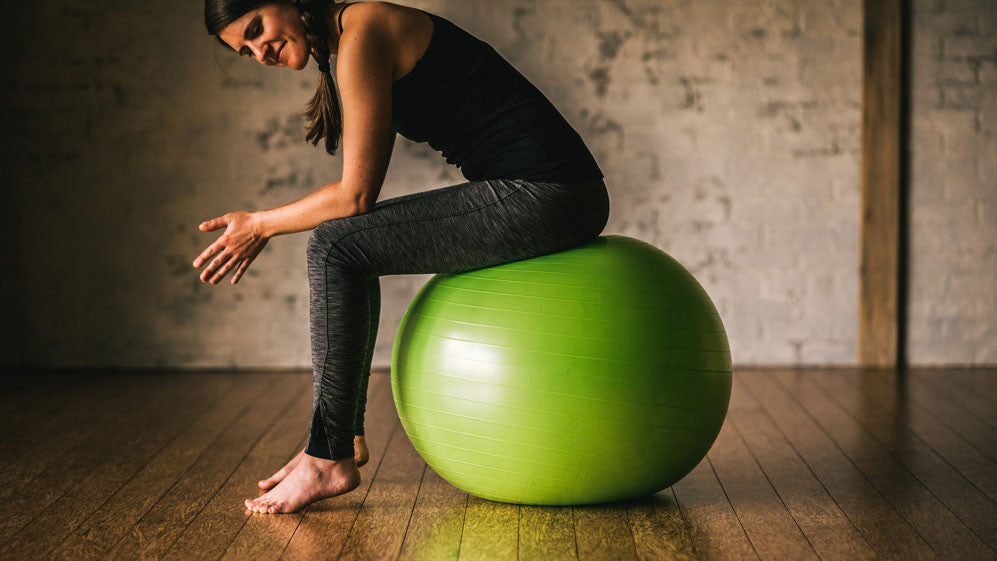
Whenever possible, try the gym ball in the store. Sit on it and see if your knees are at a 90-degree angle with your feet flat on the floor. This ensures the ball is the right size for sitting exercises and provides stability.Adjust For Inflation
Remember that you can adjust the firmness of your gym ball by adding or releasing air. A firmer ball offers more stability, while a softer one can be more challenging. Consider this if you are sharing the ball with family members of different sizes.Think About Storage Space
Finally, think about where you will store your gym ball. Larger balls can take up quite a bit of space. If storage is a concern, you might want to go for a slightly smaller size or one that can be easily deflated. Choosing the right gym ball isn’t just about numbers. It’s about how it feels when you use it. Next time you see a gym ball, think about your goals and how a simple choice can enhance your fitness journey. Wouldn’t it be great to feel confident in your workout gear?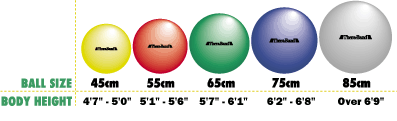
Credit: www.scottsevinsky.com
Importance Of Correct Sizing
Selecting the right gym ball size is crucial. It impacts workout effectiveness and safety. A wrongly sized gym ball can lead to discomfort. Even injuries might occur.
Correct sizing helps maintain proper posture. It also ensures balance during exercises. You can enhance your fitness routine with the right gym ball.
Understanding Gym Ball Sizes
Gym balls come in various sizes. Typically, sizes range from 45 cm to 85 cm. Choose based on your height and purpose.
Impact On Exercise Efficiency
A properly sized gym ball boosts exercise efficiency. It engages the right muscle groups. You can enhance core strength and stability.
Safety Considerations
Safety is vital during workouts. An improperly sized gym ball increases risk. Correct sizing minimizes the chance of falls.
Enhancing Posture And Balance
Good posture is essential. A well-sized gym ball helps achieve this. It promotes better balance during workouts.
Choosing The Right Size For Your Height
Height plays a significant role in gym ball choice. Use a size chart for guidance. It ensures you pick the perfect fit.
Consulting Experts
Seek advice from fitness experts. They can recommend the ideal gym ball size. Their guidance helps maximize workout benefits.
Factors Affecting Gym Ball Size
Choosing the right gym ball size is crucial for effective workouts. This decision depends on various factors. Understanding these helps you make the best choice. Consider your height, weight, and stability needs. This will guide you to the perfect gym ball.
Height Considerations
Your height plays a major role in selecting a gym ball. Taller individuals need larger balls. Shorter people should go for smaller sizes. Use your height to determine the best fit. A good rule of thumb helps: when sitting, thighs should be parallel to the floor.
Weight And Stability
Your weight affects the gym ball’s stability. Heavier users need more durable options. This ensures safety and performance. Lighter individuals may prefer softer balls. Stability also depends on inflation level. Proper inflation provides better support and balance.
Credit: www.gaiam.com
Standard Gym Ball Sizes
Choosing the right gym ball size depends on your height. Typically, 55 cm balls suit those under 5’6″, while 65 cm fit 5’6″ to 6′. Taller individuals might prefer a 75 cm ball for optimal comfort and support during exercises.
Choosing the right gym ball size is crucial for effective workouts and injury prevention. Whether you’re a fitness newbie or a seasoned athlete, understanding standard gym ball sizes can make your exercise routine more effective and enjoyable. Let’s dive into how to pick the perfect gym ball size for you. Standard gym balls generally come in three sizes: 55 cm, 65 cm, and 75 cm. Each size caters to different height ranges. The most common mistake is picking a ball that’s too big or too small. I made that mistake once and ended up feeling more like I was trying to balance on a bouncy castle than getting a workout! When you sit on your gym ball, your knees should be at a right angle. This ensures your posture is correct and prevents strain on your lower back. Have you ever felt your lower back aching during a workout? It might be because your gym ball size is off.Choosing The Right Size For Your Height
Here’s a simple rule of thumb: – 55 cm ball: Ideal for people under 5’5″. – 65 cm ball: Perfect for those between 5’5″ and 6’0″. – 75 cm ball: Best suited for people over 6’0″. These guidelines are not set in stone, but they offer a good starting point. You can always adjust based on comfort and specific workout needs.Consider Your Workout Goals
Think about what you want to achieve with your gym ball. Are you focusing on core strength or balance exercises? The size can affect your performance in different workouts. A smaller ball can increase the difficulty of balance exercises. It’s like trying to stand on a narrow log instead of a wide one. Which do you think would be more challenging?Test Before You Buy
If possible, test different sizes before making a purchase. Sit on each size to see which feels most comfortable. It’s like trying on shoes; you wouldn’t buy a pair without checking the fit first, right? When the store doesn’t offer this option, consider buying from a place with a good return policy. You can experiment at home and return it if needed.Your Experience Matters
Remember, your comfort and safety should be your top priority. If the ball feels awkward, it’s not right for you. Have you ever tried a new workout tool that just felt wrong? Trust that instinct. Choosing the right gym ball size can transform your workout experience. Make sure you’re getting the most out of your fitness routine by picking a ball that suits your height, goals, and comfort. So, what size will you try next?Sizing Chart Reference
Choosing the right gym ball size is crucial for effective workouts. A gym ball that’s too big or small can cause discomfort. It’s essential to select a size that aligns with your height. This ensures safety and maximizes your exercise benefits.
Height And Ball Size Correlation
Each height range corresponds to a specific ball size. For those under 4’10”, a 45 cm ball is ideal. If you are between 4’11” and 5’4″, opt for a 55 cm ball. Those from 5’5″ to 5’11” should use a 65 cm ball. Finally, those over 6 feet should select a 75 cm ball.
Using A Sizing Chart
Sizing charts simplify the selection process. They match your height with the recommended ball size. This ensures you choose the perfect fit for your needs.
Importance Of Proper Ball Inflation
Proper inflation affects the ball’s performance. A well-inflated ball supports your body correctly. Under-inflated balls may not provide the needed support. Ensure your ball is firm yet slightly yielding.
Consider Your Workout Type
Think about the exercises you plan to do. Some workouts need a specific ball size. This can also guide your choice, ensuring comfort and efficiency.

Credit: www.wikihow.com
Testing The Fit
Selecting the right gym ball size depends on your height. A ball should allow knees to be at a right angle when sitting. This ensures comfort and effectiveness during exercises.
Choosing the right size gym ball is crucial for maximizing your workouts and maintaining proper posture. Testing the fit of your gym ball ensures you get the most out of your exercise routine while avoiding discomfort or injury. But how do you know if your gym ball fits just right? Let’s explore some key elements to help you find your perfect match.Sitting Posture
When you sit on the gym ball, your posture should reflect that of a sturdy chair. Your back must be straight, and your shoulders relaxed. If you find yourself hunching over or leaning excessively, your gym ball might be too small or too large. Correct posture on the ball is essential for engaging your core muscles effectively. Can you feel your core working without strain? If the answer is yes, you’re on the right track.Leg Angle
The angle of your legs is another critical factor in determining the right gym ball size. Your knees should form a 90-degree angle with your feet flat on the floor. This ensures proper alignment and balance. If your knees are too high or too low, it’s time to reassess the size. A common mistake is choosing a ball that doesn’t allow for this natural alignment. Are your legs comfortable and stable when seated? This is a good indicator of the correct fit. A personal tip: I once chose a ball that was too small, resulting in constant readjustments and lack of focus during my workout. Learning from that, I now always check my posture and leg angle before starting. Don’t let a simple oversight disrupt your fitness journey. What size gym ball fits you perfectly? Testing the fit isn’t just about comfort—it’s about optimizing your workout and ensuring long-term health benefits.Adjustments For Different Exercises
Choosing the right gym ball size depends on your height and exercise goals. Smaller balls suit shorter individuals and targeted workouts. Larger ones offer stability for taller users and versatile exercises.
Choosing the right size gym ball is crucial for maximizing your workout benefits. But did you know that different exercises might require adjustments in how you use your gym ball? Whether you’re doing crunches, squats, or planks, adapting the ball for each exercise can help you target specific muscle groups more effectively. Let’s dive into how you can make these adjustments for a better workout experience.Adjusting Your Gym Ball For Crunches
Crunches are a popular exercise for strengthening the core. When using a gym ball, you can enhance your crunches by adjusting the ball’s position under your back. Try positioning the ball higher up, closer to your shoulders. This increases the difficulty and engages your upper abs more. You might find it challenging at first, but your core will thank you later. Have you ever felt the burn in your upper abs while doing crunches on the gym ball? That’s because you’re optimizing the exercise. Give it a try!Modifying The Ball For Squats
Squats are fantastic for your legs and glutes. Adding a gym ball to the mix can make this exercise more dynamic. Place the ball between your lower back and a wall. As you squat down, the ball rolls, offering support and helping maintain proper posture. Adjust the height of the ball to suit your comfort and balance. Have you tried squatting with a gym ball before? Notice the difference in your posture and stability. It’s an eye-opener for sure!Using The Ball For Planks
Planks are excellent for your core strength, but they can get monotonous. A gym ball can spice things up and increase the challenge. Place your forearms on the gym ball while holding a plank position. This forces your muscles to work harder to maintain balance, engaging your core even more. Ever felt your core shaking as you try to hold steady on a gym ball? It’s tough, but incredibly rewarding.Adapting The Ball For Push-ups
Push-ups on a gym ball can push your limits. By placing your hands on the ball instead of the floor, you add an element of instability. This adjustment requires your arms and core to stabilize throughout the movement, making the workout more intense. You might feel like you’re starting from scratch, but it’s a great way to build strength. Why not challenge yourself with push-ups on a gym ball? It’s a step up from the usual routine.Fine-tuning For Balance Exercises
Balance exercises benefit greatly from the use of a gym ball. Standing or sitting on the ball while performing exercises can help improve your balance and coordination. Try incorporating movements like single-leg stands or seated twists. Adjust the ball to ensure you’re stable but challenged. Ever wondered how balanced you really are? The gym ball is a fun way to test and improve that! Each exercise can be tailored by making slight adjustments to the gym ball’s position or your grip. This customization not only adds variety to your routine but also targets muscles more efficiently. Think about your workout goals. Could a simple adjustment with the gym ball make a difference? Give it a go and see the results for yourself!Common Mistakes In Sizing
Choosing the right gym ball size is crucial for effective workouts and injury prevention. Many people make the mistake of ignoring their height when selecting a ball. This often leads to improper posture and ineffective exercises. Make sure to match your height with the recommended ball size for optimal results.
Choosing the right size gym ball can be more challenging than it seems. Many people make common mistakes that can lead to discomfort or ineffective workouts. Understanding these mistakes will help you select the perfect gym ball for your fitness journey.Inflation Issues
One of the biggest mistakes is incorrect inflation. A gym ball that’s too soft or too hard can affect your stability and workout efficiency. If you’re sinking too deep into the ball, it’s under-inflated. Conversely, if it feels like you’re sitting on a rock, it’s over-inflated. You should feel a slight give when you press down, providing both support and comfort. Always use a pump to adjust the air to your preference.Ignoring Body Proportions
Another common oversight is ignoring your body proportions. It’s not just about your height; your leg length and torso also matter. A tall person with a short torso might need a different size than someone of the same height but with longer legs. Imagine trying to maintain balance while your knees are above your hips. It can strain your lower back and reduce the effectiveness of your workout. Test the ball by sitting on it—your knees should be at a right angle, and your feet should comfortably touch the ground. Have you ever chosen a gym ball based solely on height charts? It’s time to rethink and consider your unique body structure. The right gym ball should feel like an extension of your body, enhancing your workout, not hindering it.Expert Tips For Gym Ball Usage
Choosing the right gym ball size is crucial for effective workouts. A properly sized gym ball enhances your exercise routine and boosts comfort. Let’s dive into some expert tips to make the most of your gym ball.
Understanding Gym Ball Sizes
Gym balls come in various sizes, typically measured in centimeters. Common sizes include 55cm, 65cm, and 75cm. The right size depends on your height and exercise goals. Ensure your knees are at a right angle when seated on the ball.
Choosing The Right Inflation Level
Inflation affects the ball’s firmness and stability. A firmer ball provides more support during exercises. Adjust the inflation to match your comfort and needs. Use a pump to achieve the desired firmness.
Safety Tips For Gym Ball Exercises
Ensure your workout area is free of sharp objects. This prevents punctures and accidents. Always check the ball’s surface for wear and tear. Replace damaged balls immediately to maintain safety.
Incorporating Gym Ball In Daily Workouts
Gym balls can enhance various workouts, from core exercises to stretches. Use them in place of chairs to improve posture and balance. Experiment with different exercises to find what suits you best.
Maintaining Your Gym Ball
Keep your gym ball clean and dry after each use. Store it in a cool, safe place away from direct sunlight. Regular maintenance ensures a long lifespan and optimal performance.
Frequently Asked Questions
What Is The Most Common Size Exercise Ball?
The most common size exercise ball is 65 cm in diameter. This size suits individuals between 5’9″ and 6’2″. Exercise balls support various workouts, improving balance and flexibility. Choose the right size based on your height for optimal performance and comfort during exercises.
What Size Exercise Ball Is Best For Sitting At The Desk?
Choose a 65cm exercise ball for desk sitting if you’re between 5’5″ and 6’0″ tall. For those shorter, a 55cm ball works best. Taller individuals should consider a 75cm ball. Ensure your knees are at a 90-degree angle for optimal posture and comfort.
How To Measure Gym Ball Size?
Measure the gym ball size by checking its diameter. Inflate the ball, then use a tape measure. Align the tape from one end of the ball to the other across the center. Common sizes include 55cm, 65cm, and 75cm. Choose based on your height for optimal use.
Which Is Better 65cm Or 75cm Gym Ball?
Choose a 65cm gym ball if you’re under 5’8″ for optimal use. For those over 5’8″, a 75cm ball offers better comfort and support during exercises. Select based on your height for effective workouts.
Conclusion
Choosing the right gym ball size is crucial. It ensures safety and effectiveness. Remember, your height and purpose guide the size choice. A comfortable fit enhances exercise experience. Test the ball for firmness and stability. Keep it inflated properly. It helps maintain correct posture during workouts.
Consider consulting a trainer for precise advice. Avoid using a ball too small or too large. It can lead to discomfort or injury. The perfect gym ball supports your fitness journey. Invest wisely for better results. Stay active and enjoy your workouts!