Are you tired of sifting through endless advice on what to eat to burn fat and build muscle, only to end up more confused than when you started? You’re not alone.
With so much information out there, it can feel overwhelming to figure out the right foods to fuel your fitness goals. But imagine if you could easily understand and implement a nutrition plan that works for you. Picture yourself not only shedding unwanted fat but also gaining lean muscle that boosts your strength and confidence.
This isn’t just a dream—it’s entirely possible. In this guide, you’ll discover simple yet effective dietary choices that can transform your body. Ready to unlock the secrets to a fitter, stronger you? Keep reading, because the answers are right here.

Credit: www.instagram.com
Protein-packed Foods
Choosing protein-packed foods helps burn fat and build muscle. Lean meats like chicken and turkey provide essential nutrients. Eggs, beans, and Greek yogurt are great sources too.
When aiming to burn fat and build muscle, protein-packed foods are your best allies. They play a crucial role in repairing and building muscle tissues, while also keeping you full longer, which helps with weight management. But what are the best protein sources to include in your diet for these goals?Lean Meats
Lean meats are fantastic sources of high-quality protein. Think chicken breast, turkey, or lean cuts of beef. They’re not only delicious but also low in saturated fat compared to their fattier counterparts. Grilling or baking these meats can keep them healthy and flavorful. Have you ever tried marinating chicken in herbs and lemon juice? It’s a simple way to make a meal both tasty and nutritious.Fish And Seafood
Fish and seafood offer a double benefit: they are rich in protein and packed with omega-3 fatty acids, which are good for your heart and can aid fat loss. Salmon, tuna, and mackerel are excellent choices. They provide the necessary nutrients for muscle repair and growth. Have you considered making a salmon salad for lunch? It’s a quick meal that can keep you full and energized.Plant-based Proteins
Don’t overlook plant-based proteins if you’re aiming for muscle growth while burning fat. Options like lentils, chickpeas, and tofu can be just as effective as meat. They come with the added benefit of fiber, which aids in digestion and keeps you satisfied. Imagine making a hearty lentil stew or a chickpea curry. Not only are they filling, but they also diversify your protein intake. How are you incorporating these protein-packed foods into your meals? Each choice not only supports your fitness goals but can also bring new flavors and textures to your plate. Mix and match these options to keep your diet exciting and effective.Carbohydrates For Energy
Carbohydrates fuel your workouts, helping burn fat and build muscle. Choose whole grains, fruits, and vegetables. These foods provide sustained energy for exercise and recovery.
Carbohydrates are often misunderstood, especially when you’re aiming to burn fat and build muscle. Yet, they play a crucial role in fueling your workouts and aiding recovery. Choosing the right types of carbohydrates can make a significant difference in your fitness journey. They provide the energy needed to push through intense workouts and help your body recover afterward. So, what should you be eating to get the most out of your carbs?Whole Grains
Whole grains are a fantastic source of complex carbohydrates. They digest slowly, providing a steady release of energy throughout your day. This is essential for sustaining long workouts and maintaining energy levels. Consider adding foods like oatmeal, brown rice, and quinoa to your meals. These grains are rich in fiber, which keeps you feeling full longer and prevents overeating. A bowl of oatmeal before a workout can fuel your exercise without weighing you down. Have you tried swapping white bread for whole-grain bread? This simple change can improve your energy levels and keep you focused. Whole grains are packed with essential nutrients like B vitamins, which help convert food into energy.Fruits And Vegetables
Fruits and vegetables are not only packed with vitamins and minerals but also provide quick-digesting carbohydrates. They give you that immediate energy boost, perfect for a pre-workout snack. Bananas are a great choice. They are easy to digest and high in potassium, which helps maintain proper muscle function. Eating a banana before a workout can prevent cramps and keep you energized. Think about including a variety of colorful vegetables in your meals. Sweet potatoes, for example, are rich in complex carbohydrates and provide lasting energy. They are also high in antioxidants, which support muscle recovery. Do you often find yourself crashing mid-afternoon? Snacking on an apple or a handful of berries can keep your energy steady and prevent unnecessary snacking. Fruits and vegetables are nature’s fast food, offering convenience without compromise. Choosing the right carbohydrates is about balance and understanding what your body needs. Are you making the most of your carbs to achieve your fitness goals?Healthy Fats
Healthy fats play a crucial role in burning fat and building muscle. They provide energy, support cell growth, and protect organs. Healthy fats also aid in absorbing essential nutrients. Incorporating them into your diet can enhance your fitness journey. The right type of fat boosts metabolism and supports muscle growth. Explore these healthy fat options for a balanced diet.
Nuts And Seeds
Nuts and seeds are rich in healthy fats. Almonds, walnuts, and chia seeds are excellent choices. They provide omega-3 and omega-6 fatty acids. These nutrients help reduce inflammation and support heart health. Nuts and seeds offer protein, which aids in muscle repair. Snack on a handful for an energy boost.
Avocados
Avocados are a powerhouse of healthy fats. They contain monounsaturated fats, which are heart-friendly. Avocados are rich in vitamins and minerals. They support eye health and boost immune function. Add avocados to salads or smoothies for a creamy texture. Their healthy fats can improve skin health.
Olive Oil
Olive oil is a staple in healthy cooking. It is packed with monounsaturated fats. These fats help lower bad cholesterol levels. Olive oil is rich in antioxidants. It supports heart health and reduces inflammation. Use olive oil in dressings or for sautéing vegetables. Its healthy fats enhance the flavor of dishes.
Nutrient-dense Vegetables
Explore nutrient-dense vegetables to boost fat burning and muscle building. Kale, spinach, and broccoli offer essential nutrients. These veggies help fuel workouts and support muscle recovery, making them ideal for fitness goals.
Nutrient-dense vegetables are a cornerstone for anyone aiming to burn fat and build muscle. These power-packed foods provide essential vitamins, minerals, and fiber, all while being low in calories. Including them in your diet not only supports your fitness goals but also enhances overall health.Leafy Greens
Leafy greens like spinach, kale, and Swiss chard are true nutritional powerhouses. They are rich in antioxidants and provide an abundance of vitamins A, C, and K. Adding a handful of spinach to your morning smoothie or including kale in your salads can give your body the nutrients it craves without adding extra calories. If you’ve ever tried growing your own greens, you know how rewarding it feels to pick fresh leaves and toss them into your meal. Not only do you get the satisfaction of eating what you’ve grown, but you also ensure the freshness and quality of your produce. Have you considered trying this at home?Cruciferous Vegetables
Cruciferous vegetables such as broccoli, cauliflower, and Brussels sprouts are fantastic for burning fat and building muscle. They are high in fiber, which keeps you full longer and helps regulate your digestion. These veggies also contain compounds that have been linked to reducing the risk of chronic diseases. Roasting Brussels sprouts with a sprinkle of olive oil and your favorite herbs can turn them into a delicious side dish. Have you ever noticed how a simple change in cooking method can transform the taste of a vegetable you once disliked? Adding these nutrient-dense vegetables to your meals is a practical step towards achieving your fitness goals. Next time you’re at the grocery store, challenge yourself to pick up a vegetable you haven’t tried before. How might experimenting with new vegetables enhance your cooking and health journey?Hydration And Beverages
Hydration is a crucial yet often overlooked part of the journey to burning fat and building muscle. What you drink can greatly impact your body’s ability to shed unwanted pounds and develop those coveted muscles. While it’s tempting to focus solely on food, beverages play a significant role in your fitness success. So, what should you be sipping to enhance your workout results? Let’s dive into the power of hydration and the beverages that can support your goals.
Water
Water is your best friend when aiming to burn fat and build muscle. Staying hydrated aids in digestion and keeps your muscles working efficiently. But here’s a quick tip: drinking cold water can slightly boost your metabolism as your body works to warm it up. Next time you grab a glass of water, consider adding ice cubes. How much water should you drink? Aim for at least eight glasses a day, but listen to your body. If you’re sweating profusely during workouts, you might need more. Feeling sluggish? Grab a glass of water before reaching for a snack. Sometimes, thirst can masquerade as hunger.
Green Tea
Green tea is a powerhouse beverage that can aid in fat loss. It contains antioxidants called catechins, which help boost metabolism and increase fat burning. If plain green tea isn’t your cup of tea, try adding a slice of lemon or a dash of honey for flavor. Drinking green tea before a workout may give you a slight edge. The caffeine content can enhance your performance and keep fatigue at bay. Ever tried replacing your afternoon coffee with green tea? You might find it refreshing and energizing without the jitters.
Protein Shakes
Protein shakes are not just for bodybuilders; they’re beneficial for anyone looking to build muscle. They provide the necessary protein to repair and grow muscles after workouts. Consider having a protein shake within 30 minutes post-exercise. Need a quick breakfast or snack? Blend a scoop of protein powder with your favorite fruits and a cup of milk or water. Wondering which protein powder to choose? Whey protein is popular for its quick absorption, but plant-based options like pea or hemp protein are great alternatives. Always check the labels for added sugars, and keep it simple.
So, what are you drinking to fuel your fitness journey? Whether it’s a simple glass of water or a protein-packed shake, your beverage choices can significantly impact your progress. Stay mindful of what you sip and watch how these drinks can drive your transformation.
Timing And Portions
Eating the right foods is crucial for burning fat and building muscle. Timing and portions play a vital role in this process. Proper timing ensures your body gets the nutrients it needs at the right moments. Portion control helps maintain a balanced diet without overindulging. Both elements work together to support your fitness goals.
Meal Frequency
Eating more often can boost metabolism and control hunger. Aim for five to six small meals daily. This keeps energy levels steady and prevents overeating. Smaller, frequent meals also promote muscle growth and fat burning. Plan meals around workouts for maximum benefit.
Portion Control
Watch your portions to avoid consuming too many calories. Use a small plate to help control serving sizes. Fill half the plate with vegetables, one-quarter with protein, and one-quarter with whole grains. This simple rule ensures a balanced meal. Measure portions to stay on track and avoid mindless eating.
Supplements
Choosing the right supplements can support your fitness goals. They help burn fat and build muscle. Supplements fill nutritional gaps in your diet. They provide essential nutrients your body needs.
Protein Supplements
Protein supplements help you gain muscle. They provide necessary amino acids. These acids repair and grow muscle tissue. Whey protein is popular for its quick absorption. Soy and pea protein are good plant-based options. Consuming protein after workouts aids muscle recovery.
Omega-3 Fatty Acids
Omega-3 fatty acids support muscle growth and fat loss. They reduce inflammation in the body. This helps muscles recover faster after exercise. Fish oil is a common source of Omega-3. You can also find it in flaxseeds and walnuts. Adding Omega-3 can improve overall health.
Branched-chain Amino Acids (bcaas)
BCAAs are vital for muscle synthesis. They include leucine, isoleucine, and valine. These amino acids enhance muscle growth. They also decrease muscle soreness after workouts. BCAAs can be taken before or after exercise. They provide energy and reduce fatigue. This makes them useful for intense training sessions.

Credit: www.pinterest.com
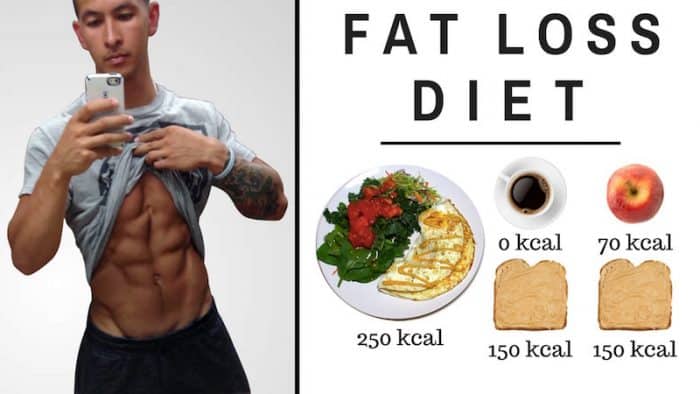
Credit: builtwithscience.com
Frequently Asked Questions
What Diet Is Best For Fat Loss And Muscle Gain?
A balanced diet rich in protein, healthy fats, and complex carbs supports fat loss and muscle gain. Prioritize lean meats, fish, whole grains, fruits, and vegetables. Stay hydrated and eat smaller, frequent meals. Adjust calorie intake according to goals and exercise intensity for optimal results.
Can You Lose Fat And Build Muscle At The Same Time?
Yes, you can lose fat and build muscle simultaneously. Focus on strength training and consuming enough protein. Maintain a calorie deficit for fat loss while ensuring nutrient intake supports muscle growth. Consistency and a well-balanced diet play crucial roles in achieving these goals effectively.
What Is The Fastest Way To Lose Body Fat And Gain Muscle?
Combine strength training with high-intensity interval workouts to lose fat and gain muscle quickly. Consume protein-rich foods and maintain a balanced diet. Stay hydrated to enhance metabolism. Prioritize sleep for optimal recovery and growth. Track progress and adjust your routine for continuous improvement.
What To Eat To Lose Belly Fat?
Eat whole grains, lean proteins, and healthy fats to lose belly fat. Include vegetables, fruits, and fiber-rich foods. Drink plenty of water and avoid sugary drinks. Limit processed foods and alcohol. Pair your diet with regular exercise for effective results.
Prioritize balanced meals and portion control for sustainable fat loss.
Conclusion
Choosing the right foods helps you burn fat and build muscle. Lean proteins are essential for muscle growth. They also help with recovery. Whole grains provide energy for workouts. Vegetables and fruits offer vitamins. They support muscle repair. Healthy fats are important too.
They keep your body fueled. Stay hydrated to improve performance. Water aids in digestion and recovery. Small changes in your diet make a big difference. Balance is key for results. Listen to your body. Adjust as needed. Remember, patience is part of the process.
Your efforts will pay off over time. Stay committed to your goals.