Are you getting ready for your first adventure at the rock climbing gym? Or perhaps you’re a seasoned climber looking to up your style game?
Either way, what you wear can make or break your climbing experience. It’s not just about looking good—though that’s a bonus—but about feeling comfortable, safe, and ready to tackle any route. Imagine climbing with ease, your clothes moving with you, not against you.
This is where the right attire can elevate your performance and confidence. Curious about what essentials should make it to your climbing checklist? Let’s dive into the nitty-gritty details that will prepare you for an exhilarating climb, keeping you focused on reaching the top and having fun. Keep reading to uncover the secrets to dressing for success at the rock climbing gym!
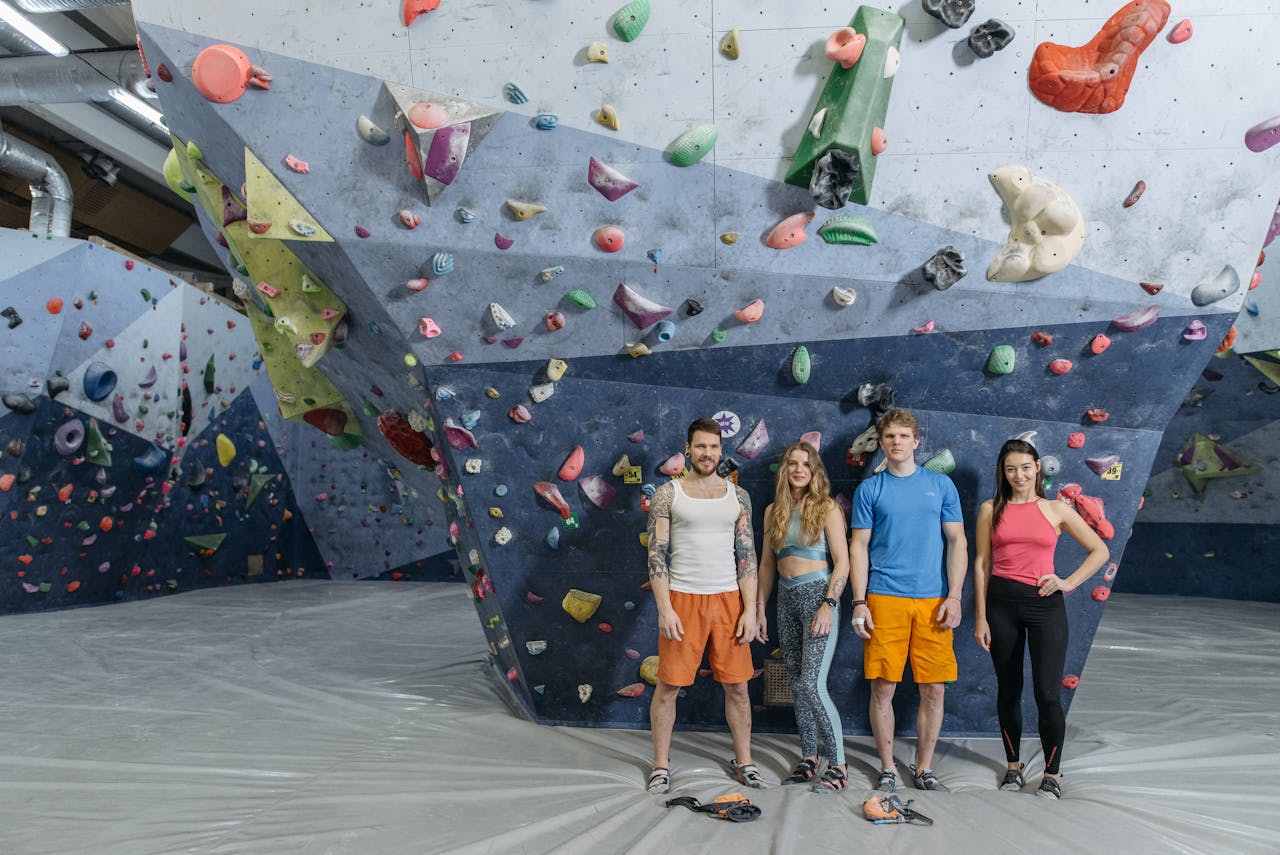
Credit: rockspotclimbing.com
Choosing The Right Climbing Shoes
Selecting the perfect climbing shoes is essential for a comfortable experience at the rock climbing gym. Opt for shoes that provide snug support, ensuring safety and enhanced grip on various surfaces. Prioritize comfort and fit to boost your climbing performance.
Choosing the right climbing shoes can make or break your rock climbing experience. Whether you’re scaling a wall for the first time or are a seasoned climber, the right pair of shoes is crucial for comfort and performance. Imagine slipping and losing grip just because your shoes aren’t up to par. So, what should you look for?Fit And Comfort
Comfort is king when picking climbing shoes. They should feel snug but not painfully tight. You want your toes to be close to the end but not crammed in. Try walking around the gym to see how they feel over time. Are you wondering if tight shoes are better for climbing? The truth is, overly tight shoes can lead to discomfort and affect your climbing performance. A well-fitted shoe helps you feel the wall and maintain better control.Types Of Climbing Shoes
There are mainly three types: neutral, moderate, and aggressive. Neutral shoes are great for beginners—they’re comfortable and versatile. Moderate shoes offer a balance of comfort and performance, ideal for intermediate climbers. Aggressive shoes are for advanced climbers who need precision for challenging routes. Each type serves a specific purpose. If you’re just starting, neutral shoes will give you all-day comfort. As you progress, you might find moderate shoes help you tackle steeper walls better.Material Considerations
Climbing shoes come in various materials like leather, synthetic, and lined. Leather shoes stretch over time, giving a custom fit. Synthetic shoes maintain their shape but may not breathe as well. Lined shoes offer minimal stretch and are great for consistent performance. Think about your climbing environment. If you’re in a hot gym, breathable materials can help keep your feet cool and dry. If you’re in a humid area, lined shoes might be the way to go for consistent fit. Choosing climbing shoes might seem daunting, but taking time to consider fit, type, and material makes all the difference. Are you ready to find the perfect pair to enhance your climbing experience?Selecting Climbing Apparel
Selecting the right apparel for rock climbing is essential. Comfort and safety depend on it. Appropriate clothing enhances your climbing experience. It allows you to focus on the climb. With many options available, choosing wisely is crucial.
Breathable Fabrics
Breathable fabrics are important in climbing apparel. They keep you cool during intense climbs. Sweat can be distracting. Fabrics that wick moisture are ideal. Cotton is not recommended. Choose materials like polyester or nylon. They offer better airflow and moisture control.
Flexibility And Range Of Motion
Climbing demands flexibility. Apparel should allow unrestricted movement. Tight clothing can hinder your climb. Stretchy materials like spandex are beneficial. They provide comfort and freedom. Loose-fitting clothes are also effective. They ensure you can stretch and reach comfortably.
Weather Adaptability
Indoor gyms may have varying temperatures. Choose clothes that adapt to different conditions. Layering is a smart strategy. It helps manage temperature changes. Lightweight jackets or hoodies are useful. They keep you warm without overheating. Always be prepared for fluctuating conditions.
Harness Essentials
Choosing the right outfit for a rock climbing gym enhances comfort and performance. Opt for breathable fabrics like cotton or nylon. Ensure your clothes fit snugly to avoid interference with your harness.
When you’re gearing up for the rock climbing gym, choosing the right harness is crucial. It’s not just about safety; it’s about enhancing your climbing experience. A good harness will offer you the confidence to push your limits and enjoy the climb without distraction.Safety Features
Safety is paramount when selecting a harness. Look for features like reinforced tie-in points and strong buckles. These elements are essential for ensuring that the harness can withstand the forces during a fall. Double-check that the harness meets international safety standards. This ensures reliability and peace of mind. Have you ever felt that slight panic when your gear doesn’t feel secure? Avoid that by prioritizing safety features.Comfort And Adjustability
Comfort plays a significant role in your climbing experience. A harness that chafes or pinches can quickly turn an exciting climb into an uncomfortable ordeal. Consider harnesses with padded leg loops and waistbands. Adjustability is equally important. The ability to fine-tune the fit of your harness can make a big difference. Adjustable leg loops and waist belts help cater to different body shapes and clothing layers. Think about the last time you adjusted your harness mid-climb. Was it easy, or did it take too much effort? An adjustable harness should make your life simpler, not more complicated.Types Of Harnesses
Harnesses come in various types, each suited for different climbing styles. A sport climbing harness is typically lightweight and streamlined. This is perfect if you’re planning quick ascents. For those who enjoy longer climbs or multi-pitch routes, a harness with extra padding and gear loops might be ideal. These features help distribute weight and provide space for additional equipment. If you’re into gym climbing, a basic gym harness is usually sufficient. It offers enough comfort and support without extra features that you might not need indoors. Each type of harness has its advantages and knowing your climbing style helps in making the right choice. Which type suits your climbing ambitions? Make sure your harness complements your climbing goals and enhances your performance.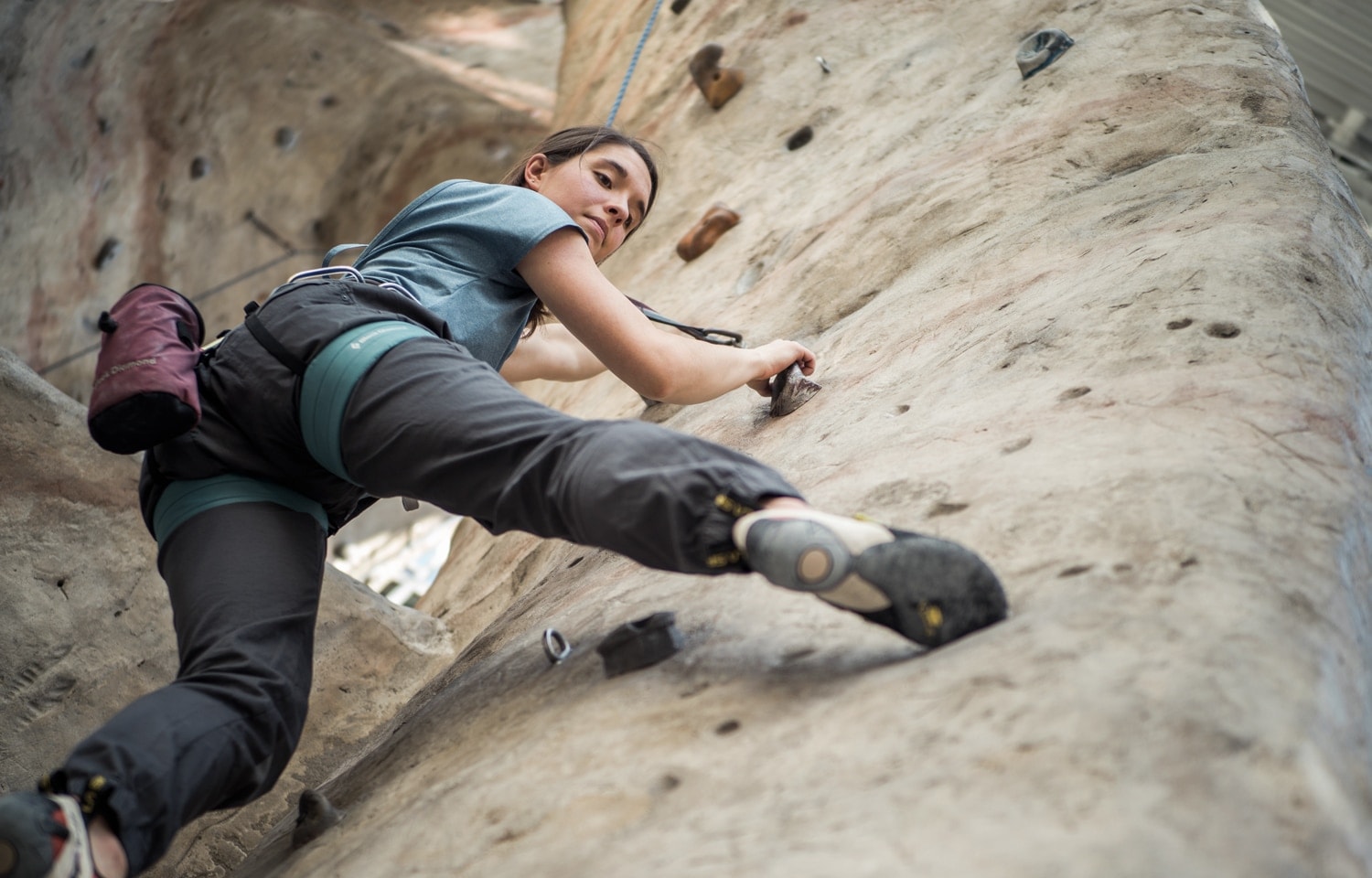
Credit: www.rei.com
Chalk And Chalk Bags
Chalk and chalk bags play a vital role in rock climbing. Climbing demands grip and confidence, and chalk ensures your hands stay dry. Chalk bags keep the chalk handy, making your climb smoother and safer.
Benefits Of Using Chalk
Chalk absorbs moisture from your hands. This boosts grip on holds and reduces the risk of slips. It enhances your climbing performance and safety. Using chalk can also prolong your climbing session by keeping your hands dry.
Types Of Chalk
Climbing chalk comes in various forms. Powder chalk is the most common type. It offers good grip and coverage. Block chalk is compact and easy to carry. Liquid chalk is less messy and dries quickly. Choose based on your preference and climbing style.
Choosing A Chalk Bag
A good chalk bag is essential for climbing. Bags come in various sizes and styles. Pick a size that holds enough chalk for your session. Look for bags with adjustable straps for comfort. Some bags have pockets for storing small items. Select a bag that suits your needs and personal taste.
Belay Devices And Carabiners
Rock climbing gyms require specific gear. Belay devices and carabiners are essential for safety. Wear comfortable, flexible clothing.
Rock climbing is an exhilarating sport that requires the right gear to ensure safety and enhance performance. Among the essential equipment are belay devices and carabiners. These tools not only serve as your lifeline but also play a crucial role in your climbing experience. Understanding how to choose and use them effectively can make all the difference in your climbing adventure.Functionality And Safety
Belay devices are designed to control the rope during climbing, allowing you to safely lower a climber or arrest a fall. Their functionality directly impacts your safety. Imagine you’re climbing with a friend—your belay device is the key tool that ensures their safety while they climb. A reliable device gives you peace of mind and lets you focus on the thrill of the climb. Safety is paramount. Check your belay device regularly for wear and tear. A worn-out device can lead to accidents. Always ensure it’s compatible with your climbing rope and other gear. Double-checking these aspects is a simple step that can prevent mishaps.Types Of Belay Devices
There are various types of belay devices, each suited for different climbing styles and preferences. Tube-style devices are popular for their simplicity and versatility. They work well for beginners and experienced climbers alike. Assisted-braking devices offer an added layer of security. They automatically grip the rope in case of a fall, reducing the risk of accidents. These devices are perfect if you’re looking for extra safety measures, especially when climbing indoors. Explore what works best for your climbing style. Try different devices to find the one that feels most comfortable and secure in your hands.Choosing The Right Carabiners
Carabiners are another essential piece of climbing gear. They connect various parts of your climbing setup, from the harness to the rope. Choosing the right carabiner is crucial for safety and ease of use. Consider the shape and size of the carabiner. Smaller carabiners are lightweight, making them easy to carry during long climbs. Larger ones are easier to handle, especially when wearing gloves. Locking mechanisms are vital. Screw-lock carabiners offer manual control, while auto-lock carabiners provide quick security. Which suits your style better? Test your carabiners before climbing. Ensure they close smoothly and lock securely. This simple check can save you from unnecessary risks. What belay devices and carabiners have you found most effective? Share your experiences and insights. Engaging with fellow climbers can lead to discovering new tools and techniques, enhancing your climbing experience.
Credit: www.senderoneclimbing.com
Additional Gear Considerations
When you step into the rock climbing gym, you’re not just gearing up for a workout—you’re preparing for an adventure. Beyond the basics like climbing shoes and chalk, there are additional gear considerations that can enhance your experience. These items might not be at the top of your list, but they can make a significant difference in comfort, safety, and performance.
Climbing Gloves
Ever felt like your hands were on fire after a climbing session? Climbing gloves can help with that. They protect your palms and fingers from rough surfaces and reduce the risk of blisters. Some climbers prefer full gloves, while others opt for fingerless versions for better grip.
Test a few pairs to find what works for you. Consider the material—leather or synthetic—and ensure they fit snugly but comfortably. Gloves can be a game-changer, especially if you’re tackling long routes. Wouldn’t it be nice to focus on your climb rather than your hands?
Protective Headwear
While helmets are a staple for outdoor climbing, they can be handy in a gym too. If you’re trying out new moves or bouldering near others, a helmet provides an extra layer of safety. It’s not just about protecting from falls; it’s also about safeguarding against stray equipment or accidental bumps.
Look for lightweight, breathable helmets designed for climbing. They should fit well without shifting during movement. Some climbers skip this gear, but why risk it when a helmet can offer peace of mind?
Climbing Accessories
Accessories can range from useful to essential. Consider a belay device for smoother belaying or a chalk bag that clips to your waist. These items might seem small, but they contribute to a seamless climbing experience.
Think about adding a small first-aid kit to your gear. You never know when a scrape or cut might happen. Accessories can be as personal as your climbing style—choose what enhances your climb.
So, what gear will you add to your climbing kit next time? Every piece has the potential to elevate your climbing adventure. Don’t just climb—climb smart!
Preparing For Indoor Climbing
Choosing the right outfit for rock climbing makes your adventure comfortable and safe. Wear breathable clothes that allow easy movement. Ensure climbing shoes fit snugly for grip and control.
Rock climbing indoors is a thrilling adventure that challenges both your mind and body. It’s a sport where preparation is key, especially when it comes to your attire. The right clothing can make your climbing experience more comfortable and enjoyable. Are you ready to gear up for your next indoor climbing session? Here’s what you need to know about preparing for indoor climbing.Safety Tips
Safety is paramount when you’re rock climbing indoors. Wear snug clothing that won’t get caught in climbing holds. Loose fabrics can be hazardous. Opt for breathable materials that wick moisture away. This keeps you dry and comfortable. Climbing shoes are crucial. They provide grip and support. Choose shoes that fit well to avoid injuries. Remember, a helmet is not typically needed indoors, but it’s always good to check with your gym’s safety guidelines.Training Gear
The right gear can enhance your climbing performance. Look for harnesses that are adjustable and padded. This ensures comfort during long climbs. Chalk is your best friend for gripping holds. Invest in a chalk bag that attaches to your harness. Wear lightweight and stretchy pants. They allow freedom of movement. T-shirts made of synthetic fabrics are ideal. They help regulate your body temperature.Warm-up And Cool Down
Starting your session with a warm-up is essential. It prepares your muscles and reduces the risk of injury. Simple stretches can do wonders. Focus on your arms, legs, and back. A few jumping jacks or a short jog will get your blood flowing. After climbing, a cool down is equally important. Stretch again to ease muscle tension. Hydrate to replenish lost fluids. Have you ever felt the difference a proper warm-up makes? It can be the key to a successful climb. Thinking about your next climbing adventure? Make sure you’re prepared from head to toe. What you wear to the gym can impact your climb. So, why not make it count?Frequently Asked Questions
What Should I Wear To A Rock Climbing Gym?
Wear comfortable, flexible clothing like athletic shorts or leggings and a moisture-wicking t-shirt. Opt for climbing shoes for better grip. Avoid loose clothing that might catch on holds. Bring chalk to keep hands dry.
Should I Wear Leggings Or Shorts For Rock Climbing?
Wear leggings for flexibility and protection against scrapes. Shorts are cooler but offer less coverage. Choose based on comfort and weather conditions.
Do You Wear Shoes At A Rock Climbing Gym?
Yes, wear climbing shoes at a rock climbing gym. They provide grip and support for safer climbing. Regular shoes aren’t suitable for climbing walls. Most gyms rent or sell climbing shoes if you don’t own a pair. Always check the gym’s specific shoe policies before visiting.
What Clothing Do I Need For Rock Climbing?
Wear breathable, moisture-wicking clothing for comfort. Opt for flexible pants or shorts to ensure easy movement. Choose a fitted top to avoid snagging. Use climbing shoes with good grip and support. Layering is essential for varying temperatures. Consider chalk bags and helmets for safety and performance enhancement.
Conclusion
Choosing the right climbing gear boosts your confidence and comfort. Start with essentials: durable pants, breathable tops, and sturdy shoes. Always prioritize safety and flexibility. Choose clothing that allows free movement. Consider moisture-wicking fabrics to stay dry. Avoid loose clothing; it can snag easily.
Layering helps in adjusting to gym temperatures. Pack a chalk bag for grip. Invest in gear that fits well and lasts long. Comfort and practicality enhance your climbing experience. Dress smart, climb smart, and enjoy every challenge at the rock climbing gym.
Happy climbing!