Imagine transforming a corner of your home into a personal fitness sanctuary. No crowded gyms, no waiting for equipment—just you and your own space dedicated to health and wellness.
Are you ready to create the ultimate home gym but unsure where to start? You’re not alone, and you’re in the right place. This guide is designed with you in mind, offering practical tips and insights into what you need to set up a home gym that fits your lifestyle and goals.
Whether you’re aiming for weight loss, muscle gain, or simply staying active, we’ll walk you through the essentials, making sure you invest wisely and avoid common pitfalls. Picture yourself achieving your fitness goals in the comfort of your own home. Let’s dive in and explore how you can make this vision a reality, turning your home gym dream into a rewarding experience.
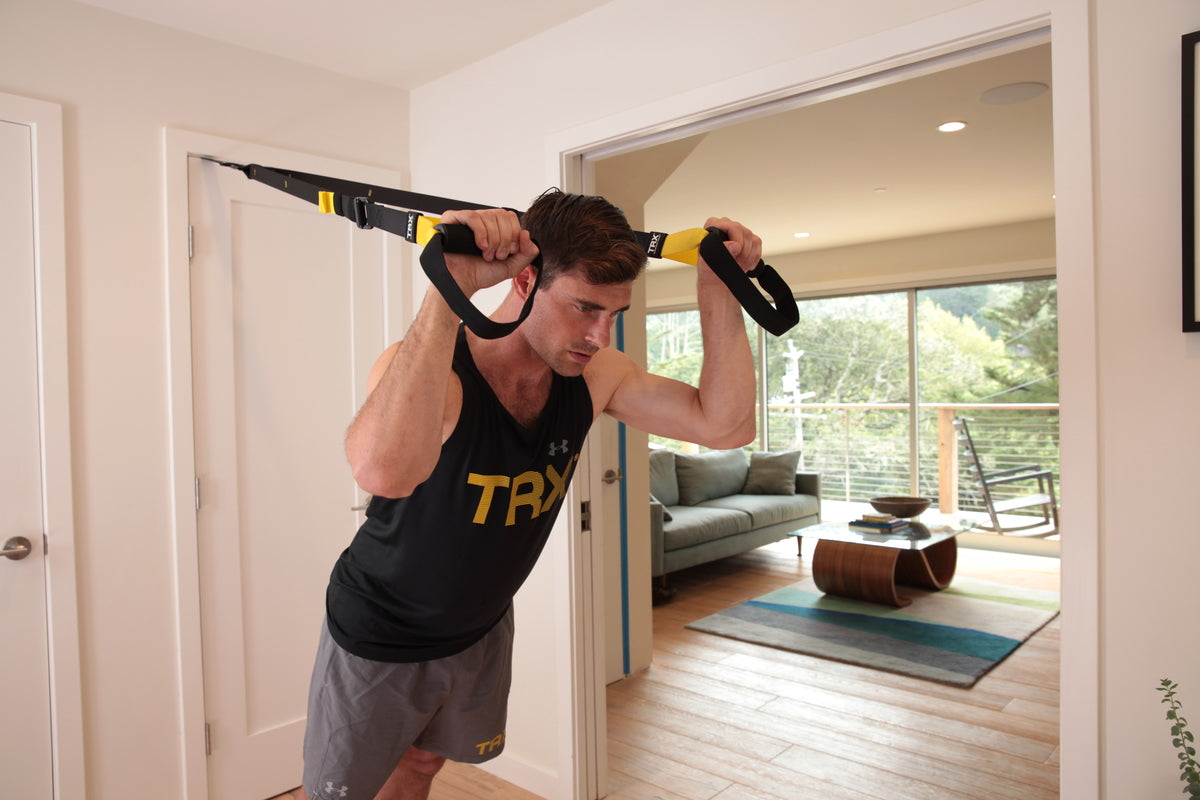
Credit: www.trxtraining.com
Space Planning
Creating a home gym requires careful space planning to maximize functionality. Consider equipment size, layout, and storage solutions to ensure smooth workouts. Select versatile machines and design an open area for exercises.
Creating a home gym is an exciting venture, but it starts with effective space planning. The right layout can elevate your workout experience and maximize your investment. Whether you live in a sprawling house or a cozy apartment, proper planning ensures you make the most of every square inch.Choosing The Right Location
The first step is deciding where your home gym will reside. Consider areas with good ventilation and natural light, like a spare bedroom or basement. Think about noise levels too; you might not want your treadmill shaking the living room floor. If space is tight, think creatively. A corner of your garage or even a section of your living room can work. It’s all about finding a spot that fits your lifestyle and keeps you motivated.Calculating Space Requirements
Once you’ve chosen a location, it’s time to calculate how much space you’ll need. Start by listing the equipment you plan to use. Free weights, a yoga mat, and a jump rope require minimal space, while a multi-station gym or treadmill demands more. Measure each piece of equipment and ensure you have enough room for safe usage and movement. Don’t forget to account for your own space when exercising. Can you comfortably stretch or do a jumping jack? Think about future additions. Will you want to add a rowing machine or a stationary bike down the line? Planning for growth now can save headaches later. Space planning is not just about fitting in equipment; it’s about creating an environment that motivates and energizes you. What small adjustments can you make today to start your home gym journey?
Credit: www.youtube.com
Budgeting For Your Gym
Creating a home gym is an exciting venture, but it’s crucial to approach it with a solid budget plan. You don’t want to overspend and end up with equipment you barely use. Instead, focus on allocating your resources wisely. This way, you can build a gym that suits your needs without breaking the bank. Let’s dive into how to budget effectively for your home gym.
Estimating Costs
Start by identifying the essential equipment you need. Are you more into cardio, strength training, or a mix? Each category has different cost implications. For instance, a quality treadmill might set you back a few hundred dollars, while a set of dumbbells can be much cheaper. Make a list of what you need and research average prices to get a ballpark figure.
Consider additional costs such as flooring, mirrors, and storage solutions. These elements can enhance your workout environment significantly. Tally up these costs to get a realistic budget. Remember, it’s better to overestimate slightly to accommodate unexpected expenses.
Finding Deals And Discounts
Once you’ve estimated your costs, it’s time to hunt for deals. Check online marketplaces, fitness equipment stores, and even garage sales. You might be surprised at the bargains you can find. Look out for seasonal discounts—Black Friday, New Year sales, and other events often offer significant savings.
Leverage social media and community groups where people might sell equipment they no longer need. Buying second-hand can be a smart move if the equipment is still in good condition. Additionally, some retailers offer discounts for bundled purchases or loyalty programs. Don’t hesitate to ask about these options.
Budgeting for your gym is all about balancing your fitness goals with financial realities. Have you considered what sacrifices you’re willing to make for your dream gym?
Cardio Equipment
Cardio equipment like treadmills and stationary bikes are essential for a home gym. These machines help improve heart health and fitness. They offer a convenient way to stay active without leaving home.
Cardio equipment is essential for a home gym. It boosts heart health and burns calories. Cardio machines vary in design and function. Each offers unique benefits. Selecting the right one is vital for your fitness goals. Let’s explore popular options.Treadmills And Ellipticals
Treadmills are a staple in home gyms. They offer a dynamic workout. Walking or running is simple and effective. Many treadmills have adjustable speeds. Some include incline features for variety. Ellipticals are low-impact machines. They engage multiple muscle groups. Smooth motion minimizes joint stress. Perfect for a full-body workout. Both are excellent for endurance training.Exercise Bikes
Exercise bikes are compact and versatile. They are great for cardio workouts. Bikes come in upright or recumbent styles. Upright bikes resemble regular bicycles. They provide an intense workout. Recumbent bikes offer back support. More comfortable for long sessions. Ideal for users with joint concerns. Many have programmable settings for resistance.Rowing Machines
Rowing machines deliver full-body exercise. They mimic the motion of rowing. This engages arms, legs, and core. Rowing is low-impact yet high-intensity. It improves strength and endurance. Machines often have adjustable resistance. This caters to different fitness levels. Rowing is excellent for cardiovascular health. Perfect for burning calories efficiently.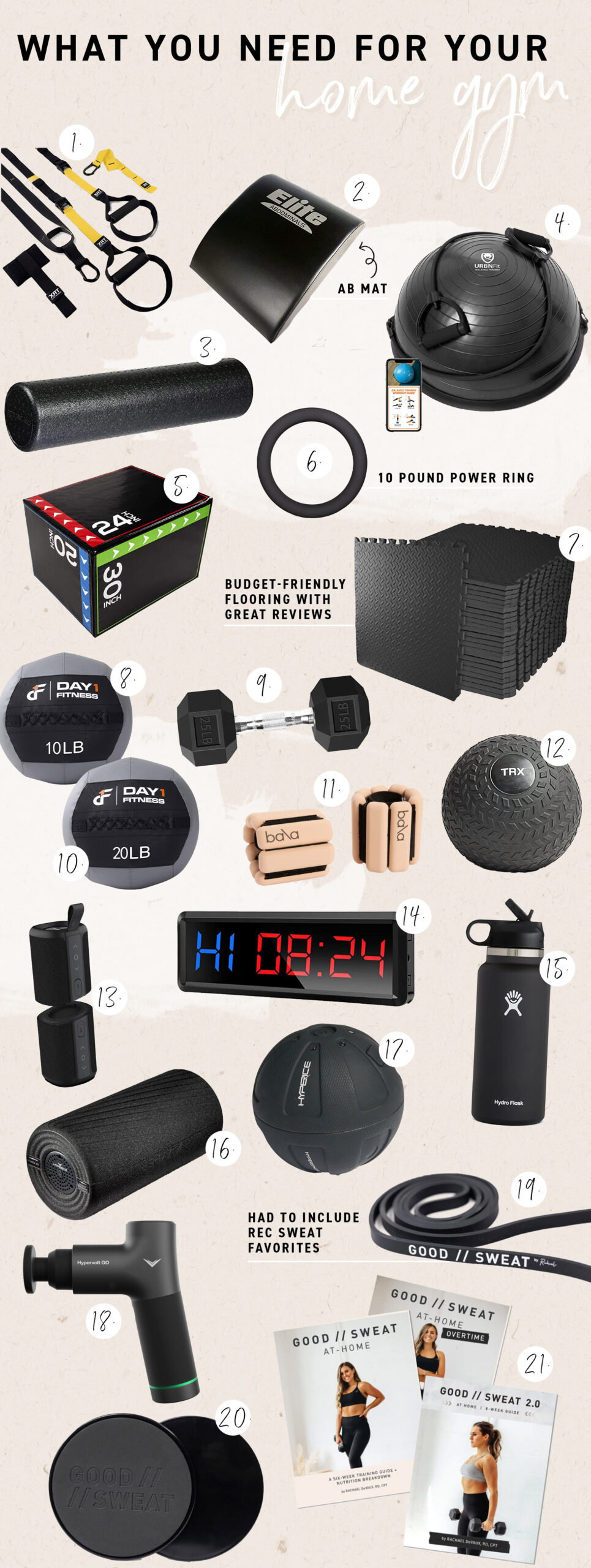
Credit: rachaelsgoodeats.com
Strength Training Essentials
Creating a home gym requires a few essentials for effective strength training. Dumbbells, resistance bands, and a sturdy bench provide versatility in workouts. A yoga mat and foam roller add comfort and support during exercises.
Strength Training Essentials Creating a home gym that caters to your strength training needs can be both exciting and rewarding. Knowing the essentials can make your workouts more effective and enjoyable. Whether you’re a seasoned lifter or just starting, having the right equipment can make all the difference.Free Weights And Dumbbells
Free weights and dumbbells are the backbone of any strength training routine. They offer versatility, allowing you to target various muscle groups with ease. Imagine the satisfaction of increasing your weights over time, seeing your strength build visibly. Start with a set of adjustable dumbbells. They save space and money while providing a range of weights to work with. If you’re unsure of where to begin, a simple set of 5 to 50 pounds can be a great start.Resistance Bands
Resistance bands are often underestimated in strength training. However, they provide a unique challenge by maintaining constant tension on your muscles. They’re perfect for those who want to add variety without breaking the bank. They are portable, making it easy to squeeze in a quick workout wherever you are. Plus, they’re excellent for stretching and rehabilitation, adding value beyond just strength training.Weight Bench
A weight bench can transform your home gym. It opens up a world of exercises like bench presses, flys, and rows. Investing in an adjustable bench gives you the flexibility to perform both incline and decline exercises, maximizing your workout potential. Consider the space you have available. A foldable bench can be a great option if you’re short on room but still want to enjoy the benefits of a comprehensive strength training setup. Are you ready to enhance your home gym with these essentials? They can help you achieve your fitness goals and keep you motivated.Flexibility And Core Tools
Flexibility and core tools are essential for a home gym setup. Include resistance bands, yoga mats, and stability balls for diverse workouts. These tools enhance strength and improve balance effectively.
Creating a home gym is a rewarding endeavor, and one area that often gets overlooked is flexibility and core tools. These tools not only enhance your workout but also help in preventing injuries and improving your overall physical health. By focusing on flexibility and core strength, you build a strong foundation for all other fitness activities.Yoga Mats
Yoga mats are a staple in any home gym. They provide a comfortable, non-slip surface for stretching, yoga, and Pilates exercises. A good quality mat can make all the difference in maintaining balance during poses or exercises. It’s not just about comfort; it’s about creating a space that invites you to take a moment for yourself. Have you ever tried a quick meditation session on your mat after a workout? It can be a game-changer for your mental clarity.Stability Balls
Stability balls are versatile tools that add an element of fun to your workouts. They are excellent for enhancing core strength and balance. Whether you’re performing ab crunches or using the ball for support during leg exercises, it challenges your muscles in unique ways. Imagine using it as a chair while watching TV; it’s a sneaky way to engage your core without even thinking about it. Have you explored how stability balls can improve posture and alleviate back pain over time?Foam Rollers
Foam rollers are your best friend when it comes to muscle recovery. They help release tension and improve circulation, which is crucial after intense workouts. Rolling out sore muscles can feel uncomfortable at first, but the relief that follows is worth it. Have you tried using a foam roller to target specific tight spots? It can be surprisingly effective at pinpointing areas that need extra attention.Technology Integration
Building a home gym isn’t just about weights and treadmills anymore. It’s about weaving technology into your workout space to enhance your fitness journey. Imagine walking into a room where every piece of equipment is smart and synced, offering you real-time feedback and personalized workouts. Technology integration in a home gym isn’t just a trend; it’s a game-changer. But how do you make the most of it?
Fitness Apps And Trackers
Fitness apps have transformed the way you track progress and set goals. They offer personalized workout plans and diet tracking, making it easier to stay accountable. Imagine having a virtual coach in your pocket, ready to guide you through each rep and set.
Trackers like smartwatches keep a close eye on your heart rate, calories burned, and even your sleep patterns. When was the last time you checked your step count? These devices ensure you’re moving enough throughout the day, not just during your workout.
Consider apps like MyFitnessPal or Strava that sync with your trackers. They provide insights into your performance and help you understand areas for improvement. With technology, you have the power to tailor your fitness journey to your needs.
Smart Home Gym Equipment
Smart gym equipment is the next level of fitness innovation. Imagine a bike that adjusts resistance based on your heart rate or a treadmill that suggests speeds based on your previous runs. These machines adapt to your fitness level and push you further.
Brands like Peloton and NordicTrack offer interactive workouts that connect with your devices. You can join live classes or follow recorded sessions, all while receiving feedback on your performance. This level of interactivity keeps you motivated and engaged.
Think about the convenience of having a personal trainer accessible anytime. Smart equipment offers this luxury, ensuring your workouts are efficient and effective. How could these advancements change your fitness routine?
Safety And Maintenance
Ensure sturdy equipment and clear space to prevent injuries. Regularly check gear for wear and tear, keeping it clean and functional. Prioritize safety measures like non-slip mats and proper lighting for a secure workout environment.
Creating a home gym is an exciting journey toward fitness freedom. However, the thrill of having your own workout space can quickly diminish if safety and maintenance are neglected. Ensuring that your gym is not only effective but also safe and well-maintained is crucial for long-term success and injury prevention.Proper Equipment Care
Taking care of your gym equipment is like taking care of your car—it ensures longevity and optimal performance. Wipe down machines and weights with a damp cloth after use to prevent sweat from corroding metal parts. Regularly check for loose bolts and screws, especially on dynamic equipment like treadmills and elliptical machines. Imagine investing in a high-quality treadmill only to have it malfunction because of a neglected belt. Lubricate moving parts as per the manufacturer’s instructions to keep everything running smoothly. Consider setting a monthly reminder to inspect and maintain your equipment; it’s a small effort with significant benefits.Ensuring Personal Safety
Your home gym should be a safe haven, not a risk zone. Start by choosing a well-ventilated area to prevent overheating during intense workouts. Good lighting is also essential—not just for ambiance, but to avoid mishaps with equipment. Think about your workout attire, too. Loose clothing can get caught in machinery, causing accidents. Keep a first aid kit nearby—better safe than sorry, right? Always warm up properly before starting your session to prevent injuries. Safety isn’t just about physical precautions; it’s mental too. Stay mindful and focused during workouts. Are you paying attention to your form? Poor posture can lead to long-term injuries. Engaging in safe practices means you can enjoy your workout and see better results. By prioritizing safety and maintenance, your home gym will be a place of growth and achievement. What steps will you take today to make your gym safer and more efficient?Frequently Asked Questions
What Are The Must Haves For A Home Gym?
A home gym must include dumbbells, resistance bands, a yoga mat, and a stability ball. Ensure space for cardio equipment like a treadmill or stationary bike. Organize with a weight rack or storage unit. Invest in quality mirrors for form correction and motivation.
What Is The 3/2/1 Rule In Gym?
The 3/2/1 rule in the gym involves three strength workouts, two cardio sessions, and one day of rest weekly. This routine balances muscle building and cardiovascular health, optimizing fitness results.
What Do You Need To Start A Home Gym?
Starting a home gym requires essential equipment like dumbbells, resistance bands, and a bench. Choose space-efficient gear. Consider mats for flooring and mirrors for form checks. Plan your budget and choose equipment based on fitness goals. Ensure proper ventilation and lighting for a motivating environment.
What To Buy For Home Gym Beginner?
Start with dumbbells, resistance bands, and a yoga mat. Add a jump rope for cardio. Consider a stability ball and foam roller for flexibility and recovery. A pull-up bar can enhance upper body strength. These essentials are perfect for beginners building a home gym on a budget.
Conclusion
A home gym offers great benefits. No more crowded gyms or long commutes. You can exercise anytime. Start with essentials like a mat, dumbbells, and resistance bands. Add equipment as you progress. Choose items that fit your space and goals.
Consistency is key for success. Set a schedule and stick to it. Enjoy the convenience and comfort of working out at home. Your health and fitness journey begins now. With dedication, you’ll see results. Stay motivated and keep pushing forward.
Your home gym is ready to transform your routine.