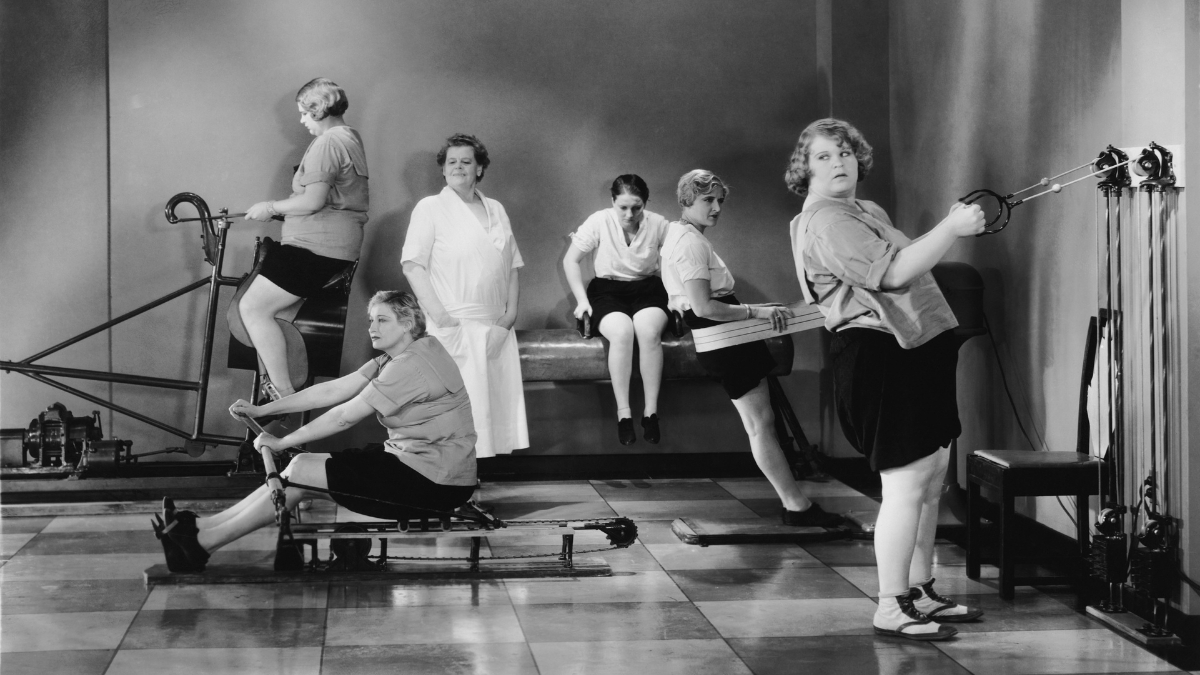
Have you ever wondered when gyms became a staple in our lives? Picture this: a place where you can lift weights, run on treadmills, and even join a yoga class all under one roof.
It seems like gyms are everywhere now, but they weren’t always a part of everyday life. Understanding the journey of gyms from their humble beginnings to modern-day fitness hubs can give you insights into why they’re so popular and how they can fit into your lifestyle.
By uncovering the history of gyms, you’ll discover not only when they became a thing but also why they continue to thrive. Stay tuned to learn the fascinating story of how gyms evolved and why they might just be the perfect fit for you.
Credit: www.menshealth.com
Early Physical Training Practices
Early physical training practices have a rich history. These practices were essential for survival, warfare, and health. Ancient civilizations placed great importance on physical strength and endurance. Let’s explore how these traditions evolved.
Ancient Greek Gymnasiums
In ancient Greece, gymnasiums were central to community life. They were places where men gathered to train their bodies and minds. The word “gymnasium” comes from the Greek word “gymnos,” meaning naked. Athletes trained without clothing, emphasizing physical perfection. Gymnasiums were not just for exercise. They also hosted intellectual discussions and philosophical debates. This blend of physical and mental training was vital in Greek culture.
Roman Bathhouses And Exercise
The Romans adopted Greek fitness practices but added their twist. Roman bathhouses, or “thermae,” became social hubs. They were more than just places to bathe. Visitors engaged in various exercises, from wrestling to weightlifting. The thermae offered a mix of relaxation and fitness. People could unwind in steam rooms and then train in open areas. This balanced approach to health and leisure was key to Roman life.
19th Century Fitness Movement
The 19th century was a pivotal era for fitness enthusiasts. This period marked a significant shift towards structured exercise routines and the establishment of gyms as social hubs. The fitness movement during this time laid the groundwork for the modern gyms you know today.
Rise Of Physical Culture
Physical culture emerged as a popular trend, emphasizing the importance of health and physique. People began to appreciate the value of a strong body, not just for aesthetics but for overall well-being. This movement encouraged individuals to take an active role in their fitness.
Gyms became spaces where people gathered to improve their physical health. They were places of learning, where one could acquire knowledge about exercises and diet. Imagine the excitement of discovering new ways to enhance your body and life.
Development Of Gymnastics
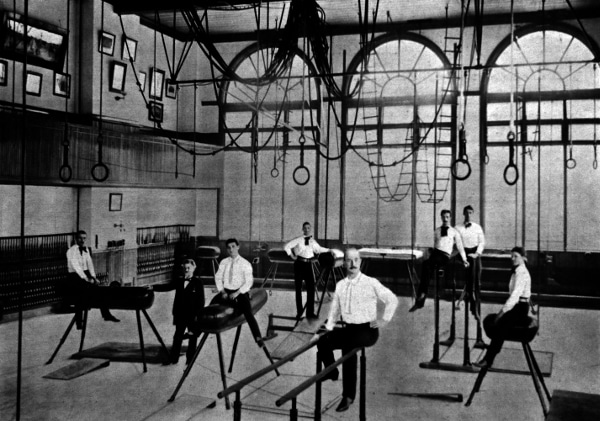
Gymnastics played a crucial role in the 19th-century fitness movement. It provided a systematic approach to exercise, focusing on flexibility, strength, and coordination. This discipline attracted many who wanted to challenge their physical limits.
The establishment of gymnastics clubs was a turning point. These clubs laid the foundation for organized sports and fitness activities. As you think about your own fitness journey, consider how these early practices have influenced the exercises you do today.
Have you ever wondered how different your gym routine would be without these historical developments? The 19th century fitness movement not only shaped the way people exercised but also how they perceived fitness as a lifestyle choice.
The Birth Of Modern Gyms
The concept of gyms, as we know them today, emerged from a blend of historical and cultural influences. But when did gyms become a staple in our society? The birth of modern gyms can be traced back to the late 19th and early 20th centuries, when the focus shifted from athletic prowess to overall wellness. This transformation was driven by the changing perceptions of health, fitness, and aesthetics.
Influence Of Bodybuilding
Bodybuilding played a pivotal role in popularizing the idea of modern gyms. Figures like Eugen Sandow, often regarded as the father of modern bodybuilding, showcased the human body’s potential through strength and aesthetics.
His exhibitions and competitions sparked a fascination with muscular development. As audiences became captivated by these displays, interest in physical fitness grew, leading to the establishment of spaces dedicated to bodybuilding and weight training.
Have you ever wondered how the desire for a sculpted physique influenced the gym culture we see today? This early focus on bodybuilding helped shape the equipment and exercises that are now gym staples.
Emergence Of Health Clubs
The rise of health clubs marked a significant shift from traditional gyms. Health clubs began focusing on holistic wellness, offering a broader range of services including swimming pools, saunas, and group classes.
This shift catered to a wider audience, emphasizing not just physical fitness but overall well-being. People started seeing gyms as social hubs where they could enhance their lifestyles rather than just places to lift weights.
Consider how modern gyms offer everything from yoga to spinning classes. This diversification stems from the early health club model, aiming to provide comprehensive health solutions under one roof.
Credit: www.artofmanliness.com
Fitness Boom Of The Late 20th Century
Gyms began gaining popularity in the late 20th century as fitness awareness surged. People embraced structured workout routines. This era witnessed the rise of health clubs and fitness centers, making exercise a mainstream activity.
The late 20th century marked a significant shift in how people viewed fitness. The era saw a remarkable surge in interest towards personal health and physical well-being, leading to a fitness boom that transformed gyms from niche establishments into mainstream necessities. The rise in health awareness was fueled by a combination of cultural trends, technological advancements, and a growing desire for community engagement. This period laid the groundwork for the modern fitness landscape we know today.Aerobics And Group Classes
Aerobics revolutionized how people exercised by making workouts more dynamic and entertaining. The emergence of group classes offered a social aspect that motivated people to stick with their fitness routines. You might remember the lively music and enthusiastic instructors that characterized these classes, drawing participants into a fun and energetic environment. The popularity of aerobics highlighted the importance of community in fitness, proving that exercising could be both effective and enjoyable.Expansion Of Gym Franchises
The fitness boom prompted the rapid expansion of gym franchises. Brands like Gold’s Gym and Bally Total Fitness became household names, bringing standardized fitness experiences to a wider audience. As gyms proliferated, they began to cater to diverse needs, offering a variety of equipment, personal trainers, and tailored programs. This growth made fitness accessible to more people, challenging the notion that gyms were exclusive to elite athletes. Did you ever wonder how these gyms managed to maintain consistency while growing so quickly? The key lay in their ability to adapt and innovate, ensuring they met the evolving demands of fitness enthusiasts.Technological Advancements In Fitness
The world of fitness has undergone a remarkable transformation with technological advancements reshaping how we exercise. No longer limited to traditional gym equipment, fitness enthusiasts now have an array of tech-driven tools that make working out more accessible and engaging. From digital apps to wearable gadgets, technology has made it easier than ever to track progress and stay motivated.
Introduction Of Fitness Apps
Fitness apps have revolutionized the way you manage your workouts. With a few taps on your smartphone, you can access personalized workout plans, track your progress, and connect with a community of like-minded individuals. These apps offer a variety of features, from guided workouts to nutritional advice, helping you stay on top of your fitness goals.
Consider how convenient it is to have a virtual coach in your pocket. You can exercise anytime and anywhere, turning your living room into a gym. Have you tried using fitness apps to enhance your routine?
Impact Of Wearable Technology
Wearable technology, such as fitness trackers and smartwatches, has become a staple in fitness culture. These devices provide real-time data on your physical activity, heart rate, and even sleep patterns. By wearing a fitness tracker, you gain insights that can lead to healthier lifestyle choices.
Imagine having a watch that nudges you to move when you’ve been sitting too long. It’s like having a personal motivator on your wrist, constantly encouraging you to reach your goals. How has wearable technology influenced your fitness journey?
Current Trends In Gym Culture
Gym culture has evolved remarkably over the years, and today’s fitness landscape is a far cry from the simple exercise spaces of the past. As society’s understanding of health and wellness expands, so do the offerings at gyms. From innovative workout classes to holistic wellness approaches, gyms are adapting to meet the diverse needs of their members. But what are the current trends shaping gym culture today?
Focus On Holistic Wellness
Gyms are no longer just about lifting weights and running on treadmills. They are transforming into wellness hubs that cater to the physical, mental, and emotional well-being of members. You’ll find meditation classes, nutritional guidance, and workshops on stress management. Imagine finishing a workout and heading to a yoga class to unwind, or consulting a nutritionist right at your gym. This holistic approach encourages a balanced lifestyle, making gym visits more than just a physical exercise routine.
Have you considered how your gym experience impacts your overall wellness? More and more people are using gyms as a one-stop-shop for their health needs, integrating various aspects of well-being into their fitness routines.
Rise Of Boutique Fitness Studios
Boutique fitness studios are popping up everywhere, offering specialized classes in intimate settings. These studios often focus on a specific type of workout, such as spinning, pilates, or dance. The personalized experience and community vibe can make a huge difference in your motivation levels. Unlike big-box gyms, boutique studios provide tailored programs that might better align with your fitness goals.
Have you tried a boutique studio yet? They often boast unique environments and a strong sense of community, which might be just what you need to stay motivated and committed to your fitness journey.
Credit: www.abc.net.au
Frequently Asked Questions
When Did Gyms Become Popular?
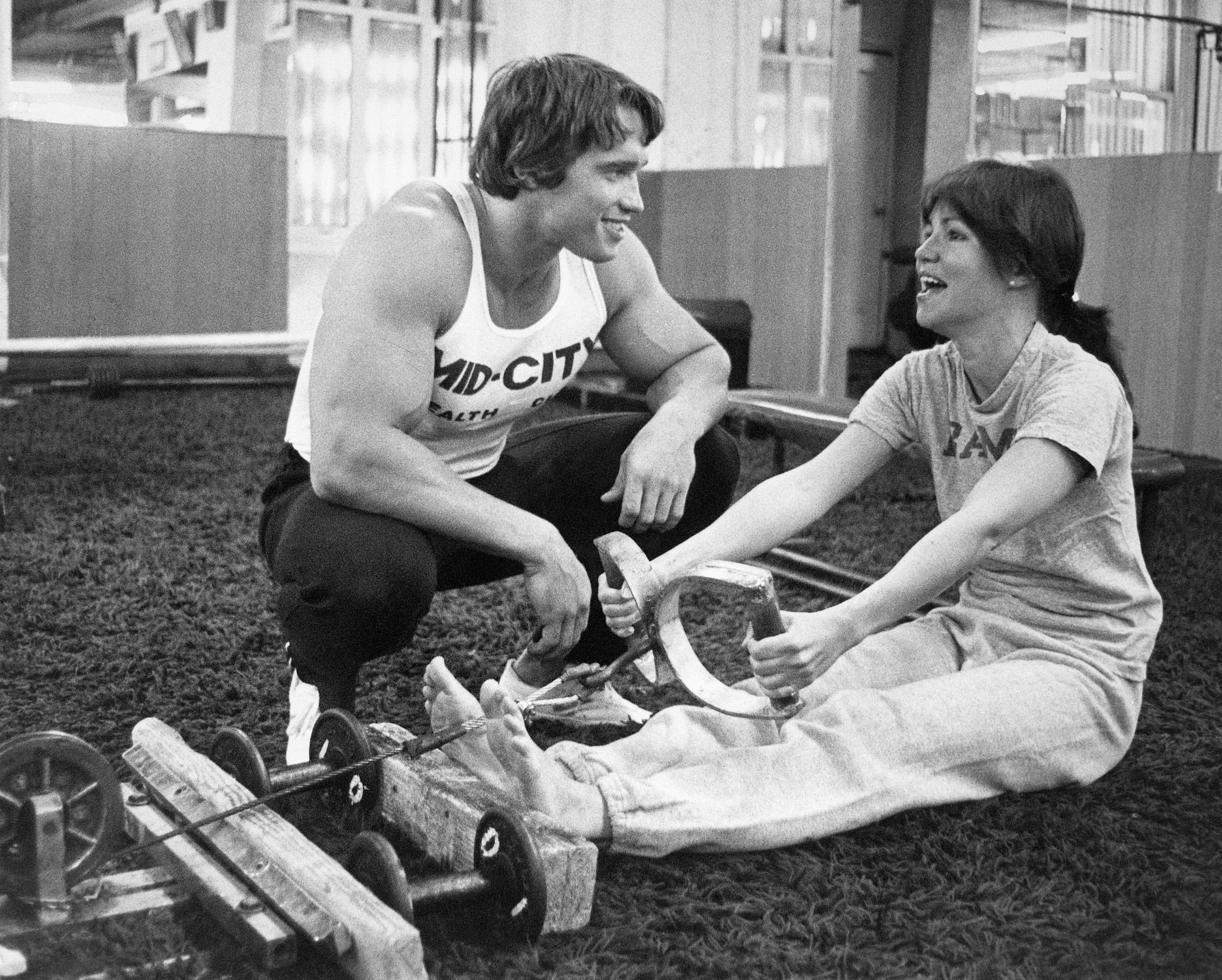
Gyms gained popularity in the 1970s. The fitness boom was influenced by rising health awareness and bodybuilding culture. Celebrities like Arnold Schwarzenegger promoted fitness. The opening of commercial gyms further fueled interest. The trend continued, making gyms a staple in modern lifestyles.
When Did Gyming Start?
Gyming began in ancient Greece around 2,800 years ago. Greeks trained for Olympic events using physical exercises.
Who Started The Gym Trend?
The gym trend began in the 1970s, popularized by fitness icons like Arnold Schwarzenegger and Jane Fonda. Their influence through bodybuilding competitions and aerobics videos sparked global interest in fitness and gym culture. This era saw the rise of health clubs and personal training, making gym workouts mainstream.
How Did People Stay Fit Before Gyms?
People stayed fit through manual labor, walking, farming, and engaging in sports like wrestling and archery. They practiced yoga, danced, and performed daily chores which required physical effort. Martial arts and hunting were also common activities for maintaining fitness.
Conclusion
Gyms have become a part of daily life. From ancient Greek training grounds to modern fitness centers, gyms have evolved. They offer a place to exercise, socialize, and stay healthy. Today, gyms cater to many needs. People find motivation and community there.
Fitness routines vary, but the goal remains. Health and wellness. Gyms will continue to be important in our lives. They are more than just places to lift weights. They’re spaces for growth and transformation. Whether old or new, gyms hold a special place.
People will keep turning to gyms for support and strength.