Imagine you’re standing in a grocery aisle, picking up a box of cereal or a can of soup. Your eyes instantly dart to that familiar rectangular box displaying calories, fats, vitamins, and sugars.
It’s hard to imagine shopping without these nutrition labels guiding your decisions. But have you ever wondered when these labels became a staple on our food products? Understanding the history of mandatory nutrition labels not only satisfies your curiosity but empowers you to make informed choices about what you eat.
It’s a story of health, transparency, and the evolving relationship between consumers and food manufacturers. Dive into the fascinating journey of how nutrition labels became a crucial part of your daily life, and discover why they matter more than ever in your quest for health and well-being.

Credit: en.wikipedia.org
The Birth Of Nutrition Labels
The creation of nutrition labels marked a turning point in food history. These labels guide consumers in making informed food choices. They tell us what’s inside the package. The journey of nutrition labels began decades ago.
The Early Years
In the early 20th century, food safety became a concern. People wanted to know what they were eating. The Pure Food and Drug Act of 1906 was one of the first steps. This act aimed to prevent food mislabeling.
The Rise Of Health Awareness
As health awareness grew, so did the need for transparency. In the 1960s, people became more conscious of their health. They demanded clearer information on food products. Nutrition labels started to gain importance during this time.
Government Action
The government recognized the need for standardized labels. In 1990, the Nutrition Labeling and Education Act was passed. This act required nutrition labels on packaged foods. It ensured consumers received accurate information.
The Impact On Consumers
Nutrition labels changed the way people shop for food. They helped consumers understand what they eat. People could compare products easily. This helped them make healthier choices.
The birth of nutrition labels has a lasting impact. It empowers consumers to eat better. It provides a clearer understanding of food content. Nutrition labels are now a staple in our daily lives.
Early Regulations
Nutrition labels became mandatory in 1990 with the Nutrition Labeling and Education Act. This law aimed to provide consumers with essential information about food contents. Transparency in food labeling helps people make informed dietary choices.
Early Regulations on nutrition labels might seem like a dry topic, but they’ve played a crucial role in shaping our everyday food choices. Imagine standing in your kitchen, looking at a can of soup, and having no idea what’s inside it. This was the reality before food labeling became a norm. Let’s journey back to understand how these regulations started and why they matter today.First Labeling Efforts
The journey to mandatory nutrition labels began in the early 20th century. Back then, the food industry was a bit like the Wild West—unregulated and unpredictable. A key moment was the Pure Food and Drug Act of 1906 in the United States. This act aimed to prevent the sale of misbranded or adulterated food products. However, these early efforts were not specific about nutritional information. Labels might tell you what the product was, but not what it contained nutritionally. It wasn’t until the mid-20th century that the conversation about the health implications of food ingredients began to heat up.Consumer Awareness
As consumers, our awareness and demand for information have driven significant change. Have you ever wondered why you can easily find out how much sugar is in your cereal? This transparency stems from increasing consumer awareness over the decades. During the 1960s and 1970s, people started questioning what was in their food. Health issues linked to diet began to surface, and consumers wanted answers. This demand pushed for clearer, more informative labels. People wanted to know if what they were eating was healthy or harmful. Think about your last grocery shopping trip. Did you check a label before buying? This simple action is the result of years of advocacy and regulation aimed at empowering you with knowledge. How much do you rely on these labels today? Would you make different food choices without them? Your awareness and decisions continue to shape the landscape of food labeling, ensuring it remains a tool for informed choices.The 1990 Nutrition Labeling And Education Act
The 1990 Nutrition Labeling and Education Act marked a pivotal moment in food transparency. This legislation required food manufacturers to provide detailed nutritional information on packaging. Consumers gained access to essential details about their food choices. This act aimed to empower individuals to make informed dietary decisions.
Key Provisions
The act mandated that nutrition labels appear on most packaged foods. Labels must include serving size, calories, and nutrient content. Manufacturers needed to list fats, sodium, and carbohydrates. Vitamins and minerals also became mandatory. This ensured uniform information across all food products. It standardized how nutritional data was presented to consumers.
Impact On Food Industry
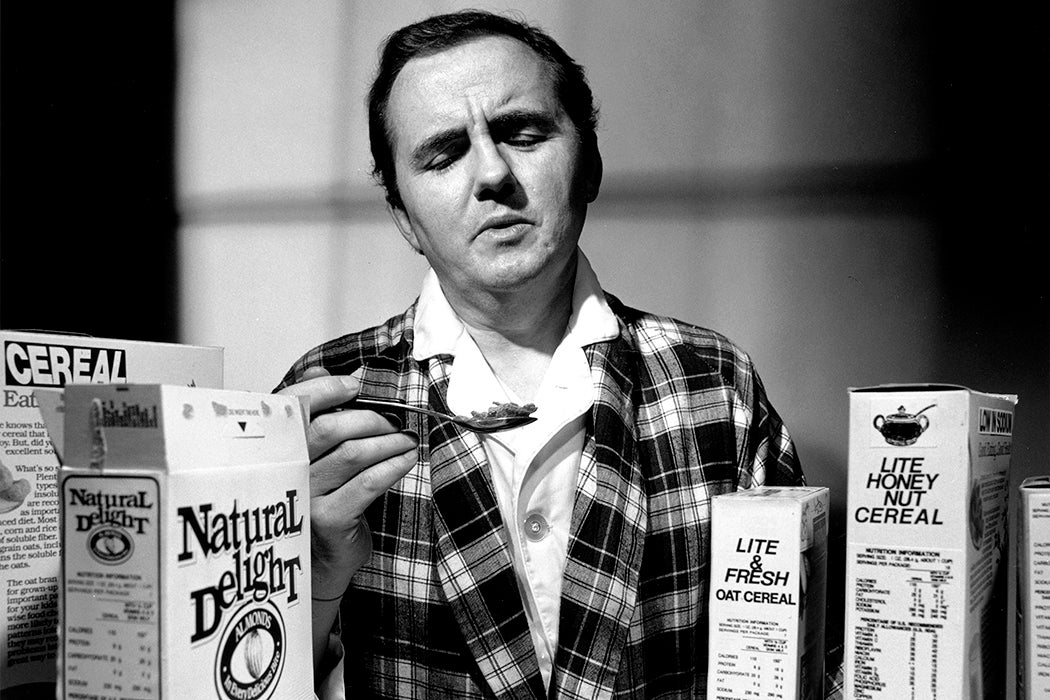
The act brought significant changes to the food industry. Companies had to revise packaging to meet new standards. This required adjustments in production processes. Manufacturers started focusing on healthier ingredients. Nutritional transparency became a priority. The act pushed brands to improve product formulations. It also influenced marketing strategies and consumer perceptions. Overall, it reshaped how food companies approached product development.
Credit: daily.jstor.org
Evolution Of Labeling Standards
Nutrition labels became mandatory in 1990 with the Nutrition Labeling and Education Act. This law aimed to provide consumers with essential information about food products. It helped promote healthier eating habits by making nutritional details accessible.
The evolution of labeling standards has significantly shaped how we perceive and understand our food. From the simple listings of ingredients to detailed breakdowns of nutrients, food labels have come a long way. They offer insights into what we eat and help us make informed choices about our nutrition.Changes In Requirements
The journey of nutrition labels began with a focus on basic ingredients. Over the years, regulatory bodies recognized the need for more detailed information. This led to the inclusion of calorie counts and macronutrients like fats, proteins, and carbohydrates. In the early stages, labels were not standardized. This created confusion for consumers who wanted to compare products. The introduction of mandatory labeling in the 1990s aimed to solve this issue, ensuring consistency across all packaged foods. You might remember a time when “low fat” or “reduced sugar” claims were the main selling points. These claims were part of evolving standards that tried to cater to health-conscious consumers. However, without clear guidelines, they often misled buyers.Introduction Of New Nutrients
As nutritional science advanced, so did the requirements for labeling. Nutrients like trans fats and added sugars were introduced to labels to address public health concerns. These additions helped consumers make healthier decisions by highlighting potentially harmful ingredients. Vitamins and minerals also gained prominence. Labels started featuring daily values to inform you about how much a serving contributes to your daily nutrient intake. This was particularly useful for those tracking specific dietary needs. Consider the impact of these changes on a personal level. Have you ever checked a label for sodium content to manage your blood pressure? The inclusion of such nutrients on labels empowers you to take control of your health. Today, labels are designed to be more transparent and informative. But as consumers, we must ask ourselves: Are we fully utilizing this wealth of information? Understanding the evolution of labeling standards can inspire us to pay closer attention to what we eat and make choices that align with our health goals.Global Adoption Of Nutrition Labels
Nutrition labels have become an essential part of our daily lives, helping us make informed choices about the foods we consume. But have you ever wondered how these labels became a global standard? The journey towards universal adoption of nutrition labels is fascinating, involving a blend of international collaboration and regional customization.
International Standards
The push for global standards in nutrition labeling began as the world realized the importance of transparency in food information. The Codex Alimentarius, established by the World Health Organization and the Food and Agriculture Organization, played a crucial role in setting international guidelines. These standards ensure that nutrition labels provide consistent and reliable information, regardless of where you are.
Countries worldwide have adopted these guidelines, recognizing the need for consumers to have access to standardized nutrition information. This global effort aims to reduce health risks associated with poor dietary choices. Imagine visiting a foreign country and still understanding the nutrition facts on a package. That’s the power of international standards.
Regional Variations
Despite the push for uniformity, regional variations in nutrition labels are inevitable. Different countries have unique dietary habits and health priorities, which influence how they adapt international standards. For instance, European countries may focus more on allergen information due to higher allergic prevalence.
Some nations emphasize specific nutrients based on local health concerns. In Japan, you might notice a focus on sodium content due to hypertension concerns, while in India, labels might highlight calorie counts due to rising obesity rates. These regional tweaks ensure that nutrition labels address the most pressing health issues relevant to their population.
As you encounter these variations, it becomes clear that nutrition labeling is not just about following rules but about serving the needs of diverse communities. This regional customization showcases the balance between global consistency and local relevance. How do you think these variations influence your food choices?
Understanding the global adoption and regional variations of nutrition labels can empower you to make informed decisions, no matter where you are. Next time you pick up a product, take a moment to appreciate the intricate journey that brought those labels to your fingertips.
Credit: www.fda.gov
Challenges And Criticisms
Nutrition labels have become a crucial part of our daily food choices. Yet, their journey to become mandatory was not without hurdles. Some concerns arise from their complexity and potential to mislead. Critics argue these issues affect consumer trust and understanding.
Misleading Information
Some nutrition labels provide misleading information. Manufacturers sometimes highlight benefits while hiding drawbacks. This can confuse or deceive consumers. For instance, “low fat” labels might conceal high sugar content. Such practices undermine the purpose of transparency.
People may not understand the real nutritional value. Misleading labels skew perceptions. Shoppers think they are making healthy choices. In reality, they may consume unhealthy products.
Complexity For Consumers
Nutrition labels can be complex for many. The technical terms may overwhelm consumers. Not everyone understands grams or percentages. This can lead to misinterpretation of health information.
Consumers need simple guidance. They want to make quick decisions in stores. Complexity on labels makes this hard. Simplifying information could improve consumer understanding and health choices.
Future Of Nutrition Labeling
The future of nutrition labeling looks promising and dynamic. With advances in technology, changes are on the horizon. Consumers demand clearer and more detailed food information. This shift encourages innovation and reform in labeling.
Technological Innovations
Technology plays a key role in evolving nutrition labels. Smart labels might soon offer real-time data updates. QR codes can provide detailed ingredient lists and sourcing information. Augmented reality apps may allow scanning labels for instant insights. These innovations enhance consumer understanding of what they eat.
Potential Reforms
Potential reforms focus on transparency and simplicity. Governments might standardize label formats across regions. This could make it easier to compare products globally. There could be more emphasis on highlighting allergen information. Simplified nutritional values may be displayed prominently. Such changes aim to empower consumers with better choices.
Frequently Asked Questions
When Did The Fda Start Requiring Nutrition Labels?
The FDA began requiring nutrition labels in 1994. This mandate aimed to help consumers make informed food choices. The Nutrition Labeling and Education Act of 1990 led to this change. Labels include calories, nutrients, and serving sizes, promoting healthier eating habits.
Are Nutrition Labels Legally Required?
Yes, nutrition labels are legally required on most packaged foods in many countries. These labels provide essential information about ingredients and nutritional content, helping consumers make informed choices. Regulations vary by country, so businesses must comply with local labeling laws to ensure transparency and consumer safety.
Why Did The Fda Change The Nutrition Label?
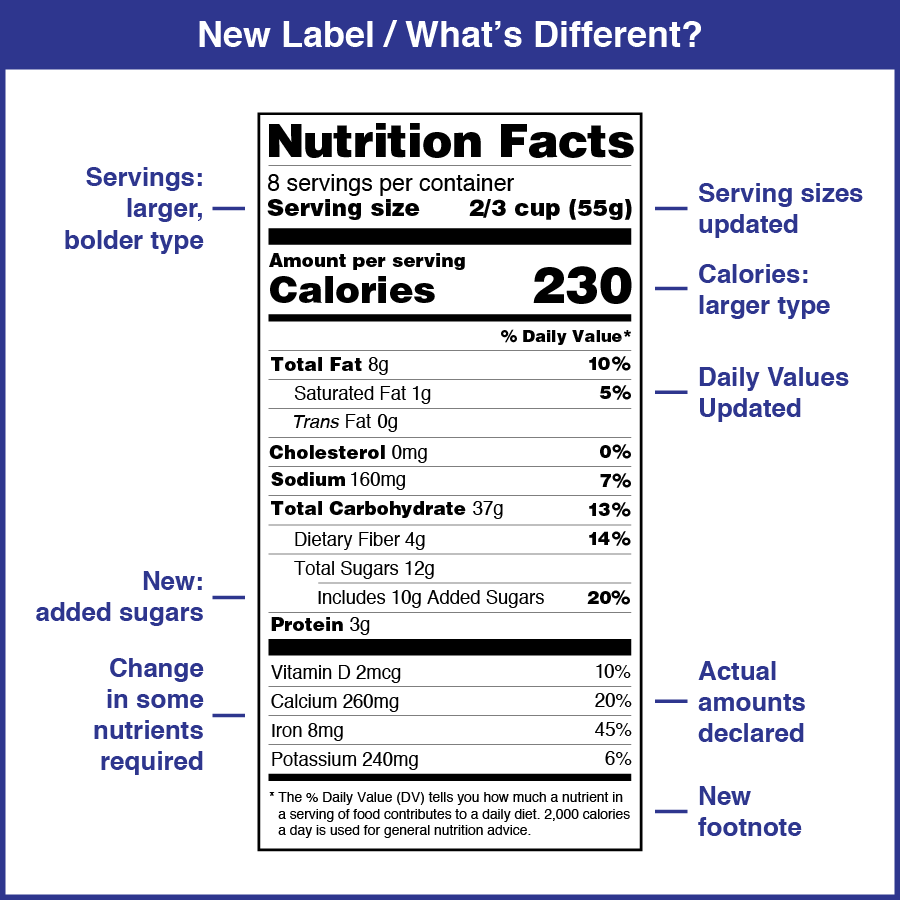
The FDA updated the nutrition label to highlight calories and serving sizes better. This helps consumers make informed food choices. The new label includes added sugars and updated daily values to reflect current nutrition science. Enhanced readability and design aim to promote healthier eating habits among the public.
Why And When Did They Decide To Put Food Labels On Food Packaging?
Governments introduced food labels to help consumers make informed choices. The U. S. required them in 1990 through the Nutrition Labeling and Education Act.
Conclusion
Nutrition labels inform consumers about their food choices. They became mandatory in the United States in 1990. This law aimed to improve public health and awareness. Knowing what you eat helps make better dietary decisions. Understanding labels supports healthier lifestyles.
It empowers consumers to control their nutrition. With clear information, people can manage health risks. Labels also assist those with dietary restrictions. They offer transparency in the food industry. This practice promotes informed eating habits. An essential tool for healthier living.
It benefits everyone, from individuals to families. Make sure to check nutrition labels before purchasing.