Have you ever wondered about the origins of gyms and how they became such a vital part of your daily routine? Imagine a time when fitness centers didn’t exist, and people relied solely on manual labor and outdoor activities to stay fit.
The story of when gyms were invented is not just a tale of physical spaces but a journey through history, culture, and innovation. As you delve into this fascinating narrative, you’ll discover how the concept of organized exercise evolved from ancient civilizations to the bustling fitness hubs you know today.
Uncovering the roots of gyms will not only satisfy your curiosity but might also inspire a deeper appreciation for your next workout session. Ready to explore the past and see how it shapes your present fitness experience? Let’s dive in.
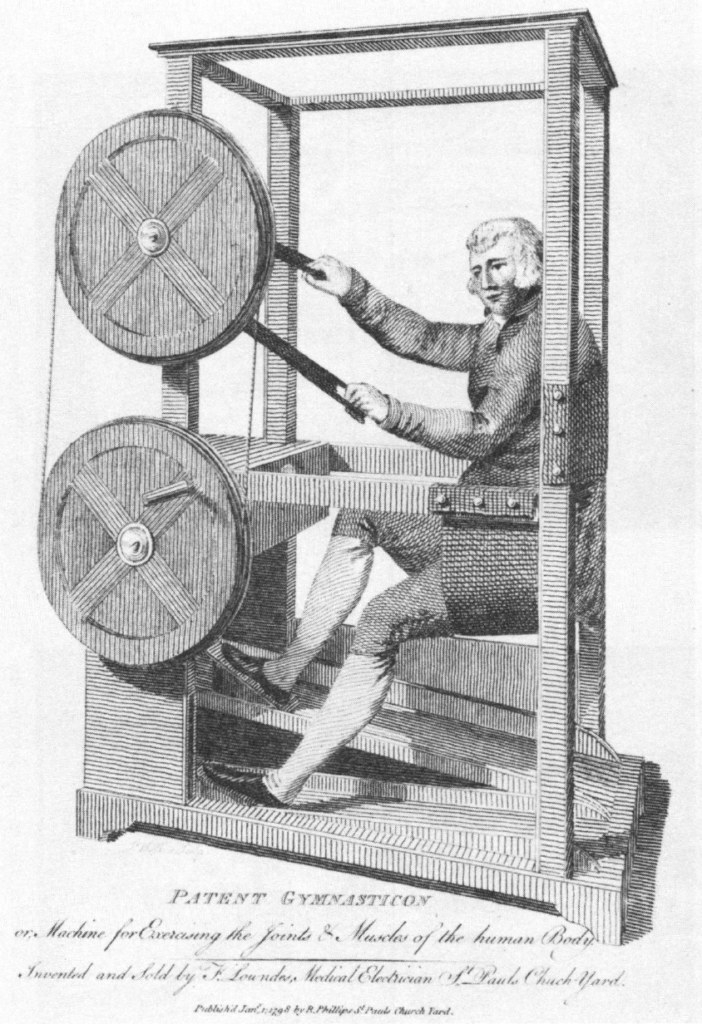
Credit: trainingwithmatt.co.uk
Ancient Beginnings
The concept of gyms is not a modern invention. Their roots trace back to ancient times. People then understood the importance of physical fitness. They engaged in exercises for health, strength, and entertainment. The evolution of gyms over time is fascinating.
Early Physical Culture
Early civilizations valued physical culture. They believed in training the body. Exercise was part of daily life. It was not just for health. It was also for preparing for battles and survival. Physical activities were part of festivals and social gatherings. Ancient societies saw strength as a sign of power. They respected those who were physically fit.
Greek Gymnasiums
The Greeks were pioneers in organized physical training. They built gymnasiums for public use. These spaces were not just for exercise. They were centers for learning and culture. Young men trained in wrestling, running, and other sports. Philosophers also taught there. The gymnasium was a hub of education and physical excellence. It was central to Greek society. The word “gymnasium” itself comes from Greek, meaning “place to be naked”. This reflects the Greek custom of exercising unclothed.
Medieval And Renaissance Fitness
Gyms, as we know them today, emerged in the 19th century. Earlier fitness was integrated into daily activities. Medieval and Renaissance periods saw physical health through active lifestyles and martial practices.
In the intriguing tapestry of history, the concept of fitness in the Medieval and Renaissance periods stands out as a unique chapter. These eras were pivotal in shaping the way communities approached physical well-being. While gyms, as we know them today, were not in existence, the spirit of fitness was very much alive. From the Middle Ages to the Renaissance, the focus on physical activity evolved, influenced by cultural shifts and the rise of humanism.Exercise In The Middle Ages
Picture medieval life: bustling marketplaces, knights in armor, and townsfolk engaged in daily tasks. Physical activity was not a choice but a necessity. Those living in the Middle Ages found themselves naturally active due to their lifestyle. Whether it was farming, crafts, or simple chores, movement was part of survival. But what if you were a noble or a knight? Well, the training was rigorous. Knights engaged in combat training, which included running, jumping, and weapon handling. These exercises were not only about strength but also about skills. It was about being prepared for battle and defense. Think about your own daily routines. Are you actively incorporating movement? Perhaps the medieval approach of blending exercise with daily tasks could inspire a more active lifestyle.Humanism And Physical Education
As the Renaissance emerged, so did the philosophy of humanism. This movement emphasized the value of human beings and their potential. Physical education became more structured, focusing on the mind-body connection. Education was not limited to academics; it included physical training. Imagine attending a Renaissance school where physical activities were part of the curriculum. Students engaged in exercises that improved health, agility, and intellect. This approach was revolutionary, blending the art of learning with the art of movement. Consider your own education. Are you nurturing your body along with your mind? The Renaissance highlighted that a balanced approach leads to a healthier and more fulfilling life. Reflect on how these historical perspectives can impact your fitness journey today. Are you ready to embrace a lifestyle that integrates movement naturally?Industrial Revolution Impact
The Industrial Revolution changed many aspects of life. It transformed how people worked and lived. One significant change was the rise of gyms. People began to focus on health and fitness. Factories brought people into cities. Urbanization led to new social structures. The need for physical activity grew. People searched for ways to stay fit. This period marked the beginning of modern gyms.
Rise Of Organized Sports
Sports became more popular during the Industrial Revolution. People needed leisure activities. Organized sports provided this outlet. Communities formed teams and clubs. These groups competed in local events. Sports like soccer and cricket gained attention. Schools also embraced sports. They recognized its value for students. Physical education classes emerged. This shift paved the way for gyms.
Birth Of Modern Gymnasiums
Modern gymnasiums began to appear in the 19th century. They offered structured workouts. People could exercise indoors. This was new and exciting. Gymnasiums included equipment. Dumbbells and weights became common. Gymnastics also gained popularity. This involved strength and flexibility training. Gyms offered diverse activities. They catered to different interests and needs. Fitness became more accessible. The gym culture started to grow.
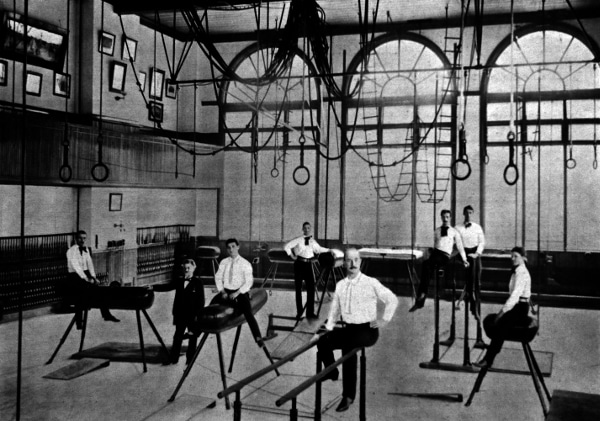
Credit: www.artofmanliness.com
20th Century Fitness Boom
The 20th century saw the rise of the fitness boom, sparking interest in physical health. Modern gyms emerged around the 1930s, with fitness enthusiasts seeking places to exercise. These facilities offered new ways to stay active and healthy.
The 20th century marked a significant shift in the way people viewed fitness. With an increasing focus on health and well-being, gyms became mainstream. More people started to see exercise not just as a necessity but as a lifestyle. This era saw the rise of various fitness movements, each leaving a lasting impact on gym culture.Fitness Fads And Trends
The 20th century was a melting pot of fitness fads and trends. From jazzercise in the 1970s to the high-energy aerobics classes of the 1980s, people constantly sought new ways to stay fit. These trends weren’t just about exercise; they were social events. Remember your first aerobics class? The music, the camaraderie, the sweat—it was a whole vibe. It was more than just movement; it was a community. What drives you to try new workouts? Fitness DVDs and home exercise equipment also became popular. They brought the gym experience right into living rooms, making fitness accessible to everyone.Influence Of Bodybuilding
Bodybuilding also had a profound influence on the fitness boom. Icons like Arnold Schwarzenegger made bodybuilding glamorous and desirable. The focus shifted from merely being fit to sculpting the perfect physique. How did this affect gyms? They transformed into places where people could not only improve their health but also work towards aesthetic goals. Equipment evolved to cater to bodybuilding techniques, with machines specifically designed for muscle building. Have you ever tried bodybuilding exercises? The discipline and dedication required can teach you a lot about persistence and goal-setting. The bodybuilding culture brought a new level of seriousness to gyms, encouraging people to push their limits. It wasn’t just about lifting weights but understanding how your body works and how to optimize your fitness journey. The 20th century fitness boom was more than just a trend. It was a revolution that changed the way gyms operate and how we view fitness. Which of these trends have you embraced in your own fitness journey?Digital Age And Fitness
Gyms have a fascinating history, dating back to ancient Greece. These early gyms were spaces for physical and intellectual training. Today, gyms are integral to fitness routines, adapting to the digital age with online classes and apps.
In the Digital Age, fitness has taken an extraordinary leap. The gym experience has transformed with the help of technology, making workouts more personalized and accessible. You might wonder how digital advancements have reshaped how we exercise. Let’s dive into how gyms have adapted to the modern era, enhancing your fitness journey.Technology In Gyms
Technology in gyms has become a game-changer. Smart equipment now tracks your progress, sets goals, and even suggests workouts. Imagine walking into a gym where machines recognize you and adjust settings to your preferences. Fitness apps and wearables also play a crucial role. They offer real-time stats, helping you stay motivated. You can monitor your heart rate, calories burned, and even compare past workouts for improvement. What has been your experience with fitness technology? Has it helped you stay on track?Virtual Fitness Classes
Virtual fitness classes have exploded in popularity. They bring the gym experience into your home, offering flexibility and convenience. Whether it’s yoga, HIIT, or dance, you can join a class anytime that fits your schedule. The sense of community remains strong, even online. Platforms often allow interaction with instructors and other participants. This can keep you motivated and accountable. Have you tried a virtual class? Did it bring the same energy as in-person sessions? Digital tools have undoubtedly changed the way we approach fitness. They offer flexibility, personalization, and a wealth of information. As technology continues to evolve, so will the opportunities for enhancing your fitness journey. How will you use these innovations to reach your goals?Global Fitness Culture
The concept of gyms has evolved over centuries. It reflects the changing fitness needs and preferences of people around the world. Today, gyms are more than just a place to lift weights. They are centers of diverse fitness activities and practices. This diversification has given rise to a global fitness culture. People now seek gyms for both physical and mental well-being.
Crossfit And Functional Training
CrossFit has become a popular workout choice in gyms worldwide. It combines varied functional movements with high-intensity training. This approach focuses on improving strength, stamina, and agility. Functional training mimics real-life activities. It enhances everyday movements and reduces injury risk. Many gyms now offer specialized classes in these areas. They provide members with a comprehensive workout experience.
Yoga And Mindfulness In Gyms
Yoga has found a significant place in the gym culture. It promotes flexibility, strength, and mental clarity. Gyms offer yoga sessions to meet the increasing demand. They cater to individuals seeking relaxation and stress relief. Mindfulness practices are also gaining popularity. These practices help improve mental focus and emotional well-being. Together, yoga and mindfulness create a balanced gym experience.
Credit: www.abc.net.au
Frequently Asked Questions
When Did Gyms Start Getting Popular?
Gyms gained popularity in the 1970s. This surge was driven by the fitness boom and celebrities endorsing exercise. Health awareness and aerobic classes also contributed. Gyms became social hubs for fitness enthusiasts. The trend continues to grow with modern fitness innovations.
Did Gyms Exist In 1940?
Yes, gyms existed in 1940. They were mainly focused on weightlifting and bodybuilding. Fitness centers provided basic equipment and training spaces. Popularity increased due to figures like Jack LaLanne. These early gyms laid the foundation for today’s modern fitness industry.
Did Gyms Exist In The 1800s?
Yes, gyms existed in the 1800s. They were known as gymnasiums and focused on physical fitness and education. These early gyms featured equipment like weights, ropes, and wooden dumbbells. They were popular in Europe and the United States, emphasizing strength training and gymnastics.
Were There Gyms In The 1930s?
Yes, gyms existed in the 1930s. They were primarily focused on boxing, weightlifting, and physical fitness. Gyms offered basic equipment and training facilities. Fitness culture was growing, influenced by Hollywood and athletes. People began realizing the importance of exercise for health and well-being during that era.
Conclusion
Gyms have a long history. From ancient Greece to modern times. People always loved fitness. Gyms evolved with changing needs and technology. They were places for exercise, learning, and socializing. Today, gyms offer diverse workouts. They cater to all fitness levels.
Equipment and classes vary widely. Gyms provide convenience and community. Regular exercise benefits health and wellbeing. Understanding gym history is fascinating. It shows society’s evolving fitness values. So, next time you visit a gym, think of its rich past. Embrace the journey of fitness.
Stay active and healthy.