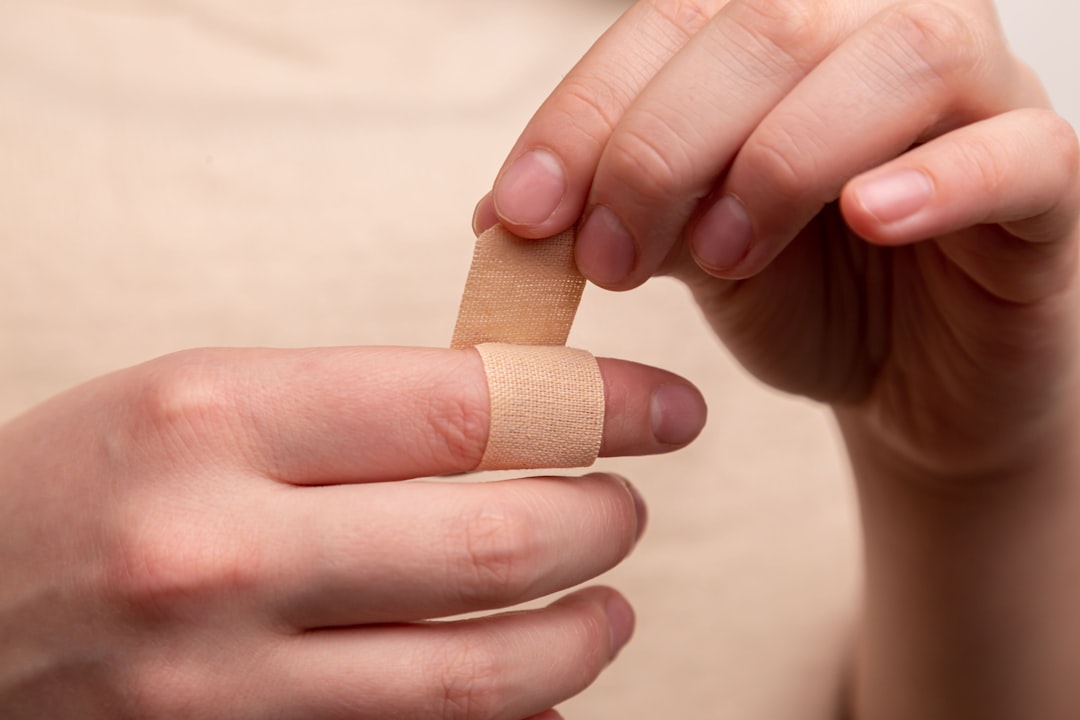
Imagine having a minor cut or scrape that just won’t heal. You’ve tried everything, from band-aids to ointments, but it seems like your skin isn’t cooperating.
If this sounds familiar, you might be overlooking an essential factor: your nutrition. You may be surprised to learn that certain nutritional deficiencies can delay wound healing. When your body doesn’t get enough of the right vitamins and minerals, it struggles to repair itself efficiently.
But which deficiencies are the culprits? Understanding these could be the key to faster recovery and healthier skin. By reading further, you’ll uncover the vital nutrients your body needs for optimal healing and find practical ways to incorporate them into your diet. Don’t let a simple nutritional oversight stand in the way of your health. Dive deeper into this article to arm yourself with the knowledge that could transform your healing process.
Essential Nutrients For Healing
Wound healing is a complex process influenced by nutrition. Essential nutrients play a vital role in repairing tissues. They speed up recovery and prevent complications. Nutritional deficiencies can delay healing, leading to prolonged recovery. Understanding the key nutrients required for healing can make a significant difference.
Role Of Vitamins
Vitamins are crucial for wound healing. Vitamin C boosts collagen production. Collagen strengthens skin and tissue. Vitamin A supports skin repair. It helps in forming new skin cells. Vitamin E protects cells from damage. It acts as an antioxidant, reducing inflammation.
Importance Of Minerals
Minerals aid wound healing effectively. Zinc is vital for cell growth. It speeds up tissue repair and regeneration. Iron supports oxygen transport to tissues. Lack of iron can cause fatigue and slow healing. Calcium is essential for blood clotting. It helps in forming a protective barrier over wounds.
Protein Necessity
Protein is fundamental for rebuilding tissues. It supplies amino acids required for repairing damaged skin. Proteins support immune function. A strong immune system prevents infections in wounds. Insufficient protein can result in delayed recovery. Adequate protein intake is crucial for efficient healing.

Credit: bodyarmormedical.com
Impact Of Vitamin Deficiency
Have you ever noticed a cut that takes forever to heal? It might be due to a vitamin deficiency. Vitamins play a crucial role in wound healing by supporting various bodily functions.
Without the right vitamins, your body struggles to repair itself efficiently. This can lead to prolonged healing times and increased risk of infection. Let’s explore how specific vitamin deficiencies can impact wound healing.
Vitamin C And Collagen Formation
Vitamin C is vital for collagen production, a protein that gives your skin structure. Without enough vitamin C, your body can’t produce collagen effectively. This slows down the healing process, leaving wounds open for longer.
Adding vitamin C-rich foods like oranges, strawberries, and bell peppers can boost your collagen levels. Have you ever tried increasing your vitamin C intake when nursing a wound? You might find it heals faster.
Vitamin A And Immune Function
Vitamin A is important for maintaining a robust immune system. It helps your body fight off infections that can complicate wound healing. A lack of vitamin A can leave you more susceptible to infections.
Consider including more carrots, sweet potatoes, and spinach in your diet to improve your vitamin A levels. Have you ever thought about how a diet rich in these foods could strengthen your immune response?
Vitamin D And Inflammation Control
Vitamin D is known for its role in bone health, but it also controls inflammation. High levels of inflammation can slow down the healing process. Ensuring you have enough vitamin D can help keep inflammation in check.
Spending time in the sun or adding foods like salmon and fortified milk can boost your vitamin D. Do you get enough sunlight each day to maintain healthy vitamin D levels?
Boosting your vitamin intake can be a simple yet effective way to improve wound healing. Which vitamin will you focus on adding to your diet today?
Mineral Deficiencies Affecting Recovery
When your body is healing from a wound, certain mineral deficiencies can slow down recovery. These deficiencies might be hiding in your diet, affecting how efficiently your body repairs itself. Understanding which minerals play a key role can help you make informed choices about your nutrition. Let’s dive into how zinc, iron, and copper impact your healing process.
Zinc And Tissue Repair
Zinc is vital for tissue repair and regeneration. It helps in synthesizing proteins and maintaining cell membranes. If your zinc levels are low, you might notice wounds taking longer to heal. Zinc deficiency can also lead to weaker immune responses, making your body more vulnerable to infections during recovery.
Think about your diet. Are you including zinc-rich foods like nuts, seeds, and lean meats? These can be easy additions to your meals to boost your zinc intake. Have you ever noticed how quickly a scratch heals when you’re eating well?
Iron And Oxygen Transport
Iron is crucial for transporting oxygen throughout your body. Oxygen is essential for cell growth and repair. Low iron levels can lead to anemia, resulting in slower wound healing. You might feel fatigued or short of breath, affecting your body’s ability to heal efficiently.
Consider including iron-rich foods such as spinach, lentils, and red meat in your diet. What changes could you make to ensure your body gets the iron it needs? Even small adjustments can make a big difference.
Copper And Connective Tissue
Copper plays a role in forming connective tissues and blood vessels. Deficiency can lead to weakened blood vessels and less effective wound healing. Without enough copper, your body might struggle to repair damaged tissue.
Foods like shellfish, nuts, and whole grains are excellent sources of copper. Have you ever tried tracking your mineral intake? It’s an interesting way to see if you’re getting enough copper to support your recovery.
Are you aware of how these minerals affect your healing process? Taking a closer look at your diet can provide insights into improving your recovery time. Simple changes can empower you to take charge of your health. What steps will you take to ensure your body gets the support it needs?
Protein’s Role In Healing
Protein is vital for wound healing. It supports tissue repair and growth. A deficiency can slow healing. Your body needs protein to build new cells. It helps fight infection. A good diet speeds up recovery.
Amino Acids In Regeneration
Amino acids are protein’s building blocks. They play a key role in regeneration. These acids repair damaged tissues. They also support cell growth. Essential amino acids are not made by the body. You must get them from food. Foods like meat, eggs, and beans are rich in amino acids.
Protein Synthesis And Wound Repair
Protein synthesis is crucial for wound repair. It creates new proteins for tissue. This process rebuilds skin and muscle. Without enough protein, synthesis slows. Healing takes longer. Consuming enough protein is essential. It ensures effective wound repair. Include dairy, nuts, and fish in your diet.
Identifying Deficiencies
Identifying nutritional deficiencies is crucial if you’re struggling with delayed wound healing. Often, the body gives subtle hints when it lacks essential nutrients. Recognizing these signals can be the first step towards recovery and improving your overall health. Have you ever wondered why your cuts and bruises seem to linger longer than usual? It might be time to check what your body is missing.
Symptoms Of Nutrient Deficiencies
When your body lacks vital nutrients, it often manifests through various symptoms. You might notice fatigue creeping in even after a good night’s sleep. Or perhaps, your skin feels unusually dry and flaky. Are your nails brittle and breaking easily? These could be signs of deficiencies.
Have you ever experienced hair thinning or sudden hair loss? This might indicate a lack of essential vitamins like B12 or biotin. Pay attention to frequent headaches or dizzy spells, as they could be your body’s way of signaling low iron levels.
It’s essential to listen to what your body tells you. These symptoms may seem unrelated, but they are your body’s SOS signals, asking for help. Addressing these can significantly improve wound healing and overall health.
Testing For Deficiencies
Testing for nutrient deficiencies is a straightforward process. Start by visiting your healthcare provider. They can recommend blood tests that highlight specific deficiencies. These tests will give you a clearer picture of what’s missing.
Have you ever considered home testing kits? They’re practical for those who prefer convenience. These kits allow you to collect samples at home and send them to labs for analysis. You’ll receive results that can guide your dietary changes.
Once you know your deficiencies, you can take actionable steps to address them. Are you ready to make those changes? You might find that simply adding a supplement or modifying your diet can make a significant difference in your healing process.
Dietary Sources For Better Healing
Vitamin C deficiency can delay wound healing. It plays a crucial role in collagen formation, essential for skin repair. Zinc deficiency also hinders healing, affecting cell growth and immune function. Including foods rich in these nutrients supports recovery and enhances the body’s ability to heal wounds effectively.
Healing a wound can be a slow process, and sometimes the foods you eat can make all the difference. Your body needs certain nutrients to repair tissues and fight infections. Including the right foods in your diet can help ensure your wounds heal faster and more effectively. Understanding which foods to eat can empower you to support your body’s natural healing process.Nutrient-rich Foods
Eating the right foods can accelerate wound healing. Leafy greens like spinach and kale are packed with vitamins A and C, which are vital for tissue repair. Protein-rich foods like eggs, chicken, and beans provide the building blocks necessary for healing. Zinc, found in nuts and seeds, plays a critical role in skin repair. Citrus fruits like oranges and strawberries offer a good dose of vitamin C, which helps collagen formation. Yogurt and kefir add probiotics to your diet, aiding digestion and overall health. Hydration is just as crucial. Water helps transport nutrients throughout your body and keeps your cells functioning optimally.Supplementation Options
Sometimes, food alone isn’t enough to meet your nutritional needs. Supplements can fill the gap and ensure you get the necessary nutrients for wound healing. Vitamin C supplements are widely available and can boost collagen production. Zinc supplements can also help, especially if your diet lacks zinc-rich foods. Consider taking a multivitamin to cover a broad range of nutrients. Omega-3 supplements, like fish oil, can reduce inflammation and speed up recovery. Before starting any supplement, consult your healthcare provider. It’s essential to ensure that supplements won’t interfere with any medications you might be taking. Have you ever noticed a difference in how your body heals when you focus on nutrition? It might be worth paying attention to your diet next time you have a cut or scrape. Your body might just thank you for it.Preventive Strategies
Preventing nutritional deficiencies is crucial for timely wound healing. A proactive approach helps maintain optimal health and minimizes recovery delays. By focusing on key strategies, individuals can support their body’s natural healing processes.
Balanced Diet Planning
A balanced diet ensures you get all essential nutrients. Prioritize foods rich in vitamins and minerals. Vitamin C and zinc are particularly important for wound healing. Include fruits like oranges and vegetables such as spinach. Lean proteins like chicken and beans provide amino acids. These are vital for tissue repair.
Plan meals to include a variety of nutrient-dense foods. Diversifying your diet prevents deficiencies and promotes overall health. Consider consulting a nutritionist to tailor your diet plan. This ensures you meet your body’s unique nutritional needs.
Regular Health Monitoring
Regular health check-ups help identify nutritional gaps. Early detection allows for timely interventions. Blood tests can reveal deficiencies before they affect healing. Monitoring vitamin and mineral levels is essential.
Consult healthcare professionals regularly to discuss your nutritional status. They can provide guidance on supplements if needed. This proactive approach supports quicker and more effective wound recovery.

Credit: www.hmpgloballearningnetwork.com

Credit: www.instagram.com
Frequently Asked Questions
What Deficiency Causes Delayed Wound Healing?
Vitamin C deficiency causes delayed wound healing. It affects collagen production, crucial for tissue repair. Zinc deficiency also impairs wound healing by affecting immune function and cell division. Ensuring adequate intake of these nutrients supports faster recovery.
Which Nutritional Deficiency May Delay Wound Healing In Quizlet?
A deficiency in vitamin C, zinc, or protein can delay wound healing. These nutrients are crucial for collagen formation and tissue repair. Ensure a balanced diet to support recovery and speed up the healing process. Proper nutrition plays a vital role in maintaining healthy skin and body tissues.
What Condition Causes Slow Wound Healing?
Diabetes, poor circulation, and infection often cause slow wound healing. Nutritional deficiencies and advanced age also play roles. Smoking and certain medications can impede healing. Managing these conditions and maintaining a healthy lifestyle improve healing rates. Consult a healthcare professional for a thorough diagnosis and treatment plan.
Which Is A Condition That May Delay Wound Healing?
Diabetes can delay wound healing due to impaired blood circulation and reduced immune response. Infection, poor nutrition, and smoking also hinder recovery. These factors lead to slower tissue repair, increasing the risk of complications. Managing these conditions is crucial for promoting faster and effective wound healing.
Conclusion
Wound healing can slow down due to poor nutrition. Vitamins A and C are key for skin repair. Zinc and iron help regenerate tissues. Protein aids in cell growth and repair. A balanced diet supports faster recovery. It’s vital to get nutrients from foods.
Consult a doctor for advice if healing is slow. Eating well boosts your body’s ability to mend itself. Pay attention to your diet for better health outcomes. Nutrient-rich meals can make a real difference. Proper nutrition is essential for wound recovery.
Your body needs the right fuel to heal efficiently.