Have you ever wondered who came up with the idea of the gym? You know, that place where you push your limits, break a sweat, and feel a rush of accomplishment.
The gym is an integral part of many people’s lives, offering a sanctuary for health, fitness, and even social interaction. But have you ever stopped to think about who first invented this concept that has become so vital in our modern world?
Understanding the origins of the gym can enhance your appreciation for the space where you strive for better health and well-being. You might be surprised to learn that the roots of the gym go far back in time, connecting you to ancient traditions and cultures. As you dive into the history of the gym, you’ll discover fascinating stories and insights that might just change the way you perceive your next workout session. Curious to find out more? Keep reading to uncover the intriguing history behind the invention of the gym and how it has evolved into the fitness hubs you know and love today.

Credit: en.wikipedia.org
Ancient Beginnings
The concept of gym dates back to Ancient Greece. They invented gymnasiums for physical and intellectual education. These spaces combined exercise, learning, and social gatherings.
The concept of a gym is not a modern invention but rather an ancient practice that has evolved over centuries. The roots of organized physical exercise can be traced back to the early civilizations, where fitness was integral to everyday life. These early beginnings laid the groundwork for what we recognize today as the gym.Exercise In Ancient Civilizations
Early civilizations understood the importance of physical fitness. In Egypt, for example, soldiers trained rigorously to enhance their strength and endurance. These training sessions were essential for preparing warriors for battle, ensuring they were fit and agile. In China, physical activity was closely linked with philosophical practices. The Chinese developed exercises like Tai Chi, which combined physical movement with meditation. This approach highlighted the importance of balance and harmony in maintaining health. Even in India, yoga emerged as a holistic practice that emphasized strength, flexibility, and mental well-being. These practices were more than just exercise; they were a way of life, promoting health and longevity.Gymnastics In Ancient Greece
Ancient Greece can be credited with laying the foundation for modern gyms. The Greeks valued physical fitness and saw it as crucial to overall well-being. Gyms, known as “gymnasiums,” were not just places to exercise; they were social and educational hubs. The Greeks introduced gymnastics, a practice that combined physical strength and artistry. Athletes trained in various disciplines, including running, jumping, and wrestling. The Olympic Games, originating in Greece, showcased these athletic skills, celebrating physical prowess and competition. Imagine walking into an ancient gymnasium, hearing the clatter of discus and the cheers of spectators. This vibrant culture of fitness inspired future generations to continue the tradition of physical training. Today, when you step into a gym, you’re continuing a tradition that began thousands of years ago. How does knowing the history of gyms change your perspective on fitness? Recognizing the ancient roots of the gym can inspire you to view exercise as a timeless practice, essential for both body and mind.Evolution Of Fitness Practices
The journey of fitness practices has been a fascinating one, deeply rooted in history and evolving through centuries. From ancient times to the modern era, humans have continually sought ways to improve physical strength and endurance. This evolution reflects changes in societal values, technological advancements, and our understanding of health. Let’s explore two significant periods that shaped fitness practices as we know them today.
Roman Influence On Physical Training
The Romans were pioneers in structured physical training, focusing on strength and discipline. Roman soldiers underwent rigorous exercises, including running, jumping, and weapon handling. This not only prepared them for battle but also promoted overall health.
Roman culture emphasized the importance of physical fitness, not just for soldiers but for all citizens. Public baths and gymnasiums became popular, serving as social hubs where people exercised and relaxed. The Romans understood that a fit body contributed to a sharp mind.
Have you ever wondered how ancient practices still influence today’s fitness routines? Roman training methods laid the groundwork for modern disciplines like circuit training and military boot camps. Their holistic approach to fitness continues to inspire and motivate enthusiasts around the world.
Medieval Fitness Traditions
The medieval period presented a stark contrast to Roman times in terms of fitness. With the fall of the Roman Empire, formalized exercise regimens faded, giving way to a more labor-intensive lifestyle. People relied on daily physical labor for fitness, as most tasks required strength and endurance.
Knights and soldiers maintained physical readiness through activities like jousting, archery, and sword fighting. These practices, while necessary for survival, also served as fitness routines. The medieval era reminds us of the importance of functional fitness—training that prepares you for real-life challenges.
How can you apply medieval fitness insights to your routine? Consider incorporating activities that mimic daily tasks or focus on practical strength. This approach not only builds muscle but also enhances your ability to handle everyday activities with ease.
Reflecting on these historical periods, it’s clear that fitness is not just about aesthetics. It’s about preparing your body for the demands of life, a lesson that remains relevant today. How will you incorporate these insights into your fitness journey?
Modern Gym Concept
The concept of the modern gym is more than just a place to break a sweat. It’s a hub where people come together to work on their fitness goals, socialize, and even seek mental clarity. But have you ever wondered how this idea evolved? It’s a fascinating journey that intertwines societal needs, technological advancements, and cultural shifts.
Rise Of Public Gymnasiums
Public gymnasiums began to emerge in the 19th century, offering structured environments for exercise. At first, these were simple spaces with basic equipment, but they quickly became centers for community health. The idea was to make fitness accessible to everyone, not just the elite. You could say it was the democratization of physical exercise.
Imagine the excitement of people who could finally train in a facility rather than at home or in open fields. This shift created a sense of belonging and community, where you could share your fitness journey with others. Are we seeing a similar trend today with boutique fitness studios?
The Role Of The Industrial Revolution
The Industrial Revolution played a crucial role in shaping the modern gym concept. With urbanization came the need for dedicated spaces for exercise. Factories and long working hours left people with little time for physical activity. Gyms became a solution to counteract the sedentary lifestyle.
Advancements in machinery allowed gyms to offer more varied equipment. Think of it as the birth of the gym machines you see today. The industrial boom also meant that gyms could be larger and accommodate more people, a necessity as cities grew.
Have you ever thought about how the treadmill, a staple in modern gyms, evolved from a simple conveyor belt concept? It’s a fascinating example of how industrial technology shaped fitness routines.
So next time you step into a gym, consider how historical events and societal needs have shaped this space. Are there ways you can contribute to its ongoing evolution? Your insights might be what the future of gyms needs.
Pioneers Of Gymnastics
Gymnastics traces its roots to ancient Greece. Friedrich Ludwig Jahn, often called the “father of gymnastics,” introduced modern gymnasiums in the early 19th century. His innovative approach laid the groundwork for gym exercises and training techniques used worldwide today.
When you think about gymnastics, it’s easy to picture the graceful flips and spins performed at the Olympics. But did you know that gymnastics was a foundation for the modern gym? The origins of gymnastics date back to ancient Greece, where physical fitness was a crucial part of education. These early pioneers laid the groundwork for what we now consider essential in contemporary fitness centers.Key Figures In Gym Development
Several key figures have significantly impacted the development of gymnastics as a discipline and the modern gym concept. Johann Christoph Friedrich GutsMuths is often hailed as the “grandfather of gymnastics.” His work in the late 18th century emphasized the importance of physical exercise in education. He developed structured programs that combined fun and fitness, setting a precedent for gym activities. Friedrich Ludwig Jahn, another pivotal figure, is known as the “father of gymnastics.” In the early 19th century, Jahn established the first outdoor gymnasiums in Germany, promoting exercises that enhanced strength and flexibility. His initiatives were not just about physical health but also about fostering national pride and unity. Imagine being in Jahn’s era, where gymnastics was about more than just personal fitness—it was a movement. This historical push for physical activity has evolved into today’s diverse gym routines.Impact On Contemporary Fitness
The influence of these pioneers is evident in today’s fitness industry. Gyms now offer a range of activities inspired by gymnastics, such as bodyweight training and flexibility exercises. The focus is not just on building muscle, but on creating a balanced, healthy lifestyle. Have you ever considered how these early ideas of structured physical activity impact your daily workout? The concept of a gym as a community space for health and well-being started with these visionaries. Modern fitness centers are more than just places to lift weights or run on treadmills. They are holistic environments where you can improve your physical health, foster social connections, and find mental clarity. Next time you step into a gym, think about the legacy of gymnastics. How do these historical insights change your perspective on fitness? Are you inspired to try a new activity or approach your workout with a fresh mindset? The pioneers of gymnastics have given us more than exercises; they’ve provided a philosophy of fitness that continues to resonate today.Global Spread Of Gym Culture
The gym concept traces back to ancient Greece, where physical fitness was crucial. Modern gyms evolved from these early training grounds, spreading globally over time. Today, gyms are part of daily life worldwide, encouraging health and fitness.
The global spread of gym culture is a fascinating journey that reflects changing attitudes towards fitness and health. From ancient Greece’s open-air exercise areas to modern high-tech gyms, the concept of a designated space for physical improvement has evolved significantly. Today, gyms are a ubiquitous presence in cities worldwide, serving as community hubs for health enthusiasts, casual exercisers, and everyone in between.Gym Popularity In The 20th Century
The 20th century marked a turning point in gym culture. As urbanization increased, people sought new ways to stay active amidst sedentary jobs. The rise of fitness icons like Jack LaLanne in the United States inspired many to join gyms and prioritize their physical health. Fitness clubs became social gathering spots, with members often forming tight-knit communities. As I recall joining my first gym, the camaraderie was palpable—everyone was on a shared journey towards better health. This sense of belonging played a crucial role in the gym’s popularity surge.Influence On Health And Wellness
Gyms have significantly impacted the global understanding of health and wellness. They provide structured environments where individuals can pursue fitness goals under expert guidance. This accessibility has empowered people to take control of their health, leading to widespread benefits in mental and physical wellbeing. The introduction of diverse classes, from yoga to high-intensity interval training (HIIT), caters to varied interests and fitness levels. Have you ever tried a new class and discovered a passion you didn’t know existed? These experiences enrich our lives and improve our health in unexpected ways. The evolution of gym culture prompts us to consider: how can we make fitness more inclusive and accessible to all? As we ponder this question, remember that every step towards fitness—whether through a gym membership or a home workout—is a step towards a healthier future.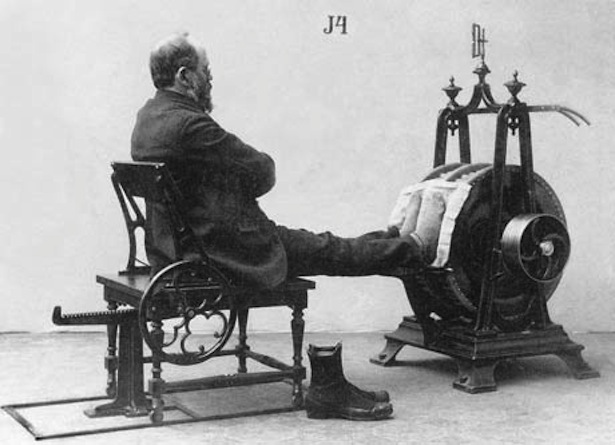
Credit: www.theatlantic.com
Credit: www.abc.net.au
Frequently Asked Questions
Who Is The Father Of Gym?
Friedrich Ludwig Jahn, often called the “father of gymnastics,” significantly impacted modern gym culture. He introduced physical education in Germany during the 19th century, promoting fitness and health through structured exercise routines. His influence shaped gymnastics worldwide, making exercise accessible and popular.
Where Was The First Gym In The World?
The world’s first gym was established in 1811 in Hesse, Germany. Friedrich Ludwig Jahn founded it to promote physical education. Known as “Turnplatz,” it became the cornerstone of modern gymnastics. Jahn’s vision was to enhance health, strength, and national pride through exercise.
When Were Gyms Invented In America?
Gyms in America were introduced in the 19th century. The first public gym opened in 1820 in Harvard University. Fitness centers gained popularity in the 20th century with the rise of bodybuilding. Today, gyms are integral to American fitness culture.
Who Started The First Gym?
The first gym was created by Hippolyte Triat in the 19th century. He opened a large gymnasium in Paris, France. This gym focused on physical fitness and strength training, laying the foundation for modern gyms. His initiative popularized structured exercise routines and paved the way for today’s fitness centers.
Conclusion
The journey of gym invention fascinates many. Ancient Greeks loved physical fitness. Their passion laid the foundation for modern gyms. Over time, gyms evolved. They became places for health and community. Today, gyms offer diverse exercises. People connect, train, and improve well-being.
The gym’s invention shaped how we view fitness. Each visit to the gym celebrates this rich history. It reminds us of the importance of staying active. Fitness is for everyone, everywhere. Embrace this legacy. Stay healthy and inspired.