Have you ever stepped into a gym and wondered, “Who made this place possible?” Gyms have become integral to our lives, offering a sanctuary for health, fitness, and well-being.
But behind every weight rack, treadmill, and yoga mat lies a fascinating history and a visionary idea. Understanding who made the gym and why can transform how you view your workout space. This story is not just about bricks and mortar; it’s about people, passion, and the pursuit of a healthier lifestyle.
If you’re curious to uncover the origin story of gyms and how they became a global phenomenon, you’re in for an intriguing read. Let’s dive into the past and discover the pioneers who reshaped how we stay fit today.
Credit: trainingwithmatt.co.uk
Ancient Beginnings
Early civilizations laid the foundation of gyms. Ancient Greeks pioneered public gymnasiums for physical training. These spaces promoted health and social interaction.
The concept of a gym is not a modern invention. Its roots trace back to ancient times, where the idea of physical fitness was already taking shape. The ancient beginnings of gyms reveal much about how past civilizations valued strength and health. These early fitness practices highlight the importance they placed on athleticism, competition, and personal well-being.Greek Influence
The ancient Greeks were pioneers in the world of physical fitness. They believed in a strong body to accompany a strong mind. This philosophy led to the creation of gymnasiums, which were not just places to work out but also centers for learning and social interaction. Gymnasiums were open-air facilities where citizens could train for the Olympic Games. They weren’t just for athletes; everyone was encouraged to join. Imagine walking into a gym today and finding people engaged in both physical and intellectual pursuits. The Greeks integrated fitness into their daily lives, setting a precedent for future generations.Roman Fitness Practices
The Romans took inspiration from the Greeks but added their flair. They built elaborate bathhouses that doubled as fitness centers. These spaces became community hubs where fitness, relaxation, and socializing were all part of the experience. Romans were keen on maintaining their military strength. They integrated exercises that simulated combat scenarios, enhancing both stamina and agility. You might wonder how this approach compares to modern military training. It’s a testament to how ancient practices laid the groundwork for diverse fitness routines seen today. Have you ever thought about how your current workout routine might be influenced by these ancient practices? The echoes of Greek and Roman fitness philosophies can still be felt in modern gyms. By understanding these historical roots, you can appreciate the timeless value of physical fitness, and perhaps find new motivation in your own fitness journey.Medieval And Renaissance Developments
The history of gym culture owes much to medieval and renaissance eras. During these times, physical training evolved significantly. It was shaped by societal needs and intellectual movements. These developments laid the groundwork for modern fitness practices.
Chivalric Training
In medieval Europe, chivalric training was essential for knights. It focused on strength, agility, and combat skills. Knights practiced horseback riding and sword fighting. These exercises were crucial for battle readiness. Training was rigorous and structured. It included drills and mock battles. This physical conditioning was a precursor to organized fitness. It emphasized discipline and endurance.
Humanism And Physical Education
Renaissance thinkers embraced humanism, valuing the human body. This philosophy inspired new approaches to physical education. Scholars like Vittorino da Feltre integrated physical training into education. They believed in developing mind and body equally. Schools began teaching gymnastics and dance. These activities promoted flexibility and grace. Humanism fostered appreciation for health and well-being. It influenced the evolution of gym practices.
Industrial Revolution Impact
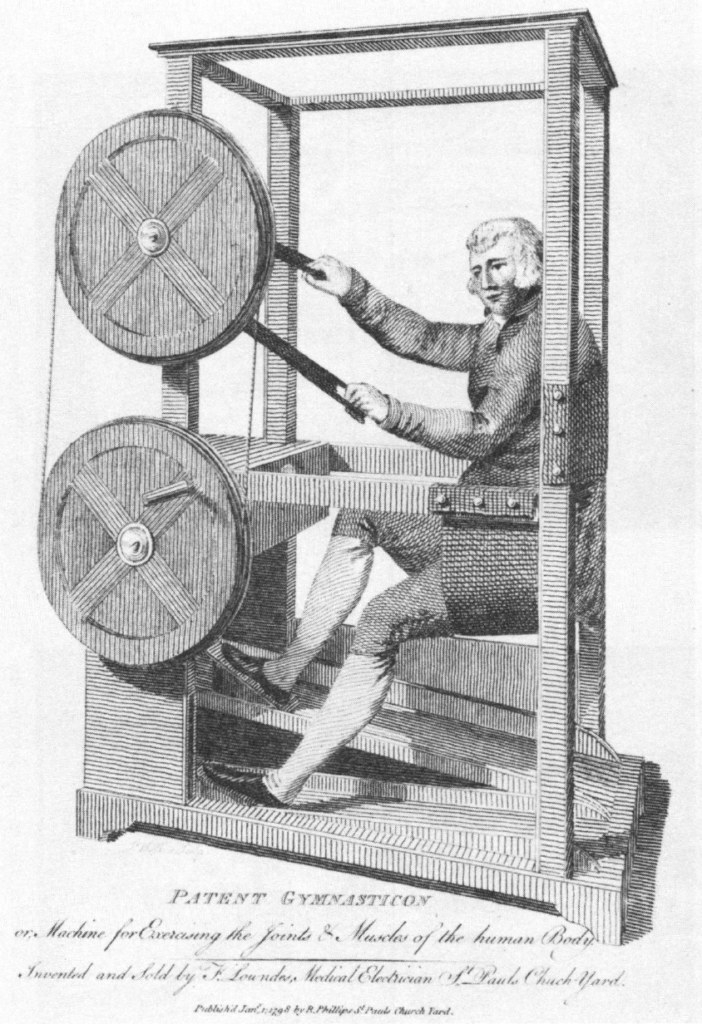
The Industrial Revolution greatly influenced gym culture. Factories and urbanization changed lifestyles. People needed spaces to stay active. Gyms emerged to meet this need, offering exercise and health benefits.
The Industrial Revolution was a turning point in history, influencing nearly every aspect of life, including how people approached health and fitness. It sparked a wave of urbanization, changing the way communities lived and worked. This shift had significant implications for physical activity, laying the groundwork for the gyms we know today.Urbanization And Health
The Industrial Revolution drove people from rural areas to cities in search of work. As cities expanded, the traditional lifestyle of farm labor and outdoor activity diminished. Instead, many found themselves in factories, working long hours in confined spaces. This new urban lifestyle posed challenges to health. With limited physical activity during work, people needed new ways to stay fit. Have you ever noticed how even today, urban living often means finding creative ways to stay active? This need for exercise in a city environment was a direct result of the industrial shift.Emergence Of Gymnasiums
As urbanization grew, so did the need for spaces where people could exercise. Gymnasiums began to emerge, offering an organized environment for physical activity. These early gyms were not just places to lift weights but centers for holistic health, including gymnastics and other physical training. You might be surprised to learn that these gyms were often influenced by educational ideals. They aimed to improve not just physical health, but also mental and moral development. Think about the gyms you visit today—how many offer classes in mindfulness or stress management? The seeds of that holistic approach were planted way back during the Industrial Revolution. This period set the stage for the modern fitness industry. It showed that even in times of great change, our need for physical health remains constant. How do you think the gyms of the future will evolve in response to today’s challenges?
Credit: kingsbox.com
20th Century Fitness Evolution
The 20th century saw a significant transformation in the fitness world. This era was marked by a shift in how people viewed exercise. Health became a priority, leading to new fitness trends. Innovations in exercise techniques emerged during this time. The rise of gyms played a crucial role in this evolution. Fitness enthusiasts began to explore various forms of workouts. This period laid the groundwork for modern fitness practices.
Bodybuilding Pioneers
Bodybuilding gained popularity in the early 20th century. Legends like Eugen Sandow paved the way. He was a strongman and a symbol of physical culture. Sandow’s influence spread across Europe and America. He held public displays of strength and muscle. His work inspired many to take up bodybuilding. The focus was on sculpting the body through weightlifting. This era saw the rise of bodybuilding competitions. These events were a showcase of strength and physique.
Aerobics And Group Exercise
The late 20th century introduced aerobics. Aerobics became a popular form of exercise. It was a fun way to stay fit and healthy. Group exercise classes became a social activity. People enjoyed working out together in a lively setting. Jane Fonda’s workout videos were a hit. These videos brought aerobics into homes worldwide. Aerobics focused on cardiovascular health and endurance. It combined rhythmic movements with upbeat music. This era emphasized the importance of heart health. Group exercises created a sense of community among participants.
Modern Fitness Industry
The modern fitness industry is dynamic and ever-evolving. Driven by technology and global trends, it shapes how people stay fit. Today, gyms are more than just spaces with weights and treadmills. They integrate cutting-edge technology and cater to diverse fitness needs.
Technological Advancements
Technology plays a crucial role in modern gyms. Wearable devices track workouts and monitor progress. Fitness apps offer personalized training plans and virtual classes. Smart equipment adjusts settings based on user profiles. These innovations make workouts more efficient and enjoyable. Virtual reality workouts transport users to immersive fitness environments. This unique experience motivates users to stay active.
Global Fitness Trends
Fitness trends vary worldwide, reflecting diverse cultures and lifestyles. High-intensity interval training (HIIT) remains popular for quick results. Yoga and mindfulness practices promote mental well-being alongside physical health. Group classes foster community and camaraderie among participants. Online fitness platforms expand access to workouts globally. People now enjoy workouts from the comfort of their homes. Sustainability is gaining attention, with eco-friendly gyms emerging. These trends shape the future of fitness for people everywhere.
Credit: www.facebook.com
Notable Figures In Gym History
Pioneers like Friedrich Jahn and Eugen Sandow shaped the gym’s early days. Jahn introduced outdoor gymnastics in Germany. Sandow popularized bodybuilding in the late 1800s. Their ideas laid the groundwork for modern fitness culture.
When you think of the gym, you might picture modern machines and bustling fitness classes, but it wasn’t always this way. The history of gyms is rich with notable figures who have shaped the way we view fitness today. Understanding their contributions can provide valuable insights into your own fitness journey.Eugen Sandow’s Legacy
Eugen Sandow is often referred to as the father of modern bodybuilding. In the late 19th and early 20th centuries, he popularized physical fitness through his impressive physique and public demonstrations. Sandow’s emphasis on symmetry and muscle development set the stage for future bodybuilders. He understood the power of media and used photography to showcase his physique, making fitness aspirational. Imagine a time when people first saw images of a sculpted body—Sandow made them dream of what was possible. His legacy lives on in bodybuilding competitions worldwide, including the prestigious Mr. Olympia.Jack Lalanne’s Influence
Jack LaLanne was a pioneer in promoting fitness as a daily habit. Known as the “Godfather of Fitness,” he inspired generations with his TV show that started in the 1950s. LaLanne believed that exercise and proper nutrition were keys to a long, healthy life. He was a man of action, not just words. From swimming handcuffed across the Golden Gate Channel to setting world records in push-ups, his feats were legendary. LaLanne’s fitness philosophy encouraged people to start small and stay consistent—advice that’s still relevant for you today. Have you ever wondered how these figures might influence your gym routine? Their dedication and innovations remind us that progress is built on the foundations laid by those before us. As you hit the gym, consider what legacy you want to leave behind in your fitness journey.Cultural Impact Of Gyms
Gyms have become more than places to exercise. They influence culture and social norms. Their impact goes beyond physical fitness. Gyms shape media, social interactions, and personal identities.
Media Representation
Gyms are often featured in movies and TV shows. They portray fitness as a lifestyle. Characters frequently visit gyms, making them central to many plots. This representation influences public perception of fitness. It suggests gyms are essential for a healthy life.
Fitness magazines and online platforms showcase gym routines. They highlight the importance of staying fit. These media outlets create a standard of beauty and health. They make gym culture popular and desirable.
Social Aspects Of Fitness
Gyms are social hubs for many people. They provide a space to meet new friends. Members often form communities based on shared goals. These connections can motivate and support individuals on their fitness journeys.
Group classes foster camaraderie among participants. People bond over shared experiences. This social aspect enhances gym culture. It makes fitness a communal activity rather than a solo endeavor.
Frequently Asked Questions
Who Was The Founder Of Gyms?
Gyms trace their origins to Ancient Greece, where physical fitness was emphasized. The concept evolved over time, with the first modern gym founded by Friedrich Jahn in Germany in the early 19th century. Jahn’s focus was on gymnastics and promoting physical education among the youth.
Who Started The World Gym?
World Gym was founded by Joe Gold in 1976. He was a bodybuilding enthusiast and fitness pioneer. His vision was to create an inclusive space for fitness lovers. World Gym quickly became a popular destination for bodybuilding and fitness training.
Which Was The First Gym?
The first gym dates back to ancient Greece around 700 BC. Known as a “gymnasium,” it served as a training facility for athletes. Here, young men practiced wrestling, running, and other physical activities, promoting both physical and mental education. Gyms have evolved significantly since those early beginnings.
Who Created The Idea Of Working Out?
The idea of working out dates back to ancient Greece. Greeks valued physical fitness and created gymnasiums for exercise. Influential figures like Hippocrates and Galen emphasized health benefits of physical activity. This laid groundwork for modern fitness practices.
Conclusion
The gym’s history is rich and fascinating. From ancient Greece to modern times, gyms have evolved greatly. They started as simple spaces for exercise. Now, they are complex fitness centers. Influential figures shaped this journey. Their passion and dedication paved the way.
Today, gyms help millions stay fit and healthy. This evolution continues. New trends and technology will drive future changes. Understanding gym origins adds appreciation for these fitness spaces. It’s exciting to imagine what comes next. Stay active and enjoy the gym experience.

One Response