Have you ever stepped into the gym feeling excited and ready to conquer your workout, only to find yourself struggling with weights that usually feel light? You’re not alone.
Many of us experience days when our strength seems to vanish into thin air, leaving us wondering, “Why am I weaker today? ” Understanding this phenomenon can be frustrating, but it’s also crucial for improving your fitness journey. By the end of this article, you’ll discover the hidden factors that might be sapping your strength and learn how to turn those off-days into powerful progress.
Dive in and unlock the secrets that could transform your gym experience!
Physical Factors
Feeling weaker at the gym some days can be due to various physical factors. Lack of sleep, poor nutrition, and dehydration often impact strength and energy levels. Stress and insufficient recovery time also contribute to decreased performance during workouts.
Feeling weaker on certain days at the gym can be perplexing. Physical factors often play a significant role in these fluctuations. Understanding these can help you optimize your workouts and maintain steady progress. Let’s delve into some key elements that might be affecting your strength levels.Sleep Quality
The quality of your sleep directly impacts your performance in the gym. Poor sleep can leave you feeling sluggish and less motivated to hit your personal bests. Aim for 7-9 hours of restful sleep to allow your muscles to repair and your energy levels to replenish.Nutritional Intake
What you eat fuels your workouts. Consuming a balanced diet with the right mix of carbohydrates, proteins, and fats can make a huge difference. If your meals are lacking in essential nutrients, you may find yourself running out of steam halfway through your session.Hydration Levels
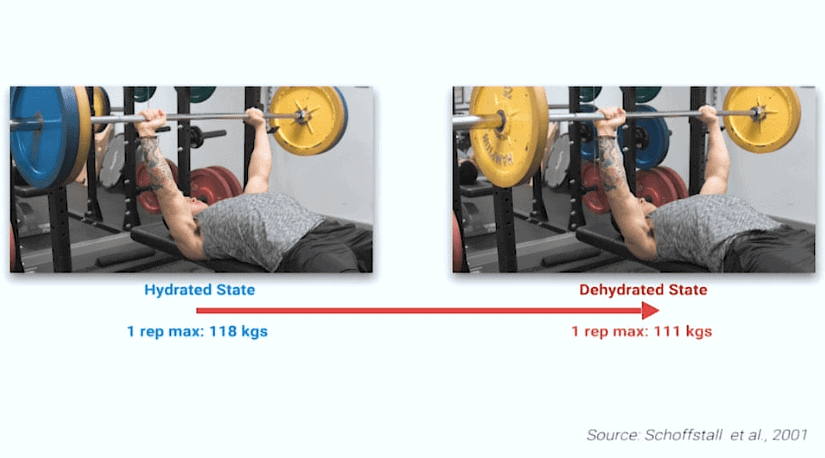
Even mild dehydration can lead to a noticeable dip in strength. Water is vital for muscle function and energy production. Keep a water bottle handy and ensure you’re drinking enough before, during, and after your workouts.Injury And Recovery
Your body needs time to heal, especially after intense workouts. Ignoring minor aches can lead to injuries, which might explain those weaker days. Listen to your body and allow adequate recovery time to come back stronger. — Ever noticed how a bad night’s sleep leaves you feeling off? Or how skipping breakfast impacts your morning workout? These physical factors intertwine with your gym performance. Paying attention to them can help you harness consistent energy and strength. What changes will you make today to ensure a stronger tomorrow?
Credit: www.youtube.com
Psychological Influences
Ever felt weaker during a gym session despite your usual routine? Psychological influences play a big role. Your mind can impact your physical performance. Understanding these influences can help improve your gym experience. Stress, motivation, and mental fatigue are key factors.
Stress And Anxiety
Stress can drain your energy. High stress levels affect concentration. Anxiety can lead to muscle tension. This tension reduces strength. Managing stress can boost your gym performance. Relaxation techniques may help.
Motivation Variability
Motivation isn’t constant. Some days, you’re more driven. Other days, less so. This affects your workout intensity. Setting clear goals can maintain motivation. Visualizing success might increase your drive.
Mental Fatigue
Mental fatigue can be exhausting. It clouds your focus. Your muscles might feel heavy. This fatigue can stem from overthinking. Rest is crucial for mental recovery. Breaks can refresh your mind.
Environmental Conditions
Feeling weaker in the gym on certain days can puzzle many fitness enthusiasts. One key factor often overlooked is the environmental conditions. These elements can significantly affect your performance. Let’s explore how different aspects of the environment can play a role in your gym experience.
Gym Atmosphere
The atmosphere of your gym can impact your strength levels. A crowded gym can increase stress and decrease focus. Noise levels also matter. Loud environments can distract, reducing workout efficiency. Poor ventilation can lead to fatigue. Stuffy air makes breathing difficult, causing quicker exhaustion. Ensure your gym has a comfortable atmosphere for better performance.
Weather Impact
Weather outside can influence your gym performance. Hot weather can lead to dehydration. This reduces energy and strength. Cold weather can stiffen muscles. This makes it harder to lift weights. Humidity levels also play a role. High humidity can cause sweating and fatigue. Adjust your hydration and clothing based on the weather.
Time Of Day
The time of day affects your body’s energy levels. Morning workouts can feel tough due to low energy. Your body needs time to wake up. Afternoon workouts might feel better. Your body is fully awake, offering more strength. Evening workouts can also be challenging. Fatigue from the day can impact your performance. Find the time when you feel strongest.
Credit: builtwithscience.com
Lifestyle Choices
Feeling weaker at the gym can be frustrating. Lifestyle choices often impact your physical performance. Understanding these choices can help you manage energy levels better. Let’s explore some key lifestyle factors.
Work-life Balance
Balancing work and life is tough. Stress from work drains energy. Long hours at a desk can lead to fatigue. This fatigue affects gym performance. Finding balance is crucial. Prioritize rest and recovery. Ensure adequate sleep each night. A balanced life fuels a stronger workout.
Social Commitments
Social activities are enjoyable but can be exhausting. Late nights with friends reduce sleep hours. Less sleep makes muscles weaker. Social events sometimes lead to poor diet choices. Junk food decreases energy levels. Monitor social commitments for better gym results.
Travel And Routine Disruption
Travel disrupts normal routines. Changing time zones affects sleep patterns. Sleep deprivation weakens muscles. Different environments impact workout habits. Irregular meals during travel lower energy. Stick to a consistent routine, even on trips. Adapt workouts to travel conditions.
Biological Rhythms
Ever wondered why some gym sessions feel tougher? Biological rhythms play a big role. Our bodies follow natural cycles. These rhythms impact energy and strength. Understanding them can help improve workout results.
Circadian Rhythms
Circadian rhythms are 24-hour cycles. They affect sleep and activity levels. Your body clock controls these rhythms. A disrupted sleep schedule can leave you tired. This tiredness can lower your performance in the gym.
Morning workouts might feel harder. Your body temperature is lower. Energy levels peak later in the day. Late afternoon or early evening might be the best time to exercise. Listen to your body’s signals.
Hormonal Fluctuations
Hormones affect strength and energy. These fluctuate throughout the day. Cortisol levels peak in the morning. This hormone helps with alertness. But too much can cause stress and fatigue.
Testosterone also impacts strength. It’s higher in the morning. But for some, its effects show later. Women may notice changes due to menstrual cycles. Hormones can make workouts vary from day to day.
Being aware of these fluctuations helps. Plan workouts around your body’s natural patterns. This can enhance performance and motivation.

Credit: www.youtube.com
Training Variables
Some days, feeling weaker in the gym can be frustrating. Factors like sleep quality, nutrition, and stress affect performance. Adjusting training variables might help balance energy and strength levels.
Feeling weaker on some days at the gym can be frustrating, especially when you’re committed to your fitness journey. Understanding the training variables can help you pinpoint the reasons behind these fluctuations. By focusing on intensity, volume, progressive overload, and rest and recovery, you can fine-tune your workouts for consistent progress and strength gains.Intensity And Volume
Intensity refers to the level of effort or exertion you put into your workouts. On some days, you may feel less energetic or motivated, affecting the intensity of your lifts. Consider how your body’s energy levels vary daily. Volume is the total amount of work performed, usually measured in sets and reps. If you’re doing too much volume without enough intensity, your muscles might not be adequately challenged. Balancing both can prevent feeling weaker.Progressive Overload
Progressive overload is about gradually increasing the weight, frequency, or number of reps in your training. If your body is not adapting as quickly as you’d like, it might be because you’re not adjusting your workouts to keep challenging yourself. Think about how often you change your workout routine. Are you pushing yourself enough, or have you hit a plateau? Small tweaks in your approach can reignite your strength gains.Rest And Recovery
Rest and recovery are crucial for muscle repair and growth. Lack of proper recovery can lead to fatigue and decreased performance in the gym. Have you given your body enough time to recover between sessions? Evaluate your sleep quality and nutrition. Are you supporting your body’s needs effectively? Sometimes, a simple tweak in your recovery process can make a significant difference in your gym performance. Training variables play a crucial role in how strong you feel during workouts. By managing intensity and volume, ensuring progressive overload, and prioritizing rest and recovery, you can maintain strength consistently. What’s your experience with these variables? How have they impacted your gym sessions?Adaptive Responses
Some days, you might find yourself lifting weights with ease, while on others, even your warm-up feels like a Herculean task. This inconsistency can be puzzling, but it often boils down to adaptive responses within your body. Understanding these responses can help you navigate the ups and downs of your fitness journey.
Muscle Adaptation
Your muscles are constantly adapting to the stress you put them under. When you introduce new exercises or increase the weight, your muscles undergo changes to become stronger. This adaptation process is essential for growth, but it can also lead to temporary weakness. As your muscles repair and grow, they might not perform at their peak. This is why after a particularly tough workout, you might feel weaker for a day or two.
Think of those moments when you pushed yourself harder than usual. The next day, your muscles might feel sore and less responsive. That’s adaptation in progress. It’s a sign that your body is gearing up to become stronger and more resilient. Embrace these days as part of your growth journey.
Nervous System Fatigue
Your nervous system plays a crucial role in muscle performance. It controls muscle contractions and coordinates movements. However, it can become fatigued from intense workouts or lack of proper rest. This fatigue can lead to decreased strength and coordination, making you feel weaker.
Consider a time when you didn’t sleep well or had a stressful day. Your nervous system might be overworked and less effective in sending signals to your muscles. This can result in a less than optimal workout. It’s a reminder that mental and physical health are intertwined.
As you reflect on these adaptive responses, ask yourself: How can you better support your body during these phases? Can you adjust your routine to accommodate these fluctuations? Understanding your body’s signals can make all the difference in your fitness journey.
Frequently Asked Questions
Why Are Some Days At The Gym Harder Than Others?
Some days are harder due to factors like fatigue, stress, nutrition, or inadequate rest. Hormonal changes and workout intensity can also impact performance. Listen to your body and adjust your routine as needed. Staying consistent and balanced helps overcome these challenges.
Why Do Some Days I Can’t Lift As Much?
Some days you can’t lift as much due to fatigue, stress, or inadequate sleep. Nutrition and hydration impact performance. Muscles may need recovery time after previous workouts. Hormonal changes can affect strength levels. Listen to your body and adjust your routine accordingly for optimal results.
What Is The 3-3-3 Rule In The Gym?
The 3-3-3 rule in the gym involves doing three sets of three exercises, each for three minutes. This structure helps improve strength, endurance, and efficiency in workouts. It’s a versatile approach suitable for various fitness levels, promoting balanced muscle development and consistent progress.
Why Do My Muscles Feel Flat Some Days?
Muscles may feel flat due to dehydration, lack of glycogen, or insufficient nutrient intake. Rest days or reduced activity can also contribute. Ensure proper hydration, balanced nutrition, and adequate rest to maintain muscle fullness. Regular exercise and recovery support optimal muscle appearance and performance.
Conclusion
Feeling weaker in the gym happens to everyone. It’s normal. Some days, energy levels drop due to stress or lack of sleep. Nutrition plays a big role, too. Make sure you eat enough and stay hydrated. Listen to your body.
Rest is crucial. Don’t push yourself too hard. Remember, progress isn’t always linear. Patience is key. Every workout counts towards your goals. Stay consistent and keep a positive mindset. Your strength will return. Prioritize self-care and balance. The journey is just as important as the destination.
Keep moving forward, one step at a time.