Feeling weak in the gym can be frustrating and demotivating. You walk in with high hopes, ready to conquer your workout, but then something feels off.
Your energy levels are low, your muscles don’t respond like they usually do, and even the simplest exercises feel like a struggle. Sound familiar? You’re not alone. Many people experience these off days, and the reasons behind them can be surprisingly simple.
Your body is like a complex machine, and sometimes, all it needs is a little tweak to get back to its peak performance. We’ll dive into the most common reasons why you might feel weak in the gym. We’ll explore how factors like nutrition, sleep, and stress can play a role in how you feel. We’ll also share practical tips to help you regain your strength and energy, so you can make the most of your workouts. Whether you’re a seasoned athlete or just starting your fitness journey, understanding these factors can make all the difference. Stick around to uncover the secrets to feeling your best in the gym, every time you step foot in there.

Credit: www.muscleandstrength.com
Common Causes Of Weakness
Feeling weak in the gym can stem from poor nutrition, dehydration, or lack of sleep. Insufficient rest and inadequate diet often lead to low energy levels, affecting performance. Ensuring balanced meals and proper hydration might help improve strength and endurance during workouts.
Feeling weak at the gym can be frustrating. You walk in with high hopes but find yourself unable to lift weights or complete your workout. This can leave you wondering what’s wrong. The truth is, several common factors might be affecting your strength and energy levels. Let’s take a look at some of these causes and see if any resonate with you.Poor Nutrition
What you eat directly impacts your performance. Skipping meals or choosing unhealthy snacks can leave you feeling sluggish. Your body needs fuel, just like a car needs gas. Without the right balance of carbohydrates, proteins, and fats, your energy levels will drop. Have you ever noticed how a balanced breakfast gives you energy throughout the day? Try adding whole foods, like fruits and lean proteins, into your diet before hitting the gym.Lack Of Sleep
Ever tried working out after a sleepless night? It’s challenging. Sleep is when your body recovers and rebuilds muscle tissue. Without it, you’ll feel tired and weak. Consider your bedtime routine. Are you scrolling through your phone late at night? Aim for at least 7-9 hours of quality sleep to feel strong and ready for your workout.Overtraining
Sometimes, more isn’t better. Pushing your body too hard without enough rest can lead to overtraining. This results in fatigue and decreased performance. Listen to your body. Are you feeling sore and exhausted all the time? It might be time to incorporate rest days into your routine. Rest allows your muscles to recover and grow stronger. These are just a few reasons you might feel weak during your workouts. Reflect on your habits and see if any of these factors might be affecting you. Adjusting your nutrition, sleep, or training routine could make a big difference in how you feel at the gym.
Credit: www.youtube.com
Importance Of Balanced Diet
Feeling weak at the gym? A balanced diet provides essential nutrients that boost energy levels. Proper nutrition fuels your muscles, helping you perform better and recover faster. Eating a mix of proteins, carbs, and healthy fats can prevent fatigue and enhance your workout effectiveness.
Feeling weak in the gym can be frustrating, especially when you’re eager to make progress. But have you ever considered how important your diet is in this equation? A balanced diet is crucial for fueling your workouts and ensuring your body has the energy it needs.Essential Nutrients
Your muscles need essential nutrients to perform at their best. Proteins are your muscle builders; they repair and grow muscle tissue after a hard workout. Carbohydrates provide quick energy for those intense sets, while healthy fats support long-term endurance. Consider your last meal before hitting the gym. Did it include these nutrients? A simple mix like grilled chicken with quinoa and avocado can make a big difference.Hydration
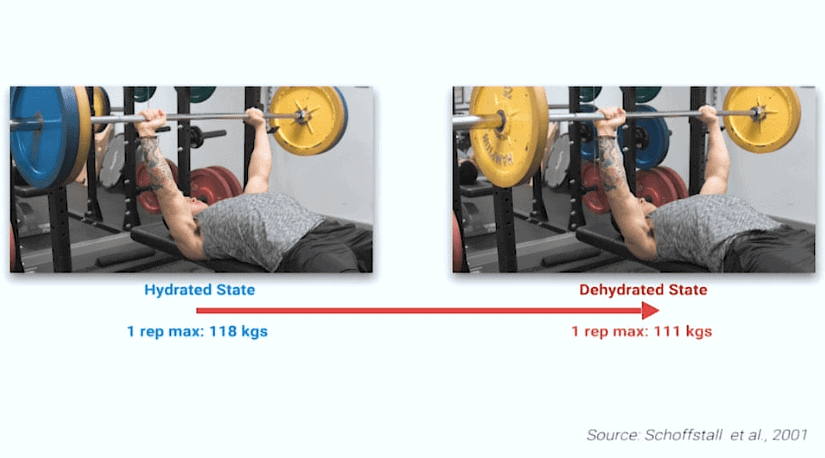
Hydration is another key aspect often overlooked. Water keeps your muscles functioning smoothly and prevents cramps. It’s not just about drinking water during your workout; it’s about maintaining a steady intake throughout the day. Think about the last time you felt sluggish lifting weights. Could dehydration be the culprit? Try carrying a water bottle and sipping regularly, not just when you’re thirsty.Balanced nutrition can transform your gym performance. It’s not just about what you eat, but how you fuel your body. Are you ready to rethink your diet strategy for better results?
Role Of Sleep In Strength
Feeling weak in the gym could be tied to poor sleep. Sleep plays a crucial role in muscle recovery and strength. Inadequate rest disrupts hormonal balance, affecting performance and energy levels during workouts. Prioritizing quality sleep boosts gym endurance and overall health.
Feeling weak in the gym is a common issue, and often, the culprit is something you might overlook: sleep. Quality sleep is crucial for building strength. It impacts how your muscles recover, grow, and perform during workouts. Have you ever noticed how a restless night leaves you dragging through your sets? Let’s dive into why sleep is so vital for your strength and how it can transform your gym experience.Sleep Cycles
Your sleep is composed of cycles, each lasting about 90 minutes. These cycles include light sleep, deep sleep, and REM (rapid eye movement) sleep. Deep sleep is where the magic happens for your muscles. During this phase, your body releases growth hormones essential for muscle repair and growth. Missing out on deep sleep can leave you feeling weak and fatigued. Consider setting a regular sleep schedule to ensure you move through enough cycles each night. Have you ever tracked your sleep? It’s worth checking out how consistent your cycles are.Recovery Benefits
Sleep does more than just rest your mind; it actively aids in muscle recovery. This is when your body repairs muscle tissues broken down during workouts. Adequate sleep helps reduce muscle soreness, allowing you to hit the gym stronger the next day. Think about a night when you slept well. Did you notice a difference in your energy and performance? Aim for 7-9 hours of sleep each night to optimize your recovery and strength gains. Tips for better sleep: – Stick to a regular sleep schedule, even on weekends – Create a bedtime routine to signal your body it’s time to wind down – Keep your bedroom cool and dark – Limit screen time before bed Feeling strong in the gym starts with prioritizing your sleep. Are you giving your body the rest it truly needs?Managing Overtraining
Feeling weak in the gym can often be a sign of overtraining. Many fitness enthusiasts push themselves too hard, leading to exhaustion. Understanding the effects of overtraining is crucial to maintaining physical health. Balancing workouts helps in sustaining energy levels for effective gym sessions.
Signs Of Overtraining
Overtraining manifests through various symptoms. You might experience constant fatigue and decreased performance. Sleep quality may deteriorate, leading to irritability and mood swings. Frequent injuries can be another indicator. Soreness lasting several days is also a warning sign. Recognizing these symptoms early helps in avoiding severe consequences.
Creating A Balanced Routine
A balanced routine supports recovery and prevents overtraining. Include rest days in your schedule for muscle repair. Mix different types of workouts like strength and cardio. This diversity keeps your routine engaging and effective. Listen to your body and adjust intensity based on how you feel. Proper nutrition and hydration play a significant role in maintaining energy. Ensure you have a well-rounded diet to support your fitness goals.
Mental Factors Affecting Strength
Feeling weak at the gym might be due to mental factors like stress or lack of focus. Anxiety can drain energy levels, while negative thoughts may lower motivation. Concentrating on positive thinking and mindfulness can help improve strength and performance during workouts.
Feeling weak in the gym can be frustrating, especially when your mind seems to be working against you. Mental factors play a crucial role in physical strength and overall performance. Understanding these can help you push through barriers and achieve your fitness goals.Stress Impact
Stress is more than just a mental burden; it can physically drain you. Your body responds to stress by releasing cortisol, a hormone that can sap your energy and weaken your muscles. Imagine trying to lift weights while carrying an invisible heavy backpack—stress does just that. High stress levels can disrupt your focus and lower your motivation. You might find it hard to concentrate on your workout or feel less driven to complete it. Next time you feel weak, ask yourself: Is stress weighing me down?Building Mental Resilience
Developing mental resilience can transform your gym experience. Start by setting small, achievable goals to build confidence and momentum. Celebrate your progress, no matter how minor it seems. Practice mindfulness techniques like deep breathing or visualization to calm your mind. Picture yourself successfully completing your workout, feeling strong and capable. Regularly challenge negative thoughts that undermine your strength. Replace them with positive affirmations to boost your self-belief. Remember, mental strength is a muscle that grows stronger with exercise. By focusing on mental resilience, you can enhance not just your gym performance but your overall well-being. So, what small change can you make today to strengthen your mind?Enhancing Physical Performance
Feeling weak in the gym can be frustrating. It might hinder your progress. Enhancing physical performance is key to overcoming this challenge. Achieving more energy and strength requires a strategic approach.
Effective Workout Strategies
Focus on compound exercises. They engage multiple muscle groups. Squats and deadlifts are great examples. These exercises build strength efficiently. Use progressive overload. Gradually increase weight or reps. Your muscles adapt and grow stronger. Ensure proper form always. It prevents injuries and maximizes results.
Incorporating Rest Days
Rest is crucial for muscle recovery. It helps prevent burnout. Schedule regular rest days in your routine. Listen to your body. Rest when you feel fatigued. Rest days improve performance. They allow muscles to repair and strengthen. Adequate sleep also aids recovery. Aim for 7-8 hours each night.
Supplements For Strength
Feeling weak at the gym might be due to nutritional gaps. Supplements for strength can help improve energy and muscle performance. They ensure your body gets essential nutrients, supporting a more effective workout.
Feeling weak in the gym can be discouraging. Many people turn to supplements for strength to boost performance. These supplements can provide the body with essential nutrients. They can help improve energy, endurance, and muscle growth. Understanding which supplements work best is key to enhancing your gym experience.Popular Supplements
Creatine is a widely used supplement. It increases strength and muscle mass. It also helps in quick recovery after workouts. Protein powders, like whey or plant-based options, provide essential amino acids. They aid in muscle repair and growth. Branched-chain amino acids (BCAAs) reduce muscle fatigue. They also improve exercise performance. Beta-alanine helps delay muscle fatigue. It allows for longer and more effective workouts.Safety And Efficacy
Before starting any supplement, check its safety. Research the ingredients and their effects. Consult a healthcare professional for guidance. Not all supplements are created equal. Look for those with scientific backing. This ensures they are both safe and effective. Read labels carefully for dosage instructions. Overconsumption can lead to side effects. Choose reputable brands with quality assurance. This ensures you get a pure product without harmful additives.Tracking Progress And Setting Goals
Feeling weak in the gym can frustrate anyone. Tracking progress and setting goals can help improve your strength. Knowing what you achieve helps keep you motivated. It also gives a clear path to follow for better results.
Monitoring Strength Gains
Track your workouts with a journal or app. Write down weights, reps, and sets. This record helps you see growth over time. Notice trends in your progress. Understand which exercises increase your strength. Adjust your routine based on these insights.
Regularly check your strength levels. Use exercises like squats or bench presses to measure them. Aim to lift more weight over time. Progress might seem slow, but it adds up. Celebrate each milestone as a sign of improvement.
Setting Realistic Targets
Set clear and achievable goals. Avoid aiming too high initially. Start with small targets that challenge but do not overwhelm. Break big goals into smaller steps. This makes them easier to reach.
Understand your limits before setting goals. Match them with your current fitness level. Consider your lifestyle, time, and energy. Balance ambition with reality. This ensures steady progress without burnout.
Revisit your goals often. Adjust them as needed. Stay flexible and open to change. Adapt to your body’s responses and achievements. This keeps your workout plan effective and engaging.
Credit: builtwithscience.com
Frequently Asked Questions
What Is The 3-3-3 Rule In The Gym?
The 3-3-3 rule involves three sets of three exercises performed with three minutes of rest between sets. This approach aims to enhance strength, endurance, and recovery efficiently. It’s suitable for a balanced workout routine, promoting muscle growth and improving overall fitness.
Should I Keep Working Out If I Feel Weak?
Listen to your body and rest if you feel weak. Pushing through could lead to injury or worsen fatigue. Light activities like stretching or walking might help. Prioritize hydration and nutrition to regain strength. Consult a healthcare professional if weakness persists or worsens.
Why Do I Lack Energy At The Gym?
Lack of gym energy can result from poor nutrition, dehydration, inadequate sleep, overtraining, or stress. Ensure balanced meals, stay hydrated, and get enough rest. Manage stress and allow recovery time to boost energy levels. Consider consulting a healthcare professional if issues persist.
Why Do I Feel Shaky And Weak When I Workout?
Feeling shaky and weak during workouts can result from low blood sugar or dehydration. Ensure you eat a balanced meal before exercising. Stay hydrated by drinking water before, during, and after workouts. If symptoms persist, consult a healthcare professional to rule out underlying health issues.
Conclusion
Feeling weak at the gym can be frustrating. Yet, it’s common. Many factors like diet, sleep, and stress affect energy levels. Understanding your body’s needs can help. Adjust your routine gradually. Listen to your body. Stay hydrated and eat balanced meals.
Rest is essential too. Consistent sleep supports muscle recovery. Consult a trainer or nutritionist for tailored advice. Remember, progress takes time. Stay patient and committed. Your strength will improve with effort. Keep pushing forward. You’ll see results soon.