Have you ever found yourself dreading gym class, feeling the pressure to perform in activities that just don’t interest you? You’re not alone.
Many students share this sentiment, which raises an important question: should gym class be mandatory? Imagine a school environment where you’re free to choose how you stay active, focusing on activities that truly excite and motivate you. This isn’t just a dream—it’s a possibility worth exploring.
By understanding why gym class shouldn’t be forced upon everyone, you can gain insights into how education can be more adaptable to your needs and preferences. Dive into this article to discover a new perspective that might just change the way you think about physical education.
Physical Education And Personal Choice
Physical education is a staple in many school curriculums, but should it be mandatory? The idea of gym class as an essential part of education is being questioned by students, parents, and educators alike. One major consideration in this debate is the balance between physical education and personal choice. Should students have the autonomy to decide how they stay active? Let’s explore this further.
Autonomy In Education
Students thrive when they have control over their own learning. Just like choosing elective subjects, having a say in how they engage in physical activities can boost motivation. Mandatory gym classes can feel restrictive, especially for those who dislike traditional sports.
Consider a student who loves dance but dreads basketball. Allowing them to choose dance as their form of exercise can lead to a more enthusiastic and committed approach to staying active. When you have a choice, you’re more likely to stick with it.
Isn’t it better to encourage students to pursue activities they enjoy? This way, physical activity becomes a habit, not a chore.
Individual Health Goals
Every student’s health journey is unique. While some might aim to build muscle, others might focus on flexibility or mental well-being. Mandatory gym classes often adopt a one-size-fits-all approach, which may not align with individual goals.
Imagine a student who wants to improve their mental health through yoga, but their gym class only offers team sports. This mismatch can lead to frustration and disinterest. Offering options that cater to diverse needs can foster a more inclusive and effective health education.
What if schools provided resources for students to design their own fitness plans? This could empower students to take charge of their health, leading to better outcomes.
Does forcing students into activities they dislike actually benefit their health? Or does it simply check a box on a report card?
By respecting personal choices and health goals, educational institutions can create a more supportive environment for all students. Isn’t it time to rethink how we approach physical education in schools?
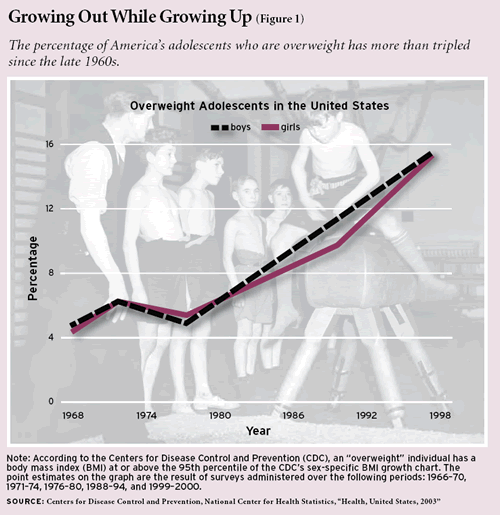
Credit: www.educationnext.org
Alternative Forms Of Exercise
Gym classes shouldn’t be mandatory because not everyone enjoys the same activities. Some prefer dancing, yoga, or hiking. These options offer health benefits and can be more enjoyable.
Alternative Forms of Exercise Have you ever felt that traditional gym classes just aren’t your thing? You’re not alone. Many people find themselves uninspired by the repetitive nature of gym workouts. The good news is, there are plenty of alternative forms of exercise that might just spark your interest and keep you active. These options can be just as effective, if not more so, in promoting a healthy lifestyle.Exploring Non-traditional Activities
Imagine swapping out the treadmill for a dance floor. Dance classes are a fantastic way to get moving and improve your fitness without stepping into a gym. Whether it’s salsa, hip-hop, or ballet, dancing offers a full-body workout while allowing you to express yourself creatively. Martial arts is another exciting option. Not only does it build strength and flexibility, but it also teaches discipline and self-defense. Plus, it’s an excellent way to relieve stress and boost confidence. Outdoor adventures like hiking and rock climbing are perfect for those who love nature. They challenge your body in unique ways, providing both cardiovascular and strength benefits. Picture yourself reaching the peak of a mountain and enjoying the breathtaking view—it’s a reward you won’t find on an exercise bike.Benefits Of Diverse Fitness Options
Incorporating diverse fitness activities into your routine can keep you motivated. When exercise feels like play, you’re more likely to stick with it. This can lead to better long-term health outcomes compared to traditional gym workouts that might feel like a chore. Trying out different exercises also reduces the risk of injury. By working out various muscle groups and avoiding repetitive strain, you keep your body balanced and strong. This holistic approach supports overall wellness and makes fitness more sustainable. Lastly, exploring new fitness avenues can enhance your social life. Joining a community of like-minded individuals in classes or clubs can lead to lasting friendships. Who knew that your next hiking buddy could be just around the corner? Considering these alternative forms of exercise, do you still think gym class should be mandatory? Or could schools offer a more flexible approach to physical education?Mental Health And Mandatory Gym Classes
When gym class is mandatory, it can have a significant impact on students’ mental health. While physical activity is crucial for overall well-being, not everyone finds solace in the gymnasium. For some, these classes can become a source of stress and anxiety, negatively affecting their self-esteem. Let’s delve into the mental health challenges that mandatory gym classes can pose.
Stress And Anxiety In Pe
Imagine walking into a gym class, knowing that you’re about to be judged on your athletic abilities. The pressure to perform can be overwhelming. Some students dread these classes, fearing embarrassment or ridicule. Are you one of them?
Structured physical activities can sometimes feel more like a test than a fun exercise. You might feel anxious about failing to meet expectations. This stress can overshadow the positive aspects of exercise, making you less inclined to participate willingly.
Have you ever skipped PE because of the anxiety it causes? You’re not alone. Many students find themselves in similar situations, prioritizing mental health over physical education.
Impact On Self-esteem
Think back to a time when you felt self-conscious during gym class. Did it impact your confidence? Poor performance can lead to feelings of inadequacy, affecting your self-esteem.
For some, the competitive nature of PE can amplify insecurities. Being picked last for a team or struggling to complete a task can be disheartening. These experiences can shape your self-image, often negatively.
Would it be better if gym class focused more on personal improvement rather than competition? Encouraging students to set their own goals might boost their self-esteem. By shifting the focus, PE can become a positive experience, enhancing mental health rather than hindering it.
Ultimately, it’s essential to consider whether mandatory gym classes truly serve students’ best interests. Are they enhancing mental health, or causing undue stress? Your thoughts on this matter could influence how schools approach physical education in the future.
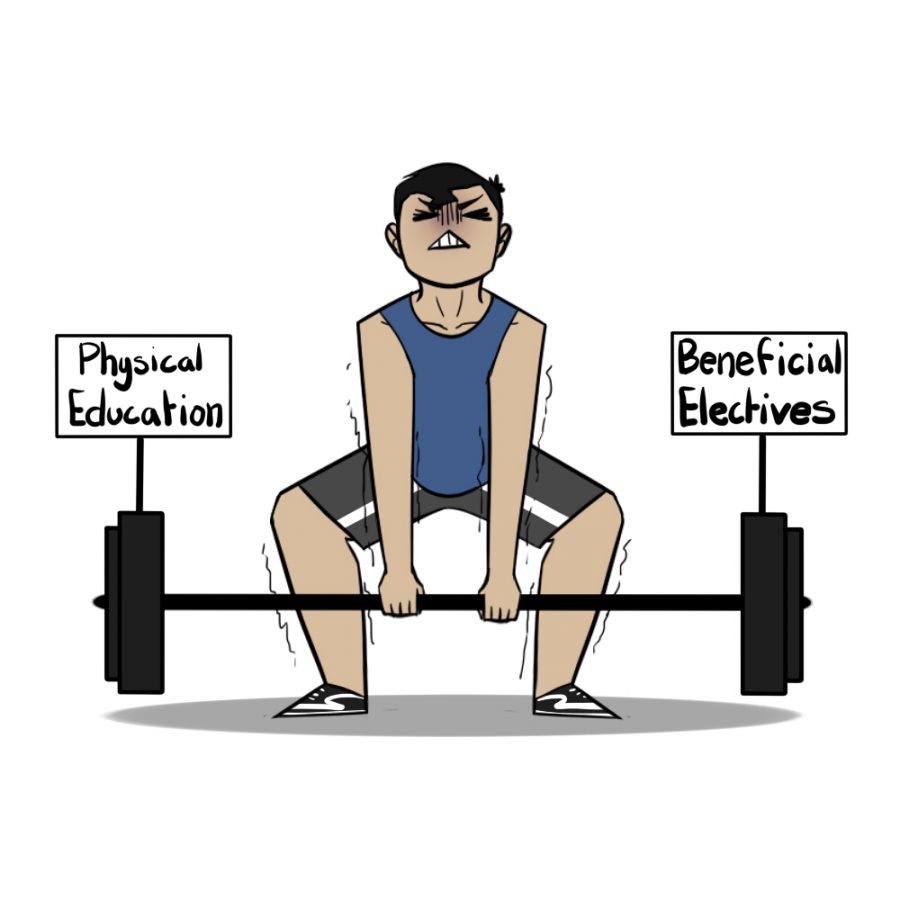
Credit: edinazephyrus.com
Academic Priorities And Time Management
Academic priorities often clash with the demands of mandatory gym classes. Students face the challenge of balancing their study schedules. Many argue that gym class should not be compulsory. The focus on academics is crucial for future success. Physical activity is important, but should not overshadow core subjects.
Balancing Study And Physical Activity
Students juggle numerous subjects. Time management becomes key to academic success. Prioritizing study time over gym class helps maintain focus. Students need time to prepare for exams and complete assignments. Physical activities can be scheduled outside school hours.
Focus On Core Subjects
Core subjects like math and science lay the foundation for careers. Students benefit from concentrating on these areas. Academic performance should not be compromised by mandatory gym classes. Schools should offer flexible options for physical activities. This allows students to allocate time efficiently.
Cultural And Social Considerations
Gym class can challenge students from different cultures. Their traditions may not include typical gym activities. This can create discomfort or stress. Not everyone feels the same about physical education. Understanding and respecting these differences is essential.
Respecting Diverse Backgrounds
Many schools have students from varied backgrounds. These students may have unique cultural practices. Some may not participate in certain activities. Gym class can force them into situations against their beliefs. It’s vital to respect their choices. Offering alternatives can make school a better place for them.
Social Dynamics In Gym Class
Social interactions in gym class can be tricky. Some students may feel left out or bullied. This environment can affect their confidence. Not everyone is athletic or competitive. Being forced into such settings can increase anxiety. Schools should consider these dynamics. A supportive environment helps all students thrive.
Economic Implications Of Mandatory Gym
The economic implications of mandatory gym classes are significant. Schools face financial challenges. Gym classes require substantial investments. These costs affect the entire school budget. Understanding these economic implications helps evaluate the feasibility of mandatory gym.
Cost Of Facilities And Equipment
Maintaining gym facilities is expensive. Schools must invest in quality spaces. They need proper flooring, lighting, and ventilation. Equipment like weights and mats adds to expenses. Frequent repairs and maintenance are necessary. This strains limited school resources.
New equipment purchases add financial pressure. Schools must replace worn-out gear regularly. This ensures safety and compliance with standards. Schools with tight budgets face challenges. They struggle to allocate funds effectively.
Resource Allocation
Mandatory gym impacts resource allocation. Schools must prioritize spending. Other subjects may suffer budget cuts. Arts and sciences might lose funding. This affects student learning opportunities.
Hiring qualified gym instructors also costs money. Schools need to offer competitive salaries. This requires reallocating funds from other areas. Limited budgets force tough decisions. This can lead to imbalances in educational offerings.
Mandatory gym classes create economic challenges. These impact students and schools. Understanding these implications is crucial.
Evaluating Educational Outcomes
Evaluating educational outcomes involves understanding the real benefits of gym class. Many argue gym classes are essential for physical fitness. Yet, their role in overall education needs scrutiny. Are they as effective as we believe? Delving into this question can shed light on whether gym classes should remain mandatory.
Measuring Pe Effectiveness
Physical Education, or PE, aims to boost students’ fitness levels. But how effective is it? Many students participate half-heartedly. Not all enjoy physical activities. This lack of enthusiasm can hinder true fitness benefits. Schools measure success by participation. But does mere participation equate to effectiveness? Some students excel in other areas. For them, mandatory PE might feel like a burden. Evaluating its effectiveness requires a closer look.
Long-term Health Impacts
Long-term health impacts of PE classes are often assumed positive. Regular exercise is vital. But does mandatory gym class encourage lifelong fitness? Many students engage only to meet requirements. This might not lead to lasting health habits. Encouraging self-directed fitness could be more beneficial. Mandatory classes might not instill a genuine love for exercise. Instead, it might create resistance. Schools should focus on fostering a positive attitude towards fitness.
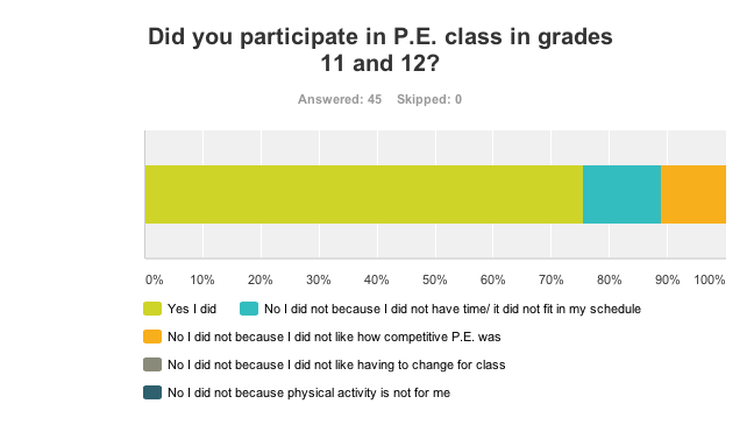
Credit: kendraselk.weebly.com
Frequently Asked Questions
Why Shouldn’t Pe Classes Be Mandatory?
Mandatory PE classes can overlook individual interests and abilities. Forced participation may lead to reduced motivation. Diverse learning needs require flexible curricula. Schools should focus on personalized fitness plans. Encouraging voluntary engagement can foster a lifelong love for physical activity.
Tailored approaches better support student wellness.
Why Should A Gym Class Be A Requirement?
Gym classes boost physical health, reduce stress, and improve mental well-being. They teach teamwork and discipline. Regular exercise enhances learning, memory, and academic performance. Mandatory gym classes promote lifelong healthy habits and ensure holistic development for students.
Why Shouldn’t Sports Be Mandatory In School?
Sports shouldn’t be mandatory in school as it may not interest all students. Diverse interests mean students should have choices. Mandatory sports can increase stress and detract from academics. Schools should promote physical activity but allow students to choose their preferred way to stay active.
Why Is The Gym Not Necessary?
You can stay fit without a gym by engaging in outdoor activities, home workouts, and bodyweight exercises. These alternatives offer flexibility, save money, and can be equally effective for maintaining health and fitness. Enjoy the freedom of exercising at your own pace and convenience without being tied to a gym membership.
Conclusion
Gym class should not be mandatory for all students. Not everyone enjoys sports. Some prefer art or music instead. Personal interests matter. Students should have choices in their education. This fosters engagement and happiness. Physical activity is important, but there are other ways.
Walking, biking, or dancing work too. Let students choose what they love. Schools should offer diverse options. Different paths lead to success. Encouraging choice builds motivation. Happy students learn better. Education isn’t one-size-fits-all. Let’s support every child’s passion.