Imagine cruising down a scenic path on your bike, the wind in your hair, and a sense of freedom in every pedal. But as you enjoy the ride, you might be wondering, “Is this actually building my leg muscles?”
You’re not alone in this curiosity. Many cycling enthusiasts and fitness seekers have the same question. The good news is that biking can be more than just a delightful escape; it can also be a powerful workout for your legs.
In this blog post, we’ll dive into how biking can sculpt and strengthen your leg muscles. You’ll discover the science behind the pedal power and learn how to make the most of your cycling routine. By the end, you’ll know exactly how to turn your ride into a muscle-building adventure. So, keep reading to find out how you can pedal your way to stronger, more defined legs.
Biking And Muscle Development
Are you wondering if biking can help you build leg muscles? Good news—biking is a fantastic way to strengthen your legs! As you pedal, your muscles work hard, pushing you forward and giving you a great workout. But how exactly does biking contribute to muscle development? Let’s dive into the specifics and see how this popular activity can help you achieve strong, toned legs.
How Biking Works Muscles
Biking is a dynamic exercise that engages your muscles through repetitive motion. As you push the pedals, your muscles contract and extend, working against the resistance of the terrain. This constant motion helps build strength and endurance.
Think about riding uphill. Your legs have to push harder, and this resistance helps break down muscle fibers. When these fibers repair, they grow back stronger and bigger. It’s like giving your legs a mini workout with every ride!
Regular biking can also improve muscle tone, making your legs look more defined. Just like lifting weights, the key is consistency. The more you ride, the more you’ll notice your muscles getting stronger and leaner.
Key Muscle Groups Engaged
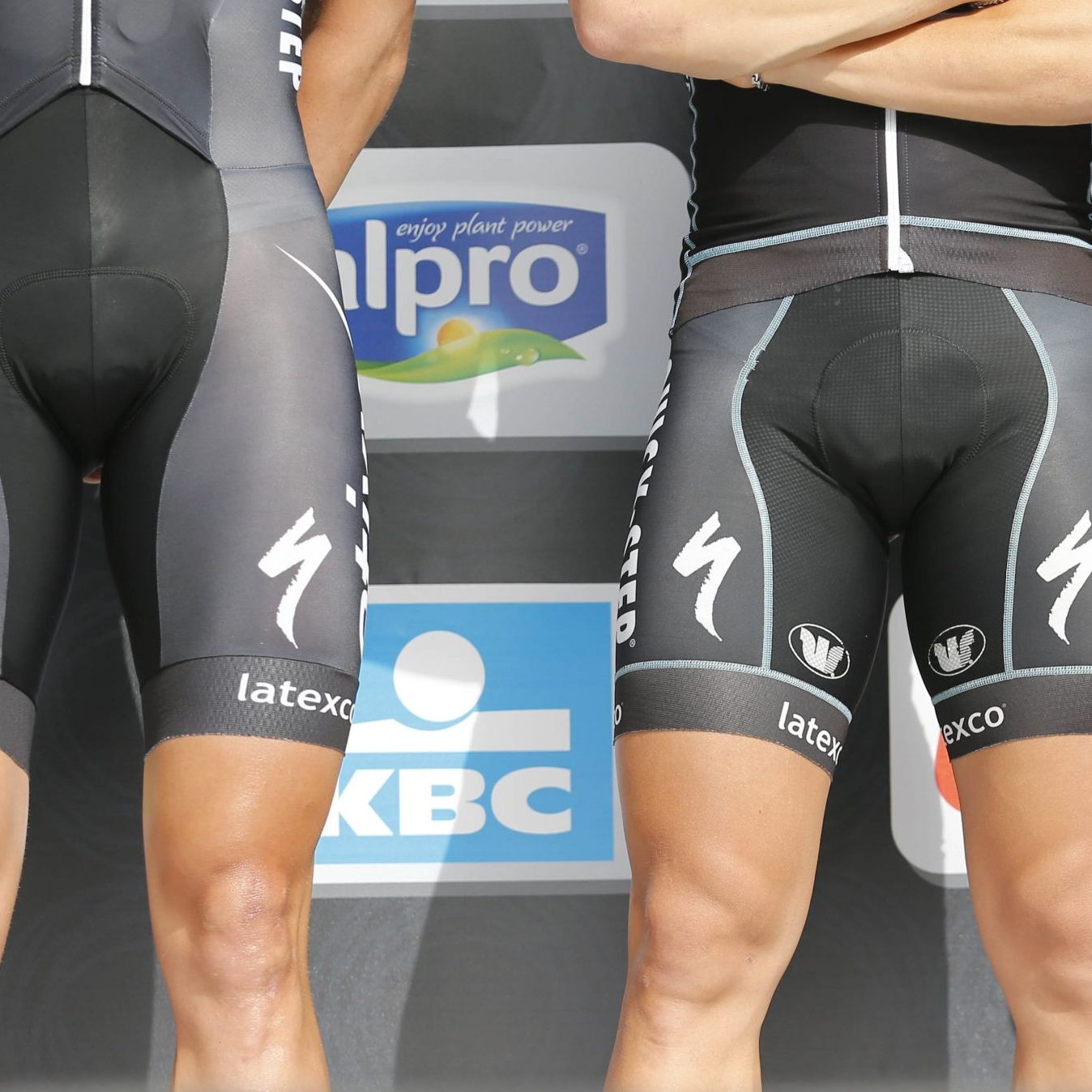
When you bike, you’re not just working one part of your leg. Different muscles come into play, each contributing to your overall strength. Your quadriceps, the muscles at the front of your thighs, are the main powerhouses during biking.
Your hamstrings, located at the back of your thighs, assist in pulling the pedals back up. Meanwhile, your calves get a workout as they help stabilize your feet on the pedals.
Even your glutes join the party, especially when you’re pushing hard. Together, these muscle groups create a balanced workout, helping you build a strong foundation for biking and other activities.
Comparing Biking To Other Exercises
You might wonder how biking stacks up against other leg exercises like running or weightlifting. Each has its benefits, but biking offers a unique advantage—it’s low-impact. This means it’s easier on your joints, making it a great option for those seeking a gentler workout.
Running can be tough on your knees and ankles, especially on hard surfaces. Biking minimizes this stress, allowing you to work out longer without discomfort. Weightlifting targets specific muscles but may not provide the same cardiovascular benefits as biking.
Have you tried biking as a part of your fitness routine? If not, why not give it a go? You might find it’s a fun way to stay active while building strong legs.
Biking isn’t just about getting from point A to B—it’s a powerful exercise for muscle development. Whether you’re cycling for fun or fitness, your legs will thank you for the workout. So, grab your bike and hit the road or trail. Your stronger, toned legs await!
Types Of Biking For Muscle Growth
Biking can effectively build leg muscles through different types like mountain biking, road cycling, and spin classes. These activities engage various muscle groups, promoting muscle growth and strength in the legs. Regular cycling sessions boost endurance and improve overall leg muscle tone.
Are you ready to build those leg muscles while enjoying the great outdoors or the comfort of your home? Biking is an excellent way to strengthen your legs, and the type of biking you choose can have a significant impact on your muscle growth. Whether you’re gliding on smooth pavements, tackling rugged terrains, or pedaling at home, each form of biking offers unique advantages. Let’s dive into the different types of biking that can help you achieve those muscular legs you desire.Road Biking Benefits
Road biking is a fantastic choice for those who love speed and long rides. It primarily targets your quadriceps, hamstrings, and calves as you pedal consistently over long distances. The smooth, continuous motion helps to build endurance and muscle definition. Do you often find road biking repetitive? Try varying your route with hills. Climbing inclines challenges your muscles more, promoting greater growth and strength.Mountain Biking Challenges
Mountain biking is not for the faint-hearted. It combines cardio with intense strength training as you navigate rough terrains. The constant changes in elevation and obstacles engage your entire lower body, from your glutes to your calves. Did you know mountain biking also enhances your balance and coordination? Each trail ride is a full-body workout, making it a challenging yet rewarding way to build muscle.Stationary Biking Considerations
Stationary biking is perfect for those who prefer indoor workouts or live in areas with less favorable biking conditions. It offers the convenience of cycling at any time, with adjustable resistance to suit your fitness level. Want to maximize muscle growth on a stationary bike? Opt for interval training. Alternating between high and low resistance settings can significantly boost your leg strength and endurance. Which biking style resonates with you? Each offers unique benefits, so consider your lifestyle and fitness goals when choosing the best fit for your muscle-building journey.Factors Influencing Muscle Gain
When it comes to building leg muscles through biking, several factors play a crucial role in determining how effective your ride will be. It’s not just about hopping on a bike and pedaling away; the intensity, resistance, and frequency of your biking sessions can significantly influence muscle growth. Understanding these elements can help you tailor your biking routine to maximize muscle gain.
Intensity And Duration
The intensity of your biking sessions matters. Pedaling leisurely around the neighborhood won’t challenge your muscles much. You need to push your limits. Try incorporating sprints or uphill rides into your routine. Short bursts of high-intensity biking can stimulate muscle growth.
Duration also counts. Longer rides can lead to endurance gains and muscle definition. Aim for a balance between intense short rides and longer sessions. This mix can lead to both strength and endurance.
Resistance Levels
Resistance is your ally when it comes to muscle building. Increasing the resistance on your bike will make your muscles work harder. Imagine biking uphill or against a strong wind; this is the kind of challenge your muscles need.
Adjust the gears on your bike to increase resistance. You can also choose routes with varied terrains. These changes require more effort from your legs, promoting muscle growth.
Frequency Of Biking
Consistency is key. How often you bike influences muscle development. If you only ride occasionally, your muscles won’t have the chance to grow.
Set a regular biking schedule. Aim for at least three to four sessions a week. This frequency gives your muscles ample opportunity to adapt and grow stronger.
Think about your goals. Are you aiming for toned legs or powerful, muscular thighs? Adjusting these factors can guide you towards achieving your desired muscle gain. Have you noticed a change in your leg muscles since you started biking? Share your experiences and tips in the comments below!
Biking Techniques For Muscle Building
Biking is not just a fun activity. It can also build leg muscles. But how you bike matters. Different techniques can enhance muscle growth.
In this section, we explore effective biking methods. These techniques focus on building stronger leg muscles. Let’s dive into some essential biking strategies.
Proper Pedaling Technique
Pedaling properly is crucial for muscle building. Keep a steady pace. Push down with the balls of your feet. Pull up with your heels. This technique engages different leg muscles.
A smooth, round pedal stroke is key. Avoid choppy movements. Consistent practice improves muscle endurance. It also reduces fatigue.
Using Gears Effectively
Gears are not just for speed. They play a vital role in muscle development. Use lower gears for uphill rides. This increases resistance and muscle workload.
Shift gears smoothly. Avoid sudden changes. Proper gear use makes biking efficient. It helps in targeting specific leg muscles.
Interval Training
Interval training boosts muscle growth. Alternate between high and low intensity. Sprint for a short time. Then, pedal slowly to recover.
This technique challenges your muscles. It increases strength and endurance. Regular interval training shows significant results over time.
Supplementary Exercises
Biking strengthens leg muscles effectively. Adding supplementary exercises enhances muscle growth. These exercises focus on different areas. They build strength and improve flexibility. Supplementary exercises also balance muscle groups. This ensures better performance while biking. Let’s explore some key exercises.
Strength Training For Cyclists
Strength training boosts leg power. It includes squats and lunges. These exercises target major leg muscles. They increase muscle endurance. Strong legs pedal more efficiently. Use weights to increase resistance. This builds muscle faster. Consistent training shows noticeable results.
Stretching And Flexibility
Stretching keeps muscles flexible. It prevents injury and muscle strain. Stretching before biking warms up muscles. After biking, it helps cool down. Focus on hamstrings and calves. Gentle stretches improve range of motion. Flexibility aids smooth pedaling. Regular stretching enhances cycling performance.
Core Workouts
A strong core supports leg muscles. Core workouts enhance balance. Planks and sit-ups are effective. They stabilize the body during cycling. A stable body reduces energy waste. Core strength improves biking efficiency. Include core exercises in your routine. They complement leg workouts well.
Credit: www.cyclingweekly.com
Nutritional Considerations
Biking can strengthen leg muscles, especially in the quadriceps, hamstrings, and calves. Nutritional considerations, such as protein intake, support muscle growth. A balanced diet enhances performance and recovery, maximizing biking benefits.
When you’re biking to build leg muscles, what you eat plays a crucial role. Nutrition is the backbone of any fitness journey, providing the energy and materials your body needs to grow stronger. Let’s dive into how you can optimize your diet to support your biking goals.Protein Intake For Muscle Growth
Protein is the building block of muscles. To promote muscle growth, you need to include enough protein in your daily diet. Consider eating foods like chicken, fish, eggs, and legumes. How much protein is enough? A general guideline is to consume about 1.2 to 2.0 grams of protein per kilogram of your body weight. This can vary based on your level of activity and personal goals. Balance is key. Pair your protein intake with carbs and healthy fats for a complete diet. This ensures your muscles have the energy to recover and grow after a biking session.Hydration And Energy Levels
Hydration directly impacts your energy levels and performance. When you’re biking, you lose water through sweat, which can lead to dehydration. This affects your stamina and may hinder muscle growth. Keep a water bottle handy. Drink before, during, and after your ride to maintain optimal hydration. Sports drinks can also help replenish electrolytes lost through sweat. Ever felt sluggish mid-ride? It might be due to low energy reserves. Eating complex carbs like whole grains and fruits provides a steady energy supply, so you can pedal longer and harder.Role Of Supplements
Supplements can be a useful addition to your diet, but they aren’t a substitute for whole foods. Protein powders can help meet your daily protein goals, especially if you’re on the go. Creatine is another supplement to consider. It may improve muscle strength and endurance, aiding in more intense biking sessions. Always consult with a healthcare professional before starting new supplements. They can help you determine what’s safe and effective based on your individual needs. How do you fuel your body for biking? Experiment with different foods and supplements to see what works best for you. Your body is unique, and finding the right balance can make all the difference in achieving your fitness goals.Common Myths Debunked
Many think biking won’t build leg muscles. This isn’t true. Regular biking tones and strengthens leg muscles effectively. Both beginners and pros can see gains in muscle definition and endurance.
When it comes to building leg muscles, biking is often surrounded by myths and misconceptions. Many people believe that cycling alone can transform their legs into muscular powerhouses or that it can specifically target fat loss in certain areas. However, these beliefs can be misleading. Let’s debunk some of the most common myths about biking and muscle building.Biking As Sole Muscle Builder
Biking is an excellent cardiovascular workout, but it isn’t a magic bullet for building leg muscles. While it does engage the quads, hamstrings, calves, and glutes, relying on biking alone won’t give you the muscular legs you might envision. Strength training exercises like squats and lunges are essential to complement your cycling routine for balanced muscle development. Consider adding resistance training a couple of times a week to your regimen. This combination not only enhances muscle growth but also improves cycling performance. Have you ever noticed how professional cyclists incorporate gym sessions into their training?Spot Reduction Misconceptions
Many people hope that cycling can target specific areas of fat loss, particularly in the thighs. The truth is, spot reduction is a myth. Cycling burns calories and can help with overall fat loss, but it doesn’t zero in on one specific area. Think of your body as a whole system. Losing fat in one area requires reducing overall body fat through a combination of exercise and diet. Have you ever been frustrated by stubborn fat in particular places? Remember, patience and a well-rounded approach are key.Gender Differences In Muscle Gain
Another common myth is that biking affects men and women differently in terms of muscle gain. While hormonal differences can influence muscle development, the principles of muscle growth are the same for everyone. Women often worry about getting “bulky,” but biking typically leads to lean muscle definition rather than massive muscle gain. Both men and women can benefit equally from cycling as part of a balanced fitness routine. It’s about finding the right balance for your goals. Are you ready to challenge the misconception that biking isn’t for everyone?
Credit: discover.hubpages.com
Expert Opinions And Research
Many people wonder if biking is good for leg muscles. Expert opinions and research provide a wealth of information on this topic. From scientific studies to personal experiences, biking is examined through various lenses.
Scientific Studies On Biking
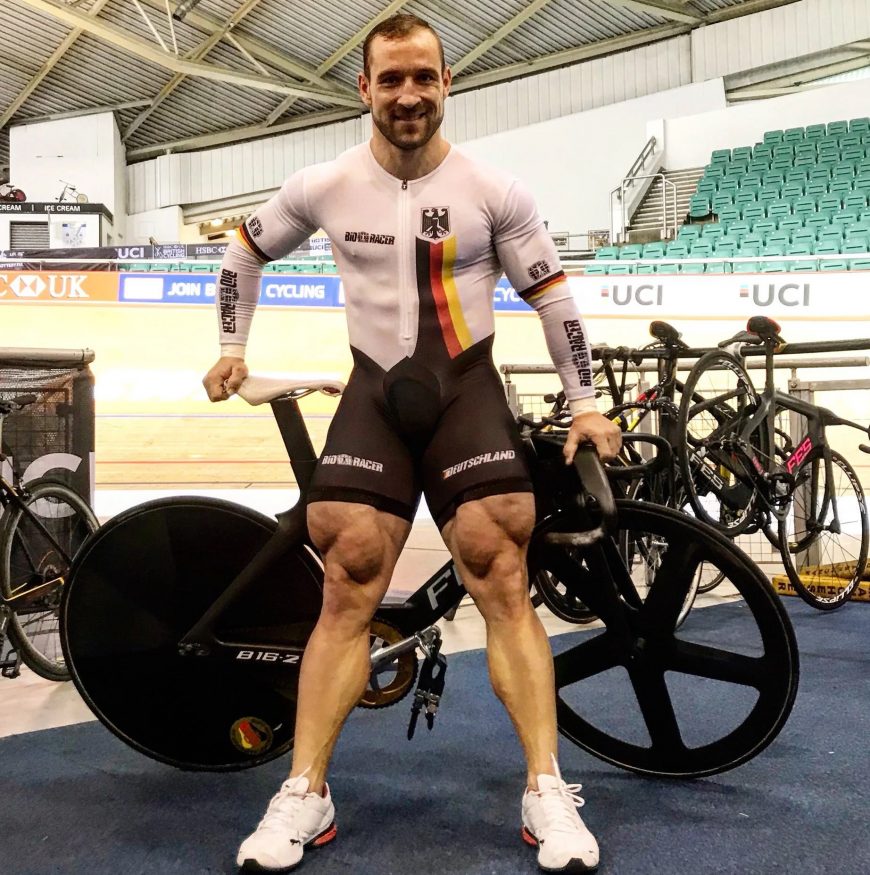
Studies show that biking strengthens leg muscles. Cycling regularly increases muscle mass and endurance. Research highlights improved muscle tone in cyclists. Lower body muscles benefit the most. Quadriceps, hamstrings, calves, and glutes show noticeable growth. This makes biking an effective leg workout.
Cyclist Testimonials
Many cyclists share their experiences. They often notice stronger legs after biking. Some report enhanced muscle definition. Others mention better stamina and flexibility. Biking has changed their fitness levels. Personal stories confirm biking’s benefits for leg muscles.
Trainer Insights
Fitness trainers offer valuable perspectives. They recommend biking for leg development. Trainers emphasize its low-impact nature. This makes biking suitable for all ages. They highlight consistent biking for muscle gains. Trainers also advise combining biking with other exercises for balanced muscle growth.
Credit: www.icebike.org
Frequently Asked Questions
How Long Should You Ride A Bike To Build Muscle?
Ride a bike for 30 to 60 minutes, three to five times weekly, to build muscle. Focus on varying intensity and incorporating hill climbs for better results. Consistency and proper nutrition are also essential for effective muscle growth.
How Long Will Cycling Take To Tone Legs?
Cycling can tone legs in 4 to 6 weeks with consistent effort. Aim for 30 minutes, 3 to 5 times weekly. Combine with strength training for faster results. Consistency and intensity are key for noticeable muscle definition. Adjust resistance levels to challenge your muscles effectively.
What Builds Bigger Legs, Running Or Cycling?
Cycling builds bigger legs than running. It engages more muscle groups in your thighs and calves. Running primarily tones and strengthens leg muscles without significantly increasing mass. For bulkier legs, opt for cycling with resistance.
Is Biking Enough Of A Leg Workout?
Biking provides a great leg workout by engaging muscles like quadriceps, hamstrings, calves, and glutes. It strengthens legs and improves endurance, but incorporating other exercises can enhance overall leg strength and balance.
Conclusion
Biking helps build strong leg muscles. Regular rides improve muscle tone. Pedaling works your quads, hamstrings, and calves. Uphill biking adds more challenge. It boosts strength and endurance. Gradually increase your biking intensity. This aids muscle growth over time. Mix biking with other workouts.
This balances leg development. Enjoy your rides and watch your muscles grow. Biking also benefits your heart and lungs. It’s a fun way to stay fit. Remember to rest. Muscles need time to repair and grow. Keep pedaling and enjoy the journey to stronger legs.