Are you on a mission to build muscle and find yourself pondering the role of carbs in your diet? You’re not alone.
The question of whether carbohydrates are a friend or foe in muscle building is a hot topic in the fitness world. Before you decide to cut them out or load up on them, it’s crucial to understand how they really impact your muscle growth journey.
Imagine achieving your fitness goals faster and more efficiently just by making a few tweaks to your diet. Intrigued? Let’s delve into the science behind carbs and muscle building, so you can make informed choices and see the results you desire.
Role Of Carbs In Muscle Building
Carbohydrates play a crucial part in muscle growth. They fuel workouts, helping you train harder and longer. Muscles need energy, and carbs provide it. But how do they work in the muscle-building process? Let’s explore.
Energy Source For Workouts
Carbs are the body’s primary energy source. They convert to glycogen, stored in muscles. During workouts, muscles use glycogen for energy. More energy means better performance and longer sessions. Stronger sessions lead to more muscle gains.
Supporting Muscle Recovery
Muscle recovery is vital for growth. Carbs help in this process. Post-workout, they replenish glycogen stores. This reduces muscle soreness and speeds up recovery. Quick recovery allows for more frequent training.
Insulin’s Role In Muscle Growth
Carbs trigger insulin release. Insulin is a hormone that aids muscle repair. It helps shuttle amino acids into muscles. This process enhances protein synthesis. Protein synthesis is crucial for building new muscle.
Balancing Carbs With Proteins
Balance is key in a muscle-building diet. Carbs and proteins work together. Proteins build and repair muscles. Carbs provide the energy to use proteins effectively. Together, they create an optimal environment for growth.
Carbs And Energy Production
Carbs play a crucial role in muscle building by providing energy for workouts. They replenish glycogen stores, essential for muscle recovery. Consuming carbohydrates aids in sustaining strength during exercise, facilitating muscle growth and repair.
Carbs and Energy Production Carbs are often misunderstood, especially when it comes to building muscle. While proteins usually get all the attention, carbs play a vital role in fueling your workouts and supporting muscle growth. They are the body’s primary energy source, ensuring that you have the stamina to push through intense training sessions.How Carbs Fuel Your Workouts
When you consume carbs, your body breaks them down into glucose. This glucose is then used as fuel for immediate energy or stored in your muscles as glycogen for later use. Ever felt that sudden energy slump during a workout? That’s your body signaling it’s running low on glycogen.The Glycogen Factor
Think of glycogen as your muscle’s energy reserve. The more glycogen your muscles store, the more power you have during workouts. If you’ve ever experienced hitting a personal best after a carb-rich meal, that’s the magic of glycogen at work.Balancing Carbs For Optimal Energy
Finding the right carb balance can be a game-changer. Too few carbs can leave you feeling sluggish, while too many might lead to unwanted weight gain. Have you ever tried adjusting your carb intake and noticed a difference in your energy levels? That’s the key to unlocking consistent performance.Practical Tips For Carbing Up
– Choose Complex Carbs: Opt for whole grains, sweet potatoes, and legumes. They provide sustained energy. – Timing Matters: Eat carb-rich meals a few hours before your workout to maximize glycogen stores. – Listen to Your Body: Everyone’s carb needs are different. Pay attention to how your body responds to different carb levels. Incorporating carbs strategically can make a world of difference in your muscle-building journey. Have you found your perfect carb balance yet?Glycogen Storage And Muscle Performance
Understanding the relationship between carbs and muscle growth is vital. Carbs play a crucial role in muscle performance. They contribute by storing glycogen in muscles. Glycogen is the primary energy source during workouts. Without adequate glycogen, muscle fatigue sets in quickly.
Glycogen: The Muscle Fuel
Glycogen is stored mainly in muscles. It provides energy for muscle contraction. During intense exercise, glycogen breaks down. This releases energy needed for activity. Low glycogen levels lead to reduced performance.
Impact Of Carbs On Glycogen Levels
Carbs are essential for replenishing glycogen. Eating carbs after workouts restores glycogen. This supports muscle recovery. It prepares muscles for the next exercise session. Without enough carbs, glycogen stores deplete.
How Glycogen Affects Muscle Performance
Adequate glycogen enhances endurance. It allows longer workout sessions. It improves strength and energy output. Muscles perform optimally with full glycogen stores. Depleted glycogen limits exercise potential.
Choosing The Right Carbs For Muscle Growth
Complex carbs are ideal for muscle glycogen. They provide sustained energy release. Include whole grains and vegetables in your diet. These foods maintain glycogen levels efficiently. They support long-lasting energy for workouts.
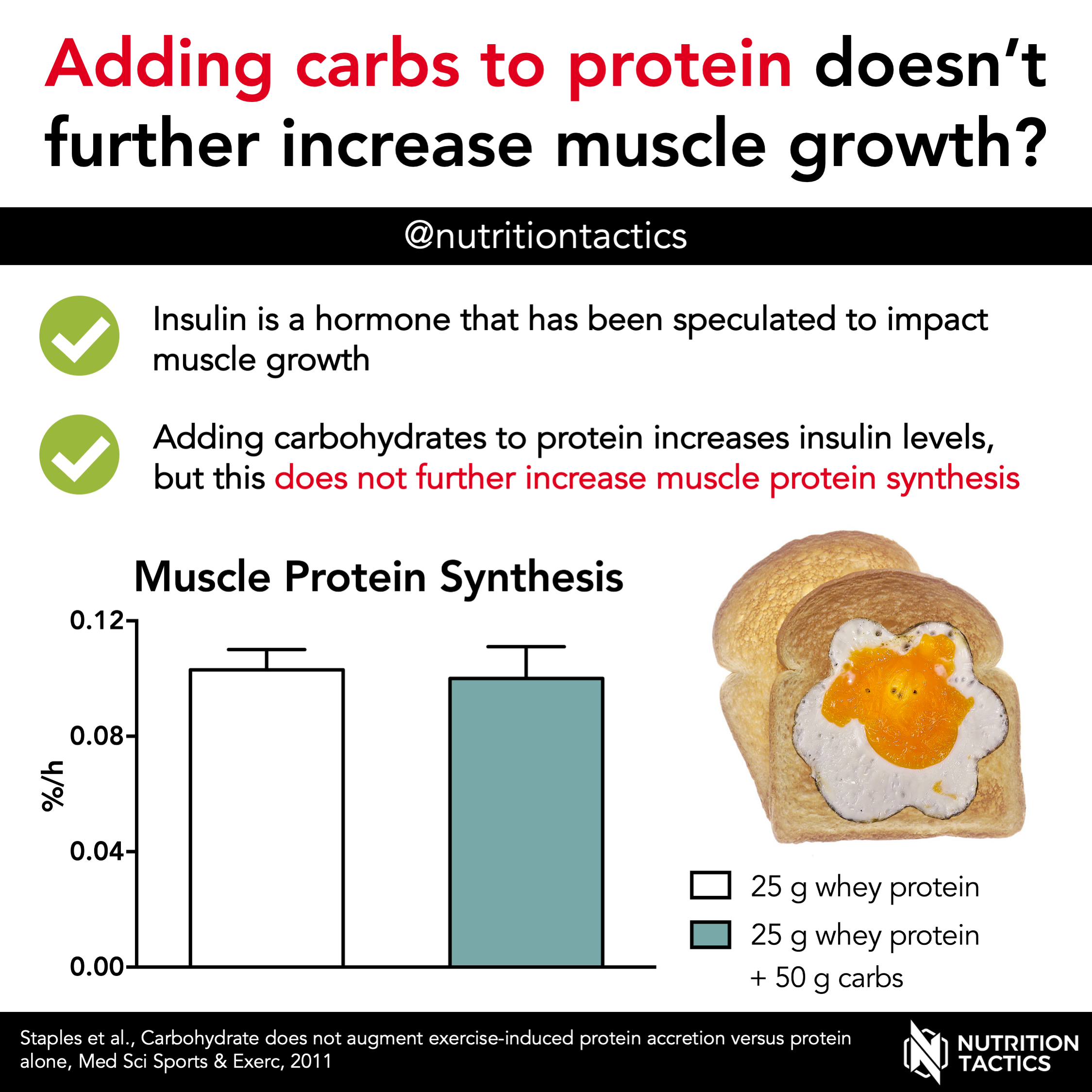
Credit: www.nutritiontactics.com
Carbs And Protein Synthesis
Carbs play a key role in muscle building. They do this by aiding protein synthesis. This process is essential for muscle repair and growth. Protein synthesis occurs when the body creates new proteins. These proteins help muscles recover and grow stronger. Carbs provide the energy needed for this process.
Carbs: The Energy Source For Protein Synthesis
Carbs fuel the body’s energy needs. During workouts, the body uses this energy. Energy is required for protein synthesis. Without carbs, muscles may lack the energy to grow. This can slow down progress in muscle building.
Insulin’s Role In Protein Synthesis
Carbs increase insulin levels in the body. Insulin helps with protein synthesis. It allows amino acids to enter muscle cells. Amino acids are the building blocks of proteins. This makes insulin crucial for muscle growth.
The Best Time To Consume Carbs
Eating carbs after a workout is beneficial. Post-workout carbs replenish glycogen stores. This helps the body recover and build muscle. Consuming carbs with protein enhances protein synthesis. This combination is effective for muscle repair.
Choosing The Right Carbs For Muscle Growth
Not all carbs are equal. Complex carbs are better for muscle building. They provide a steady energy release. Whole grains, vegetables, and fruits are good options. These carbs support sustained energy and protein synthesis.
Timing Carb Intake For Optimal Results
When it comes to building muscle, carbs can be your secret weapon, especially if you time them right. Carbs are often misunderstood, but they play a crucial role in muscle growth and recovery. By strategically planning your carb intake, you can enhance your workouts, speed up recovery, and boost muscle gains. Let’s dive into how timing your carbs can optimize your results.
Pre-workout Carb Loading
Think of carbs as fuel for your workouts. Eating them before you hit the gym can give you the energy you need to power through intense sessions. A good mix of complex carbs like oatmeal or whole grain bread can keep your energy levels steady. You might notice more stamina and endurance, which lets you push harder and lift heavier weights.
Post-workout Carb Refueling
After a workout, your muscles are like sponges, ready to absorb nutrients. This is the perfect time to replenish your glycogen stores with carbs. Pairing them with protein can help repair and grow muscle fibers. Think about a banana with a protein shake or sweet potatoes with grilled chicken.
Carbs And Rest Days
You might wonder if carbs are useful on rest days. The answer is yes. On these days, your body is recovering and building muscle. Eating a balanced amount of carbs can aid in this process. Opt for whole grains and vegetables to keep your energy levels stable without overloading your system.
Nighttime Carb Intake
Should you eat carbs before bed? It’s a common question. Eating carbs at night can be beneficial for muscle growth. It can help with recovery and prevent muscle breakdown as you sleep. A small serving of carbs like brown rice or quinoa can be effective. How do you feel after a day of well-timed carb intake?
By timing your carbs just right, you can turn them into a powerful ally in your muscle-building journey. Next time you plan your meals, think about when you’re eating your carbs. Experiment and see what works best for your body. Do you notice a difference in your energy and recovery?

Credit: betterme.world
Types Of Carbs For Muscle Gain
Carbohydrates play a vital role in muscle building. They provide the energy needed for workouts. Choosing the right type of carbs can enhance muscle gain. Understanding the difference between simple and complex carbs is crucial. Each type offers unique benefits for athletes and bodybuilders. Let’s explore these types of carbohydrates.
Simple Carbs
Simple carbs are sugars. They digest quickly and provide instant energy. Fruits, honey, and dairy products are good sources. Consuming simple carbs post-workout can boost energy. They help replenish glycogen stores in muscles. This rapid absorption aids in quick recovery. Simple carbs are ideal right after intense exercises.
Complex Carbs
Complex carbs digest slowly. They provide a steady release of energy. Whole grains, legumes, and vegetables are rich in complex carbs. These carbs keep you feeling full longer. They are beneficial for sustained energy during workouts. Complex carbs support a balanced diet for muscle growth. They help maintain stable blood sugar levels. This stability is key for consistent performance.
Carbs Vs. Fats: Fueling Muscle Growth
Building muscle requires proper nutrition. Carbs and fats are two key players. Each plays a unique role in muscle growth.
Carbs provide quick energy. Fats offer sustained energy. Understanding their roles helps in planning a muscle-building diet.
Carbs: The Quick Energy Source
Carbs are the body’s main energy source. They fuel workouts, helping you lift more and train longer. This is essential for muscle growth.
When you eat carbs, they’re stored as glycogen in muscles. During workouts, glycogen converts to energy. This prevents fatigue and keeps your performance high.
Fats: The Long-lasting Fuel
Fats offer a steady energy supply. They are crucial for longer workouts. While carbs are quickly used, fats provide lasting energy.
Healthy fats support hormone production. Hormones like testosterone play a role in muscle growth. Include sources like nuts, avocados, and fish in your diet.
Balancing Carbs And Fats
Both carbs and fats are important. A balance ensures optimal energy and muscle gain. Tailor your intake based on workout intensity.
For intense workouts, increase carbs. For lighter sessions, focus on healthy fats. This approach supports muscle recovery and growth.
Balancing Carbs With Other Nutrients
Balancing carbs with other nutrients is key to muscle growth. Carbs provide energy for workouts. But protein and fats also play roles. Understanding how these nutrients interact aids muscle building.
Understanding The Role Of Protein
Protein repairs and builds muscle tissue. Amino acids are the building blocks. Consuming adequate protein boosts recovery. It helps muscles grow stronger after exercise.
The Importance Of Healthy Fats
Fats support hormone production. Hormones like testosterone aid muscle growth. Healthy fats include avocados, nuts, and fish. They also provide energy for longer workouts.
Timing Your Nutrient Intake
Timing affects muscle growth. Eating carbs before workouts gives energy. Consuming protein after exercise aids recovery. Balanced meals support continuous muscle development.
Finding Your Ideal Nutrient Ratio
Each person has unique needs. Activity level influences nutrient ratios. More active individuals require more carbs and protein. Experiment to find your optimal balance.
Benefits Of A Balanced Diet
Balanced diets enhance muscle growth. They support overall health. Nutrients work together for effective results. Feeling energized and recovering faster are benefits of balanced eating.
Common Myths About Carbs And Muscle Gain
Many people believe carbs are the enemy of muscle gain. This idea often leads to confusion. While carbs can play a role in building muscle, myths surround their impact. Understanding these misconceptions can help you make better dietary choices.
Myth 1: Carbs Only Lead To Fat Gain
Some think carbs only make you gain fat. Not true. Carbs provide energy for workouts. They help fuel your muscles, allowing you to lift heavier weights. This energy boosts performance, aiding muscle growth.
Myth 2: You Must Avoid Carbs To Stay Lean
Another myth says cutting carbs keeps you lean. Balance is key. Carbs help replenish glycogen stores in muscles. This is essential after intense exercise. Proper carb intake supports recovery and muscle repair.
Myth 3: Protein Alone Builds Muscle
Protein is crucial, yes. But carbs also play a role. They work together with protein to support muscle growth. Carbs help transport protein to muscles, enhancing their growth potential.
Myth 4: All Carbs Are The Same
Not all carbs are equal. Whole grains, fruits, and vegetables offer more nutrients. They provide fiber and vitamins, supporting overall health. Choosing quality carbs can optimize your muscle-building efforts.

Credit: www.youtube.com
Personalizing Carb Intake For Individual Needs
Balancing carb intake can aid muscle growth. Carbs provide energy for workouts, fueling muscle repair and development. Adjusting carb levels based on activity and goals helps optimize muscle-building efforts.
When it comes to building muscle, carbs are often misunderstood. Personalizing carb intake is crucial for meeting individual fitness goals. Your body is unique, and so are your nutritional needs. Understanding how carbs can support your muscle-building journey is essential. Let’s explore how you can tailor your carb intake to fit your personal needs.Understanding Your Body’s Carb Needs
Everyone’s body processes carbs differently. Some people might need more carbs for energy, while others may require less. Consider your daily activity level, metabolism, and fitness goals. Tracking how your body responds to different carb levels can be enlightening. Use a food diary to note energy levels and workout performance.Balancing Carbs With Protein And Fat
Carbs don’t work in isolation. They are part of a bigger nutritional picture that includes proteins and fats. A well-balanced diet helps in maximizing muscle gain. Consider a ratio that works best for you. A common starting point is 40% carbs, 30% protein, and 30% fat. Adjust this based on how you feel and perform.Timing Your Carb Intake
When you eat your carbs can be just as important as how much you eat. Consuming carbs before a workout can provide energy. Post-workout carbs can aid in recovery. Experiment with different timing strategies. You might find that eating a carb-rich meal two hours before exercising fuels your sessions effectively.Adjusting Carbs For Different Activities
Your carb needs vary with the type of workout. Strength training might require different carb intake compared to endurance activities. Pay attention to how different workouts affect your energy and recovery. Adjust your carb intake accordingly to support performance and muscle growth.Listening To Your Body’s Signals
Your body often tells you what it needs, if you listen closely. Feeling sluggish or fatigued might indicate low carb intake. On the other hand, constant bloating could mean you’re having too many. Be open to adjusting your diet based on these signals. Your body knows best, and tuning into its needs can lead to better results.Seeking Professional Guidance
Sometimes, figuring out the right carb balance can be tricky. Consulting a nutritionist can provide tailored advice. They can help you understand your body’s specific needs. A professional can also assist in creating a meal plan that aligns with your muscle-building goals. This can save time and prevent frustration.Frequently Asked Questions
Should I Eat Carbs To Gain Muscle?
Yes, eating carbs is essential for muscle gain. Carbs provide energy for workouts and aid muscle recovery. They replenish glycogen stores, fueling muscles effectively. Include complex carbs like whole grains, fruits, and vegetables in your diet for optimal results. Balancing carbs with protein enhances muscle growth.
Do Carbs Help In Muscle Growth?
Yes, carbs are essential for muscle growth. They provide energy for workouts and recovery. Carbs replenish glycogen stores, which fuel muscles during exercise. Consuming carbs post-workout aids in muscle repair and growth. A balanced intake of carbs supports overall muscle-building efforts.
What Are The Best Carbs For Muscle Building?
Complex carbs are best for muscle building. Foods like whole grains, sweet potatoes, and brown rice provide sustained energy. They contain fiber and nutrients essential for overall health. Including a variety of complex carbs in your diet supports muscle growth and recovery.
How Many Carbs Should I Eat For Muscle Gain?
Carb intake varies based on individual needs. Generally, 3-7 grams per kilogram of body weight is recommended. This range supports energy levels and muscle growth. It’s important to adjust intake based on activity levels and goals.
Conclusion
Carbs play a vital role in muscle building. They provide energy for workouts. This helps in better performance and recovery. Including healthy carbs in your diet supports muscle growth. Think whole grains, fruits, and vegetables. Balancing carbs with protein aids effective muscle development.
Remember, moderation is key to avoid excess calories. Adjust your carb intake based on your activity level. Listen to your body’s needs for best results. By doing so, you’ll support your fitness goals and maintain energy. Fuel your body wisely for optimal muscle gains.