Are you on a quest to build muscle and enhance your fitness journey? You’ve probably heard about various supplements, but have you ever considered collagen protein?
With so much buzz around this unique protein source, it’s natural to wonder: will collagen protein really help you build muscle? Imagine unlocking a secret ingredient that could elevate your workout results and support your body’s natural processes. You’ll discover the truth behind collagen protein and its potential impact on muscle growth.
Get ready to unravel the science, benefits, and potential pitfalls, so you can make informed decisions about adding collagen to your fitness regime. Stick around, because what you learn might just redefine your approach to muscle building.

Credit: www.purelyinspired.com
What Is Collagen Protein
Collagen protein is a key component in maintaining healthy skin, joints, and tissues. While it’s not a complete protein, it supports muscle recovery and joint health, indirectly aiding muscle building. Combining collagen with other proteins enhances its benefits for muscle development.
Collagen protein is often touted as a game-changer in the world of health and fitness. You might have heard about its benefits for skin and joints, but did you know it might play a role in building muscle too? Understanding what collagen protein is could be your first step towards maximizing your fitness potential. Whether you’re a seasoned athlete or someone just starting their fitness journey, knowing the basics of collagen can open up new possibilities for muscle growth.Composition Of Collagen
Collagen is a fibrous protein that forms the structural foundation for your body’s connective tissues. It consists mainly of amino acids, including glycine, proline, and hydroxyproline. These amino acids are crucial for maintaining the strength and elasticity of your tissues. Unlike other proteins, collagen contains lower amounts of essential amino acids like leucine. However, its unique composition supports the repair and maintenance of muscles. Imagine having a natural scaffold in your body that supports your muscle tissues; that’s what collagen does.Sources Of Collagen
You can find collagen in various foods and supplements. Animal products such as beef, chicken, and fish are rich sources. Bone broth, a popular choice, is loaded with collagen and can be a tasty addition to your diet. There are also collagen supplements available that make it easy to boost your intake. Some people prefer these because they are convenient and can be mixed into drinks or smoothies. Have you tried adding collagen powder to your post-workout shake? It might be just what your muscles need to recover. Do you think you’re getting enough collagen in your diet? Considering its potential benefits, it might be worth exploring different sources to see what works best for you.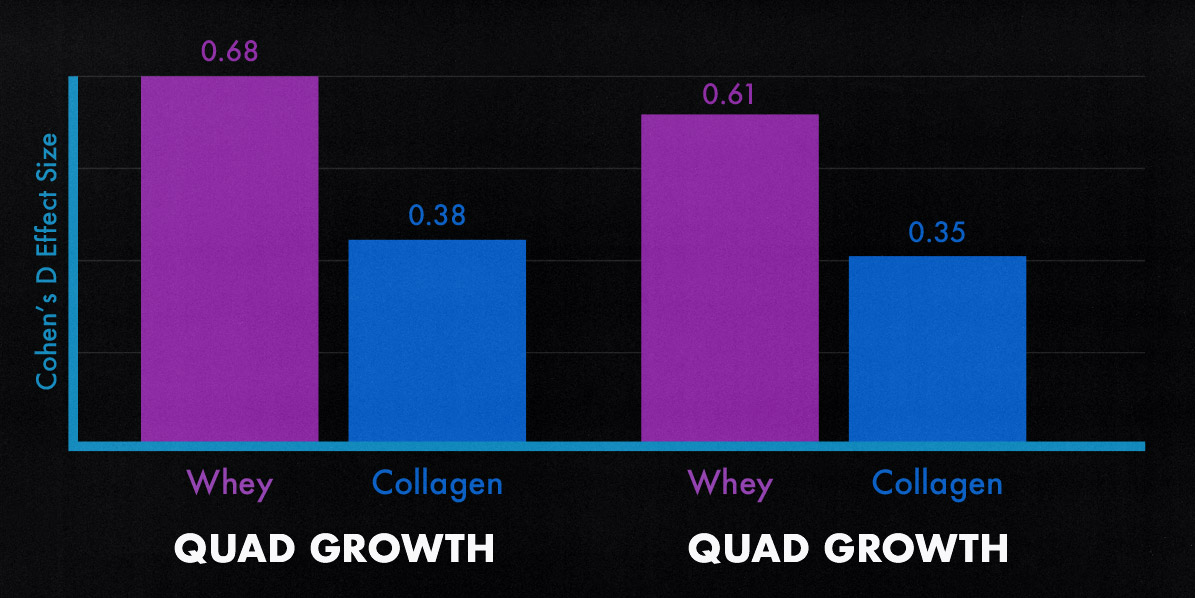
Credit: bonytobeastly.com
Role Of Collagen In The Body
Collagen protein supports muscle growth by aiding tissue repair and promoting strength. Essential for maintaining skin elasticity and joint health, collagen’s amino acids also enhance muscle recovery, making it valuable for fitness enthusiasts. While not a primary muscle builder, it complements other proteins in a balanced diet.
Collagen is often discussed in the context of beauty and wellness, but its role in the body extends far beyond just glowing skin or joint comfort. It is the most abundant protein in your body, acting as a building block for various tissues. Understanding how collagen functions can help you appreciate its importance in your daily life.Collagen And Skin Health
Collagen plays a pivotal role in maintaining skin elasticity and hydration. As you age, your body produces less collagen, leading to wrinkles and sagging skin. Including collagen-rich foods or supplements in your diet may help maintain a youthful appearance. Many people notice their skin feels smoother and looks more radiant when they boost their collagen intake. Have you ever tried a collagen supplement and noticed a change in your skin? This might be your body’s way of telling you that it’s getting the support it needs.Collagen’s Impact On Joints
Collagen is essential for joint health, acting like a cushion between bones. It helps maintain the integrity of cartilage, which is crucial for smooth movement. Athletes often use collagen supplements to support their joints and prevent injuries. Even if you’re not an athlete, keeping your joints healthy is important for staying active as you age. Think about your daily activities. Wouldn’t you want to feel comfortable and pain-free while doing them? Collagen can be a part of that solution.Collagen might not directly build muscle like whey protein, but its benefits are undeniable. By supporting skin health and joint function, it complements your efforts to stay fit and healthy. So, will you consider adding collagen to your diet today?
Collagen Vs. Traditional Protein Powders
Collagen protein supports skin and joint health but isn’t as effective as traditional protein powders for building muscle. Traditional protein powders contain essential amino acids critical for muscle growth. Collagen lacks some of these essential amino acids, making it less ideal for muscle building.
When you’re aiming to build muscle, the protein powder you choose can make a difference. While traditional whey and casein proteins are popular, collagen protein is gaining traction. But how do they compare? Understanding the nuances of collagen versus traditional protein powders can help you make an informed choice.Amino Acid Profiles
Collagen protein has a unique amino acid profile. It’s rich in glycine, proline, and hydroxyproline, which are great for joint and skin health. However, it lacks some essential amino acids necessary for muscle building, like leucine. On the other hand, traditional protein powders like whey are complete proteins. They contain all nine essential amino acids in higher concentrations. This makes them more effective for muscle growth. Think about your goals. Are you looking for overall health benefits, or is muscle building your primary focus? The amino acid profile should guide your choice.Absorption And Utilization
Collagen is known for its excellent absorption. Your body can quickly use it for skin, joint, and bone health. But when it comes to muscle building, its effectiveness is limited. Traditional protein powders, particularly whey, are also easily absorbed. They quickly deliver amino acids to your muscles. This makes them ideal for post-workout recovery. Have you ever noticed a difference in your recovery time when using different proteins? Your body’s ability to absorb and utilize proteins can affect your results. The choice between collagen and traditional protein might depend on your specific needs. If you value quick recovery and muscle growth, traditional options might be your best bet. But if you’re looking for joint support and skin benefits, collagen could be a valuable addition to your regimen. Remember, the best protein for you is the one that aligns with your personal goals and lifestyle. What matters most is how you feel and the results you experience. What are your priorities when it comes to protein supplementation?Collagen’s Potential For Muscle Growth
Collagen protein has gained popularity among fitness enthusiasts. People believe it can support muscle growth. While not a complete protein, collagen has unique properties. It might aid muscle development in specific ways. Understanding its potential can help you decide if it’s right for you.
Collagen And Muscle Repair
Muscle repair is crucial after intense workouts. Collagen plays a role here. It contains amino acids like glycine and proline. These are vital for tissue repair. They help in the recovery process. This aids in rebuilding muscles after exercise. Faster recovery can lead to more effective workouts. This might indirectly support muscle growth.
Collagen’s Role In Muscle Synthesis
Muscle synthesis is essential for growth. Collagen offers specific amino acids. These include hydroxyproline, which is not in other proteins. While collagen lacks essential amino acids, it still supports synthesis. It complements other proteins in your diet. This synergy can enhance your body’s muscle-building capacity.
Scientific Studies On Collagen And Muscle Gain
Research shows collagen protein may support muscle growth. It provides amino acids that aid in muscle repair. Some studies suggest improvements in body composition, though collagen alone isn’t enough for muscle gain.
Scientific studies on collagen and muscle gain have been a hot topic recently, sparking curiosity among fitness enthusiasts and health professionals. You might wonder if adding collagen protein to your diet can truly make a difference in building muscle. Let’s dive into the research and uncover what science says about this fascinating subject.Research Findings
Recent studies suggest that collagen protein may play a role in muscle synthesis. One study found that participants who consumed collagen supplements showed increased muscle mass compared to those who didn’t. Collagen might work differently from other proteins due to its unique amino acid profile. This could mean your body uses it more efficiently for muscle repair and growth. But can collagen protein really compete with traditional proteins like whey or casein? Some evidence indicates it might support muscle recovery after workouts, providing benefits that complement other protein sources.Limitations Of Current Studies
While these findings are promising, current studies have limitations that need your attention. Many studies have small sample sizes, which can affect the reliability of results. Another issue is the short duration of most research, which doesn’t always capture long-term effects. Will collagen have the same impact on muscle gain if taken over months or years? Also, studies often focus on specific groups, like older adults or athletes. The question is, can these results apply to you and your unique fitness goals? It’s crucial to consider these factors when deciding if collagen protein is right for your muscle-building journey. Would exploring other protein options make more sense for you?
Credit: drink-vieve.co.uk
How To Integrate Collagen Into Your Routine
Collagen protein can support muscle health when combined with regular exercise and a balanced diet. Incorporating collagen supplements or foods rich in collagen, such as bone broth and fish, can aid muscle recovery and growth. Consistency in your routine is key to seeing benefits over time.
Wondering how to integrate collagen into your muscle-building routine? You’re not alone. Many fitness enthusiasts are curious about the best ways to make collagen work for them. Whether you’re a seasoned gym-goer or just starting out, knowing how to effectively add collagen to your diet can make all the difference in achieving your fitness goals. Let’s dive into some practical tips and strategies.Supplementation Tips
Adding collagen to your daily routine is easier than you might think. Start with a collagen supplement that fits your lifestyle, like collagen powder or capsules. Collagen powders can be mixed into your morning coffee, smoothies, or even water. If you’re not a fan of powders, capsules are a convenient alternative that you can take on the go. Choose a high-quality product. Look for supplements that are grass-fed or wild-caught to ensure you’re getting the best nutrients.Combining Collagen With Other Proteins
Collagen alone might not be enough for muscle building. Consider pairing it with other protein sources for maximum benefits. Whey protein, for instance, is rich in essential amino acids that complement collagen’s benefits. Mixing collagen with whey can enhance recovery and muscle growth. Try adding collagen to your post-workout shake. Mixing it with whey or plant-based proteins can provide a balanced profile that supports your fitness goals. Have you ever tried making protein pancakes? Add a scoop of collagen for an extra protein boost. This simple addition can make your breakfast both delicious and nutritious. So, have you thought about how you’ll add collagen to your routine? Whether it’s in your coffee, smoothie, or post-workout shake, integrating collagen can be simple and effective. Make it a part of your daily habit, and observe how your body responds.Potential Drawbacks And Considerations
Collagen protein is popular for its benefits. But, it may not suit everyone. Some drawbacks and considerations need attention. Understanding these can help make informed decisions.
Dietary Restrictions
Collagen supplements are often from animal sources. This poses a challenge for vegetarians and vegans. Plant-based alternatives might not offer the same benefits. Reading labels is crucial for those with dietary restrictions. Ensure the product aligns with your dietary needs.
Possible Side Effects
Collagen supplements are generally safe. Yet, some people might experience side effects. Allergic reactions are possible, especially with fish or shellfish-derived collagen. Digestive issues like bloating or an upset stomach can occur. Always start with a small dose. This helps monitor any adverse effects.
Consult a healthcare provider before starting any supplement. This is especially important for those with existing health conditions.
Future Of Collagen In Sports Nutrition
The future of collagen in sports nutrition looks promising. Collagen protein is gaining attention from athletes and fitness enthusiasts. It is known for its benefits in recovery and muscle support. Researchers are exploring new ways to use collagen in sports supplements.
Collagen may offer unique advantages for muscle health. It is a key component of connective tissues. This makes it important for joint and tendon health. As collagen products improve, they become more appealing to those who train hard.
Innovations In Collagen Products
New collagen products are emerging in the market. These products aim to enhance performance and recovery. Scientists are developing advanced collagen formulations. These innovations include hydrolyzed collagen and collagen peptides.
Hydrolyzed collagen is easier for the body to absorb. This form boosts collagen levels quickly. Collagen peptides have a similar benefit. They are broken down into smaller parts. This allows them to enter the bloodstream efficiently.
Companies are exploring other delivery methods. Powders, capsules, and drinks are popular options. These formats offer convenience for athletes. Collagen supplements can be added to shakes and smoothies. This makes them easy to consume before or after workouts.
Trends In Supplementation
Interest in collagen supplementation is growing. Many athletes are incorporating collagen into their routines. They use it for faster recovery and reduced injury risk. As awareness increases, more people are trying collagen supplements.
Collagen is also being paired with other nutrients. Some supplements combine collagen with vitamins and minerals. These combinations enhance overall health benefits. Collagen with vitamin C boosts collagen synthesis. This pairing supports stronger muscles and tissues.
Plant-based collagen alternatives are gaining popularity. These options cater to vegan and vegetarian athletes. They provide similar benefits without animal-based ingredients. This trend expands collagen’s reach among diverse fitness communities.
Frequently Asked Questions
Can Collagen Protein Help In Muscle Growth?
Collagen protein supports muscle growth by providing amino acids essential for muscle repair. It’s not as effective as whey protein for muscle building. However, it can improve joint health, benefiting overall physical activity. Including it in a balanced diet can aid in muscle recovery and maintenance.
Is Collagen Better Than Whey For Muscle Building?
Whey protein is more effective for muscle building due to its complete amino acid profile. Collagen lacks some essential amino acids necessary for optimal muscle growth. However, collagen can support joint health and recovery, making it a useful supplement alongside whey for overall fitness.
How Does Collagen Impact Muscle Recovery?
Collagen supports muscle recovery by providing amino acids like glycine and proline. These amino acids aid in repairing tissues and reducing inflammation. Regular intake can enhance joint and tendon health, promoting quicker recovery after workouts. It’s beneficial when combined with other proteins in a balanced diet.
Should Athletes Consider Collagen For Muscle Health?
Athletes can benefit from collagen for joint and tendon health. It supports tissue repair and reduces injury risk, aiding overall performance. While not a primary muscle-building protein, it’s a valuable supplement for recovery and injury prevention. Combining it with other protein sources maximizes muscle health benefits.
Conclusion
Collagen protein can support muscle growth. It’s not a complete source. It lacks certain amino acids needed for muscle building. Pair it with other proteins for best results. Whey or plant-based proteins can fill the gaps. Collagen helps with joint health too.
This can aid workouts and recovery. Don’t rely solely on collagen for muscle gains. A balanced diet is key. Include variety in your meals. Exercise regularly and maintain healthy habits. Understand your body’s needs. Make informed choices for your fitness goals.