Are you wondering if your IBS is the reason behind your unexpected weight loss? You’re not alone.
Many people with Irritable Bowel Syndrome experience changes in weight, and this can be concerning. It’s important to understand why your body might be shedding pounds and what you can do about it. We’ll dive into the connection between IBS and weight loss, helping you uncover the truth behind your symptoms.
You’ll discover practical insights and tips to manage your condition better. Get ready to take control of your health and find the answers you’ve been searching for.
Ibs And Its Symptoms
IBS, or Irritable Bowel Syndrome, affects many people worldwide. It’s a common disorder that impacts the large intestine. Though not life-threatening, it can be quite uncomfortable. Understanding its symptoms is crucial for managing the condition. Recognizing the signs can help in seeking timely medical advice.
Common Symptoms Of Ibs
IBS symptoms vary among individuals. Many experience abdominal pain and cramping. Bloating is another common complaint. Some face diarrhea or constipation, or a mix of both. Mucus in stool can also occur. The symptoms often fluctuate. Stress and diet can trigger or worsen them.
How Ibs Affects Daily Life
IBS can disrupt daily routines. The discomfort often limits social activities. It may cause anxiety about leaving the house. Many plan their day around restroom access. This can be stressful and exhausting. IBS might also affect work productivity. Concentrating becomes difficult with persistent pain. Understanding triggers helps manage these challenges. Lifestyle changes can improve quality of life.
Credit: nutritionwithgracerdn.com
Connection Between Ibs And Weight Loss
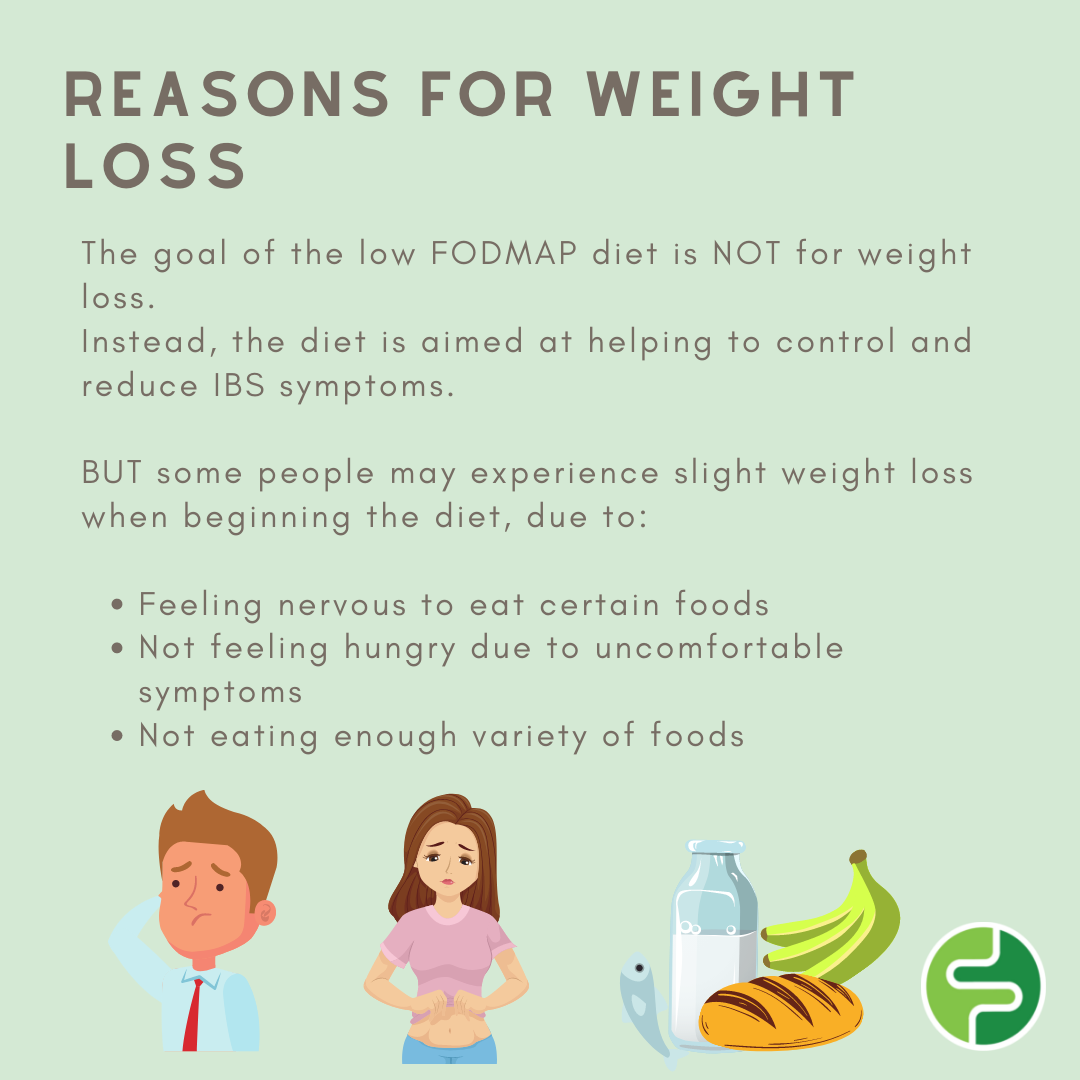
Irritable Bowel Syndrome (IBS) can sometimes lead to weight loss. Digestive issues and discomfort might reduce appetite. This may cause unintentional weight loss for some individuals.
Understanding the connection between Irritable Bowel Syndrome (IBS) and weight loss can be challenging. IBS is a common gut disorder affecting millions, and it often brings unexpected changes to your body, including weight fluctuations. While not everyone with IBS experiences weight loss, it’s crucial to identify why it happens and how you can manage it effectively.Factors Leading To Weight Loss
If you’ve noticed a drop in your weight while dealing with IBS, you’re not alone. Several factors contribute to this. Frequent abdominal pain and discomfort can lead to a decreased appetite. You might find yourself avoiding meals simply to dodge the pain that follows. Additionally, IBS symptoms like diarrhea can lead to nutrient loss, causing your body to shed pounds unintentionally.Role Of Dietary Changes
Adjusting your diet is often the first step to managing IBS symptoms. You may cut out certain foods to prevent flare-ups, but this can inadvertently lead to weight loss. For instance, eliminating dairy or gluten without proper substitutes can reduce your calorie intake significantly. Have you ever noticed how your food choices shrink when you’re trying to avoid triggering symptoms? It’s essential to maintain a balanced diet even when you’re making these changes. Consider consulting a nutritionist to ensure you’re still getting the nutrients you need.Impact Of Malabsorption
Malabsorption can also play a significant role in IBS-related weight loss. When your intestines don’t absorb nutrients effectively, your body may not get the energy it requires. This can lead to unintended weight loss over time. Have you felt fatigued or weaker than usual? It might be due to your body not absorbing enough nutrients. If malabsorption is affecting you, it’s crucial to seek medical advice to find the right supplements or dietary adjustments. Understanding these connections and making informed choices can help manage IBS-related weight loss. What steps will you take today to ensure your body gets the nourishment it needs?Managing Ibs And Weight Concerns
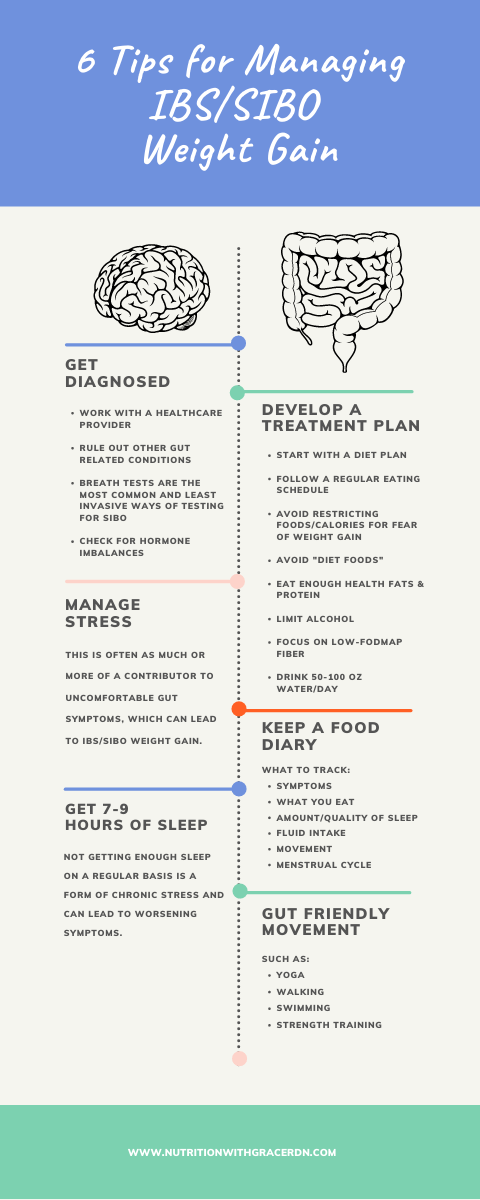
Managing IBS can be challenging, especially with weight concerns. IBS, or Irritable Bowel Syndrome, affects the digestive system. It may lead to weight changes due to dietary adjustments and symptoms. Understanding how to manage IBS while maintaining a healthy weight is crucial. Below are some strategies to help balance both issues effectively.
Dietary Strategies
Managing IBS often begins with dietary changes. Focus on high-fiber foods like fruits and vegetables. Fiber helps regulate bowel movements and can be beneficial for IBS. Some individuals may need a low-FODMAP diet. This diet reduces certain carbohydrates that trigger symptoms. Keeping a food diary can help track what works best. Always consult a healthcare provider before major dietary changes.
Medical Treatments
Medical treatments can aid in managing IBS symptoms. Doctors might prescribe medications to relieve pain or control diarrhea. Some patients find relief with antispasmodic drugs. Probiotics can also promote gut health. They help maintain a balance of good bacteria in the intestines. It’s essential to follow medical advice closely for effective results.
Lifestyle Adjustments
Lifestyle changes can make a significant difference in managing IBS. Regular exercise helps improve digestion and reduce stress. Stress management techniques like yoga or meditation are beneficial. They help calm the mind and reduce IBS flare-ups. Adequate sleep is also vital for overall health. Aim for at least 7-8 hours of sleep each night. Staying hydrated is important, too. Water aids digestion and prevents constipation.
Credit: fodmapfriendly.com
When To Seek Medical Advice
Experiencing weight loss due to Irritable Bowel Syndrome (IBS) can be concerning. While some weight changes might be normal, drastic losses require attention. Knowing when to seek medical advice is crucial. This ensures that symptoms don’t escalate and impact your health.
Recognizing Severe Symptoms
Sudden weight loss might signal severe IBS symptoms. Look for persistent diarrhea and stomach pain. Notice if fatigue becomes overwhelming. These may indicate complications needing medical evaluation. Blood in stool or vomiting also require immediate attention.
Importance Of Professional Guidance
Consulting a healthcare provider is essential. They offer accurate diagnosis and treatment plans. Professionals help manage IBS effectively. This prevents unnecessary weight loss and potential nutrient deficiencies. Medical guidance provides peace of mind and supports overall well-being.
Living Well With Ibs
Living well with IBS is achievable with the right approach. Many people struggle with IBS-related weight changes. Understanding and managing symptoms can lead to a healthier lifestyle. A proactive mindset helps navigate the daily challenges associated with IBS.
Building A Support System
A solid support system eases the burden of IBS. Friends and family play a vital role. They offer emotional support and practical help. Sharing experiences with others makes a difference. Consider joining local or online IBS communities. These groups provide encouragement and advice. Connecting with others facing similar challenges brings comfort.
Mental Health And Ibs
Mental health impacts IBS symptoms. Stress often worsens digestive issues. Managing stress is crucial. Practices like mindfulness and meditation help. They reduce anxiety and calm the mind. Regular physical activity boosts mood and aids digestion. Speaking with a therapist offers additional support. They can suggest coping strategies tailored to individual needs.

Credit: www.instagram.com
Frequently Asked Questions
What Stomach Issues Cause Rapid Weight Loss?
Gastrointestinal issues like Crohn’s disease, celiac disease, and irritable bowel syndrome can cause rapid weight loss. Ulcers, gastritis, and certain infections also contribute. These conditions affect nutrient absorption or increase metabolism, leading to weight loss. Consult a healthcare professional for diagnosis and treatment.
What Are The Symptoms Of An Ibs Flare-up?
IBS flare-up symptoms include abdominal pain, bloating, diarrhea, or constipation. You might experience gas and cramping. Changes in stool frequency and appearance are common. Symptoms vary and can disrupt daily activities. Stress and diet often trigger flare-ups. Identifying personal triggers can help manage symptoms effectively.
Can Ibs Lead To Weight Loss?
Yes, IBS can lead to weight loss. Digestive issues may cause reduced nutrient absorption. Symptoms like diarrhea can reduce appetite and lead to weight loss. Monitoring diet and managing symptoms can help maintain a healthy weight.
How Does Ibs Affect Appetite?
IBS can affect appetite by causing discomfort and bloating. These symptoms may make eating less appealing. Managing IBS symptoms can help improve appetite. Consulting with a healthcare professional is advisable for effective management.
Conclusion
Weight changes can be a concern with IBS. Some people may lose weight. This happens due to food avoidance and digestive issues. It’s important to manage diet carefully. Consult a healthcare professional for personalized advice. A balanced diet and stress management can help.
Regular check-ins with a doctor are crucial. Understanding your body is key. Always listen to your body’s signals. Don’t ignore persistent symptoms. Seek medical guidance when needed. Stay informed and proactive about your health. Manage IBS effectively with the right support.
Maintain a healthy lifestyle for better well-being.