Imagine stepping into a kickboxing gym for the first time. The sound of gloves hitting pads echoes around you, and the energy is electric.
You’re here because you’ve heard that kickboxing is not just a great cardio workout, but also a powerful way to build muscle. But is that really true? Can kickboxing truly transform your physique, giving you the toned arms and strong legs you’ve been dreaming about?
We dive deep into the world of kickboxing to uncover whether it can be your ticket to a stronger, more muscular body. If you’re curious about how this dynamic sport can fit into your fitness routine, you’re in the right place. Keep reading to discover how kickboxing might just be the muscle-building solution you’ve been searching for.
Kickboxing Basics
Kickboxing helps in building muscle through consistent practice. It combines cardio and strength training, enhancing muscle tone. This dynamic workout targets various muscle groups, ensuring balanced development.
Kickboxing is a dynamic sport that combines elements of martial arts and cardio. It’s not just about throwing punches and kicks; it’s a full-body workout that engages multiple muscle groups. If you’re looking to build muscle while having fun, kickboxing might be the perfect choice for you.What Is Kickboxing?
Kickboxing is a blend of boxing and martial arts. It involves punches, kicks, and footwork. These moves not only improve your strength but also enhance your agility and coordination. Each session challenges your body and mind, making it a great way to stay fit and focused. If you’re new to kickboxing, start with basic moves and gradually increase intensity.Essential Kickboxing Gear
To get started, you’ll need some basic gear. Invest in comfortable workout clothes and a good pair of gloves. Gloves protect your hands and help you land punches effectively. A sturdy pair of kickboxing shoes is also important for proper footwork. Don’t forget a water bottle to keep hydrated during intense sessions.Certain kickboxing techniques are particularly effective for muscle building. High kicks engage your leg muscles, while punches work your arms and shoulders. Try incorporating knee strikes and roundhouse kicks to target different muscle groups. Focus on proper form to maximize muscle gain and prevent injury.
Benefits Of Kickboxing For Muscle Growth
Kickboxing offers numerous benefits for muscle growth. It improves cardiovascular health while simultaneously building strength. Each session helps tone your muscles without bulking up excessively. You’ll notice increased stamina and endurance, making everyday activities easier. Plus, kickboxing is a fun and social way to exercise, keeping you motivated and engaged.Kickboxing Classes: What To Expect
Joining a kickboxing class can be a rewarding experience. You’ll learn from experienced instructors who guide you through techniques and routines. Classes often include warm-ups, skill practice, and cool-downs. Expect a mix of solo and partner drills that enhance both your individual skills and teamwork. Why not try a class and see how your body responds?Can You Kickbox At Home?
Yes, you can definitely kickbox at home with minimal equipment. Start with basic drills and shadow boxing to get the hang of it. You might want to use a punching bag or resistance bands for added intensity. Online tutorials and workout videos are great resources to guide your practice. Have you ever tried kickboxing in your living room? It’s surprisingly effective!Kickboxing is not just a sport; it’s a lifestyle choice that can lead to a healthier, stronger you. Are you ready to throw your first punch and kick your way to muscle growth?

Credit: www.youtube.com
Muscle Groups Engaged
Kickboxing engages multiple muscle groups, promoting muscle growth. It works the core, arms, and legs through dynamic movements. Regular practice enhances strength and endurance, contributing to muscle definition and overall fitness.
Kickboxing is not only a high-energy sport that gets your heart pumping, but it’s also a powerful way to build muscle. As you kick, punch, and dodge, your body engages multiple muscle groups. Understanding which muscles are worked can help you maximize your workout and achieve your fitness goals faster. Let’s take a closer look at the muscle groups engaged during a kickboxing session.Upper Body Muscles
When you throw a punch, your shoulders, triceps, and biceps are hard at work. The repetitive motion of jabs and hooks helps to tone and strengthen these muscles. You might notice your upper arms getting more defined after just a few sessions. Your back muscles, including the lats and traps, also play a crucial role. They stabilize your movements and add power to your punches. Imagine feeling a surge of power in your punches as your back muscles grow stronger.Lower Body Muscles
Kicking drills target your quadriceps, hamstrings, and calves. These exercises build strength and endurance in your legs. Even simple front kicks can lead to noticeable changes in muscle tone. Your glutes get a significant workout too. Every time you lift your leg for a kick, your glutes engage to provide stability and force. Have you noticed your jeans fitting differently after weeks of kickboxing?Core Activation
Your core muscles are constantly engaged to maintain balance and control. This includes your abs, obliques, and lower back. A strong core not only improves your kickboxing skills but also enhances your posture and reduces injury risk. Think about the stability you gain as your core grows stronger. Each twist and turn becomes more precise, boosting your confidence in every movement. Do you feel the burn in your muscles during kickboxing? It’s a sign that your body is getting stronger. Whether you’re a beginner or a seasoned pro, acknowledging the muscle groups engaged can help you tailor your workouts for better results. What’s your favorite muscle-building move in kickboxing?Strength Gains In Kickboxing
Kickboxing isn’t just about swift kicks and punches; it’s a full-body workout that enhances your strength dramatically. As you engage in this dynamic sport, you’ll notice changes not just in your stamina but in the power and endurance of your muscles. Whether you’re a seasoned athlete or a beginner, kickboxing offers unique strength gains that can transform your fitness routine.
Power And Endurance
Kickboxing combines explosive movements with sustained effort, boosting both your power and endurance. Imagine delivering a powerful roundhouse kick repeatedly; it requires not only strength but also the ability to maintain energy over time. This blend of power and endurance is what makes kickboxing such an effective workout.
You might find yourself able to run longer distances or lift heavier weights after consistent kickboxing practice. These improvements aren’t just physical; they empower you mentally, enhancing your confidence and determination. Have you ever wondered how much further your body can go when trained for both power and endurance?
Strength Vs. Muscle Mass
There’s a common misconception that kickboxing will lead to bulky muscles. In reality, it focuses more on functional strength rather than sheer muscle mass. The repetitive motions and resistance training improve muscle tone and definition without necessarily increasing size.
Think about the lean, sculpted physique of professional kickboxers. It’s the result of engaging multiple muscle groups in fluid, powerful movements. If you’re looking to tone your body rather than bulk up, kickboxing is a fantastic option. How does this align with your fitness goals?
Kickboxing challenges you to push boundaries, enhancing your strength in a way that traditional weightlifting might not. The rhythmic, dynamic nature of the sport keeps your workouts exciting and your motivation high. Consider incorporating kickboxing into your routine for a balanced approach to fitness.
Kickboxing Techniques For Muscle Building
Kickboxing is more than a fighting sport. It’s a full-body workout that can help build muscle. The techniques used in kickboxing engage various muscle groups, promoting muscle growth and strength. This section explores how punches, kicks, and combinations can contribute to muscle building.
Punches And Uppercuts
Punching in kickboxing targets the arms, shoulders, and chest. Jab and cross punches build arm muscles. Uppercuts focus on shoulder strength and stability. Punching bags or pads add resistance, enhancing muscle growth. Repeated practice strengthens and tones the upper body.
Kicks And Knees
Kicking techniques strengthen the legs. Roundhouse and front kicks engage quadriceps and hamstrings. Knee strikes tone the core and lower body. Executing kicks demands balance, improving core muscles. The repetitive action boosts leg power and endurance.
Combining Techniques
Mixing punches and kicks offers a comprehensive workout. Combos like jab-cross-kick engage multiple muscles. This keeps the heart rate high, aiding muscle building. Practicing combos increases coordination and overall body strength. It ensures a balanced workout for muscle growth.
Incorporating Resistance Training
Kickboxing is a high-energy sport that not only improves your cardiovascular health but also enhances muscle tone. To truly sculpt your physique, adding resistance training to your kickboxing routine is key. By combining kickboxing with targeted exercises, you can achieve a balanced and powerful body.
Bodyweight Exercises
Bodyweight exercises are a fantastic way to build muscle without any equipment. Think of movements like push-ups, squats, and lunges. These exercises engage multiple muscle groups, enhancing your strength and endurance.
Imagine doing a set of push-ups right after a session of kickboxing. Your heart rate is high, and your muscles are primed for growth. This combination maximizes the effect of your workout, pushing your muscles to adapt and grow.
Have you ever tried adding squats to your routine? The burn you feel is real, and it’s your muscles working hard. You don’t need weights to feel the intensity. Your body weight can be enough to challenge your muscles, leading to significant muscle gain over time.
Weighted Drills
If you’re looking to increase muscle mass even further, weighted drills can be your next step. These drills involve using dumbbells or kettlebells during your workout. Incorporate movements like weighted lunges or kettlebell swings to target specific muscle groups.
Consider using light weights during your punch drills. This adds resistance, making your muscles work harder. The added challenge leads to increased muscle strength and definition. You’ll notice the difference in your punches – they become more powerful and precise.
Weighted drills also help prevent muscle fatigue. As your muscles adapt to the extra weight, they’re better equipped to endure longer sessions. Why not try adding a pair of 5-pound dumbbells to your next routine? You’ll be amazed at how quickly your body responds to the challenge.
So, how can you get started? Begin by mixing bodyweight exercises with weighted drills. Monitor your progress and adjust as needed. Your kickboxing routine will not only be invigorating but also a powerful tool for muscle growth. Are you ready to transform your workout and see real results?
Nutrition For Muscle Growth
Nutrition plays a crucial role in building muscle through kickboxing. The right diet fuels your workouts and supports recovery. To maximize muscle growth, focus on specific nutritional elements. This includes protein intake, hydration, and recovery.
Protein Intake
Protein is vital for muscle repair and growth. Aim for a balanced protein intake throughout the day. Lean meats, beans, and dairy are excellent sources. Consider a protein supplement if dietary intake is insufficient. Protein helps rebuild muscle after intense kickboxing sessions.
Hydration And Recovery
Staying hydrated is essential for muscle recovery. Water regulates body temperature during workouts. Proper hydration also helps nutrients reach muscle tissues. Drink water before, during, and after exercising. Include electrolytes to replenish lost minerals. They aid in reducing muscle cramps and fatigue.
Benefits Beyond Muscle
Kickboxing offers more than just muscle-building benefits. It enhances cardiovascular health while improving coordination and flexibility. Burning calories and reducing stress are added advantages that make kickboxing a well-rounded fitness activity.
Kickboxing is often celebrated for its ability to build muscle, but its benefits extend far beyond just physical strength. This dynamic sport offers an array of advantages that can significantly enhance your overall well-being. Let’s explore how kickboxing contributes to improved cardiovascular health and mental resilience, offering you more than just a muscular physique.Cardiovascular Health
Kickboxing is a powerful cardio workout. It gets your heart pumping, which is excellent for cardiovascular health. Regular sessions can improve your heart’s efficiency and stamina. During a kickboxing class, you’ll engage in continuous movements. These movements boost your heart rate, enhancing your body’s oxygen circulation. This can lead to improved energy levels and endurance. You might notice an increase in your lung capacity over time. With consistent practice, your body becomes more efficient at utilizing oxygen. This means you’ll find daily activities easier and less tiring.Mental Resilience
Kickboxing isn’t just a physical workout—it’s a mental challenge too. Each session tests your focus, discipline, and determination. Over time, this can build mental resilience, helping you handle stress better. Imagine facing a tough opponent in the ring. The pressure is on, but you push through, learning to stay calm and collected. This skill translates into daily life, where challenges require a clear mind. Kickboxing can also boost your confidence. Mastering new techniques and achieving fitness goals feels rewarding. This confidence can spill over into other areas of your life, improving your overall self-esteem. Have you ever tried a sport that challenged both your body and mind? Kickboxing might be the next step in your fitness journey, offering benefits that go beyond muscle building.
Credit: pumpx.app
Common Misconceptions
Kickboxing often gets misunderstood for muscle building. While it boosts strength and endurance, it doesn’t significantly increase muscle size.
Kickboxing is often misunderstood when it comes to muscle building. Some people believe it’s all about cardio and skill, while others think it will make you bulk up like a bodybuilder. These misconceptions can deter you from enjoying the benefits of this dynamic sport. Let’s clear the air on what kickboxing can really do for your muscle growth.Myth Of Bulking
Many fear kickboxing will lead to unwanted bulk. But kickboxing isn’t about packing on mass like a weightlifting routine. Instead, it helps you develop lean muscle through high-intensity workouts. A kickboxing class involves explosive movements that challenge your muscles in different ways. You’ll increase muscle tone without the bulk. I noticed my muscles became more defined and agile, not bulky, after months of kickboxing.Skill Vs. Strength
Another misconception is that kickboxing prioritizes skill over strength. While learning techniques is vital, kickboxing also builds functional strength. You’ll develop power in your punches and kicks, which requires strong muscles. Consider how your body needs to stabilize during a kick. Your core and legs engage in ways traditional workouts might not cover. Do you feel the burn in your thighs after a session? That’s strength building in action, not just skill. Kickboxing combines skill and strength, making it a well-rounded fitness choice. Why not give it a try and see how your muscles respond? Remember, it’s not just about looking strong but being strong in how you move and react.Tips For Maximizing Results
Kickboxing can help build muscle by engaging multiple muscle groups through dynamic movements and resistance training. Focus on consistent practice and proper technique to maximize strength gains and endurance. Incorporate a balanced diet and adequate rest for optimal muscle growth.
Are you thinking about using kickboxing to build muscle? You’re not alone. Many people find kickboxing not only an exciting workout but also a fantastic way to strengthen their bodies. Whether you’re new to the sport or a seasoned fighter, there are key tips to ensure you get the most out of your efforts.Consistency And Progression
Consistency is crucial. If you attend kickboxing classes sporadically, you might not see the muscle gains you’re hoping for. Aim to practice regularly, whether it’s twice a week or more, depending on your schedule. Progression is equally important. As your body adapts, gradually increase the intensity of your workouts. Add more challenging combinations or focus on speed and power. This keeps your muscles engaged and growing. Think about your journey like climbing a staircase. Each step brings you closer to your goal. How often are you taking those steps?Listening To Your Body
Your body is your best guide. Pay attention to what it’s telling you. If you feel fatigued or sore, rest is essential to recovery and muscle growth. Avoid pushing through pain. It may lead to injury and set you back. Instead, use rest days to recharge and come back stronger. Consider your own experience. Have you ever ignored your body’s signals and regretted it later? Trust your instincts to know when to push and when to pause.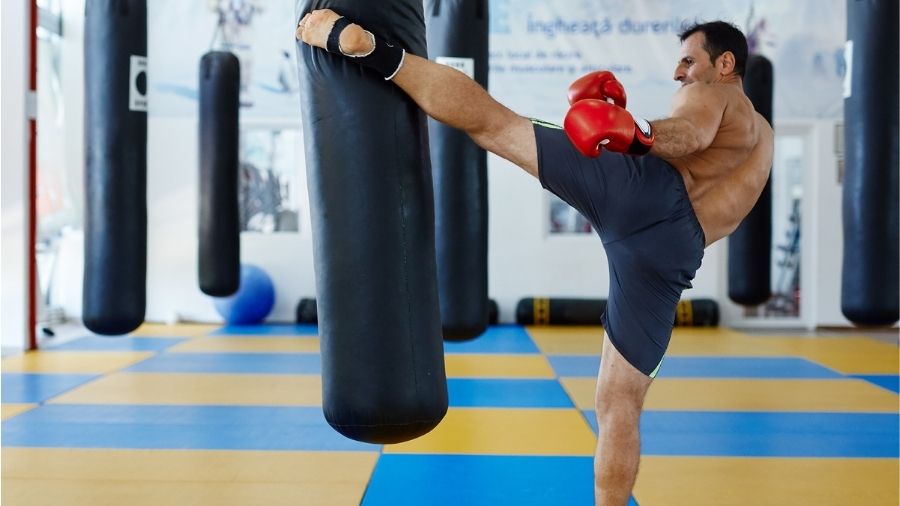
Credit: sweetscienceoffighting.com
Frequently Asked Questions
Can I Gain Muscle With Kickboxing?
Yes, kickboxing helps build muscle. The high-intensity workouts engage multiple muscle groups, improving strength and endurance. Consistent training, combined with proper nutrition, enhances muscle growth.
Does Kickboxing Make You Skinny Or Bulky?
Kickboxing can help you get lean and toned, not bulky. It burns calories and builds muscle. This high-intensity workout boosts metabolism and improves cardiovascular health. Regular training enhances muscle definition, resulting in a slimmer appearance. Balanced nutrition complements the effects of kickboxing for optimal body composition.
Will Kickboxing Make Me Ripped?
Kickboxing can help you get ripped by burning calories and building muscle. It combines cardio and strength training, enhancing muscle definition. Consistent practice and a balanced diet are key for optimal results.
Is 3 Times A Week Kickboxing Enough?
Kickboxing three times a week can be effective for fitness and skill improvement. Consistency boosts cardiovascular health, strength, and agility. Combine with a balanced diet for optimal results. Adjust frequency based on personal goals and fitness levels. Always listen to your body and rest when needed.
Conclusion
Kickboxing can help build muscle while improving overall fitness. The high-energy workouts target various muscle groups. This leads to increased strength and endurance. Regular practice enhances agility and coordination. It also helps burn calories and shed excess weight. Muscle gains depend on consistency and technique.
It’s important to balance kickboxing with strength training for optimal results. Kickboxing offers a fun and dynamic way to get stronger. Remember, each kick and punch contributes to muscle growth. So, lace up those gloves and start your kickboxing journey today.
Enjoy the benefits of a toned and fit body!