Have you ever wondered if shadow boxing can help you build muscle? You’re not alone.
Many fitness enthusiasts and beginners alike are curious about this dynamic workout. Shadow boxing isn’t just about throwing punches in the air; it’s an intense cardio session that can transform your body. Imagine shedding calories, improving your coordination, and gaining muscle—all without any equipment.
Sounds intriguing, right? As you read on, you’ll discover the secrets behind shadow boxing, learn how it impacts your muscles, and find out if it’s the right fit for your fitness goals. Stay with us, and let’s uncover whether shadow boxing can truly be your next muscle-building ally.
Benefits Of Shadow Boxing
Shadow boxing offers more than just a physical workout. It provides a holistic approach to fitness. Many people use it to improve their physical and mental health. This exercise combines various benefits that go beyond building muscle.
Cardiovascular Health
Shadow boxing significantly boosts heart health. This exercise elevates the heart rate. It mimics the intensity of a cardio workout. Regular practice improves endurance and stamina. It strengthens the heart, enhancing overall cardiovascular health. The consistent movement keeps the heart rate elevated, ensuring a thorough cardio session.
Improved Coordination
Shadow boxing enhances hand-eye coordination. Practitioners focus on precise movements. This leads to better balance and agility. Quick footwork and punches require coordination. The brain and body work together seamlessly. Over time, coordination improves significantly, benefiting daily activities.
Stress Relief
Shadow boxing is a great stress reliever. Intense physical activity releases endorphins. These chemicals boost mood and reduce stress. Throwing punches helps release pent-up emotions. It provides a safe outlet for frustration. Many find mental clarity after a session, feeling lighter and more relaxed.
Muscle Engagement In Shadow Boxing
Shadow boxing might seem like a simple exercise, but the muscle engagement it offers is anything but basic. As you throw punches in the air, various muscle groups activate, leading to increased strength and endurance. Even if you’re not hitting a heavy bag, your body works hard to maintain balance, speed, and precision. This makes shadow boxing a surprisingly effective workout for building muscle and enhancing your fitness. Dive into how your upper body, core, and lower body get involved in this dynamic exercise.
Upper Body Muscles
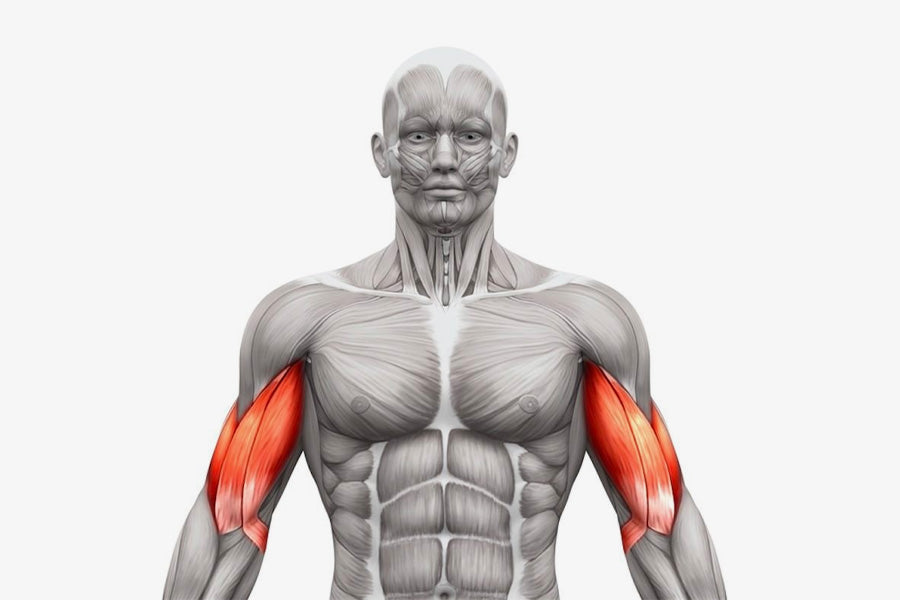
When shadow boxing, your upper body is in constant motion. Every punch engages your shoulders, arms, and back. Feel your deltoids burning as you repeatedly jab and hook. Your biceps and triceps contract with each punch, creating definition and strength. The rhythmic movement also activates your chest muscles, adding power to your punches. Have you ever noticed how your arms fatigue after a few minutes? That’s muscle engagement in action.
Core Activation
Your core plays a vital role in shadow boxing. It stabilizes your body, allowing you to throw punches with balance and control. As you twist and pivot, your obliques engage, ensuring your movements are swift and precise. The constant tension in your abdominal muscles improves core strength over time. Next time you’re shadow boxing, pay attention to how your torso shifts with each punch. This engagement is key to a powerful workout.
Lower Body Involvement
Don’t underestimate the role of your lower body in shadow boxing. Your legs provide the foundation for every move. Notice how your calves and thighs work to maintain your stance and footwork. As you move around, your glutes activate, adding stability and power. A strong lower body supports your upper body movements, making each punch more effective. Have you ever felt the burn in your legs after a shadow boxing session? That’s your muscles building strength.
Shadow boxing isn’t just about arm movements; it’s a full-body workout that engages muscles you might not expect. Next time you shadow box, focus on how each muscle group contributes to your performance. Are you noticing improvements in muscle tone and endurance? Let the engagement guide your fitness journey.
Shadow Boxing Vs Traditional Strength Training
Shadow boxing engages muscles through dynamic movements, offering a cardio boost. While it tones muscles, traditional strength training provides better muscle growth due to resistance. Combining both can enhance overall fitness and strength.
Shadow boxing and traditional strength training might seem worlds apart, but both have their unique benefits when it comes to building muscle. Shadow boxing offers a dynamic and fluid workout that challenges your cardiovascular system while engaging various muscle groups. On the other hand, traditional strength training focuses on lifting weights to increase muscle mass and strength. Which approach suits your fitness goals and lifestyle best?Calisthenics Comparison
Shadow boxing is a form of calisthenics. It uses your body weight to improve muscle tone and agility. Unlike lifting weights, shadow boxing relies on fast, repetitive movements. This can enhance muscle endurance and definition without bulking up. Have you ever thought about how your body responds differently to its own weight versus external weights?Resistance Training Differences
Traditional strength training uses resistance to build muscle. This is usually done with weights or machines. The constant pressure on your muscles can lead to hypertrophy, which is muscle growth. Shadow boxing, however, focuses more on quick, resistance-free movements. This means shadow boxing might not give you the same muscle size increase as weightlifting, but it does improve functional strength and speed.Endurance Vs Hypertrophy
Shadow boxing excels at building endurance. The rapid punches and movements keep your heart rate up and your muscles active over time. Compare this to traditional weightlifting, where the goal is hypertrophy – increasing muscle size. If your goal is to build endurance and agility, shadow boxing is a great fit. But if you’re looking to add muscle mass, traditional strength training might be more effective. Which is more important to you: the ability to sustain activity over long periods or the power and bulk that come from muscle growth? Both shadow boxing and strength training have their place in a balanced fitness routine. Consider your goals and preferences, and see how you can integrate these methods to suit your needs.
Credit: www.youtube.com
Techniques To Maximize Muscle Growth
Shadow boxing is not just about throwing punches in the air; it’s a dynamic exercise that can help you build muscle when done right. If you’re looking to maximize muscle growth through shadow boxing, there are specific techniques you can use. These techniques are not only practical but can transform your workout into a muscle-building powerhouse.
Intensity And Duration
The first key to muscle growth during shadow boxing is the intensity and duration of your sessions. You need to push yourself beyond your comfort zone. Short bursts of high-intensity movement can activate muscle fibers effectively. Aim for 15-20 minutes of intense shadow boxing. This not only engages your muscles but boosts your cardiovascular health. Have you ever finished a shadow boxing session and felt the burn in your arms? That’s your muscles growing!
Incorporating Weights
Adding weights to your shadow boxing routine can elevate your muscle-building potential. Light dumbbells or wrist weights can be a game changer. They add resistance, making your muscles work harder with each punch. Imagine the added challenge of lifting as you jab and uppercut. This resistance helps in muscle growth, just like weight training. If you’re new to this, start with 1-pound weights and gradually increase as your strength improves.
Progressive Overload
Muscle growth thrives on progressive overload. This means gradually increasing the stress placed on your muscles. In shadow boxing, you can achieve this by increasing the speed or force of your punches. Another way is to extend your session time or add more rounds. Did you know that your muscles adapt to the stress you place on them? This adaptation leads to growth and strength. Challenge yourself with new combinations and faster movements as you progress.
So, what’s holding you back from turning shadow boxing into a muscle-building routine? By focusing on these techniques, you can effectively enhance your workout. Remember, consistency is key. What changes will you make in your next session?
Complementary Exercises For Shadow Boxers
Shadow boxing is a fantastic way to enhance your speed, technique, and cardio. However, if you’re aiming to build muscle, complementing your shadow boxing routine with targeted exercises can be crucial. These exercises not only support muscle growth but also improve your overall performance. Let’s dive into some practical workouts that you can add to your regimen.
Plyometric Drills
Plyometric drills are explosive exercises designed to boost your power and agility. You might try jump squats or burpees. They challenge your fast-twitch muscle fibers, crucial for delivering powerful punches.
Think about adding a few minutes of jump rope or box jumps to your shadow boxing sessions. These exercises will elevate your heart rate and enhance your endurance. How can you integrate these drills into your routine without feeling overwhelmed?
Strengthening Routines
Strengthening routines are key to building muscle mass. Consider exercises like push-ups, pull-ups, and kettlebell swings. These workouts target major muscle groups like the chest, back, and shoulders.
A practical approach is to do three sets of ten reps for each exercise. This repetition will ensure your muscles are adequately challenged. How often do you review your progress to make sure you’re getting stronger?
Flexibility And Mobility Work
Flexibility and mobility work is often overlooked but is essential for shadow boxers. Stretches and yoga can improve your range of motion. This can prevent injuries and allow for smoother movements during shadow boxing.
Dedicate a few minutes before and after your workouts to stretching. Use yoga poses like the downward dog or warrior pose to enhance your flexibility. Have you noticed how increased flexibility can lead to better technique?
Integrating these complementary exercises can transform your shadow boxing routine into a more comprehensive workout. This balanced approach will not only help in building muscle but also enhance your performance in the ring. Consider how each exercise could play a role in your fitness journey.
Nutrition And Recovery For Shadow Boxers
Shadow boxing can aid muscle growth by engaging multiple muscles. Proper nutrition and recovery enhance its effectiveness. Consuming protein-rich foods and allowing rest helps muscles repair and grow stronger. A balanced diet is crucial for optimal energy and performance during workouts.
Shadow boxing is an excellent way to improve your agility, speed, and coordination. But can it help you build muscle? The truth is, while shadow boxing itself is more of a cardiovascular workout, the right nutrition and recovery strategies can maximize your muscle-building potential. Let’s dive into how you can support your shadow boxing routine with smart nutrition and effective recovery techniques.Protein Intake
Protein is crucial for muscle repair and growth. Aim to consume a source of protein with every meal. This could be chicken, fish, eggs, or plant-based options like tofu and beans. A practical approach is to prepare protein-rich snacks for post-workout recovery. A protein shake or a handful of nuts can be convenient options. How much protein do you need? Consider your body weight. A general guideline is to consume 0.7 to 1 gram of protein per pound of body weight daily.Hydration Strategies
Keeping hydrated is often overlooked but essential. Water helps in muscle recovery and maintaining energy levels. Drink water before, during, and after your shadow boxing sessions. Remember, sweating means losing fluids. Replenish with not just water but also electrolytes. Sports drinks can help, but be mindful of added sugars. Have you noticed how your performance dips when you’re dehydrated? Keeping a water bottle handy can make all the difference.Rest And Recovery Techniques
Rest is not a luxury; it’s a necessity. Your muscles need time to repair and grow stronger. Aim for 7-9 hours of sleep each night. Quality sleep can improve your performance and help prevent injuries. Incorporate rest days into your routine to allow your body to recover. Gentle activities like yoga or stretching can be beneficial. Ever tried a cold shower or ice bath after a workout? It may help reduce muscle soreness and speed up recovery. By focusing on these nutrition and recovery strategies, you can enhance your shadow boxing performance. Are you ready to take your training to the next level?Common Mistakes To Avoid
Shadow boxing can improve fitness but may not build significant muscle. Relying solely on it for muscle growth is a common mistake. Combining it with strength training ensures balanced development.
When diving into shadow boxing to build muscle, enthusiasm can sometimes lead to common pitfalls. These mistakes can hinder progress and even cause injury. By identifying and avoiding these errors, you can enhance your workout effectiveness and ensure steady growth. Let’s explore some of these crucial mistakes you should steer clear of.Overtraining Risks
Pushing yourself too hard can backfire. Shadow boxing is intense, and overdoing it can lead to fatigue and injury. When I first started, I was eager to see quick results and ended up with sore muscles that needed days to recover. Balance is key. Ensure you’re giving your muscles time to rest and recover. Consider scheduling your sessions with rest days in between to maximize growth and minimize risk.Ignoring Form
Form is everything in shadow boxing. Poor form can result in ineffective workouts and potential injuries. I once neglected my stance, leading to knee pain that set me back for weeks. Focus on maintaining a strong stance and controlled movements. Use a mirror or record yourself to check and correct your form. Remember, quality trumps quantity.Neglecting Warm-ups
Jumping straight into shadow boxing without warming up is a recipe for disaster. Warming up increases blood flow and prepares your muscles for action. Skipping this step once left me with a pulled shoulder muscle that sidelined me for a week. Incorporate dynamic stretches and light cardio before your session. This not only prevents injury but also enhances performance. Are you giving your body the preparation it needs to excel? By avoiding these common mistakes, you’ll be on your way to a more effective and safe shadow boxing routine. Give your muscles the care and attention they deserve, and you’ll see the results in no time.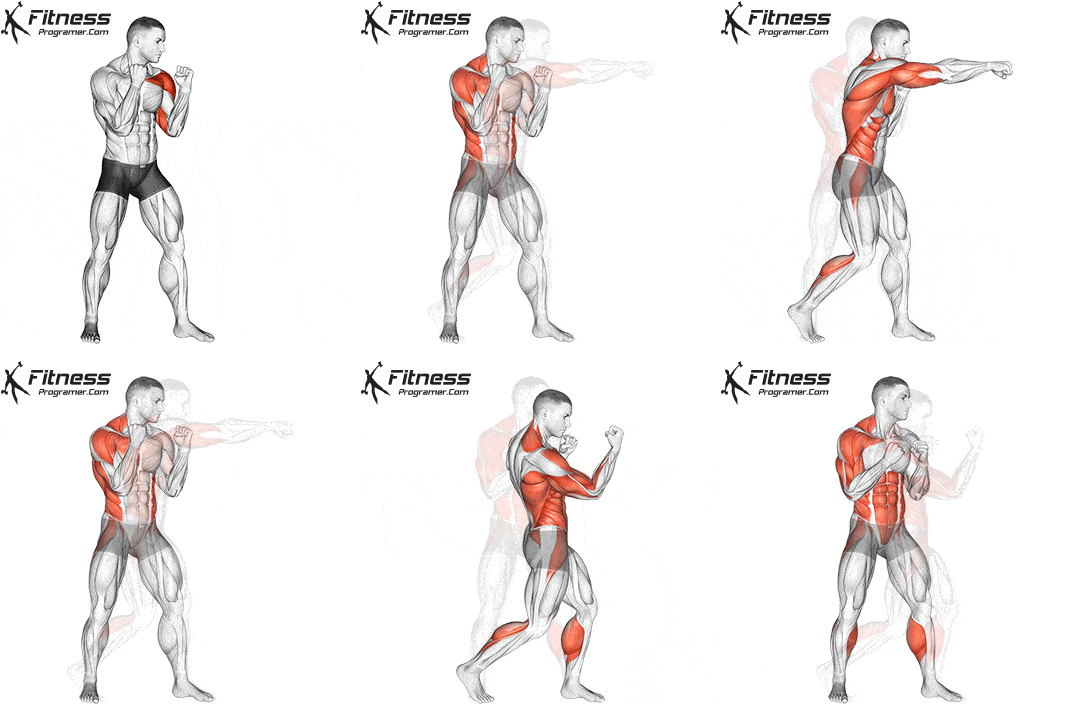
Credit: fitnessprogramer.com
Credit: www.dmoose.com
Frequently Asked Questions
What Happens If I Shadow Box Every Day?
Shadow boxing daily improves cardiovascular health, increases agility, and enhances muscle endurance. It sharpens mental focus, boosts confidence, and aids in weight loss. Regular practice refines technique and builds discipline. Always ensure proper warm-up to prevent injuries and maintain consistency for best results.
Is Shadow Boxing A Good Full Body Workout?
Shadow boxing is an excellent full-body workout. It boosts cardiovascular fitness, coordination, and strength. This workout engages muscles in your arms, core, and legs. It’s effective for improving mental focus and agility. Suitable for all fitness levels, shadow boxing can be done anywhere without equipment.
How Long Should I Shadow Box For?
Shadow boxing sessions typically last between 15 to 30 minutes. Beginners should start with shorter durations. Focus on technique, footwork, and speed. Gradually increase time as you build stamina and skill. Consistency is key to improvement. Always prioritize proper form and breathing during sessions for effective results.
Is Shadow Boxing Better Than Running?
Shadow boxing and running serve different fitness goals. Shadow boxing improves agility and coordination, while running boosts cardiovascular health. Choose based on your fitness objectives. Both can complement each other in a balanced workout routine.
Conclusion
Shadow boxing can boost muscle endurance. It enhances coordination and agility. Regular practice helps in muscle toning. This exercise is effective for cardio too. Pair with weight training for better results. Stay consistent for noticeable changes. Remember, progress takes time.
Patience and commitment are key. Always focus on form. Proper technique prevents injury. Shadow boxing offers a fun workout. Get moving and stay active. Enjoy the benefits it brings. Keep challenging yourself. Fitness journey is personal. Tailor your routine to fit needs.
Listen to your body. Adapt and grow stronger every day.