Have you ever wondered if sprinting could be the secret weapon in your fitness arsenal for building muscle? You’re not alone.
Whether you’re looking to enhance your athletic performance, sculpt a more muscular physique, or simply shake up your routine, sprinting might just be the powerhouse workout you’ve been searching for. Imagine transforming your body with a workout that’s not only efficient but also exhilarating.
The idea of gaining muscle without spending endless hours lifting weights is intriguing, isn’t it? Dive into this article to discover how sprinting can help you build muscle effectively, and learn the surprising benefits that could redefine your approach to fitness.
Benefits Of Sprinting
Sprinting offers numerous benefits beyond building muscle. It’s a simple yet powerful exercise. Short bursts of speed can transform your body and mind.
Improves Cardiovascular Health
Sprinting strengthens your heart. It increases blood circulation. Regular sprinting reduces the risk of heart disease. Your heart pumps more efficiently during sprints. This means better oxygen delivery to your muscles.
Enhances Metabolic Rate
Sprinting boosts your metabolism. It helps burn calories faster. Even after sprinting, your body keeps burning calories. This post-exercise effect aids weight loss. Your body uses energy more effectively.
Boosts Mental Health
Sprinting improves mental well-being. It releases endorphins, the feel-good hormones. Sprinting reduces stress and anxiety. It enhances mood and mental clarity. Your mind feels sharper and more focused.
Sprinting Vs Traditional Strength Training
Sprinting can stimulate muscle growth through explosive movements, engaging fast-twitch fibers. This intense activity contrasts with traditional strength training, which typically focuses on slower, controlled exercises. While both methods promote muscle development, sprinting offers a dynamic approach that challenges the body in different ways.
Sprinting vs Traditional Strength Training Have you ever wondered if sprinting can build muscle like traditional strength training? Both methods have their unique benefits and can be powerful tools for muscle development. Understanding how they differ can help you decide which fits best into your fitness goals.Muscle Activation Differences
Sprinting activates muscle fibers differently than lifting weights. When you sprint, you’re engaging fast-twitch muscle fibers. These fibers are responsible for explosive movements and are crucial for speed. On the other hand, traditional strength training, like weightlifting, focuses more on slow-twitch muscle fibers. These fibers are essential for endurance and sustained activities. Knowing which fibers you want to target can guide your workout choices.Energy Systems Engaged
Sprinting taps into the anaerobic energy system. You rely on stored energy for short bursts without oxygen. This means you use energy quickly, perfect for high-intensity efforts. Strength training often uses the aerobic system, especially during longer sets. You rely on oxygen, which fuels your muscles over extended periods. Consider what energy system you prefer to challenge in your workouts.Time Efficiency
Sprinting can be incredibly time-efficient. Just a few minutes of high-intensity sprints can match the muscle-building effects of longer weight sessions. This is great for those with tight schedules. Traditional strength training requires more time and sets to achieve similar results. But it offers a more controlled and focused approach to muscle building. Which fits better into your daily life? Have you tried mixing both sprinting and strength training in your routine? Balancing these could lead to unique muscle growth and improved fitness.Muscle Groups Targeted By Sprinting
Sprinting targets major muscle groups, boosting strength and endurance. It engages quadriceps, hamstrings, and calves, enhancing leg power. Core muscles also play a crucial role, stabilizing the body during intense sprinting bursts.
Sprinting is not just about speed; it’s a powerful workout that targets multiple muscle groups, helping you build strength and endurance. When you sprint, your body is pushed to its limits, engaging a variety of muscles in a short burst of energy. But which muscles are really doing the heavy lifting?Lower Body Focus
Your legs are the primary engines during a sprint. As you power through each stride, your quadriceps, hamstrings, calves, and glutes are all actively engaged. These muscles work together to propel you forward. Imagine the feeling of your quads firing up as you push off the ground or the burn in your calves as you reach peak speed. This intense activation leads to muscle growth and toning over time. Sprinting is like doing a series of explosive squats, focusing intensely on your lower body. It’s a natural way to build muscle without hitting the gym.Core Engagement
While sprinting, your core acts as the stabilizer, keeping your body aligned and balanced. A strong core helps in maintaining proper posture and efficient energy transfer from your upper to lower body. Feel your abs tighten as you sprint; this is your body’s way of ensuring stability during high-speed movement. This constant engagement enhances your core strength. Ever sprinted uphill? You might have noticed your core working even harder to maintain balance. This added challenge amplifies core activation.Upper Body Involvement
Your arms aren’t just flailing for show; they play a crucial role in your sprinting technique. As they pump back and forth, your biceps, triceps, and shoulders engage to boost your momentum. Think about how you instinctively swing your arms faster as you try to increase your speed. This movement helps to balance the force generated by your legs. Next time you sprint, pay attention to your arm movement. Are you maximizing your upper body’s potential to aid your sprint? This awareness can make a difference in your overall performance. Sprinting is a full-body workout disguised as a simple run. Which muscle group do you feel most challenged by when you sprint?How Sprinting Builds Muscle
Sprinting is not just a cardiovascular exercise. It can also help build muscle. When you sprint, your body undergoes intense physical stress. This stress stimulates muscle growth in several ways. Let’s explore how sprinting can effectively build muscle.
Role Of Fast-twitch Fibers
Fast-twitch fibers are key to muscle growth during sprinting. These fibers contract quickly and powerfully. Sprinting activates these fibers more than slow-twitch fibers. This activation leads to muscle development. Fast-twitch fibers grow larger and stronger with repeated sprinting.
Hormonal Responses
Sprinting triggers hormonal changes in the body. Intense physical activity boosts testosterone and growth hormone levels. These hormones promote muscle growth. The increase in hormones enhances protein synthesis. This process leads to stronger muscles over time.
Impact Of Intensity And Frequency
Intensity and frequency of sprinting affect muscle growth. High-intensity sprints challenge muscles significantly. Frequent sprinting sessions provide consistent muscle stimulation. This combination encourages muscle hypertrophy. Regular sprinting fosters sustained muscle development.
Incorporating Sprinting Into A Workout Routine
Sprinting is a powerhouse exercise that can fit seamlessly into your workout routine. It’s not just about speed; it can be a catalyst for muscle growth, fat loss, and boosting your overall fitness. But how do you weave sprinting into your regimen effectively?
Combining sprinting with strength training can be a game-changer. Sprinting engages your fast-twitch muscle fibers, promoting explosive power and muscle growth. Pairing it with strength workouts amplifies these benefits.
Consider adding sprints on days you focus on lower body strength exercises. This balance ensures you’re not overloading your muscles, allowing for optimal development and recovery.
Creating a sprint workout is straightforward. Focus on short bursts of maximum effort. A typical sprint session could involve 6-10 intervals of 20-30 seconds sprints with a minute of rest between each.
Experiment with different terrains and inclines to challenge your muscles. An uphill sprint can add intensity and variety to your routine, keeping you motivated and engaged.
Rest is as crucial as the workout itself. Sprinting is intense and demands proper recovery for muscle growth. Make sure to have rest days and prioritize sleep to repair and build muscle.
Listen to your body. Feeling fatigued? Take it easy and let your muscles heal. Remember, progress comes not just from effort but from recovery as well.
Have you ever wondered if you’re pushing too hard? Monitoring your recovery can be the key to unlocking your full potential without injury.
Incorporating sprinting into your workout routine isn’t just a fad; it’s a strategic move towards building muscle and enhancing overall fitness. Are you ready to feel the burn and see the results?

Credit: www.youtube.com
Common Misconceptions
Sprinting is a powerful exercise. But many misconceptions surround it. People often worry about muscle loss, bulky muscles, or injury risks. Understanding these myths helps you make informed decisions.
Myths About Muscle Loss
Some think sprinting causes muscle loss. This is untrue. Sprinting is a high-intensity exercise. It engages multiple muscle groups. It helps preserve lean muscle mass. Your body uses stored fat for energy. Not muscle tissue. So, muscle loss is unlikely.
Sprinting And Bulky Muscles
Many fear sprinting will bulk them up. Sprinting builds lean muscle. Not bulky muscle. It tones the body. It enhances muscle definition. The body adapts to explosive power needs. This does not result in excessive bulk.
Injury Risks
Some believe sprinting is risky. Injuries can occur if not done correctly. Proper technique reduces this risk. Warm up before sprinting. Stretch your muscles. Wear suitable footwear. Sprint on safe surfaces. These steps minimize injury chances.
Expert Tips For Effective Sprinting
Sprinting can help build muscle, especially in the legs. Fast, intense runs engage muscles like the quadriceps and hamstrings. These short bursts of speed can boost muscle strength over time.
Sprinting is more than just a way to get from point A to point B quickly; it’s a potent tool for building muscle and improving overall fitness. But to harness its full potential, you need expert guidance. Whether you’re a beginner or a seasoned runner, understanding the intricacies of effective sprinting can make a world of difference. Let’s dive into some expert tips that can elevate your sprinting game.Proper Sprinting Technique
Mastering sprinting technique is crucial. Focus on driving your knees up and keeping your back straight. This helps maximize speed and power. Engage your core and maintain a relaxed posture. Tension can slow you down and lead to injuries. Use your arms to propel yourself forward. Make sure they move in sync with your legs for better balance and momentum.Warm-up And Cool-down Importance
Never skip your warm-up. It prepares your muscles, reducing the risk of injuries. A good warm-up might include dynamic stretches and light jogging. Cooling down is equally important. It helps your body transition back to rest and prevents stiffness. Try a combination of static stretches and deep breathing exercises post-sprint. This aids in muscle recovery and flexibility.Progressive Overload Strategies
Progressive overload is key to muscle growth. Gradually increase your sprint intensity or distance over time. Start with manageable sprints. As your stamina builds, introduce more challenging intervals. Track your progress. Use a journal or app to record distances and times, encouraging consistent improvement. Have you ever considered how slight adjustments could impact your sprinting success? Small changes in technique and routine can lead to significant improvements. By focusing on these expert tips, you’re setting yourself up for a stronger, more efficient sprinting experience.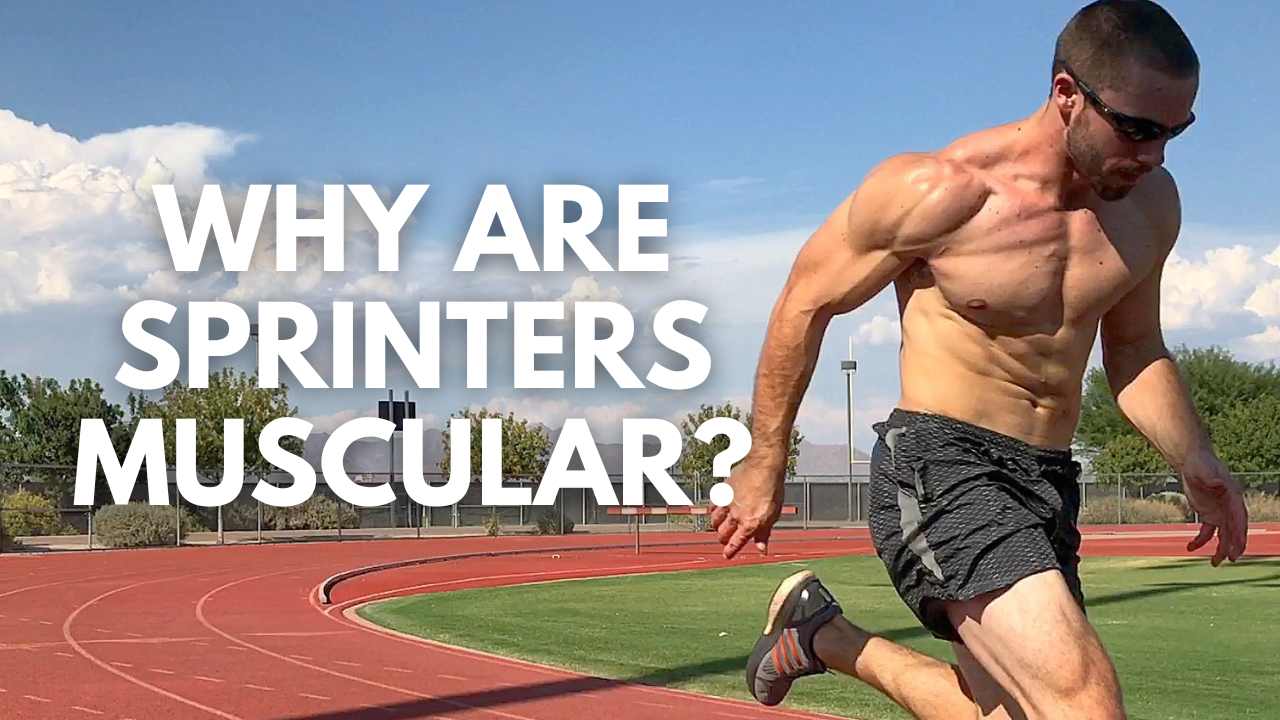
Credit: sprintingworkouts.com

Credit: www.prideagace.com
Frequently Asked Questions
How Long Should I Sprint For To Build Muscle?
Sprint for 20-30 seconds per set to build muscle effectively. Rest for 90-120 seconds between sets. Aim for 4-6 sprint sets in a session. This high-intensity training enhances muscle growth and boosts endurance. Ensure proper warm-up before starting to prevent injuries.
Will Sprinting Make Me Ripped?
Sprinting can help you get ripped by burning fat and building lean muscle. It boosts metabolism and enhances cardiovascular health. Combine sprinting with strength training and a balanced diet for best results. Consistency and proper recovery are crucial for achieving a toned physique.
How Many 30-second Sprints Should I Do?
Aim for 4 to 6 30-second sprints per workout session. Start with fewer if you’re a beginner, then gradually increase. Listen to your body to avoid overexertion. Sprints enhance cardiovascular fitness and burn calories efficiently. Consistency is key for achieving optimal results.
Is Doing Sprints Better Than Jogging?
Sprints burn more calories and increase muscle power quickly. Jogging improves cardiovascular health and endurance. Choose sprints for strength gains and jogging for endurance. Both exercises have unique benefits and can be alternated for balanced fitness. Tailor your workout to personal goals for optimal results.
Conclusion
Sprinting can help build muscle in a balanced workout routine. It targets leg muscles, boosting strength and endurance. Short bursts of speed increase muscle mass over time. Consistent practice is key. Pair sprinting with strength training for better results. Warm up before starting to avoid injury.
Listen to your body and rest when needed. This approach supports muscle growth and overall fitness. Enjoy the benefits of sprinting as part of your exercise plan. Keep moving forward for a healthier, stronger you.