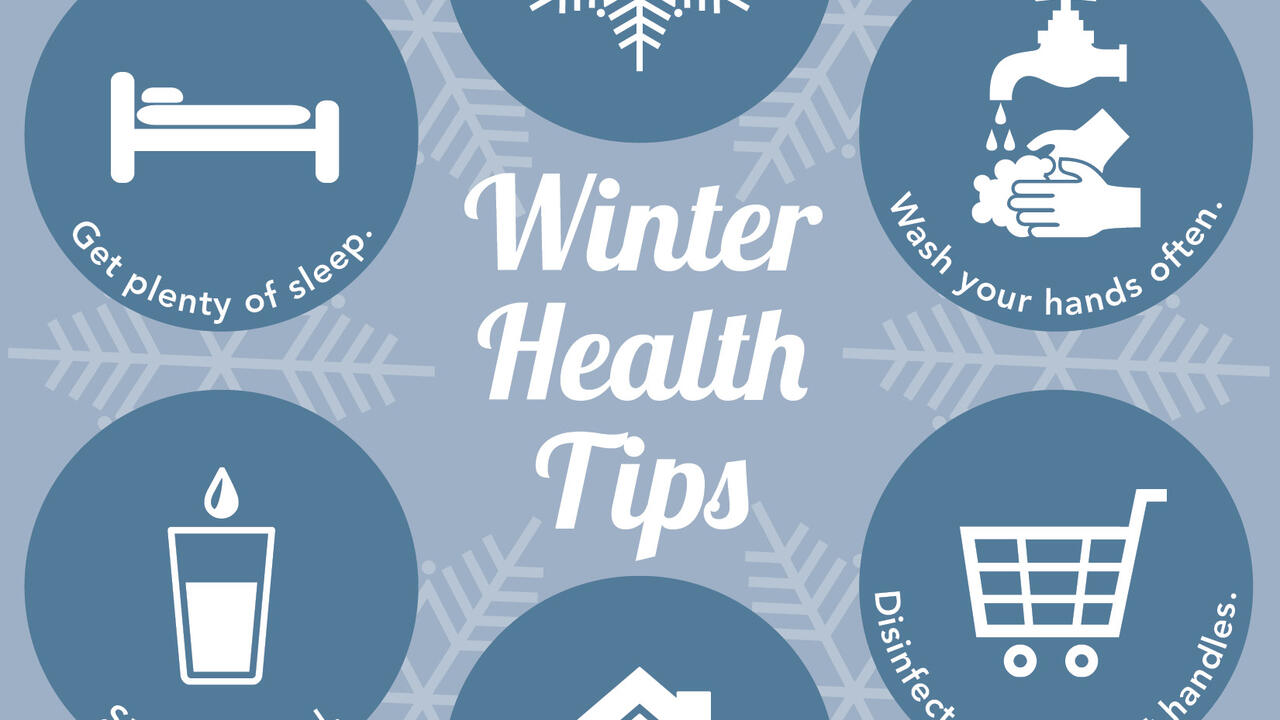
When winter arrives, your body faces new challenges that can affect your health and energy. You might feel colder, more tired, or even catch colds more easily.
But what if you could stay strong, warm, and full of energy all season long? This article shares simple, effective winter health tips designed just for you. By following these easy steps, you’ll protect your body and enjoy the cold months like never before.
Keep reading to discover how small changes can make a big difference in your winter wellness.

Credit: www.instagram.com
Boosting Immunity
Winter challenges the immune system. Cold weather and indoor heating can dry out skin and airways. This makes it easier for germs to enter the body. Boosting immunity helps fight off colds and flu. Simple daily habits strengthen the body’s defense.
Nutrient-rich Foods
Eating foods full of vitamins and minerals supports immune health. Focus on:
- Fruits like oranges and berries for vitamin C
- Leafy greens such as spinach and kale for vitamin A and iron
- Nuts and seeds for healthy fats and zinc
- Yogurt and fermented foods for probiotics
- Lean proteins like chicken and fish for building immune cells
These foods provide the fuel the immune system needs to work well.
Hydration Importance
Water helps flush out toxins and keeps mucous membranes moist. Dry membranes are less effective at blocking germs. Drink enough water even if you don’t feel thirsty. Warm herbal teas and broths also hydrate and soothe the throat.
Regular Exercise
Physical activity boosts circulation, helping immune cells move freely. Aim for moderate exercise like walking, stretching, or light jogging. Exercise reduces stress, which can weaken immunity. Try to stay active most days for best results.
Staying Warm Safely
Keeping warm during winter is more than just comfort—it’s about protecting your health and staying safe. Understanding how to stay warm safely can prevent common winter hazards like frostbite, hypothermia, and indoor air quality issues. Let’s look at practical ways you can keep cozy without risking your wellbeing.
Layering Techniques
Wearing the right layers traps heat and keeps cold air out. Start with a moisture-wicking base layer to keep sweat away from your skin. Add an insulating layer like fleece or wool for warmth, and finish with a waterproof, windproof outer layer.
Think about your hands and feet too—they lose heat quickly. Use thermal socks and insulated gloves. Don’t forget a hat; you lose a lot of body heat through your head.
Indoor Heating Tips
Heating your home safely means balancing warmth with air quality. Use space heaters with automatic shut-off features to avoid fire risks. Keep heaters away from curtains and furniture.
Opening a window slightly can prevent stuffy air and reduce moisture build-up. Have your heating system checked yearly to ensure it runs efficiently and safely.
Outdoor Safety Measures
Cold weather can surprise you if you’re not prepared. Check the weather forecast and dress appropriately before going outside. Avoid staying out too long in freezing temperatures.
Use non-slip footwear to prevent falls on icy surfaces. If you feel numbness or tingling in your fingers or toes, head indoors immediately—these signs can indicate frostbite starting.
Mental Well-being
Mental well-being is vital during winter months. Shorter days and colder weather can affect moods and energy levels. Focusing on mental health helps maintain balance and happiness. Small actions can make a big difference in how you feel.
Combating Seasonal Affective Disorder
Seasonal Affective Disorder, or SAD, affects many people in winter. Lack of sunlight causes tiredness and sadness. Bright light therapy can help by simulating natural sunlight. Spending time outside during daylight boosts mood. Eating a balanced diet supports brain health. Regular exercise increases energy and reduces stress.
Mindfulness Practices
Mindfulness helps calm the mind and reduce anxiety. Simple breathing exercises can be done anywhere. Meditation improves focus and emotional control. Keeping a gratitude journal shifts attention to positive moments. Even a few minutes of mindfulness daily improves mental clarity.
Social Connection
Staying connected with others eases feelings of loneliness. Phone calls or video chats provide comfort. Joining local groups or classes creates new friendships. Sharing experiences helps relieve stress. Acts of kindness strengthen bonds and boost mood. Social support is a key factor in mental health.
Skin Care
Winter can dry out your skin and cause discomfort. Cold air and indoor heating remove moisture, leaving skin rough and itchy. Proper skin care helps keep your skin soft and healthy during cold months. Simple habits can protect your skin and prevent damage.
Moisturizing Strategies
Use thick creams or ointments for better moisture protection. Apply moisturizer right after showering to lock in water. Focus on areas prone to dryness like hands, elbows, and face. Reapply moisturizer often, especially after washing your hands. Consider using products with ingredients like glycerin, hyaluronic acid, or ceramides. Avoid products with alcohol or fragrances that can irritate skin.
Sun Protection In Winter
UV rays still harm skin in winter, even on cloudy days. Use sunscreen with at least SPF 30 before going outside. Apply sunscreen on all exposed skin, including lips and ears. Wear hats and sunglasses to shield your face from sun and wind. Snow reflects sunlight, increasing UV exposure. Protect your skin to avoid sunburn and long-term damage.
Avoiding Skin Irritations
Harsh soaps and hot water can strip skin of natural oils. Use mild, fragrance-free cleansers to reduce irritation. Keep showers short and use warm water, not hot. Wear soft, breathable fabrics like cotton to avoid itching. Avoid scratching dry or irritated skin to prevent sores. Use a humidifier indoors to add moisture to dry air. Drink plenty of water to keep skin hydrated from inside.
Healthy Sleep Habits
Healthy sleep habits are essential during winter months. Cold weather and shorter days often disrupt normal sleep patterns. Prioritizing good sleep supports immunity and boosts energy. Simple changes can improve sleep quality and overall health.
Creating A Cozy Sleep Environment
Make your bedroom warm and comfortable for better rest. Use soft blankets and warm pajamas. Lower room temperature slightly to help your body cool down naturally. Keep noise and light to a minimum to avoid interruptions. A cozy space invites relaxation and deeper sleep.
Maintaining Sleep Routine
Stick to regular sleep and wake times every day. Consistency helps your body’s internal clock stay balanced. Avoid screens and bright lights at least one hour before bed. Relax with calming activities like reading or gentle stretching. A steady routine promotes faster and more restful sleep.
Benefits Of Napping
Short naps can restore energy during long winter days. Limit naps to 20-30 minutes to avoid grogginess. Napping helps improve mood and focus without disrupting nighttime sleep. Choose early afternoon for naps to keep your sleep schedule on track.
Nutritional Supplements
Winter can be tough on your body, and sometimes food alone doesn’t provide all the nutrients you need. Nutritional supplements can fill those gaps and help keep your immune system strong during the colder months. But how do you choose what’s right for you?
Essential Vitamins
Vitamin D is crucial in winter since sunlight is scarce, and your body struggles to produce enough. Adding a vitamin D supplement can boost your mood and support bone health.
Vitamin C and zinc are also popular because they help fight off colds and shorten their duration. Consider taking these in moderate amounts daily, especially if you’re feeling run down.
Herbal Remedies
Herbal supplements like echinacea and elderberry have a long history of use in cold and flu prevention. Many people find that elderberry syrup soothes symptoms and may reduce illness severity.
However, herbal remedies can interact with medications, so it’s important to research and choose brands with transparent ingredients. Have you ever tried a herbal supplement that made a noticeable difference in your winter health?
Consulting Health Professionals
Before starting any supplement, talk to your doctor or a nutritionist. They can help identify deficiencies and recommend the right doses based on your health status.
This step can prevent unnecessary or harmful supplement use, ensuring you only take what benefits your body. What questions could you ask your healthcare provider to get the most out of your supplements?
Cold And Flu Prevention
Cold and flu season can hit hard, but you don’t have to be a victim. Taking steps to protect yourself can make a big difference. Let’s look at effective ways you can prevent getting sick this winter.
Vaccination Importance
Getting a flu shot each year is one of the best ways to protect yourself. The vaccine reduces your risk of severe illness and can help prevent spreading the virus to others.
Think about last winter—did you skip your flu shot and end up bedridden? That experience alone shows how a simple vaccine can save you days of discomfort and lost productivity.
Vaccines are updated annually to match the most common strains, so staying current matters. Ask your doctor or local clinic about scheduling your vaccination.
Hygiene Practices
Good hygiene is your frontline defense against cold and flu viruses. Washing your hands with soap for at least 20 seconds can remove germs you’ve picked up during the day.
Carry hand sanitizer when soap and water aren’t available. Avoid touching your face, especially eyes, nose, and mouth, since germs enter your body this way.
- Cover coughs and sneezes with a tissue or your elbow
- Disinfect commonly touched surfaces like doorknobs and phones regularly
- Keep your living space well-ventilated
Have you noticed how often you touch your face without realizing it? Becoming aware of this habit can reduce your chances of infection.
Recognizing Symptoms Early
Spotting cold or flu symptoms early helps you take action before things get worse. Pay attention to sudden fever, body aches, sore throat, or persistent cough.
Starting rest and hydration at the first sign can shorten the illness. If symptoms worsen or you’re at high risk, contact a healthcare provider promptly.
Early recognition also means you can avoid spreading the virus to family, friends, or coworkers. Have you ever pushed through work despite feeling unwell? Consider how staying home early could protect others.

Credit: www.facebook.com

Credit: www.facebook.com
Frequently Asked Questions
How Can I Boost Immunity During Winter?
Boost immunity by eating vitamin-rich foods like citrus fruits and leafy greens. Stay hydrated and get enough sleep. Regular exercise also helps strengthen your immune system in winter.
What Are The Best Foods To Eat In Winter?
Eat seasonal vegetables like carrots, spinach, and broccoli. Include warm soups, nuts, and whole grains. These foods provide essential nutrients and keep your body warm and energized.
How Can I Prevent Dry Skin In Winter?
Moisturize daily with a rich cream or lotion. Avoid hot showers, which dry skin out. Use a humidifier to add moisture to indoor air and drink plenty of water.
Is Exercise Important During Cold Weather?
Yes, exercising in winter boosts mood and immunity. Dress in layers and warm up properly. Indoor workouts are great alternatives if it’s too cold outside.
Conclusion
Staying healthy in winter takes small daily steps. Drink plenty of water and eat nutritious foods. Dress warmly to protect your body from cold. Keep moving with light exercise to stay strong. Rest well and manage stress for better immunity.
These simple habits help you feel good all season. Enjoy winter while caring for your health every day. Stay safe, stay warm, and take care!