Imagine feeling more energized, less stressed, and truly supported every time you walk into your workplace. That’s exactly what a well-designed workplace wellness program can do for you.
Whether you’re juggling deadlines or managing a team, your health and happiness matter—and these programs are crafted to boost both. Ready to discover how your workplace can become a place where you thrive, not just survive? Keep reading to find out how wellness initiatives can transform your daily work life and make a real difference for you.
Credit: www.wellable.co
Benefits Of Workplace Wellness
Workplace wellness programs offer many benefits for both employees and employers. These programs focus on creating a healthier work environment. Healthy employees feel better and work better. Wellness initiatives can lead to a happier workplace and a stronger team.
Improved Employee Health
Wellness programs encourage employees to adopt healthy habits. Regular exercise, balanced nutrition, and stress management become part of daily life. Healthier employees have more energy and a positive mindset. This helps reduce the risk of chronic diseases.
Enhanced Productivity
Healthy employees concentrate better and complete tasks faster. Wellness programs reduce fatigue and boost mental clarity. Focused employees produce higher-quality work. This leads to better overall performance and success.
Reduced Absenteeism
Wellness programs help lower sick days. Employees with good health take fewer breaks for illness. This means more consistent attendance and less disruption. A steady workforce keeps projects on track and meets deadlines.
Lower Healthcare Costs
Investing in wellness reduces medical expenses for companies. Preventive care and healthy lifestyles cut down on doctor visits and treatments. Lower costs benefit both employers and employees. Savings can be redirected to other important areas.
Key Components Of Wellness Programs
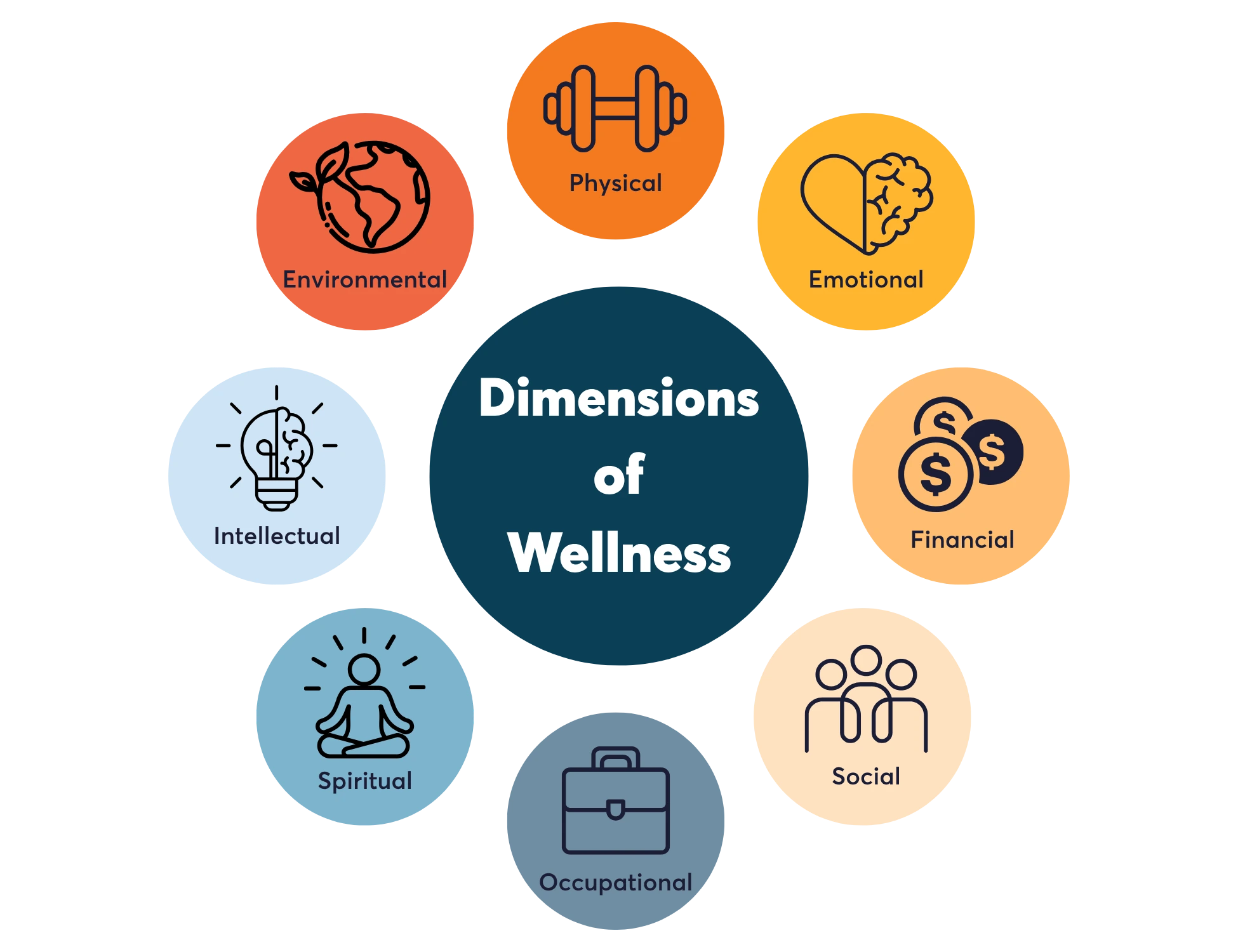
Wellness programs in the workplace thrive when they address multiple aspects of health. Focusing on key components ensures these programs meet real needs and create lasting benefits. What areas do you think contribute most to your well-being at work?
Physical Fitness Initiatives
Encouraging movement during the workday can change how you feel and perform. Simple actions like group walks, stretching breaks, or onsite fitness classes make exercise accessible and fun.
Offering incentives for regular activity often boosts participation. Have you noticed how a quick stretch or short walk improves your focus and energy?
Mental Health Support
Your mental health is just as important as your physical health at work. Providing access to counseling services, mental health days, and awareness workshops helps create a supportive environment.
Open conversations about stress and mental well-being reduce stigma. What would happen if you felt comfortable discussing your mental health at your workplace?
Nutrition And Healthy Eating
Healthy eating fuels your body and mind throughout the day. Wellness programs that offer nutritious snacks, cooking classes, or meal planning tips make healthy choices easier.
Small changes like replacing sugary drinks with water can boost productivity. How often do you think about the impact of your lunch on your afternoon energy?
Stress Management Techniques
Stress can quietly drain your energy and focus. Teaching techniques like mindfulness, breathing exercises, or time management helps you regain control.
Regular practice of these methods builds resilience to daily pressures. What stress relief techniques have you tried that actually worked for you?
Designing Effective Wellness Programs
Effective workplace wellness programs focus on simple activities that promote health and reduce stress. Creating a supportive environment helps employees stay motivated and engaged. Clear goals and easy access make these programs successful and meaningful.
Designing effective wellness programs can transform workplace culture. It focuses on boosting employee health and morale. A well-crafted program considers diverse needs and preferences. It prioritizes inclusivity and accessibility for all employees. Below are key steps to create a successful wellness program.Assessing Employee Needs
Start by understanding what employees need. Use surveys and interviews to gather data. Learn about their health concerns and interests. Identify common stressors and challenges. This data guides program design and ensures relevance.Setting Realistic Goals
Set achievable goals for the wellness program. Goals should be specific and measurable. Consider short-term and long-term objectives. Align them with company values and resources. This helps track progress and measure success.Incorporating Employee Feedback
Feedback is crucial for program success. Regularly ask employees for their opinions. Use feedback to make improvements. Encourage open communication. This promotes a sense of ownership and participation.Creating Inclusive Activities
Design activities that cater to diverse needs. Consider physical, mental, and social health aspects. Offer a variety of activities to suit different interests. Ensure activities are accessible to all employees. Inclusivity fosters a supportive and engaging environment.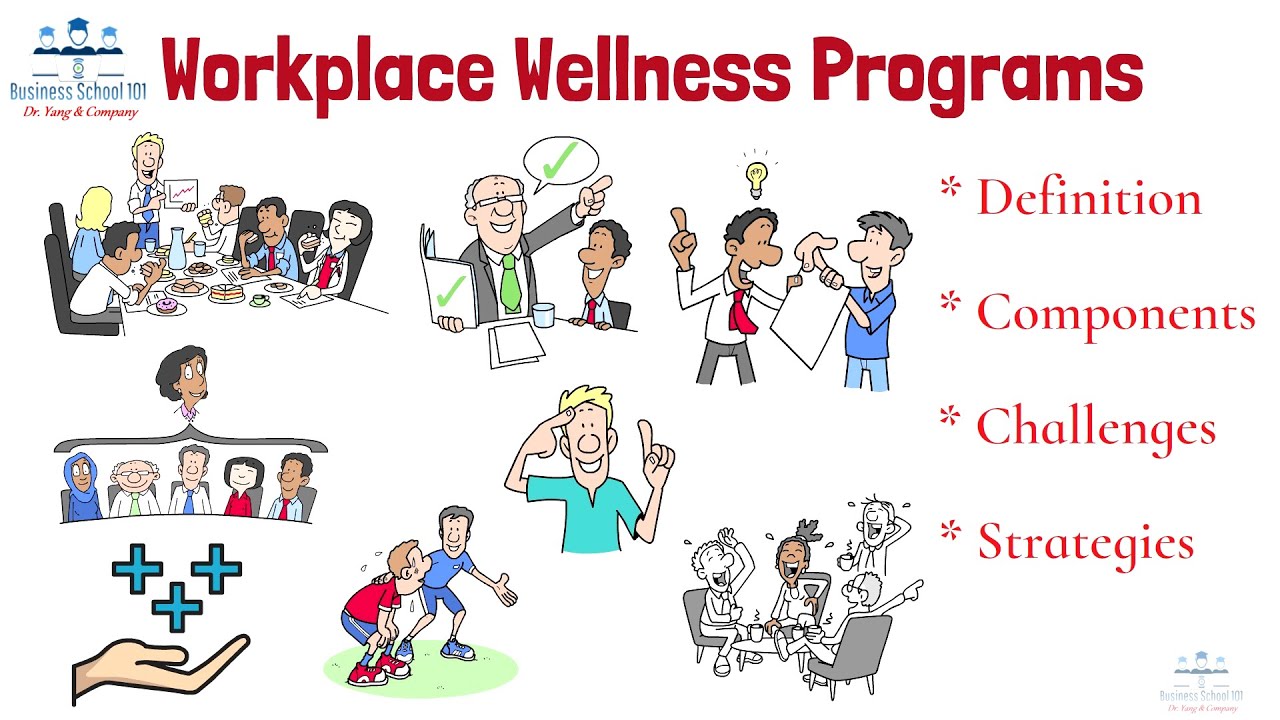
Credit: www.youtube.com
Technology In Wellness Programs
Technology plays a key role in modern workplace wellness programs. It helps employees stay healthy and motivated. Technology tools make wellness activities easy to access and track. These tools support better health choices at work and beyond.
Wearable Devices
Wearable devices track physical activity, heart rate, and sleep patterns. Employees use smartwatches and fitness bands to monitor daily steps and exercise. These devices send real-time feedback to encourage movement. They help create awareness about personal health habits.
Mobile Health Apps
Mobile health apps provide wellness resources on smartphones. Users can log meals, water intake, and moods. Many apps offer guided meditations and workout routines. These apps fit easily into daily routines for continuous health support.
Virtual Wellness Coaching
Virtual wellness coaching connects employees with health experts online. Coaches offer personalized advice through video calls or chats. This support boosts motivation and accountability. Employees get help with nutrition, fitness, and stress management.
Data Tracking And Analytics
Data tracking collects health information from devices and apps. Analytics tools analyze this data to identify trends and risks. Employers use insights to design better wellness programs. Employees receive tailored recommendations to improve their health.
Overcoming Challenges
Workplace wellness programs often face several challenges that can slow their progress. Overcoming these obstacles is key to creating a healthier, happier workforce. With the right strategies, companies can boost participation and show real results.
Engaging Reluctant Employees
Some employees may not see the value in wellness programs. They might feel too busy or unsure about joining. To engage them:
- Offer simple, low-pressure activities.
- Share success stories from coworkers.
- Provide incentives that matter to employees.
- Create a friendly and inclusive environment.
Clear communication about benefits helps build trust and interest.
Measuring Program Success
Tracking progress shows what works and what needs change. Use clear, measurable goals such as:
- Participation rates
- Employee feedback
- Health improvements
- Reduced absenteeism
Regularly review data to improve the program and keep it relevant.
Maintaining Long-term Participation
Initial excitement can fade over time. To keep employees involved:
- Introduce new activities regularly.
- Celebrate milestones and achievements.
- Encourage social support among coworkers.
- Ensure leadership shows ongoing commitment.
Consistent motivation helps wellness efforts last longer.
Addressing Privacy Concerns
Employees worry about how their health data is used. Protect privacy by:
- Clearly explaining data collection methods.
- Keeping personal information confidential.
- Following legal and ethical guidelines.
- Allowing anonymous participation where possible.
Trust is essential for a successful wellness program.
Credit: wellhub.com
Case Studies And Success Stories
Exploring real examples helps understand the impact of workplace wellness programs. These stories show how different organizations improve health and morale. Each case offers unique insights into practical benefits and challenges. Success often comes from adapting programs to fit the company culture and employee needs.
Small Business Initiatives
Small businesses use simple wellness ideas with great results. A local bakery introduced weekly yoga sessions during breaks. Employees reported feeling less stressed and more focused. Another small tech startup offered healthy snacks and walking meetings. The team saw better energy and teamwork after a few months.
Corporate Wellness Models
Large companies often build comprehensive wellness programs. One multinational firm launched a health challenge with rewards. Thousands joined, leading to lower sick days and higher productivity. Another corporation provided mental health support through counseling services. Employees appreciated the care, boosting workplace loyalty.
Nonprofit Sector Examples
Nonprofits focus on wellness despite budget limits. A charity organized group walks and mindfulness workshops. Staff felt more connected and less overwhelmed by work. Another nonprofit created a quiet room for relaxation. This simple change helped reduce burnout and improve focus.
Government Workplace Programs
Government offices also invest in employee wellness. A city department started fitness classes and health screenings. Attendance increased, and health issues dropped. Another agency implemented flexible schedules for better work-life balance. Employees reported higher job satisfaction and less stress.
Frequently Asked Questions
What Are Workplace Wellness Programs?
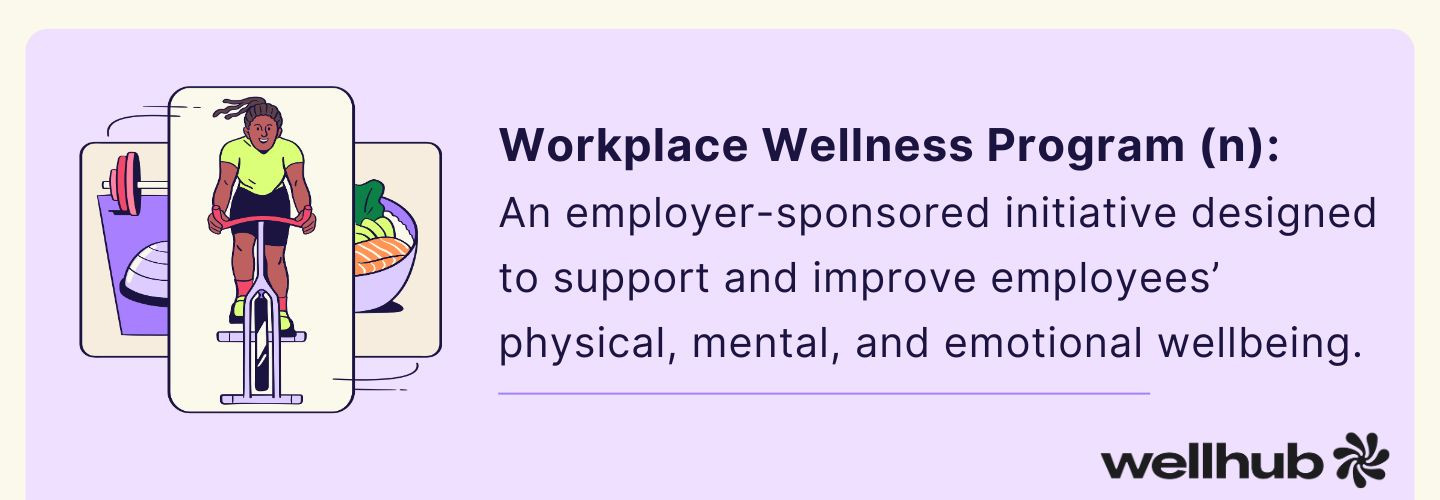
Workplace wellness programs are employer-led initiatives promoting employee health. They improve physical, mental, and emotional well-being, reducing healthcare costs and boosting productivity.
How Do Wellness Programs Benefit Employees?
Wellness programs enhance employee health, reduce stress, and increase job satisfaction. They foster a positive work environment and encourage healthy lifestyle choices.
Are Workplace Wellness Programs Cost-effective?
Yes, wellness programs lower healthcare expenses and absenteeism. They improve employee productivity, which contributes to overall business savings.
What Activities Are Included In Wellness Programs?
Activities include fitness challenges, health screenings, nutrition workshops, and stress management sessions. These support holistic employee well-being and engagement.
Conclusion
Workplace wellness programs help employees stay healthy and happy. They reduce stress and boost energy at work. Healthy workers often perform better and take fewer sick days. These programs create a positive work environment for everyone. Investing in wellness benefits both employees and the company.
Small changes can lead to big improvements in health and mood. A strong wellness plan supports a balanced life. It’s worth making wellness a priority at work.