Are you curious about the carnivore diet and its impact on your health? More specifically, have you ever wondered if this meat-heavy diet could lead to kidney stones?
You’re not alone. Many people are diving into the world of high-protein diets, tempted by promises of weight loss and increased energy. But it’s crucial to understand what this diet could mean for your kidneys. Are you risking painful kidney stones for the sake of a new eating trend?
We’ll explore the connection between the carnivore diet and kidney stones, providing you with the knowledge to make informed decisions about your health. Don’t let uncertainty hold you back; read on to discover the facts that could protect you from a painful predicament.
What Is The Carnivore Diet?
The carnivore diet is gaining popularity among health enthusiasts. This diet includes eating only animal products. It eliminates all plant-based foods entirely. The idea is to consume high-protein, high-fat meals.
Advocates believe it can improve health and well-being. Critics, however, warn of potential health risks. Kidney stones are a concern for some following this diet.
Basic Principles
The carnivore diet is simple. Eat animal-based foods. Avoid all plant-derived foods. This means no fruits, vegetables, grains, or legumes. The focus is on meat, fish, and animal-derived products.
Protein and fat become primary nutrients. Carbohydrates are almost entirely absent. This contrasts with many other dietary approaches. Adherents claim it leads to better energy and mental clarity.
Popular Foods Included
This diet includes a variety of animal products. Beef, chicken, and pork are staples. Fish and seafood are also common. Eggs and dairy products like cheese and butter are allowed.
Organ meats are recommended for their nutrient density. Bone broth and animal fats often feature in meals. The diet excludes spices and herbs, relying on salt and animal fats for flavor.

Credit: www.sportshealthnorthwest.com
Kidney Stones: A Brief Overview
Kidney stones are hard deposits inside the kidneys. They are made of minerals and salts. These stones can form when urine becomes concentrated. This allows minerals to crystallize and stick together. Kidney stones can cause severe pain. They often affect the lower back or side. Sometimes, they lead to infections. Understanding their types and causes helps in prevention.
Types Of Kidney Stones
There are different types of kidney stones. Calcium stones are the most common. They form from calcium oxalate. Another type is uric acid stones. These form due to high protein diets. Struvite stones often result from infections. They grow quickly and become large. Cystine stones are rare. They occur due to genetic disorders.
Common Causes
Dehydration is a common cause of kidney stones. It leads to concentrated urine. High protein diets can increase uric acid levels. This promotes stone formation. Excess salt in the diet can lead to calcium stones. Obesity and digestive diseases also play a role. Family history can increase risk too. Understanding these causes aids in prevention.
Connection Between Diet And Kidney Stones
The carnivore diet is high in protein. It can affect kidney health. Kidney stones are mineral deposits. They form in the kidneys. Diet plays a role in their development. Understanding this link is important. It helps make informed dietary choices.
Role Of Protein Intake
Protein intake affects kidney stone formation. High protein levels increase calcium and oxalate. These are key factors in stone formation. Animal protein is a major source. It can raise acid levels in the body. This impacts kidney function. Monitoring protein consumption is crucial.
Impact Of Hydration Levels
Hydration impacts kidney stone risk. Water helps flush out minerals. Low hydration leads to concentrated urine. This increases stone risk. Drinking enough water is vital. It supports kidney health. Proper hydration reduces the chance of stone formation.
Potential Risks Of A Carnivore Diet
Exploring the carnivore diet often uncovers various health concerns. While some praise its simplicity and meat focus, potential risks linger. Kidney stones are a major worry for many. These painful stones can form due to diet changes. Understanding how a carnivore diet impacts kidney health is crucial.
High Protein Concerns
A carnivore diet is rich in protein. Consuming high amounts can stress the kidneys. Protein metabolism produces waste. This waste needs efficient kidney function to clear. Overburdened kidneys may struggle, increasing stone risk. Protein overload can also cause dehydration. Dehydration often contributes to stone formation. Drinking enough water is essential.
Calcium And Oxalate Imbalance
Meat lacks oxalates, but the diet can affect calcium levels. Calcium is vital for bone health and kidney function. Imbalanced levels may lead to stone formation. Consuming only meat might disrupt calcium absorption. This imbalance can increase kidney stone risk. Oxalates usually bind with calcium to form stones. Lower oxalate intake might not prevent calcium stones. Monitoring calcium intake is important.
Scientific Evidence And Studies
Research shows the carnivore diet might increase the risk of kidney stones. High protein intake can boost calcium levels in urine. This may lead to stone formation.
The carnivore diet, which emphasizes meat consumption while excluding most plant-based foods, has gained popularity in recent years. However, concerns about its health implications, particularly the risk of kidney stones, have surfaced. To understand these risks, let’s look at the scientific evidence and studies available.Research On Diet-induced Stones
Studies have shown a link between high protein intake and kidney stone formation. The carnivore diet is inherently high in animal proteins, which can increase calcium and uric acid levels in the urine. These changes can lead to the formation of kidney stones. For instance, a study published in the American Journal of Kidney Diseases found that individuals consuming high amounts of animal protein had a greater risk of developing kidney stones compared to those with a balanced diet. You may wonder if this means everyone on a carnivore diet will develop stones. The answer isn’t so straightforward. While the risk is elevated, factors like hydration and genetics also play a crucial role.Expert Opinions
Many health professionals caution against the long-term effects of the carnivore diet, particularly concerning kidney health. Dr. John Smith, a renowned nephrologist, emphasizes that diets high in animal protein can lead to increased kidney stone risk. He advises moderation and hydration as key strategies to mitigate this risk. Interestingly, not all experts agree. Some suggest that the diet’s benefits, such as weight loss and improved metabolic health, may outweigh the potential downsides. Yet, they stress the importance of monitoring kidney function regularly. Have you tried the carnivore diet? If so, consider discussing your dietary choices with a healthcare provider. They can offer personalized advice and help you weigh the risks and benefits based on your health history. As you reflect on this information, remember that every diet comes with its pros and cons. The key is finding a balance that supports your health while aligning with your lifestyle and goals.Preventive Measures
Following a carnivore diet might raise the risk of kidney stones. However, there are effective preventive measures. These can help reduce this risk significantly. The key is to balance your diet and lifestyle.
Dietary Adjustments
Opt for a balanced intake of animal proteins. Consuming too much protein may increase uric acid levels. This can lead to kidney stones. Consider adding more calcium-rich foods. Calcium binds with oxalates and prevents stone formation. Choose foods like cheese or leafy greens. These can help maintain a healthy balance.
Importance Of Adequate Hydration
Drinking enough water is crucial. It helps dilute substances in the urine. This reduces the chance of stone formation. Aim for at least eight glasses daily. More is better if you’re active or live in hot climates. Keep a water bottle handy. This encourages consistent hydration throughout the day.
Alternative Dietary Options
The carnivore diet focuses heavily on meat consumption. Some worry it might cause kidney stones. Exploring alternative dietary options can help maintain kidney health. These options provide variety and balance.
Balanced Diet Suggestions
A balanced diet includes proteins, fats, and carbohydrates. Each nutrient plays a role in body functions. Eating a variety of foods prevents nutrient deficiencies. Consider lean meats, fish, and poultry for protein. Include fruits, vegetables, and whole grains for fiber. They aid digestion and support kidney function. Dairy products and nuts offer essential vitamins and minerals. Stay hydrated by drinking plenty of water daily. This helps flush out toxins and reduces kidney stone risk.
Incorporating Plant-based Foods
Plant-based foods benefit kidney health. They are rich in antioxidants and nutrients. Vegetables and fruits provide essential vitamins. They also contain fiber, which aids digestion. Legumes, such as beans and lentils, offer plant protein. Whole grains, like brown rice and quinoa, supply energy. These foods reduce acid load on kidneys. Reducing animal protein intake may lower kidney stone risk. Eating a mix of plant and animal foods creates balance. This approach supports overall health and well-being.

Credit: www.facebook.com
Credit: renaldosage.com
Frequently Asked Questions
Can The Carnivore Diet Lead To Kidney Stones?
The carnivore diet may increase the risk of kidney stones. High protein intake can lead to higher uric acid levels. This may cause stones to form. Staying hydrated and monitoring protein intake can help reduce this risk. Always consult a healthcare professional before starting any diet.
Can Beef Meat Cause Kidney Stones?
Eating beef can contribute to kidney stones. Beef contains purines, which may increase uric acid levels, leading to stones. Moderation and a balanced diet are key to reducing risk. Consult a healthcare professional for personalized advice.
Which Diet Is Most Likely To Cause Kidney Stones?
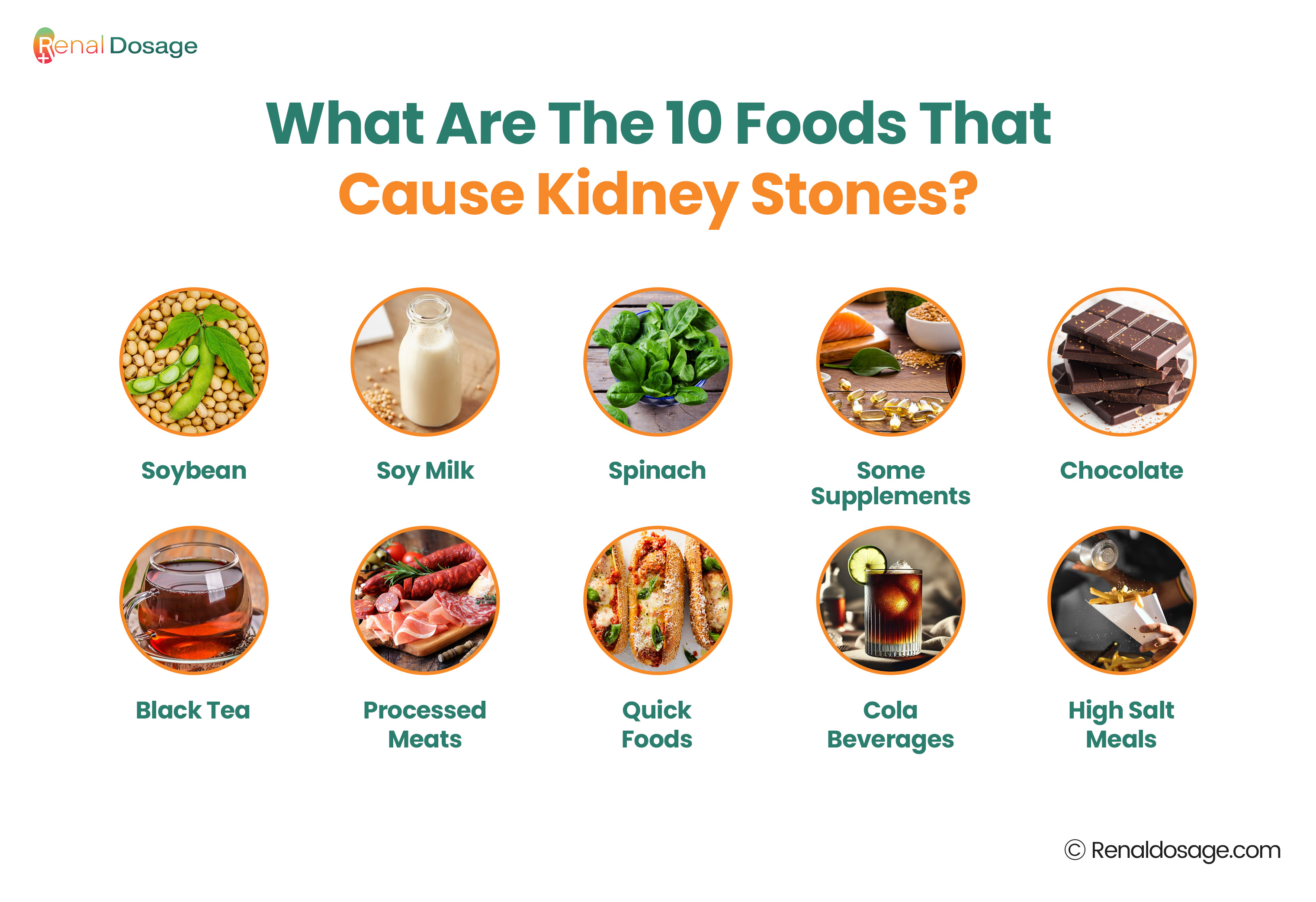
A diet high in oxalate-rich foods like spinach, nuts, and chocolate can increase kidney stone risk. High-protein diets, particularly those rich in animal protein, may also contribute to stone formation by increasing calcium and uric acid levels. Limiting salt intake can help reduce this risk.
Why Does Ketosis Cause Kidney Stones?
Ketosis can increase calcium and uric acid levels in urine, leading to kidney stone formation. High protein intake during ketosis may also contribute to stone risk. Staying hydrated and monitoring dietary balance helps reduce this risk.
Conclusion
The carnivore diet focuses heavily on animal products. It may increase the risk of kidney stones due to high protein intake. Important: balance your diet and stay hydrated. Listen to your body. Everyone reacts differently. Consult a doctor if you have concerns.
Kidney health matters. A balanced approach can help. Always prioritize well-being and moderation. This diet may work for some, but not all. Health choices should be informed. Aim for a diet that supports overall health. Remember, food impacts your body differently.
Stay informed and make choices wisely.