Are you concerned about your heart health and looking for ways to improve it through your diet? You might have heard about lipoprotein a, a type of cholesterol that can increase your risk of heart disease.
Lowering its levels could be crucial for maintaining a healthy heart. But how exactly can you achieve this through what you eat? Imagine the relief of knowing the foods you choose can positively impact your heart health. You’ll discover simple, effective dietary changes that can help reduce lipoprotein a levels.
Dive in to learn how you can take control of your heart health with the power of nutrition.
Credit: nutritionfacts.org
Understanding Lipoprotein A
Understanding Lipoprotein a is crucial if you’re concerned about heart health. Lipoprotein a, often abbreviated as Lp(a), is a type of lipoprotein similar to LDL, which is commonly known as “bad cholesterol.” Its high levels in the blood can be a risk factor for cardiovascular diseases. But what makes Lp(a) unique, and why should it matter to you?
Role In Heart Health
Lipoprotein a plays a significant role in heart health. Elevated levels of Lp(a) can lead to the build-up of plaques in the arteries, increasing the risk of heart attacks and strokes. Unlike LDL cholesterol, which can be managed with lifestyle changes, Lp(a) levels are primarily influenced by genetics. This means diet alone might not drastically alter its levels, but smart dietary choices can still support overall cardiovascular health.
Genetic Influences
Genetics play a major role in determining your Lipoprotein a levels. If you have a family history of high Lp(a), you’re more likely to have elevated levels. This genetic factor can sometimes make it challenging to control Lp(a) through diet alone. However, understanding your genetic predisposition can help you make informed choices about your lifestyle and diet.
Consider asking your healthcare provider about testing your Lp(a) levels. Knowing your genetic risk can empower you to take proactive steps in maintaining heart health. Wouldn’t you want to know if you have a hidden risk factor?
While genetics set the baseline, your diet can still play a supportive role. Incorporating heart-healthy foods like omega-3 rich fish, nuts, and whole grains can contribute to better overall heart health. Although these foods might not directly lower Lp(a), they can help manage other cardiovascular risk factors.
It’s not just about what you eat but also how you live. Regular physical activity, maintaining a healthy weight, and avoiding smoking can complement a heart-friendly diet. Have you considered how your lifestyle choices might be influencing your heart health?
Dietary Impact On Lipoprotein A
Eating healthy can lower lipoprotein a levels. Focus on foods rich in omega-3 fatty acids. Include fruits, vegetables, and whole grains. Reduce processed foods and saturated fats. Small changes in diet may help improve heart health.
Reducing lipoprotein(a) levels through diet can be a practical approach to improving heart health. While it’s essential to consult healthcare professionals for personalized advice, tweaking your diet is a proactive step you can take. Understanding which foods to minimize and which ones to embrace can make a significant difference in managing lipoprotein(a) levels effectively.Foods To Avoid
Start by eliminating or reducing foods high in saturated and trans fats. These fats are often found in processed and fried foods, like chips and baked goods. They can contribute to increased lipoprotein(a) levels, impacting your heart health negatively. Consider the effects of red meat, particularly those with visible fat or processed varieties like sausages and bacon. These meats can increase not only lipoprotein(a) but also overall cholesterol levels. Opting for leaner cuts or plant-based proteins can be beneficial. Sugar-laden foods and beverages also pose a risk. High sugar intake can lead to weight gain and increased cholesterol, including lipoprotein(a) levels. You might find it surprising how much sugar is hidden in seemingly healthy options like granola bars or flavored yogurts.Nutrient-rich Choices
Whole grains such as oats, barley, and quinoa are excellent for heart health. They are rich in fiber, which helps lower cholesterol levels. Including these grains in your diet can contribute to managing lipoprotein(a) levels effectively. Fruits and vegetables should be staples in your meals. They’re full of antioxidants and nutrients that support heart health. Consider adding a variety of colors to your plate for a broader range of benefits. Nuts and seeds like almonds, walnuts, and flaxseeds are good sources of healthy fats. They can help in reducing bad cholesterol and, in turn, affect lipoprotein(a) levels positively. A handful of nuts as a snack or sprinkled over salads can be a delicious way to improve your diet. What small change can you make in your diet today to support a healthier heart? Even starting with one meal can set you on a path to better heart health. Your choices today could shape your wellbeing tomorrow.Foods To Lower Lipoprotein A
Eating foods rich in omega-3 fatty acids, like salmon and walnuts, may help lower lipoprotein a levels. Incorporating more fruits, vegetables, and whole grains can also support heart health. Aim for a balanced diet to maintain optimal lipoprotein levels.
Reducing lipoprotein a levels through diet can significantly improve heart health. Incorporating specific foods into your daily meals can help manage these levels. Below are some foods that can effectively lower lipoprotein a.Fiber-rich Foods
Fiber-rich foods play a vital role in maintaining heart health. They help reduce cholesterol levels in the blood. Whole grains like oats, barley, and quinoa are excellent sources. Include beans, lentils, and chickpeas for added fiber. Fruits such as apples, pears, and berries also offer high fiber content. Vegetables like broccoli, carrots, and Brussels sprouts are beneficial too. Fiber-rich foods not only lower lipoprotein a but also improve digestion. Aim for a variety of these foods daily.Omega-3 Fatty Acids
Omega-3 fatty acids are essential for heart health. They help lower lipoprotein a levels effectively. Fatty fish like salmon, mackerel, and sardines are rich in omega-3s. Plant-based sources include chia seeds, flaxseeds, and walnuts. Include these foods in your meals a few times a week. Omega-3s support heart function and reduce inflammation. They are crucial for a balanced and heart-healthy diet.Beneficial Supplements
Lowering lipoprotein a levels through diet involves choosing foods that promote heart health. Emphasize fruits, vegetables, and whole grains. Omega-3 rich fish also helps. Supplements like niacin and omega-3 can support dietary efforts. Regular exercise enhances results. Consulting a healthcare professional ensures a personalized approach.
Reducing lipoprotein(a) levels through diet can seem like a puzzle, but supplements can be your secret weapon. While foods play a significant role, certain supplements can give your body the extra edge it needs. Imagine taking a small step daily that could lead to significant heart health benefits. Wouldn’t you want to explore it further?Niacin
Niacin, also known as vitamin B3, can be a key player in lowering lipoprotein(a) levels. It’s not just about adding another pill to your routine; it’s about understanding its impact. Niacin has been shown to effectively reduce lipoprotein(a) levels in the body. Consider starting with a low dose and gradually increasing it. It’s essential to monitor your body’s response and consult your doctor to find the right balance. Think of it as a gentle nudge towards better heart health.Plant Sterols
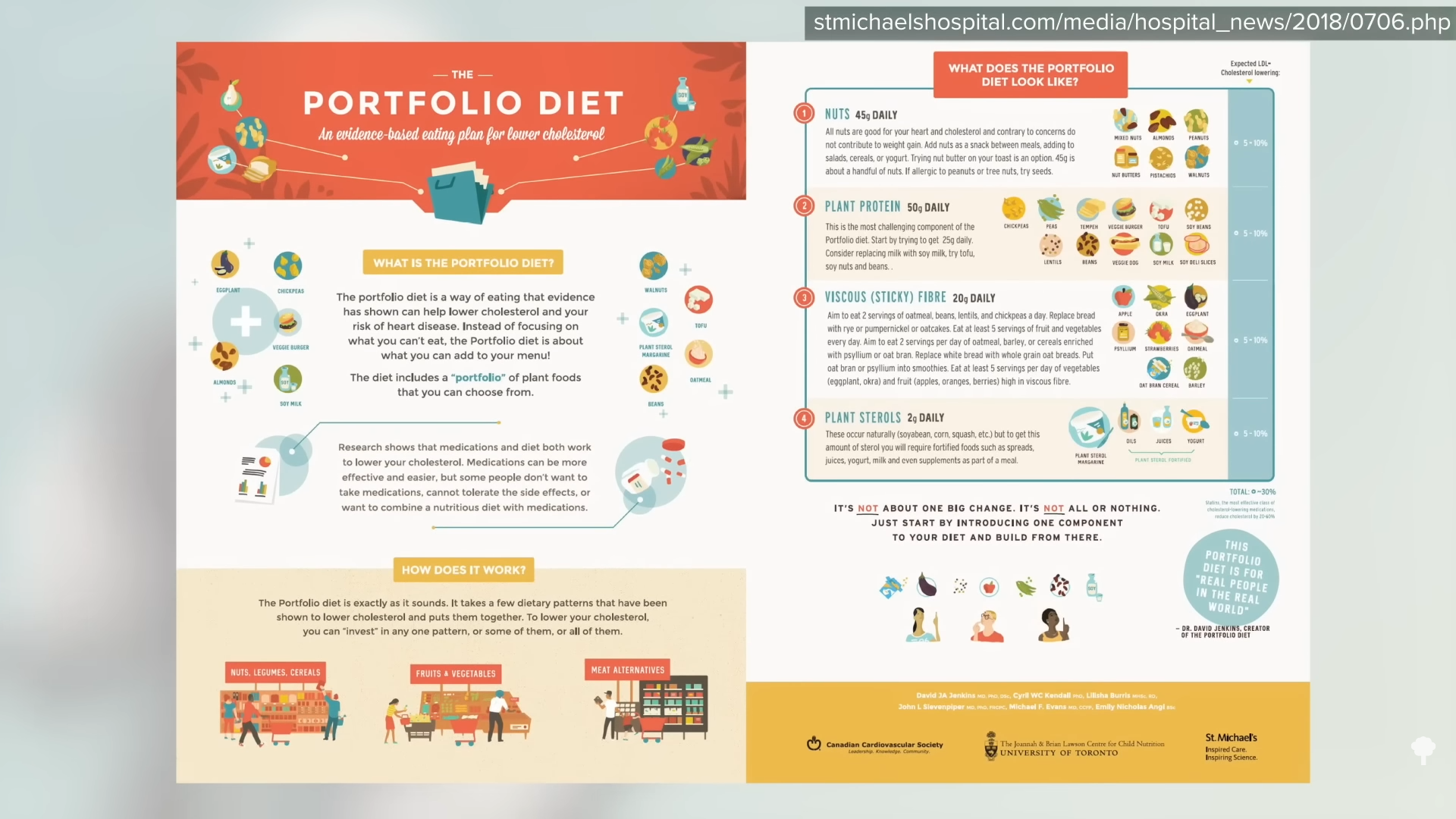
Plant sterols can be found in fortified foods and supplements. They work by blocking the absorption of cholesterol in your intestines. This, in turn, can lower lipoprotein(a) levels, which is a win for your heart. Adding plant sterol supplements might feel like a small change, but its impact can be significant over time. Have you ever tried adding plant sterols to your diet? Their presence in foods like spreads and juices can make it easier to integrate them into your meals. These supplements can be part of your proactive approach to health. By focusing on niacin and plant sterols, you can take concrete steps toward reducing lipoprotein(a) levels. It’s about making informed choices that lead to a healthier you. Are you ready to give your heart the care it deserves?Lifestyle Changes
When aiming to reduce Lipoprotein a levels, lifestyle changes play a pivotal role. It’s not just about what you eat; how you live can make a significant difference. By tweaking certain aspects of your daily routine, you can actively support a healthier cardiovascular system. Let’s dive into some practical lifestyle changes, focusing on exercise and stress management.
Exercise Benefits
Regular physical activity is a game changer for your heart health. Exercise helps improve your body’s ability to manage cholesterol levels. It encourages the production of HDL cholesterol, the “good” kind that helps remove LDL, or “bad” cholesterol, from your bloodstream.
Consider incorporating activities like brisk walking, cycling, or swimming. These exercises are not only effective but enjoyable. It’s like giving your heart a workout that also boosts your mood. Plus, it’s an opportunity to socialize if you join a group or a class.
Think about this: Could a simple 30-minute walk each day be your heart’s best ally? It’s something worth trying, and you might find it becomes the highlight of your day.
Stress Management
Stress is a silent saboteur of heart health. Managing stress effectively can lead to lower Lipoprotein a levels. High stress levels can trigger inflammation, affecting your cardiovascular system.
Simple practices like meditation or deep breathing exercises can make a huge difference. These techniques help calm your mind and reduce stress hormones in your body. You might find that a few minutes of daily meditation brings clarity and peace to your hectic schedule.
What works for you? Maybe it’s listening to music, reading a book, or even gardening. Discover what helps you unwind and make it a part of your routine. Stress relief is not just a luxury; it’s a necessity for your heart health.
Incorporating these lifestyle changes can provide tangible benefits for your heart. Take the first step today, and see how these small adjustments can lead to a healthier you.

Credit: www.atherosclerosis-journal.com
Monitoring Progress
Lowering lipoprotein a levels through diet involves consuming more fruits, vegetables, and whole grains. Foods rich in omega-3 fatty acids, like fish and walnuts, may help. Reducing saturated fats and cholesterol intake can also be beneficial.
Monitoring your progress is essential when you’re trying to reduce Lipoprotein (a) levels through diet. Without keeping track of how your body responds, you might miss key insights into what works best for you. Regularly checking your progress helps you stay motivated and make necessary adjustments to your dietary plan.Regular Blood Tests
Blood tests are a straightforward way to measure your Lipoprotein (a) levels. Scheduling these tests at regular intervals can provide you with concrete data. This allows you to see trends over time and adjust your diet accordingly. A simple trip to your healthcare provider can offer a wealth of information. It helps you gauge if your current diet is effective. If you see improvements, it can be incredibly motivating. Have you ever felt frustrated by a lack of progress? Regular blood tests can help eliminate that uncertainty. They provide a clear picture of how your efforts are paying off.Tracking Dietary Changes
Keeping a food journal can be an invaluable tool. Note down what you eat and how it affects your Lipoprotein (a) levels. This makes it easier to identify foods that have a positive or negative impact. You might be surprised by which foods affect your levels. Sometimes, foods you think are harmless might be contributing to the problem. A detailed record can help uncover these hidden culprits. Consider using apps to track your meals. Many apps offer nutritional insights, making it easier to understand how different foods affect your health. Have you tried using one yet? Tracking dietary changes helps you make informed decisions. It empowers you to tweak your diet for better results. Remember, small adjustments can lead to significant improvements over time.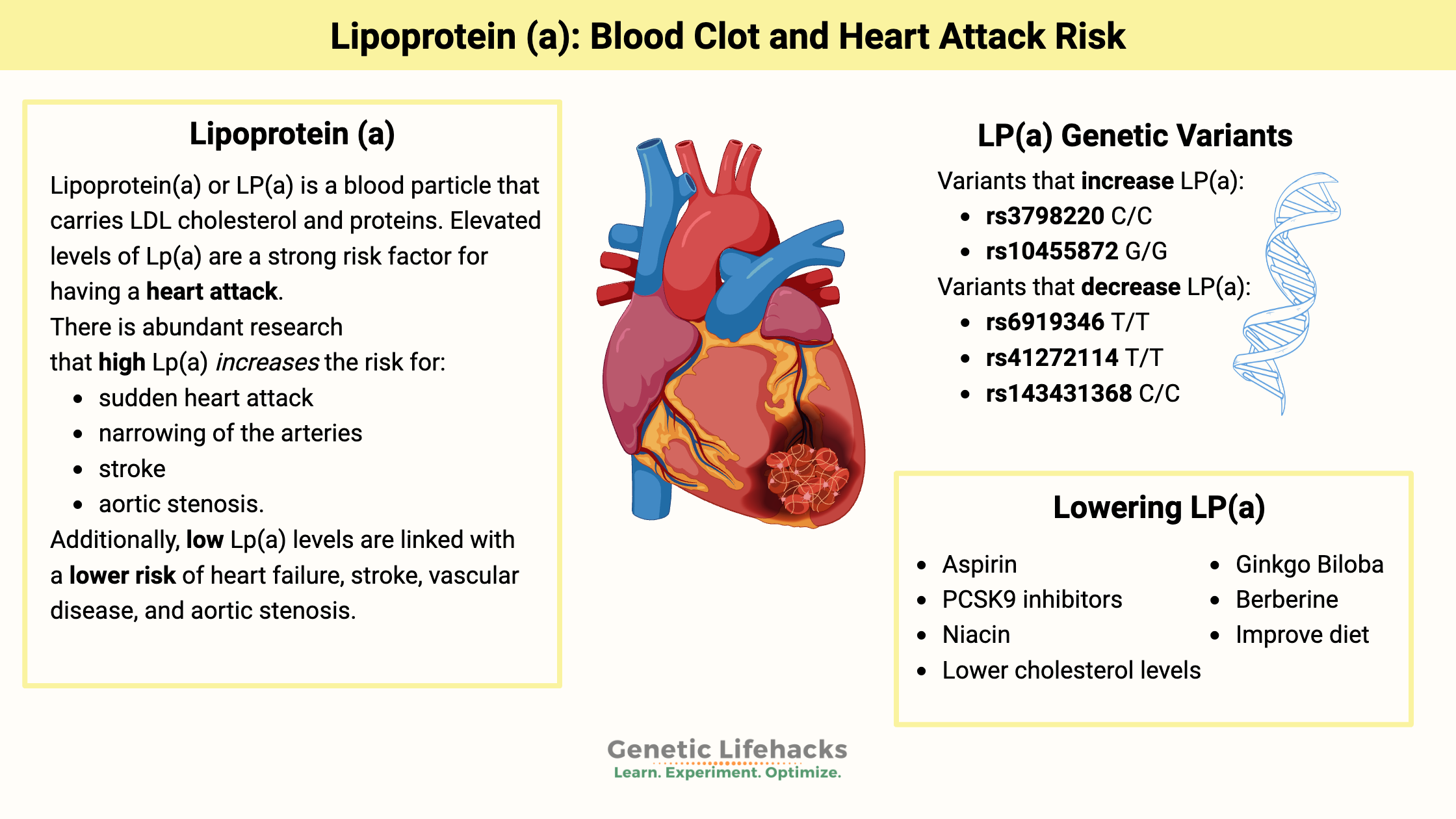
Credit: www.geneticlifehacks.com
Frequently Asked Questions
What Foods Lower Lipoprotein A Levels?
Certain foods may help lower lipoprotein a levels. These include foods rich in omega-3 fatty acids like salmon and flaxseeds. Consuming nuts, especially almonds and walnuts, can also be beneficial. Incorporating fiber-rich foods such as oats and legumes into your diet can further aid in reducing these levels.
Can Diet Alone Reduce Lipoprotein A Levels?
Diet can influence lipoprotein a levels, but it may not be enough alone. While certain foods can help, lifestyle changes and possibly medication might be necessary. It’s important to consult with a healthcare professional for personalized advice and a comprehensive plan that suits your individual needs.
Are There Specific Supplements To Reduce Lipoprotein A?
Some supplements may help reduce lipoprotein a levels. Niacin, omega-3 fatty acids, and coenzyme Q10 are commonly recommended. However, the effectiveness can vary, and they should be used under medical supervision. Always consult with a healthcare provider before starting any new supplements to ensure safety and efficacy.
How Does Fiber Intake Affect Lipoprotein A?
Fiber intake can positively affect lipoprotein a levels. Soluble fiber, found in foods like oats and fruits, helps reduce cholesterol absorption in the bloodstream. This can indirectly influence lipoprotein a levels. Including a variety of fiber-rich foods in your diet may contribute to maintaining healthy lipoprotein a levels.
Conclusion
Reducing lipoprotein(a) levels with diet is achievable. Focus on natural foods. Eat plenty of fruits, vegetables, and whole grains. Include healthy fats like olive oil and nuts. Limit processed foods and sugars. Stay hydrated with water. Regular exercise complements your diet.
Consult a healthcare professional before making changes. Small steps lead to big results. It’s about consistency and balance. Your heart health matters. Your efforts can make a difference. Keep informed and stay motivated. Choose heart-friendly habits daily. They add up over time.
Your future self will thank you.