Are you looking to boost your energy, improve your mood, and feel stronger every day? Understanding physical wellness is the first step to making those changes happen.
Physical wellness isn’t just about exercise—it’s about habits that support your body in many simple ways. You’ll discover clear, easy examples of physical wellness that you can start using right now. Keep reading, and you’ll find practical tips that fit into your life, helping you feel your best from the inside out.
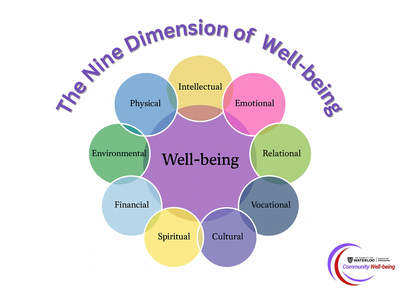
Credit: uwaterloo.ca
Daily Exercise Routines
Daily exercise routines form the backbone of physical wellness. They help maintain a healthy body, boost mood, and increase energy. Regular movement keeps muscles and joints flexible and strong. Let’s explore effective daily exercise routines.
Cardio Activities
Cardio activities elevate your heart rate and improve cardiovascular health. Examples include walking, running, cycling, and swimming. Aim for at least 30 minutes of cardio most days. Choose activities you enjoy to stay motivated. Varying your routine can prevent boredom and challenge your body.
Strength Training
Strength training builds muscle and increases metabolism. Use weights, resistance bands, or body weight exercises. Focus on major muscle groups like legs, arms, and core. Perform strength exercises two to three times a week. Ensure proper form to avoid injury.
Flexibility Exercises
Flexibility exercises improve range of motion and reduce injury risk. Stretching and yoga are excellent choices. Spend at least 10 minutes stretching daily. Focus on areas like shoulders, back, and legs. Consistent stretching enhances flexibility and relaxation.
Balanced Nutrition
Balanced nutrition is the cornerstone of physical wellness. It fuels your body, supports your immune system, and keeps your energy steady throughout the day. But what does eating balanced really mean in everyday life?
Whole Foods Focus
Choosing whole foods means picking ingredients that are as close to their natural state as possible. Think fresh fruits, vegetables, whole grains, nuts, seeds, and lean proteins.
I once swapped processed snacks for raw nuts and fresh fruit, and noticed my afternoon energy slump almost disappear. Whole foods provide vitamins and minerals your body actually recognizes and uses efficiently.
Next time you shop, ask yourself: Are these foods packed with additives or are they simple and real?
Hydration Tips
Drinking enough water is often overlooked but vital. Your body depends on water for digestion, temperature regulation, and joint health.
Try carrying a reusable water bottle and setting reminders to sip regularly. Adding slices of lemon, cucumber, or mint can make hydration more enjoyable without added sugar.
How often do you check in with your thirst signals during the day? Staying ahead of dehydration can keep your focus sharp and your mood balanced.
Meal Planning Strategies
Planning your meals ahead helps avoid last-minute unhealthy choices. Start by outlining simple meals for the week that include a variety of food groups.
- Prep veggies and proteins in bulk for quick assembly.
- Use a calendar or app to keep track of grocery needs.
- Mix familiar favorites with one new recipe weekly to keep things interesting.
Meal planning can reduce stress and save time, but it also empowers you to control what goes on your plate. What small step can you take today to make your next meal easier and healthier?
Quality Sleep Habits
Quality sleep habits are essential for your physical wellness. Good sleep helps your body repair itself, boosts your immune system, and improves mental clarity. But achieving restful sleep isn’t just about the hours you spend in bed; it’s about how you prepare your environment, manage your schedule, and calm your mind before sleep.
Sleep Environment
Your bedroom sets the stage for restful sleep. Keep it cool, dark, and quiet to create a space where your body can relax fully. Invest in a comfortable mattress and pillows that support your preferred sleep position.
Think about removing electronic devices that emit blue light, which can interfere with your natural sleep cycle. Blackout curtains or a sleep mask can block out unwanted light, while earplugs or white noise machines help drown out disruptive sounds. Have you ever noticed how a small change in your room can make a big difference in how well you sleep?
Consistent Sleep Schedule
Going to bed and waking up at the same time every day regulates your internal clock. Even on weekends, try to stick close to your schedule to avoid grogginess and mood swings. Your body thrives on routine, and this consistency makes falling asleep easier.
Setting reminders or alarms can help you stick to your bedtime, especially if you tend to get caught up in evening activities. Reflect on how your energy levels change when your sleep pattern is irregular versus steady. How does your body respond when you give it a reliable rhythm?
Relaxation Techniques
Calming your mind before sleep is crucial. Techniques like deep breathing, progressive muscle relaxation, or gentle stretching can lower your heart rate and ease tension. These simple practices signal your body it’s time to wind down.
Journaling about your day or reading a book (not on a screen) can also help shift your focus away from stress. Have you tried turning off your thoughts with a breathing exercise before bed? You might find it easier to drift off and stay asleep through the night.
Stress Management
Stress affects the body and mind in many ways. Managing stress is key for physical wellness. Simple actions can reduce tension and improve health. Regular stress management helps maintain energy and focus. It also lowers the risk of chronic illnesses linked to stress.
Mindfulness Practices
Mindfulness means paying full attention to the present moment. It helps calm the mind and body. Practicing mindfulness daily can reduce anxiety and stress. Techniques include:
- Observing your thoughts without judgment
- Focusing on sensations like sounds or smells
- Engaging fully in simple tasks like eating
Mindfulness trains the brain to stay calm during stress. It improves emotional balance and resilience.
Breathing Exercises
Breathing exercises are easy and effective for stress relief. Deep breaths send signals to the brain to relax. Try these simple steps:
- Inhale slowly through your nose for four seconds
- Hold your breath for seven seconds
- Exhale slowly through your mouth for eight seconds
Repeat this cycle three to five times. Breathing exercises lower heart rate and clear the mind.
Physical Activity For Stress Relief
Exercise releases chemicals that improve mood and reduce stress. It also helps the body use up stress hormones. Activities can be:
- Walking or jogging
- Yoga or stretching
- Sports or dancing
Regular physical activity boosts energy and promotes better sleep. It is a natural way to manage stress effectively.
Regular Health Checkups
Regular health checkups are a cornerstone of physical wellness. They help catch health issues early, often before symptoms appear. By staying on top of your health, you give yourself the best chance to maintain a vibrant, active life.
Preventive Screenings
Preventive screenings are tests that look for diseases before you feel any symptoms. These include mammograms, colonoscopies, and blood tests. Skipping these can mean missing the chance to stop a problem early.
Think about your last checkup. Did your doctor suggest any screenings? If not, ask about what screenings are right for your age and lifestyle. Staying proactive can save you from complicated treatments later.
Tracking Vital Signs
Tracking vital signs like blood pressure, heart rate, and temperature gives a quick snapshot of your health. These numbers can reveal hidden issues like hypertension or infection. You can track these at home with simple devices or during your checkup.
Have you ever noticed your blood pressure creeping up but ignored it? Keeping an eye on these signs helps you make informed decisions about diet, exercise, or medication. Small changes today can prevent big health problems tomorrow.
Vaccination Importance
Vaccinations protect you from serious diseases and keep your immune system strong. They are especially important for preventing flu, pneumonia, and other infections that can complicate your health. Staying up to date with vaccines is a simple way to safeguard your wellness.
Are you sure your vaccinations are current? Many adults forget booster shots or new vaccines recommended by health experts. Talk to your healthcare provider to confirm your vaccination schedule and protect yourself year-round.

Credit: www.projectschoolwellness.com
Healthy Lifestyle Choices
Healthy lifestyle choices are essential for physical wellness. They help your body stay strong and prevent many illnesses. Simple daily habits can make a big difference. These choices improve your energy, mood, and overall health.
Limiting Alcohol Intake
Drinking alcohol in small amounts is better for your body. Too much alcohol harms the liver and heart. It can also affect your sleep and mood. Try to keep drinks to a minimum. Choose water or healthy drinks instead. This helps your body function well every day.
Avoiding Tobacco
Tobacco use causes many health problems, including lung disease and cancer. Avoiding cigarettes and other tobacco products keeps your lungs clean. It also reduces the risk of heart problems. Staying tobacco-free improves your breathing and energy. It helps you live a longer, healthier life.
Maintaining Social Connections
Strong social ties support both mental and physical health. Talking and spending time with friends reduces stress. It can also boost your immune system. Join groups or clubs to meet new people. Good relationships add joy and purpose to life. They encourage you to take care of yourself.

Credit: www.calm.com
Frequently Asked Questions
What Are Common Examples Of Physical Wellness Activities?
Physical wellness activities include regular exercise, balanced nutrition, adequate sleep, and hydration. These promote strength, flexibility, and overall health. Engaging in activities like walking, yoga, or sports helps maintain body function and energy levels.
How Does Physical Wellness Benefit Mental Health?
Physical wellness improves mental health by reducing stress and anxiety. Exercise releases endorphins, which boost mood. Proper sleep and nutrition also support brain function and emotional stability, enhancing overall well-being.
How Often Should I Engage In Physical Wellness Routines?
It’s recommended to exercise at least 150 minutes weekly, combining cardio, strength, and flexibility workouts. Daily movement and balanced meals support continuous physical wellness and prevent health issues.
Can Physical Wellness Prevent Chronic Diseases?
Yes, physical wellness lowers the risk of heart disease, diabetes, and obesity. Regular activity, healthy eating, and proper rest strengthen the immune system and improve longevity.
Conclusion
Physical wellness is key to feeling good every day. Simple actions like walking, stretching, and eating well help. Resting enough lets your body heal and grow strong. Small steps can lead to big health improvements over time. Staying active also boosts your mood and energy.
Choose activities you enjoy to keep going. Remember, your body needs care, just like your mind. Start today, and feel the positive change soon.