Skinny jeans hug the leg from hip to ankle. Slim fit jeans skim, not squeeze.
If you are choosing between skinny vs slim fit jeans, you are in the right place. I have fitted hundreds of clients and tested fabrics from top mills. You will learn how each fit is built, how to pick the right pair for your body, and how to style and care for them. By the end, skinny vs slim fit jeans will feel simple and stress-free.
Skinny vs slim fit jeans: what really sets them apart
Both fits are modern and sharp. But their shape and feel are not the same.
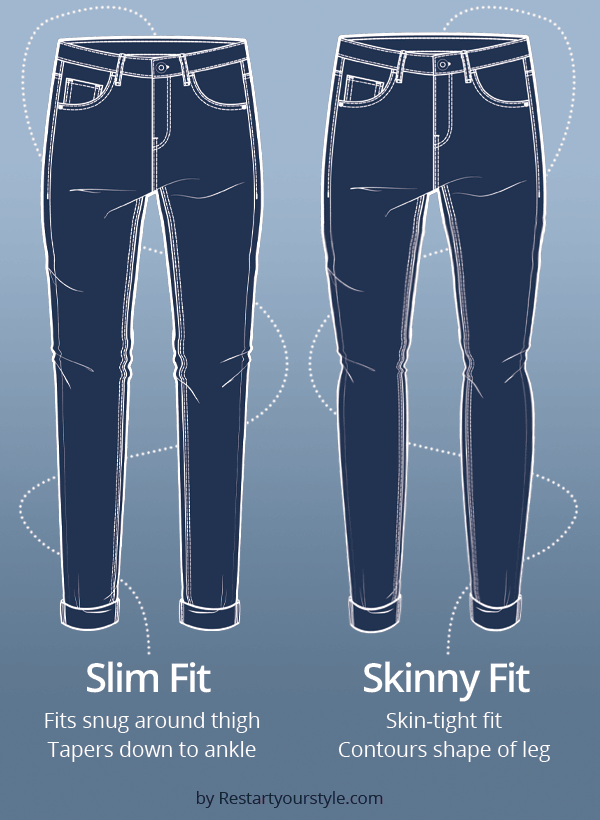
Skinny jeans are cut close from thigh to ankle. They need stretch to move well. Slim fit jeans follow your shape but give a bit more room. They taper without clinging.
Key differences you can feel:
- Thigh and seat. Skinny is snug; slim is tailored with ease.
- Knee to ankle. Skinny is narrow and tapers hard; slim has a gentle taper.
- Fabric. Skinny often has more elastane; slim can use sturdier denim.
- Look. Skinny is sleek and rock-inspired; slim is clean and classic.
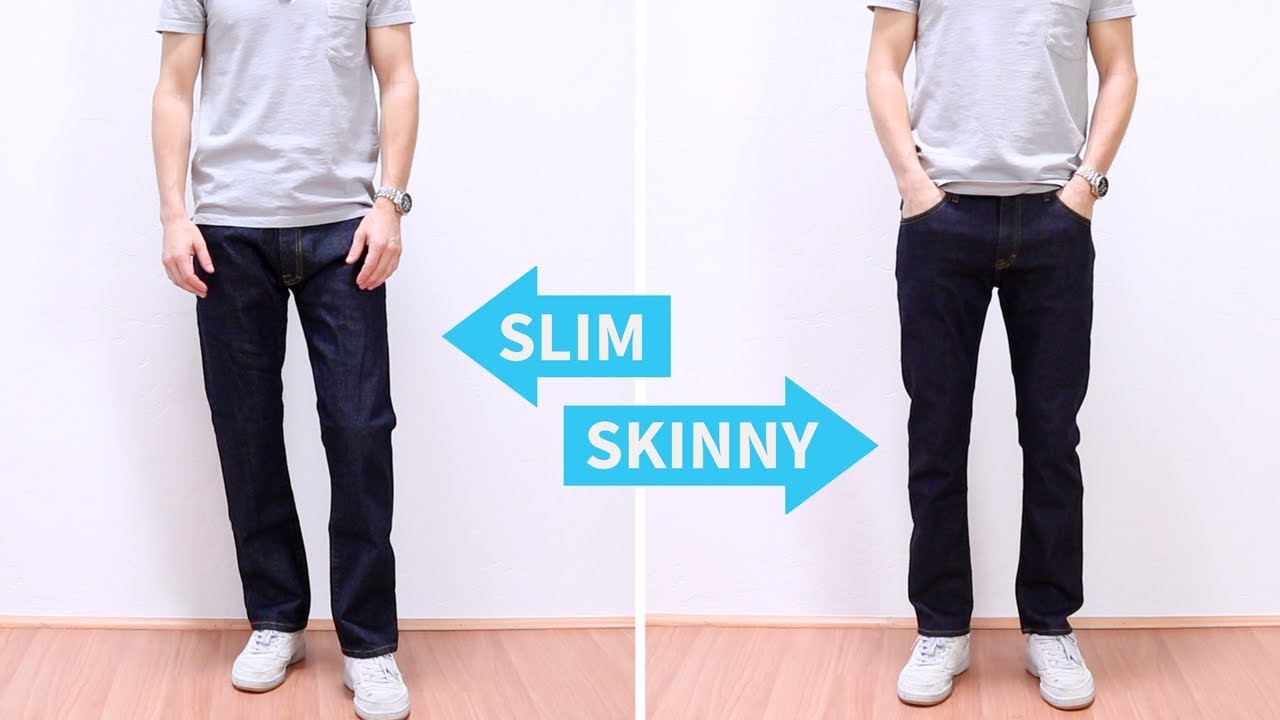
From my fittings, most people can wear both. The right pick depends on mobility, calf size, and the shoes you love. If your calves run athletic, slim fit jeans avoid that tight, sausage look. If you like a razor silhouette and boots that tuck in, skinny wins.
How to choose the right fit for your body
Think in three zones: seat and thigh, knee and calf, ankle opening. Your best denim should pass a simple comfort test. You can squat, sit, and walk without pinching.
Match to body shape:
- Straight build. Skinny vs slim fit jeans both work. Choose based on vibe. Skinny for sharper lines, slim for ease.
- Athletic legs. Go slim or a skinny with high stretch. Look for room in the calf.
- Curvy hips. Slim fit jeans with a contour waistband reduce gaping and dig-in. Skinny works if fabric recovery is strong.
- Fuller midsection. Mid or high rise slim fit jeans balance the waist. Avoid ultra-tight skinny that rolls down.
- Petite frames. Skinny vs slim fit jeans both lengthen the leg. Cropped inseams or ankle length help.
Personal tip: when clients said jeans felt tight at first, I asked them to sit for two minutes. If circulation felt normal and seams did not bite, fabric would relax, not bag. If it hurt, we sized up or switched from skinny to slim.

Measuring, sizing, and stretch that actually fits
A smart fit starts with numbers and fabric content. You do not need a tailor’s kit. A soft tape and good light are enough.
Steps to nail your size:
- Waist. Measure where you want the waistband to sit. Note mid or high rise.
- Hip. Measure the fullest part. Keep the tape level.
- Thigh. Measure one inch below the crotch. This decides comfort.
- Inseam. Measure from crotch to ankle bone. Choose full length or cropped.
Fabric cues to read on the tag:
- Elastane or spandex at 1 to 3 percent adds stretch. Skinny often needs 2 percent or more.
- Polyester or T400 adds recovery. This helps skinny vs slim fit jeans snap back.
- Denim weight. 10 to 12 oz feels lighter and soft. 12 to 14 oz gives structure and lasts longer.
Fit check at home:
- Try the jeans cold from the hanger. They should be firm but not painful.
- Do three moves. Sit, squat, step up a stair. If seams bite, try slim. If knees bag fast, try sturdier fabric.

Style and outfit ideas that always work
Skinny vs slim fit jeans change the balance of every outfit. Use that to your edge.
For men:
- Skinny with a long tee and Chelsea boots for a sleek line.
- Slim fit with an Oxford shirt and white sneakers for a neat, daily look.
- Dark wash slim with a blazer for smart casual events.
For women:
- Skinny with ankle boots and a chunky knit for fall.
- Slim fit straight with loafers and a crisp tee for a French vibe.
- Black skinny with a silk blouse and heels for nights out.
Unisex tips:
- Big top, narrow bottom is an easy style rule. Use skinny to anchor oversized hoodies or coats.
- If your shoe is bulky, like a dad sneaker, slim fit jeans balance it best.
- Cuff slim fit jeans once to show the ankle. Keep skinny uncuffed for clean lines.
From my closet: I reach for slim fit jeans on travel days. They breathe better on long flights. For gigs or photos, I pick black skinny for a sharp silhouette that reads well on camera.

Fabric, comfort, and durability: the science behind the fit
Comfort is a mix of stretch, recovery, and weight. Skinny vs slim fit jeans perform differently because of these parts.
What to know:
- Stretch gives movement. Look for at least 15 to 30 percent stretch in the weft for skinny.
- Recovery stops sagging. Dual-core yarns help jeans spring back after wear.
- Weight adds structure. Heavier denim smooths lumps and lasts longer.
Why this matters:
- Skinny with low recovery will bag at the knee by midday.
- Slim in rigid or low-stretch denim drapes clean and holds shape.
- Breathability rises with cotton content. Hot climates favor lighter weights.
Data from denim labs shows that jeans with elastomultiester keep shape longer than plain elastane. You feel fewer knee bags and seat sags. If you hate the sausage-casing feel, choose a slim fit with modern stretch. It moves, but it does not squeeze.
When to wear skinny vs slim fit jeans
Both fits can suit work, weekends, and nights out. Match the mood and the dress code.
Try skinny when:
- You want a sleek, edgy look.
- You tuck jeans into boots.
- Your top is oversized and needs a narrow base.
Choose slim when:
- The dress code leans smart casual.
- You wear chunkier shoes or wider jackets.
- You sit for long hours and need airflow.
Season tip: skinny vs slim fit jeans also change with weather. Skinny pairs well with long coats and winter boots. Slim breathes better in heat and with low-top sneakers.

Care, washing, and long-term fit
Good care keeps shape, color, and comfort. You can double the life of your jeans with simple habits.
Care rules that work:
- Wash inside out on cold. This protects dye and fibers.
- Use mild detergent. Skip fabric softener; it kills stretch.
- Air dry flat or on a hanger. Heat weakens elastane.
- Spot clean between washes. It saves color and fit.
If your skinny vs slim fit jeans feel loose after months, wash cold and air dry to reset shape. If the waist gaps, a simple dart at the back yoke can fix it. Tailors do this every day.
Common mistakes and easy fixes
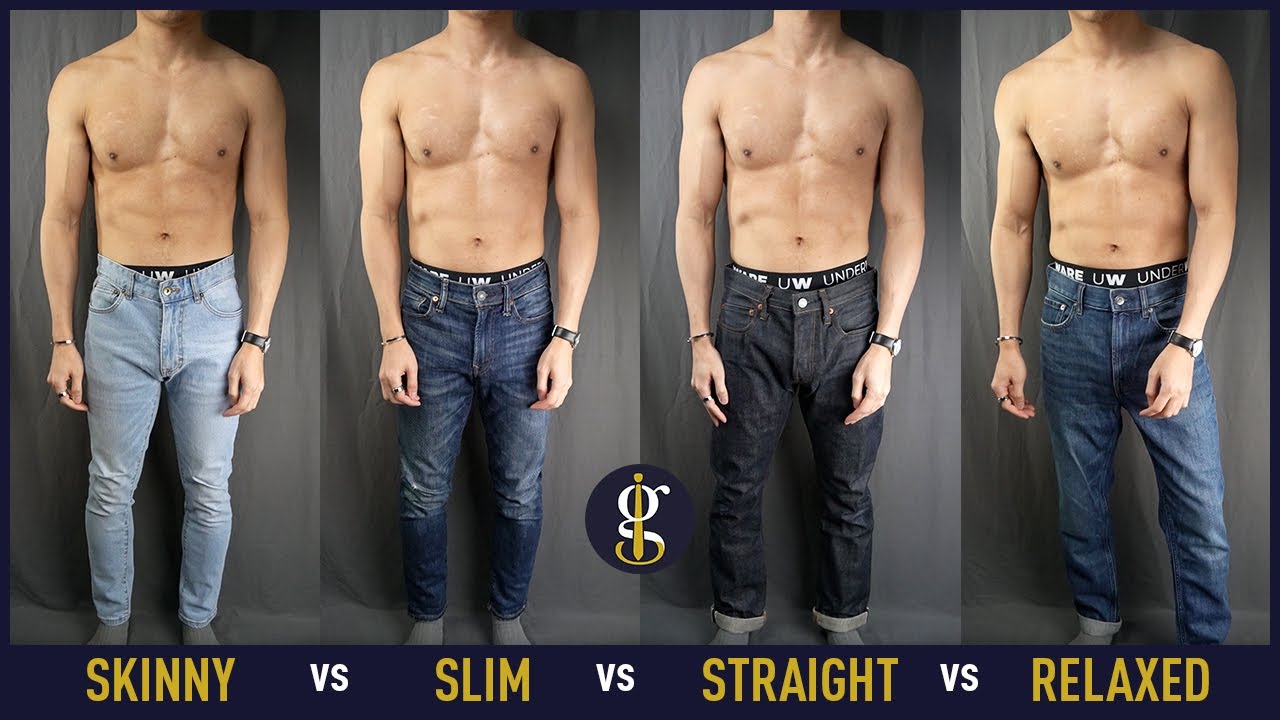
These slip-ups make jeans feel wrong. The fixes are simple.
Mistakes to avoid:
- Buying by vanity size. Measure and check the brand chart.
- Chasing ultra-tight skinny without recovery. It will sag and pinch.
- Ignoring rise. A low rise on curvy hips causes roll-down.
- Pairing bulky sneakers with super skinny. The proportions fight.
Easy fixes:
- Try two rises in the same size. Comfort can change fast.
- If thighs pull lines across the front, size up or switch to slim.
- If calves feel stuck, choose slim or a skinny with higher stretch and larger leg opening.
- If hems stack too much, hem to a clean break above the shoe.

Frequently Asked Questions of skinny vs slim fit jeans
Which is more comfortable: skinny or slim?
Most people find slim fit jeans more comfortable for daily wear. Skinny can be comfy too if the fabric has strong stretch and recovery.
Do skinny vs slim fit jeans run the same size?
Not always. Skinny may feel tighter in the same tagged size, so you might size up or choose a stretchier fabric.
Can bigger calves wear skinny jeans?
Yes, with the right fabric and leg opening. Look for higher stretch and a slightly larger ankle opening, or choose slim for easier movement.
Are skinny jeans out of style?
Skinny jeans are now a classic base. Slim fits are trending, but skinny still looks great when styled with balance.
What shoes go best with skinny vs slim fit jeans?
Skinny pairs well with sleek boots and low-profile sneakers. Slim works with loafers, classic sneakers, and chunkier shoes.
How often should I wash my jeans?
Wash every 5 to 10 wears, or when dirty. Spot clean and air between wears to keep color and fit.
What rise should I pick for a belly?
Try mid to high rise for support and smooth lines. A contoured waistband helps prevent roll-down.
Conclusion
Skinny vs slim fit jeans comes down to shape, comfort, and your style. Skinny hugs the leg for a sharp line. Slim skims the body for all-day ease. Measure well, read the fabric tag, and test movement. That is how you get a pair you will wear on repeat.
Make one small move today. Try both fits in the same wash, do the sit-squat-step test, and choose the pair that feels like you. Want more guides like this? Subscribe, share your fit wins, or drop a question in the comments.