
Are you curious about what you should be feeding your box turtle? Understanding the right diet is crucial for keeping your shelled friend healthy and happy.
You might think it’s as simple as grabbing some lettuce, but a box turtle’s dietary needs are surprisingly diverse. By learning what to feed your box turtle, you’ll ensure it thrives and lives a long, vibrant life. Imagine watching your turtle actively explore its habitat, full of energy and vitality, all thanks to the nutritious diet you provide.
So, let’s dive into the essentials of crafting the perfect meal plan for your box turtle, ensuring you’re giving it everything it needs to flourish.
Box Turtle Diet Basics
Box turtles enjoy a diet rich in variety. Their meals include leafy greens, fruits, and insects. Fresh vegetables and occasional protein sources like worms or snails are essential.
Understanding the diet of a box turtle is crucial for its health and happiness. These charming reptiles have specific dietary needs that, if met, can lead to a long and vibrant life. Let’s dive into the essentials of feeding your box turtle, making sure you provide a balanced and nutritious diet.What Do Box Turtles Eat?
Box turtles are omnivores, meaning they eat both plant and animal matter. You should aim to offer a mix of fruits, vegetables, and proteins. Fresh leafy greens like kale or collard greens are excellent choices. Add variety with fruits such as apples or berries. Proteins can come from worms or insects, which they naturally hunt in the wild.How Often Should You Feed Them?
Frequency is important. Young box turtles need daily feeding due to their rapid growth. Adults can be fed every other day. Monitor their eating habits. Are they finishing their meals or leaving food untouched? Adjust the frequency based on their appetite and activity levels.Creating A Balanced Meal
Balance is key. Imagine you’re making a colorful plate for a picky eater. Mix vegetables, fruits, and protein in proportions that cater to their dietary needs. Generally, a meal should consist of 50% plant matter and 50% protein. This ensures they get the nutrients they need to thrive.What Foods To Avoid?
Not all foods are safe for box turtles. Avoid processed foods and anything high in sugar or salt. Foods like dairy and bread can harm their digestive system. Keep an eye on their reactions to new foods. If you notice any discomfort, it might be time to rethink your choices.How To Encourage Eating?
Box turtles can be picky. If your turtle isn’t eating, try offering smaller portions or warming the food slightly to enhance aroma. Sometimes they need a little coaxing. Have you ever tried hand-feeding them? It can create a bond and encourage them to eat. Consider placing food in different parts of their enclosure to stimulate their natural foraging behavior. Do you think your box turtle’s diet could use a makeover? It’s never too late to start fresh and ensure they get the nutrition they deserve.:strip_icc()/eastern-box-turtle--terrapene-carolina--eating-strawberries-michigan-128111863-5c3e137dc9e77c000118e739.jpg)
Credit: www.thesprucepets.com
Natural Habitat Foods
Understanding the natural diet of box turtles is vital for their health. These turtles thrive on a varied diet that reflects what they eat in the wild. Their natural habitat offers a rich assortment of foods, providing essential nutrients for growth and vitality. Mimicking these natural food sources ensures a balanced diet for box turtles in captivity.
Vegetation And Plant Matter
Box turtles consume a variety of plants and vegetation. They enjoy leafy greens like dandelions, collard greens, and clover. These greens are high in vitamins and minerals. Box turtles also eat fruits such as berries and apples. These fruits provide necessary sugars and hydration.
Insects And Invertebrates
Insects are a crucial part of a box turtle’s diet. They eat beetles, worms, and caterpillars. These insects provide protein and fat, essential for energy and growth. Box turtles also hunt for slugs and snails. These invertebrates are rich in calcium, vital for shell health.
Fungi And Mushrooms
Box turtles naturally consume fungi and mushrooms. These foods offer unique nutrients not found in other plants. Mushrooms can be a source of antioxidants. Box turtles forage for fungi in damp areas of their habitat. This contributes to their varied and balanced diet.
Balanced Nutrition Components
Box turtles need a diet rich in fruits, vegetables, and protein for balanced nutrition. Leafy greens, berries, and worms provide essential nutrients. Fresh water is crucial for hydration and overall health.
Balanced nutrition is crucial for the health and longevity of your box turtle. Like humans, box turtles require a variety of nutrients to thrive. Understanding these components can help you provide a diet that keeps your turtle active and healthy. Let’s explore what makes up a balanced diet, focusing on proteins, vegetables and fruits, and vitamins and minerals.Proteins
Proteins are essential for your box turtle’s growth and repair of tissues. Ensure you include a mix of animal and plant-based proteins. You might offer items like cooked chicken, earthworms, and mealworms. Be mindful of portion sizes, as too much protein can lead to health issues. Do you know that a varied protein source can stimulate your turtle’s natural hunting instincts?Vegetables And Fruits
Vegetables and fruits should form a significant part of your box turtle’s diet. Leafy greens like kale and collard greens are excellent choices. Add color with fruits such as strawberries and blueberries for a nutritional punch. It’s essential to wash these foods thoroughly to remove any pesticides. Have you noticed how your turtle reacts to different textures and colors?Vitamins And Minerals
Vitamins and minerals are the unsung heroes in your turtle’s diet. Calcium is vital for shell health; offer cuttlebone or calcium powder. Vitamin A is crucial for skin and eye health, which you can find in carrots or sweet potatoes. Are you supplementing your turtle’s diet to ensure they get all the necessary nutrients? Creating a balanced diet for your box turtle involves understanding and providing the right mix of these nutritional components. Regularly observe your turtle’s preferences and health to adjust their diet as needed. Are you ready to enhance your turtle’s diet for a happier, healthier life?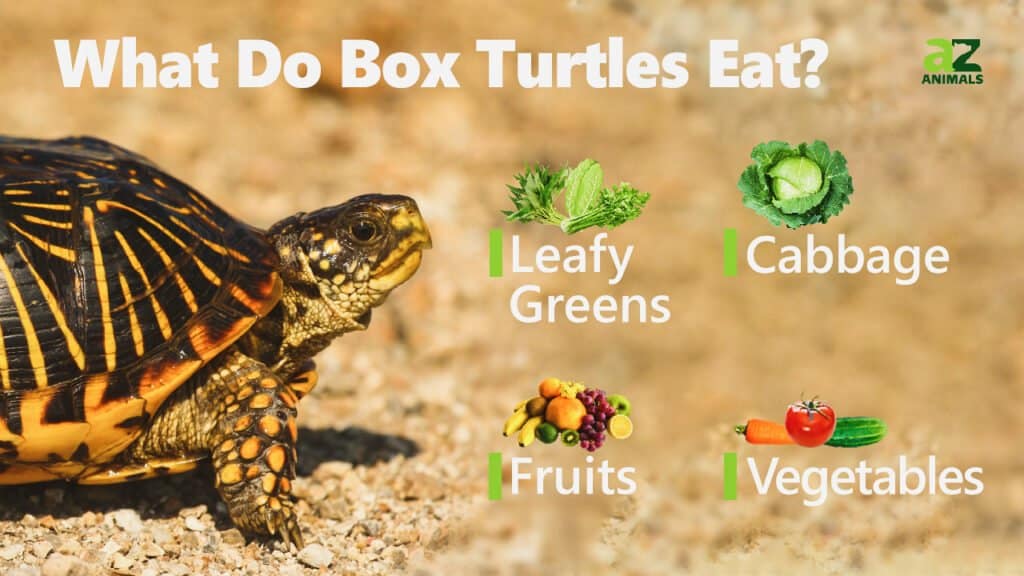
Credit: a-z-animals.com
Recommended Feeding Frequency
Feeding box turtles the right way is crucial for their health. Knowing the recommended feeding frequency helps keep them active and happy. Box turtles have specific dietary needs that vary with age and activity levels.
Understanding Feeding Frequency
Box turtles need a regular feeding schedule. Young turtles require food every day. They need frequent meals to support their growth. Adult turtles eat less often. Their feeding frequency is different.
Daily Feeding For Young Turtles
Baby turtles need daily meals. Their bodies are growing rapidly. A daily feeding schedule ensures they get enough nutrients. Offer them a mix of proteins and vegetables. This balanced diet supports their development.
Adjusting Frequency For Adult Turtles
Adult box turtles eat every other day. Their bodies are fully developed. They need less frequent meals. This helps maintain their weight and energy levels. Offer a varied diet each time.
Seasonal Changes In Feeding
Box turtles’ feeding frequency changes with seasons. During warmer months, they eat more. Their activity level increases. In colder months, they eat less. Their metabolism slows down.
Signs Of Overfeeding
Watch for signs of overfeeding. Box turtles can become overweight. Check their shell for smoothness. A bumpy shell indicates overfeeding. Adjust their feeding schedule if needed.
Consulting A Veterinarian
If unsure, consult a vet. They provide specific feeding advice. They help ensure your turtle’s diet is balanced. This keeps your turtle healthy and active.
Safe And Unsafe Foods
Understanding what box turtles eat is crucial for their health. They need a balanced diet, which includes both safe and unsafe foods. Feeding them the wrong foods can harm them. Knowing which foods are toxic or safe is essential for their well-being.
Toxic Foods To Avoid
Box turtles should never eat certain foods. These include avocados, which are toxic to them. Chocolate is also harmful and should be avoided. Rhubarb and potato leaves are dangerous. Never feed them onions, as they can make turtles sick. Avoid giving turtles dairy products. They cannot digest them properly.
Safe Treats
Treats can be a part of a turtle’s diet. Safe options include berries like strawberries and blueberries. Bananas and apples are also good treats. Always cut fruits into small pieces. Leafy greens are a nutritious choice. Kale and dandelion greens are excellent for turtles. Offer safe treats in moderation.
Hydration Needs
Box turtles need a diet rich in moisture for proper hydration. Fresh fruits and vegetables provide essential water content. Ensure a shallow water dish is available for drinking and soaking.
Understanding the hydration needs of box turtles is essential. These reptiles require consistent access to water to stay healthy. Water not only aids in digestion but also helps regulate their body temperature. A well-hydrated turtle is more active and less prone to illness.Water Sources
Provide a shallow dish of clean water daily. The dish should be easy for the turtle to enter and exit. Change the water frequently to keep it fresh and free from contaminants.Soaking Habits
Box turtles benefit from regular soaking sessions. Soaking hydrates their skin and aids in shedding. Offer a shallow bath once or twice a week. Ensure the water level is shallow to prevent drowning.Environmental Humidity
Maintain proper humidity in their habitat. Box turtles thrive in environments with moderate humidity. Use a hygrometer to monitor levels. Mist the enclosure if humidity drops below optimal levels.Signs Of Dehydration
Watch for signs of dehydration in your turtle. Sunken eyes, dry skin, and lethargy indicate possible dehydration. Address these signs promptly to ensure your turtle’s health. `Dietary Adjustments By Age
Box turtles thrive on a diverse diet tailored by age. Young turtles need protein-rich foods like insects for growth. Adults favor leafy greens, fruits, and occasional insects to maintain health. Adjusting their diet ensures proper nutrition and longevity.
Understanding the dietary needs of box turtles is essential for their health. Their diet changes as they age, and it’s important to adjust accordingly. Box turtles require a balanced diet that suits their life stage. This ensures they receive the right nutrients for growth and maintenance.Juvenile Diet
Juvenile box turtles need more protein. Their bodies are in a rapid growth phase. A diet rich in insects like crickets and mealworms supports their development. Include small amounts of fruits and vegetables too. This provides necessary vitamins and minerals. Calcium is crucial for shell development. Dust their food with calcium powder regularly.Adult Diet
Adult box turtles require less protein than juveniles. Their diet should be more balanced with plant matter. Vegetables should make up a large part of their diet. Include leafy greens like kale and dandelion greens. Fruits should be given in moderation. They offer variety and additional nutrients. Protein sources like worms and insects should still be included. Ensure they receive a calcium supplement occasionally for shell health.
Credit: www.allturtles.com
Signs Of Nutritional Deficiency
Box turtles need a balanced diet to thrive. Nutritional deficiencies can harm them significantly. Watching for signs can help maintain their health. An unhealthy turtle might show various symptoms. These signs are crucial for pet owners to know. Understanding these can guide necessary dietary adjustments.
Shell Deformities
A box turtle with a poor diet may have shell deformities. The shell might look uneven or misshaped. Calcium and vitamin deficiencies often cause this. The shell can become soft or brittle. Regular checks are essential to catch early signs.
Lethargy
Box turtles may become lethargic with poor nutrition. They might move less and seem inactive. This can be due to low energy intake. It’s vital to observe their activity levels. Adjusting their diet can improve their energy.
Poor Growth
Inadequate nutrition can stunt a turtle’s growth. They might not reach expected size or weight. Vitamins and minerals play a key role here. Providing a diverse diet can support healthy growth.
Weak Limbs
Weak limbs are a common sign of poor nutrition. Turtles may struggle to walk or climb. A lack of essential nutrients can cause this. Ensuring a balanced diet can strengthen their limbs.
Skin Problems
Skin problems can signal nutritional deficiencies. Dry, flaky, or discolored skin may appear. This often relates to lack of vitamins. Monitoring their skin can help in adjusting their diet.
Appetite Loss
A box turtle losing appetite is concerning. This might indicate a nutrient imbalance. Reduced interest in food can worsen their condition. Offering varied foods can stimulate their appetite.
Tips For A Healthy Diet
Box turtles thrive on a varied diet of fruits, vegetables, and protein sources like insects and worms. Ensure fresh water is always accessible. Balance is key to maintaining their health and vitality.
Maintaining a healthy diet for your box turtle is essential to ensuring its long life and vibrant health. You might wonder what exactly a box turtle needs to thrive. With the right mix of food, your turtle can enjoy a balanced diet that mimics its natural habitat. Let’s dive into practical tips that can help you tailor a healthy diet for your shelled companion.1. Variety Is Key
Mixing up the food options keeps your turtle excited and healthy. Box turtles love a blend of fruits, vegetables, and proteins. Try offering strawberries, carrots, and worms. Each meal should be a colorful spread.2. Freshness Matters
Would you eat stale food? Your turtle wouldn’t either. Always serve fresh produce and protein sources. Wash fruits and veggies thoroughly to remove pesticides. Freshness ensures maximum nutrition and taste.3. Portion Control
Overfeeding can lead to obesity in turtles. Keep portions small and manageable. A good rule of thumb is to offer food in amounts that equal the size of your turtle’s head. This helps prevent overeating and keeps them active.4. Calcium And Vitamin Supplements
Did you know turtles need extra calcium for their shell? Sprinkle calcium powder on their food twice a week. Additionally, vitamin supplements boost their overall health. Consult your vet for recommended brands.5. Hydration Is Essential
Water isn’t just for drinking. Box turtles enjoy soaking. Provide a shallow dish of clean water for drinking and bathing. This keeps their skin healthy and aids digestion.6. Observation And Adjustment
Your turtle might have unique preferences. Observe what they eat most eagerly and adjust their diet accordingly. Do they leave greens untouched? Maybe try another vegetable like kale or dandelions.7. Avoid Processed Foods
Processed foods are a no-go for turtles. Stick to natural, whole foods that mimic their wild diet. Avoid pet store treats that contain artificial ingredients. These can harm their health in the long run.8. Seasonal Foods
Just like you enjoy seasonal fruits and veggies, your turtle will too. Offer foods that are in season to ensure freshness and nutritional value. Seasonal foods can also prevent boredom in their diet.9. Watch For Allergies
If your turtle shows signs of discomfort after eating, it might be allergic. Pay attention to their reactions to new foods. If you notice any issues, consult your vet immediately.10. Engage With Your Turtle
Feeding time can be bonding time. Engage with your turtle during meals. Watch how they react to different foods. This interaction can provide insights into their preferences and health needs. Taking care of a box turtle can be a rewarding experience. By following these tips, you ensure your turtle gets the nutrition it needs while keeping mealtime interesting. What new food will you try with your turtle today?Frequently Asked Questions
What Foods Do Box Turtles Eat?
Box turtles enjoy a varied diet of fruits, vegetables, and proteins. Leafy greens, berries, and insects are ideal. It’s essential to provide a balanced diet to ensure their health. Avoid feeding them processed or salty foods. Fresh water should always be available.
How Often Should I Feed A Box Turtle?
Adult box turtles typically eat every 2-3 days. Younger turtles require more frequent feeding, usually every day. Ensure a balanced diet during each feeding. Monitor their eating habits to adjust portions as necessary. Overfeeding can lead to health issues.
Can Box Turtles Eat Human Food?
Box turtles should avoid most human food, especially processed items. They thrive on natural foods like fruits, vegetables, and insects. Avoid feeding them bread, dairy, or sugary snacks. Stick to foods that mimic their natural diet for optimal health.
Do Box Turtles Need Supplements?
Box turtles benefit from calcium and vitamin supplements. These are crucial for shell health and overall well-being. Dust their food with supplements regularly. Ensure they receive adequate UVB light, which helps with vitamin D synthesis.
Conclusion
A balanced diet keeps your box turtle healthy and happy. Fresh vegetables, fruits, and proteins are essential. Variety ensures they get all needed nutrients. Avoid feeding harmful foods like dairy or processed items. Fresh water must always be available for them.
Regularly check for fresh, clean food. Keep their diet interesting and nutritious. Be mindful of their specific dietary needs. This helps them live a long, healthy life. Enjoy watching your turtle thrive with the right care. Proper diet means a content and active box turtle.
Your turtle deserves the best nutrition. Happy feeding!