Do you ever find yourself standing in the beverage aisle, staring at cans labeled “Diet” and “Zero,” wondering which one to choose? You’re not alone.
These drinks promise a guilt-free soda experience, but what’s the real difference between them? Understanding the distinction can help you make the best choice for your lifestyle and health goals. We’ll break down the key differences, answer your burning questions, and reveal surprising facts that might change the way you think about your favorite fizzy drinks.
So, if you’re curious about what sets these two options apart, keep reading—you might be surprised by what you discover!
Diet Vs Zero: Key Differences
Many people often wonder about the differences between Diet and Zero sodas. Both offer a way to enjoy sodas without the extra calories. Yet, they have distinct characteristics that set them apart. Understanding these differences can help you choose the right option for your taste and dietary preferences.
Flavor Profiles
Diet sodas often have a lighter taste. They aim to mimic the original soda flavor. Some people find them a bit more tangy or sharp. Zero sodas focus on delivering a flavor closer to regular sodas. They often use different sweeteners to achieve this. This creates a smoother taste profile.
Caloric Content
Both Diet and Zero sodas are low in calories. Diet sodas typically contain zero to minimal calories. This makes them a popular choice for calorie-conscious individuals. Zero sodas also boast zero calories. They focus more on the flavor experience rather than caloric content.
Sweeteners Used
Diet sodas usually contain artificial sweeteners like aspartame or saccharin. These sweeteners replace sugar to keep calories low. Zero sodas may use a mix of sweeteners. Common choices include aspartame and acesulfame potassium. This blend helps maintain a taste similar to regular sodas.

Credit: www.thedailymeal.com
Health Implications
When choosing between Diet and Zero sodas, it’s crucial to understand their health implications. Many people turn to these options to reduce sugar intake or manage weight. But how do they impact your body in the long run?
Impact On Weight Management
Diet sodas often claim they help with weight management. They use artificial sweeteners instead of sugar, which lowers calorie count. Zero sodas, on the other hand, might use different sweeteners but aim for the same calorie-free promise.
Some people report success in managing weight with these drinks. But others find they still crave sweets, leading to overconsumption of other sugary foods. Are these sodas actually helping your weight goals, or are they simply a sweet distraction?
Effects On Blood Sugar Levels
Artificial sweeteners in Diet and Zero sodas don’t raise blood sugar. This makes them appealing for those watching their sugar intake. However, your body might react differently to these sweeteners.
Some studies suggest that artificial sweeteners might confuse your body’s ability to regulate blood sugar. You may need to monitor your body’s response to these drinks. What’s your experience with blood sugar after consuming them?
Long-term Health Considerations
It’s easy to think of Diet and Zero sodas as healthier alternatives to regular sodas. But what about long-term health effects? Regular consumption might have unforeseen impacts.
There are ongoing debates about the safety of artificial sweeteners. Some research links them to health issues like metabolic syndrome or gut health disturbances. Are you considering these factors when choosing your drink?
Ultimately, it’s essential to weigh the benefits and risks of Diet and Zero sodas. Personal stories and experiences can guide your decision. What have you noticed in your health journey with these drinks?
Consumer Preferences
Diet sodas contain fewer calories by using artificial sweeteners, while Zero sodas aim for no sugar at all. Both options cater to those seeking healthier soft drinks without compromising taste. Understanding these differences helps consumers choose based on personal health goals and taste preferences.
Understanding consumer preferences is crucial when choosing between diet and zero-calorie drinks. While both offer the promise of fewer calories, they cater to different tastes and lifestyles. Let’s delve into what drives people towards one option over the other.Taste Perception
Taste is often the decisive factor when choosing between diet and zero drinks. Diet drinks typically use artificial sweeteners like aspartame, which some consumers find leaves a lingering aftertaste. In contrast, zero drinks often use a blend of sweeteners that can offer a taste closer to regular soda. Have you ever noticed that some people are adamant about their choice? It’s not just about sweetness but also how the drink feels in your mouth. This subtle difference can make one option more appealing than the other.Brand Loyalty
Brand loyalty plays a significant role in consumer preferences. People often choose a product because they trust the brand, not just the product itself. If you’ve always been a fan of a particular brand, you might be inclined to try their zero version even if you’ve been drinking diet sodas for years. Think about it—how much of your choice is influenced by the brand’s reputation? Consumers often stick with what they know, associating their favorite brands with quality and consistency. This loyalty can be a powerful influence, sometimes even outweighing taste preferences.Marketing Strategies
Marketing strategies heavily influence how consumers perceive diet and zero drinks. Companies craft campaigns that target specific demographics, highlighting the benefits that resonate most with their audience. You might see ads focusing on zero drinks as the “healthier” or more “modern” choice. Have you ever been swayed by a catchy advertisement? Marketing often taps into emotions and lifestyle aspirations, presenting zero drinks as a guilt-free indulgence. This kind of positioning can make zero drinks seem more appealing, especially to health-conscious consumers. Ultimately, the choice between diet and zero drinks boils down to what matters most to you. Is it the taste, the brand, or how the product fits into your lifestyle? Your preference tells a story about your values and priorities. Which side of the soda aisle do you find yourself gravitating towards?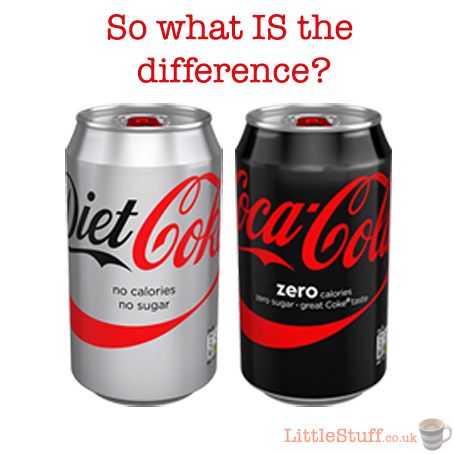
Credit: www.littlestuff.co.uk
Environmental Impact
The environmental impact of Diet and Zero drinks often sparks debate. Both beverages offer calorie-free options. But their production and packaging can affect the planet differently. Understanding these differences can help consumers make informed choices.
Packaging Differences
Packaging plays a big role in environmental impact. Diet drinks often use cans and bottles. Zero drinks do the same. But, some brands use different materials or sizes. This can change the waste produced. Smaller or lighter packages may reduce waste. But they might not always be recyclable.
Production Processes
Production processes for Diet and Zero drinks can vary. Both require water, sweeteners, and flavors. Zero drinks sometimes use newer sweeteners. This can mean different production methods. The energy used in production affects the carbon footprint. Some factories use renewable energy, reducing their environmental impact.
Recycling Challenges
Recycling remains a challenge for both Diet and Zero drinks. Plastic bottles need proper sorting and cleaning. Aluminum cans are easier to recycle but not always recycled. Labels and caps often complicate recycling. Not all facilities handle these materials well. Consumers can help by recycling properly.
Future Trends
The world of beverages is constantly changing. Both diet and zero drinks have seen significant shifts. Understanding future trends helps consumers make informed choices. Let’s explore what’s shaping the future of these popular drinks.
Innovation In Beverage Industry
Innovation drives the beverage industry forward. New flavors and ingredients are emerging. Companies are experimenting with plant-based sweeteners. This aims to create healthier options for consumers. Technology is also playing a role. Smart packaging informs customers about nutritional content. These advancements keep beverages exciting and relevant.
Shifts In Consumer Demand
Consumer preferences are evolving. People seek healthier and more natural options. There is a growing interest in sugar-free drinks. Diet and zero beverages cater to this demand. Consumers are more informed than ever. They want transparency in ingredients and manufacturing processes. Brands respond by offering clearer labeling.
Sustainability Initiatives
Sustainability is crucial in today’s market. Beverage companies strive to reduce their environmental footprint. Many brands are adopting eco-friendly practices. This includes using recyclable materials for packaging. Energy-efficient production methods are gaining popularity. These efforts appeal to eco-conscious consumers. Sustainability initiatives shape the future of diet and zero drinks.

Credit: www.healthline.com
Frequently Asked Questions
What Is The Main Difference Between Diet And Zero?
Diet drinks usually contain artificial sweeteners but have a very low calorie count. Zero drinks, like Coca-Cola Zero, aim to taste like the original but with no sugar. Both are designed for those seeking lower-calorie alternatives, but Zero often focuses on taste similarity to the sugared versions.
Are Diet And Zero Drinks Calorie-free?
Diet and Zero drinks are generally low in calories, but not always calorie-free. They use artificial sweeteners instead of sugar, which significantly reduces their calorie content. Always check the nutritional information on the label to confirm the exact calorie count for each specific product.
Do Diet And Zero Drinks Taste The Same?
Diet and Zero drinks taste differently due to varying formulations. Zero drinks are crafted to closely mimic the taste of the original sugared versions. Diet drinks often have a distinct flavor due to the type of sweeteners used. Personal preferences will determine which one tastes better to you.
Are Artificial Sweeteners In Diet And Zero Safe?
Yes, artificial sweeteners used in Diet and Zero drinks are generally considered safe by health authorities. They have undergone extensive research and testing. However, it’s always best to consume them in moderation and consult with healthcare professionals if you have any specific health concerns or conditions.
Conclusion
Diet and Zero sodas both offer sugar-free options. Yet, they differ. Diet sodas use artificial sweeteners like aspartame. Zero sodas often contain a mix, like acesulfame potassium and aspartame. Taste varies between the two, appealing to different preferences. Some might prefer Diet’s classic taste.
Others lean towards Zero’s closer-to-sugar flavor. Health impacts remain similar, with no sugar in either. Choosing between them depends on personal taste and dietary needs. Always check labels for specific ingredients. Enjoy your favorite guilt-free drink wisely.