When you’re standing in front of the soda aisle, you might find yourself wondering, “Which is better for me: Coke Zero or Diet Coke?” You’re not alone.
With countless choices available, selecting the right drink that suits your lifestyle and taste buds can feel like a daunting task. Both beverages promise a guilt-free indulgence, but what’s the real difference between them? And more importantly, which one should you pick to satisfy your cravings without compromising your health goals?
We’ll dive into the details, unraveling the mystery and helping you make an informed choice that aligns with your needs and preferences. Stay tuned to discover which one truly deserves a spot in your shopping cart.
Nutritional Comparison
Choosing between Coke Zero and Diet Coke often boils down to taste preference. But understanding their nutritional differences is vital. Both drinks aim to offer a healthier alternative to regular soda. Below is a nutritional comparison that helps you decide which fits your lifestyle better.
Calorie Content
Both Coke Zero and Diet Coke offer zero calories. This makes them appealing for calorie-conscious individuals. Neither drink contributes any calories to your diet. This helps those managing their weight or maintaining calorie goals.
Sugar And Sweeteners
Coke Zero and Diet Coke contain no sugar. They rely on artificial sweeteners to deliver their sweet taste. Coke Zero uses a blend of aspartame and acesulfame potassium. Diet Coke contains only aspartame. These sweeteners allow the drinks to remain sugar-free. People watching sugar intake find this beneficial.
Caffeine Levels
Caffeine content varies slightly between the two. Diet Coke contains approximately 46 mg of caffeine per 12 oz can. Coke Zero has about 34 mg of caffeine in the same serving size. Caffeine-sensitive individuals might prefer Coke Zero. It has lower caffeine levels, reducing potential jitters.
Flavor And Taste
When choosing between Coke Zero and Diet Coke, flavor and taste matter. Both drinks offer a sugar-free experience. Yet, their flavors differ, influencing consumer choices. Let’s explore these differences.
Consumer Preferences
Consumers often have strong opinions about their favorite cola. Taste preferences play a key role. Some prefer the richer taste of Coke Zero. Others enjoy the lighter flavor of Diet Coke. These preferences often depend on individual taste buds. Brand loyalty can also influence choices. Some people stick with what they know. It’s a personal decision.
Flavor Profiles
Coke Zero aims to mimic the original Coca-Cola taste. It uses a blend of artificial sweeteners for a full-bodied flavor. Diet Coke, on the other hand, has its own unique taste. It features a lighter, crisp taste. This difference is due to its distinct formula. Diet Coke has been around longer. Its loyal fans appreciate its unique taste.
Understanding these flavor profiles can help you decide. Whether you prefer Coke Zero’s richness or Diet Coke’s crispness, both are refreshing options. Each offers a unique cola experience. Which one suits your taste best?
Health Considerations
Choosing between Coke Zero and Diet Coke can be tricky, especially when you’re mindful of your health. Both drinks are marketed as healthier alternatives to regular soda, but they differ in ingredients and health impacts. Understanding these differences can guide you in making an informed choice that aligns with your health goals.
Impact On Weight Management
If you’re watching your weight, both Coke Zero and Diet Coke offer zero-calorie options, which can be appealing. They use artificial sweeteners to mimic the taste of regular soda without the calories. But does this help with weight loss?
Some studies suggest that people might compensate for the zero calories by eating more. Are you finding yourself reaching for that extra snack after enjoying a zero-calorie soda?
Consider tracking your calorie intake to see if these sodas truly fit into your weight management plan. It’s about balance, not just cutting calories.
Effects On Blood Sugar
Blood sugar levels are crucial, especially if you have diabetes. Both Coke Zero and Diet Coke are sugar-free, making them seemingly safe choices.
However, the artificial sweeteners might affect insulin sensitivity differently. Do you notice any changes in your blood sugar levels after drinking them?
Consult your doctor about how these drinks might impact your specific health condition. It’s always better to be safe than sorry.
Potential Health Risks
Artificial sweeteners have been a topic of debate regarding potential health risks. While they’re generally considered safe, some people report headaches or digestive issues.
Have you experienced any side effects after consuming these sodas? If so, it might be worth reconsidering your choices.
Remember, moderation is key. Even zero-calorie drinks can have drawbacks if consumed excessively. Listen to your body’s signals.
Choosing between Coke Zero and Diet Coke requires thoughtful consideration. Reflect on your own experiences and health goals. Which one aligns better with your lifestyle?
Marketing And Branding
Choosing between Coke Zero and Diet Coke can be tricky. Both offer a sugar-free alternative to regular Coke. Coke Zero boasts a flavor similar to classic Coke. Diet Coke has a lighter taste. Preferences vary, so try both to see which suits your taste buds best.
In the world of sodas, Coke Zero and Diet Coke have carved out distinct niches, not just in terms of taste but also through clever marketing and branding strategies. Understanding how these brands are positioned and whom they target can offer intriguing insights into their success. Whether you’re a fan of one or simply curious, exploring these aspects might change how you view your favorite fizzy drink.Target Audience
Coke Zero and Diet Coke appeal to different groups of people. Diet Coke, introduced in the early 1980s, was initially marketed towards those looking for a diet-friendly alternative to regular Coke. Its crisp taste and zero-calorie promise attracted health-conscious individuals, especially women. On the other hand, Coke Zero debuted in 2005, aiming to capture a younger, more male demographic. It was marketed as having the taste of classic Coca-Cola without the sugar. Think about it—are you drawn to Diet Coke’s traditional appeal, or do you lean towards Coke Zero’s bold promise?Brand Positioning
Diet Coke brands itself as the original diet soda, emphasizing its long-standing history and loyal fan base. Its branding often revolves around lifestyle and sophistication. You’ll notice its ads often feature chic, urban settings, portraying it as a staple for those on-the-go. Coke Zero, however, positions itself as a no-compromise beverage. Its branding screams innovation and excitement. With campaigns focused on enjoyment without guilt, it challenges you to have it all—taste and zero sugar. Which resonates more with you—the timeless classic or the modern rebel? As you sip on your preferred soda, consider how marketing shapes your choices. Does the brand’s message align with your lifestyle or values? Understanding these nuances not only makes you a more informed consumer but also enriches your soda-drinking experience.Ingredients And Formulation
When choosing between Coke Zero and Diet Coke, understanding their ingredients is important. Each drink has a unique formulation that sets it apart. Knowing what goes into each can help you make a better choice for your taste and health.
Artificial Sweeteners Used
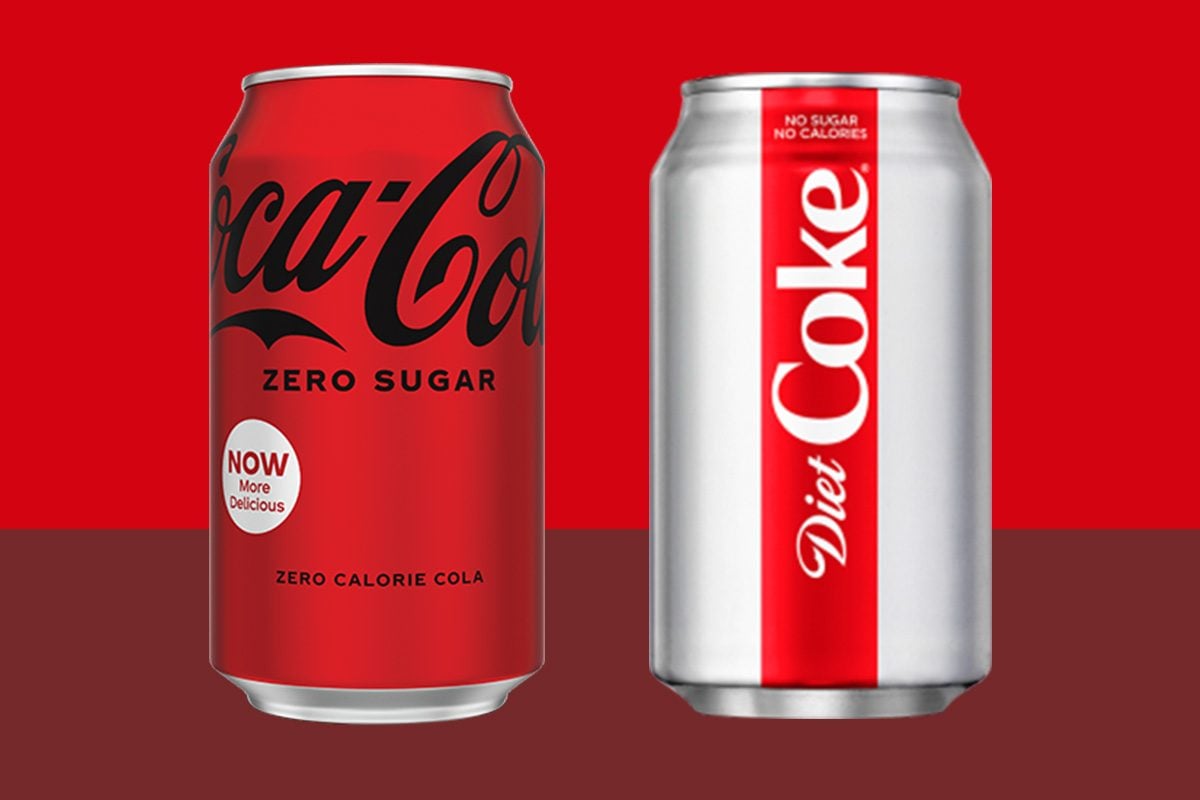
Coke Zero uses aspartame and acesulfame potassium as sweeteners. These sweeteners give it a taste similar to regular Coke. Diet Coke, on the other hand, relies solely on aspartame. This difference in sweeteners affects the taste and experience of each drink. Some people prefer the combined sweeteners in Coke Zero. Others might favor the single sweetener in Diet Coke.
Unique Ingredients
Coke Zero and Diet Coke also differ in unique ingredients. Coke Zero includes sodium citrate, which balances acidity. This ingredient enhances the flavor profile. Diet Coke contains citric acid instead. This gives it a slightly tangy taste. These differences contribute to each drink’s unique flavor.
Credit: www.tasteofhome.com
Consumer Reviews And Feedback
Choosing between Coke Zero and Diet Coke often depends on taste and health preferences. Coke Zero has a more classic cola flavor with no sugar, while Diet Coke offers a lighter taste with fewer calories. Consumers often share mixed reviews on which suits their palate better.
When deciding between Coke Zero and Diet Coke, what do consumers think? The internet is buzzing with opinions, each side staunchly defending their favorite. Reading through reviews can be enlightening and sometimes surprising. Let’s dive into what people are saying.Taste Tests
When it comes to taste, everyone’s palate is different. Many consumers participate in blind taste tests to see which one they prefer. An interesting trend emerges: Coke Zero often wins with its closer resemblance to the classic Coca-Cola taste. Diet Coke, however, has a distinct flavor that some people adore. Have you ever tried a blind taste test yourself? It might open your eyes to a new preference.Loyalty And Preference
Loyalty runs deep among fans of these beverages. Some Diet Coke enthusiasts have been sipping their favorite drink for decades. They love its unique taste and find it irreplaceable. On the other hand, Coke Zero is rapidly gaining a loyal following. Many appreciate its sugar-free formula without sacrificing the original Coca-Cola taste. Could this be the reason for its growing popularity? Have you noticed a shift in your preferences over the years? Reading reviews, you see how personal and varied these choices are. Each comment tells a story, revealing how taste, loyalty, and personal experiences shape our beverage decisions. Whether you’re a Diet Coke devotee or a Coke Zero convert, there’s no right or wrong choice—only the one that suits you best.Environmental Impact
When choosing between Coke Zero and Diet Coke, consider the environment. Both beverages impact the planet, but how do they compare? This section explores the environmental aspects of these popular drinks.
Packaging And Recycling
Packaging plays a crucial role in environmental impact. Coke Zero and Diet Coke come in similar packaging. Cans, plastic bottles, and glass bottles are common. Each material has different recycling outcomes. Aluminum cans are highly recyclable. They are often reused multiple times. Plastic bottles are less sustainable. They require more energy to recycle. Glass bottles are reusable, but heavy to transport. This increases their carbon footprint.
Sustainability Efforts
The Coca-Cola Company has sustainability goals. They aim to reduce their environmental footprint. Both Coke Zero and Diet Coke are part of these efforts. The company works on improving recycling rates. They focus on creating more sustainable packaging options. Water conservation is another priority. Coca-Cola is committed to replenishing water used in production. Their goal is to give back to communities and nature.
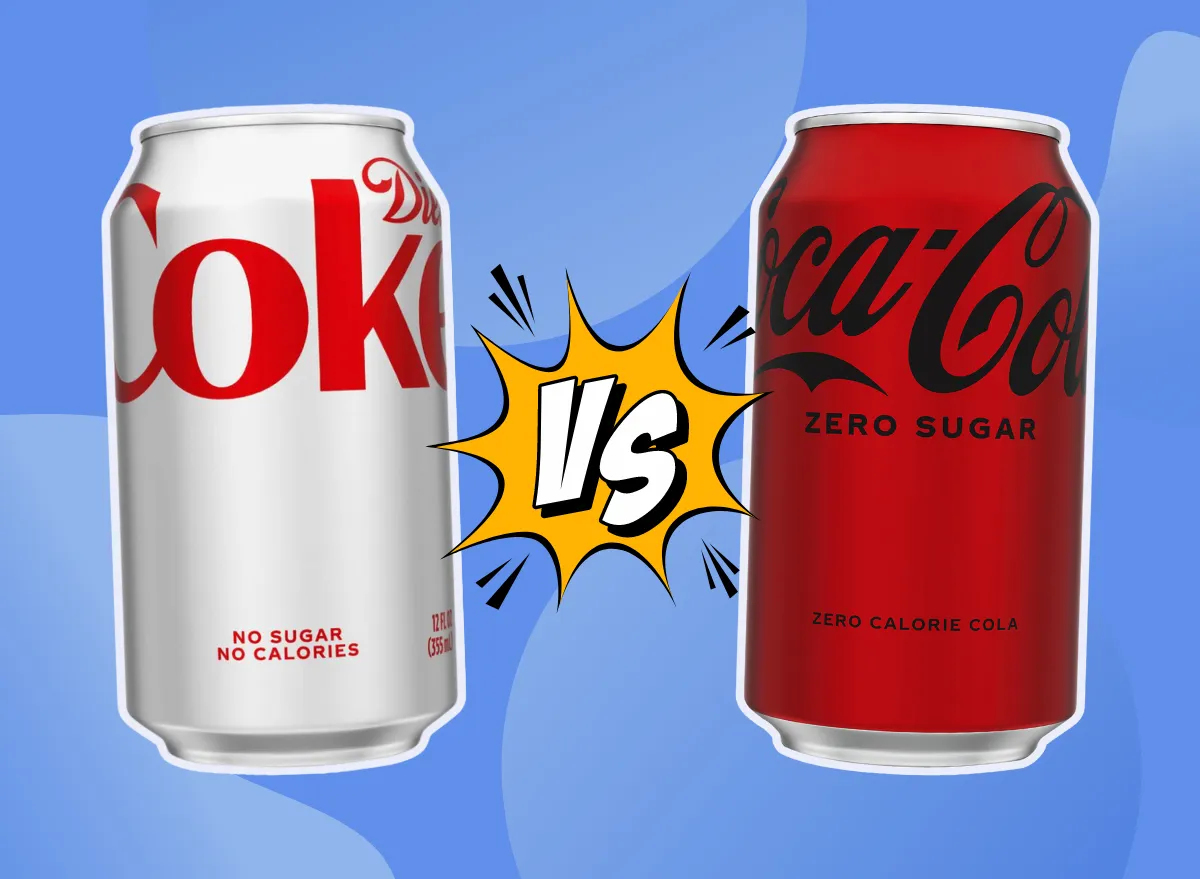
Choosing between Coke Zero and Diet Coke involves more than taste. Consider their environmental impact. The packaging and sustainability efforts are key factors. They shape the ecological footprint of each beverage.
Credit: www.eatthis.com

Credit: www.healthline.com
Frequently Asked Questions
What’s Healthier, Coke Zero Or Diet Coke?
Coke Zero and Diet Coke both have no sugar and calories. Coke Zero is closer to regular Coke taste. Diet Coke has a distinct flavor. Health-wise, they’re similar, but choose based on taste preference. Check ingredients if sensitive to caffeine or artificial sweeteners.
What Is The Downside Of Coke Zero?
Coke Zero may contain artificial sweeteners like aspartame, which some people prefer to avoid. Some studies link these sweeteners to health concerns, though conclusive evidence is lacking. Consuming Coke Zero may also not provide any nutritional benefits, and excessive consumption could impact dental health due to acidity.
Why Is Diet Coke Not Allowed In Europe?
Diet Coke is allowed in Europe. Some ingredients may vary due to different regulations on additives across countries. Always check local guidelines for specifics.
What Is Coke Zero’s Main Ingredient?
Coke Zero is primarily sweetened with aspartame and acesulfame potassium. These are artificial sweeteners that provide a sugar-free taste. Coke Zero also contains caffeine, caramel color, and phosphoric acid for flavor.
Conclusion
Choosing between Coke Zero and Diet Coke depends on personal taste. Both offer low-calorie options without sugar. Coke Zero has a bolder flavor, while Diet Coke is lighter. Health concerns often lead people to prefer one over the other. Some enjoy the taste of Coke Zero’s close resemblance to regular Coke.
Others opt for Diet Coke’s distinct flavor. Try both to see which suits your palate better. Remember, moderation is key with any soda choice. Find what satisfies your taste buds and fits your lifestyle best.