Have you ever wondered why coffee is off the menu when you’re following a yeast-free diet? It seems like a strange rule, especially if you’re one of the millions who can’t kick-start your day without that comforting cup of joe.
But there’s a reason behind this restriction, and it’s more important than you might think. Imagine feeling better, more energized, and healthier simply by understanding what your body needs. That’s where knowing the truth about coffee and yeast comes in.
You might be surprised at how this small change can lead to big results. Let’s dive in and uncover why your favorite brew might be holding you back from reaching your health goals. Stay with us, and you’ll discover insights that could change your daily routine for the better.
Yeast Free Diet Basics
Embracing a yeast-free diet can seem daunting at first, especially when you realize that your beloved morning coffee might be off the table. But understanding the basics of this diet can clarify why certain foods and drinks, including coffee, are restricted. Let’s dive into the essential elements that define a yeast-free diet, and why coffee doesn’t fit into the picture.
Core Principles
A yeast-free diet primarily aims to eliminate foods that promote yeast growth in the body. Yeast thrives on sugars and fermented products, making them top items to cut from your diet. By reducing yeast-promoting foods, you’re essentially striving for a balance that supports your gut health.
Think of it as a cleanse for your digestive system. This diet focuses on fresh, unprocessed foods. Items like fruits, vegetables, lean meats, and nuts become staples. You avoid anything that could potentially lead to yeast overgrowth.
The key principle is simplicity. You focus on whole foods, the kind that doesn’t come with a long list of ingredients. This approach not only helps in managing yeast levels but often boosts your overall health.
Common Restrictions
Yeast-containing foods, such as bread, beer, and pastries, are obvious exclusions. But did you know coffee can also be problematic? Coffee beans are often fermented during processing, which introduces yeast into your cup.
Another restriction is sugary foods. Even natural sugars found in fruits can be limited. This is because yeast feeds on sugar, and reducing your intake helps starve out the yeast.
It’s not just about food. Drinks like alcohol and certain teas can also be off-limits. You might ask, “What can I drink?” Water and herbal teas are your best bet. They hydrate without encouraging yeast growth.
Have you tried going yeast-free before? The adjustment can be challenging, but the benefits often outweigh the sacrifices. Improved digestion and energy levels are just two potential perks. So, while giving up coffee may be tough, it’s a step toward better health.
What are your thoughts on restricting coffee for this diet? Could the benefits of a yeast-free lifestyle outweigh your caffeine cravings?

Credit: www.thecandidadiet.com
Coffee Composition
Coffee is a beloved beverage, enjoyed by many worldwide. This aromatic drink contains various ingredients that contribute to its unique flavor and aroma. Each cup of coffee is a complex mix of compounds that can affect the body in different ways. Understanding these components is crucial for those on a yeast-free diet.
Ingredients And Compounds
Coffee beans contain caffeine, a natural stimulant. This compound boosts energy and enhances focus. Apart from caffeine, coffee also includes antioxidants. These help in fighting free radicals in the body. Yet, there are other compounds to consider. One such compound is chlorogenic acid. It’s known for its health benefits, but it can affect yeast levels. Coffee also contains sugars and oils. These can influence yeast growth in the body.
Impact On Yeast Levels
For those avoiding yeast, coffee’s composition matters. Caffeine can stress the body’s systems, affecting yeast balance. Chlorogenic acid may alter yeast activity. It can impact how the body processes yeast. Coffee’s sugars and oils can be a concern. They may encourage yeast growth and upset the body’s balance. Drinking coffee could interfere with a yeast-free diet. It may lead to unwanted yeast proliferation. Understanding coffee’s impact helps in making informed dietary choices.
Caffeine And Yeast Interaction
Caffeine is a stimulant found in coffee. Many enjoy its energizing effects. Yet, on a yeast-free diet, it can be problematic. Understanding caffeine’s role is crucial. It affects your body’s yeast balance. Coffee can disrupt your diet goals. Let’s explore the reasons behind this.
Effects Of Caffeine
Caffeine stimulates the central nervous system. It boosts alertness and energy levels. But it also affects other systems in the body. It increases stomach acid production. This can impact digestion and nutrient absorption. Higher acid levels may promote yeast growth. Excessive caffeine can stress the adrenal glands. This stress weakens the immune system.
Influence On Body’s Yeast Balance
A balanced yeast level is crucial for health. Caffeine can disrupt this balance. It can lead to an overgrowth of yeast. This overgrowth causes health issues like fatigue and bloating. Caffeine also affects blood sugar levels. Spikes in blood sugar can feed yeast, promoting its growth. Coffee often contains molds. These molds can exacerbate yeast problems.
Choosing alternatives to coffee is wise. Herbal teas or decaf options may help. Maintaining a yeast-free diet requires awareness. Understanding caffeine’s impact can aid in making better choices.
Alternative Beverage Options
Coffee often contains mold and yeast, making it unsuitable for a yeast-free diet. Tea, herbal infusions, and chicory root are excellent alternatives. These options can satisfy your caffeine cravings while adhering to dietary restrictions.
Switching to a yeast-free diet can feel like a big change, especially when your morning routine involves a steaming cup of coffee. But the good news is, you don’t have to give up the comforting ritual of sipping on a warm beverage. There are plenty of alternatives that fit right into a yeast-free lifestyle. Let’s dive into some exciting options that might surprise you and keep your taste buds happy.Yeast-free Substitutes
You might wonder, what can replace the bold taste of coffee? One option is chicory root coffee. It offers a rich flavor without the yeast. Plus, it’s caffeine-free, so it’s a great choice if you’re trying to cut back. Another substitute is dandelion root tea. It has a similar roasted taste and is often praised for its liver-supporting properties. Don’t forget about barley tea, which provides a nutty taste and can be served hot or iced. These choices can seamlessly become part of your morning routine.Benefits Of Herbal Teas
Herbal teas are a fantastic choice on a yeast-free diet. They come in various flavors, from soothing chamomile to invigorating peppermint. Each type offers distinct benefits. Chamomile tea can help you relax after a long day. Peppermint tea aids digestion and can be refreshing after meals. Try ginger tea for its warming qualities and potential to ease nausea. With so many options, you’re bound to find a herbal tea that suits your taste. Choosing the right beverage on a yeast-free diet doesn’t have to be a chore. It can be an exciting journey to discover new flavors. Have you tried any of these substitutes yet? Let us know which one becomes your favorite!Managing Cravings
Managing cravings is a significant challenge on a yeast-free diet. Coffee, a beloved beverage, often tops the list of cravings. Its rich aroma and energizing effects make it hard to resist. Yet, staying committed to the diet requires discipline and smart strategies.
Strategies To Cope
Set clear goals for your diet journey. Remind yourself why you chose a yeast-free lifestyle. Keep a journal of your cravings. Note the time and situation when they occur. This helps identify patterns. Practice mindful eating. Focus on flavors and textures of allowed foods. Stay hydrated. Sometimes thirst mimics hunger or cravings. Drink water regularly to keep cravings at bay.
Finding Satisfaction In Alternatives
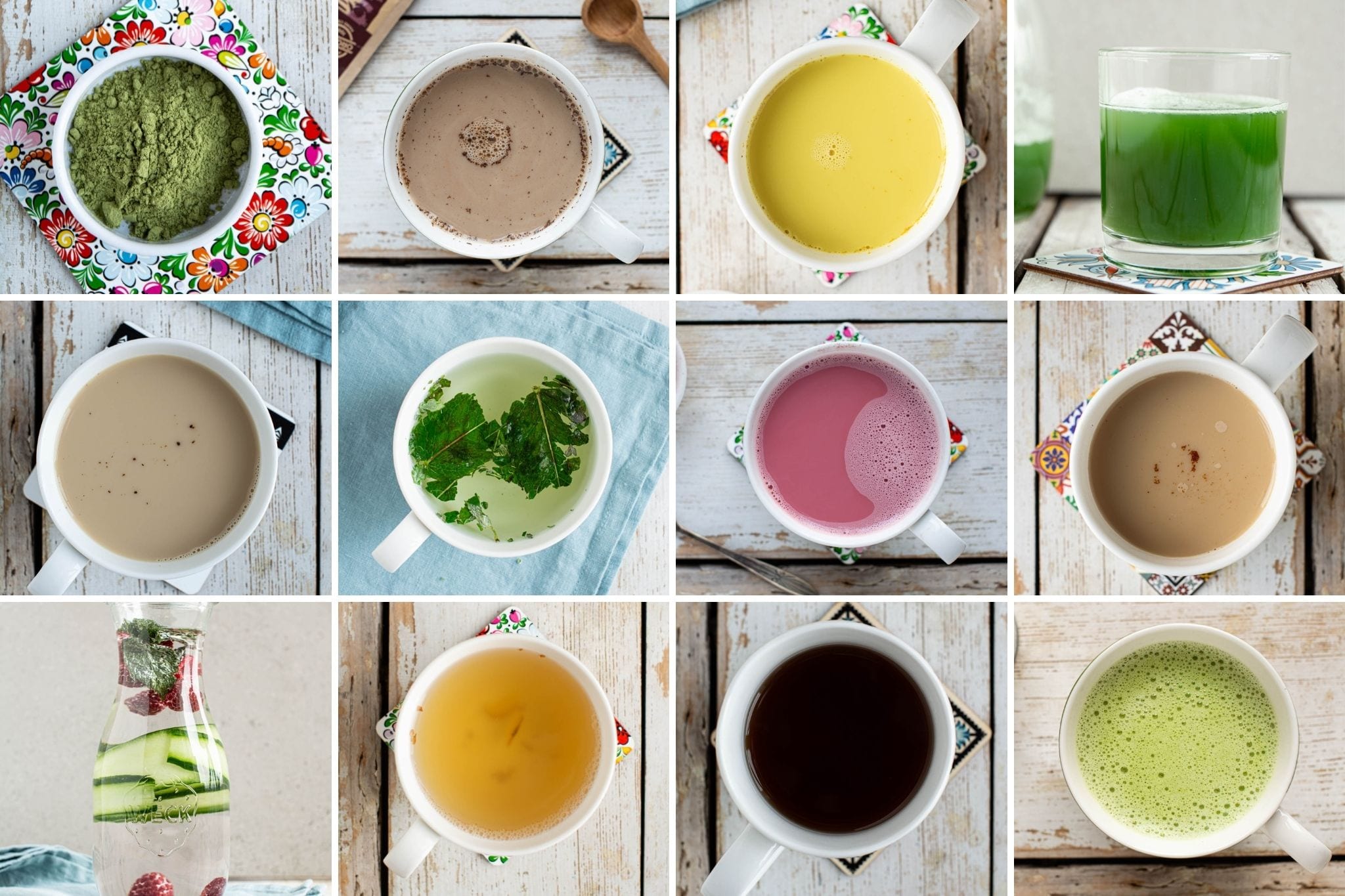
Explore alternatives to coffee that fit your diet. Herbal teas offer variety and warmth. They come in many flavors, from mint to chamomile. Green tea is another option. It provides a mild caffeine boost without yeast. Consider chicory root coffee. It’s yeast-free and offers a similar taste profile. Experiment with these options to find what satisfies you best. This way, you can enjoy a warm beverage without breaking your diet.
Credit: www.nutriplanet.org
Health Benefits Of Yeast-free Diet
Coffee might need to be avoided on a yeast-free diet. It can promote yeast growth due to its acidity. Opting for herbal teas can be a better alternative, supporting gut health and reducing yeast overgrowth.
Embarking on a yeast-free diet can be a transformative journey for your health. Many people find that eliminating yeast from their diet helps them manage various health issues and enhances their overall well-being. But what exactly are the benefits you can expect from such a dietary change? Let’s dive into some of the key advantages.Improved Digestive Health
A yeast-free diet can be a game-changer for your digestive system. By eliminating yeast, you’re reducing the risk of digestive discomforts like bloating, gas, and indigestion. Imagine having a meal and not worrying about how your stomach will react. Without yeast, many find their gut feels calmer and more balanced. If you’ve ever experienced digestive issues after consuming certain foods, this change could offer the relief you’ve been searching for.Enhanced Energy Levels
Have you ever felt sluggish after eating bread or pastries? The culprit might be the yeast. A yeast-free diet can help stabilize your energy levels throughout the day. Without the highs and lows caused by yeast-rich foods, you might find that your energy feels more consistent. This means fewer afternoon crashes and more energy for the activities you love. Consider how much more you could accomplish if you didn’t feel the need for that mid-afternoon nap. A yeast-free diet could be the secret to unlocking your full potential. By focusing on these aspects, you empower yourself to make informed choices. Could a yeast-free diet be your path to better health?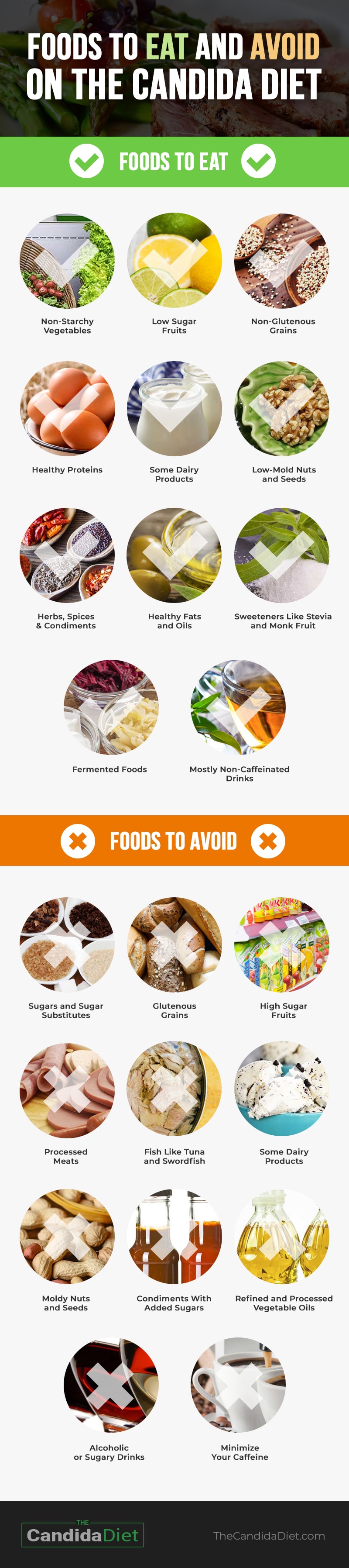
Credit: www.thecandidadiet.com
Frequently Asked Questions
Why Avoid Coffee On A Yeast-free Diet?
Coffee can disrupt gut flora, promoting yeast growth. Caffeine can also weaken the immune system, hindering yeast control. Additionally, coffee’s acidity can irritate the gut lining. Switching to herbal teas can support digestive health while on a yeast-free diet.
Does Decaf Coffee Affect Yeast-free Diets?
Decaf coffee still contains some caffeine and acidity, which can affect gut health. The reduced caffeine content might be less irritating, but it can still impact yeast levels. Consider herbal alternatives to maintain a yeast-free lifestyle.
What Are Coffee Alternatives For Yeast-free Diets?
Herbal teas, chicory root coffee, or dandelion tea are great coffee alternatives. These options are caffeine-free and gentle on the digestive system. They provide flavorful, satisfying choices without disrupting a yeast-free diet.
How Does Caffeine Affect Yeast Growth?
Caffeine can stimulate yeast growth by disrupting gut balance. It may also weaken the immune response, making yeast harder to control. Limiting caffeine can promote better gut health and support a yeast-free diet.
Conclusion
Choosing a yeast-free diet limits coffee consumption. Coffee contains compounds that may feed yeast. Avoiding coffee helps maintain a yeast-free lifestyle. This diet supports better health for many people. Focus on alternatives like herbal teas or water. These options keep your diet yeast-free.
Remember, a balanced diet promotes overall wellness. Consult a nutritionist for personalized advice. Your health journey is unique. Stay informed and make choices that benefit you. A yeast-free diet can improve well-being. Embrace the changes for a healthier life. Stay committed, and you’ll see positive results.